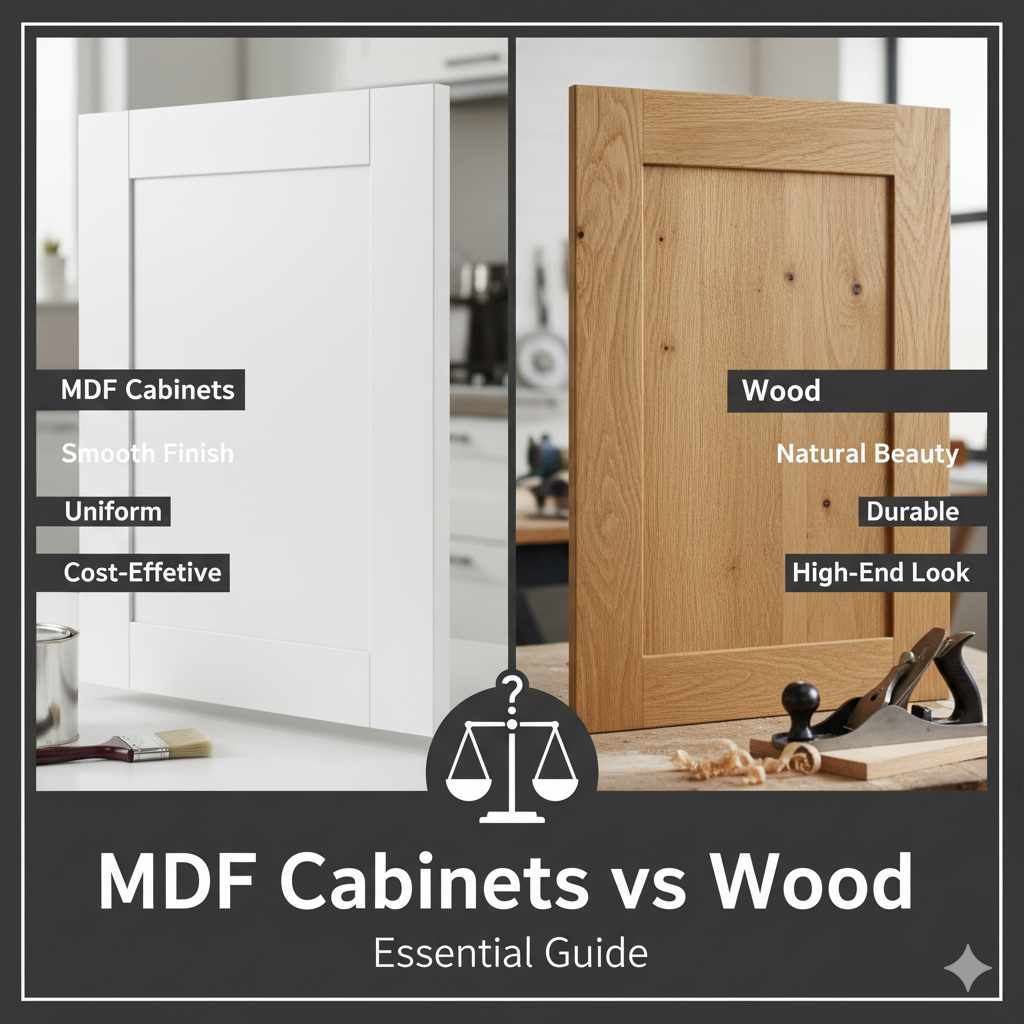
MDF Cabinets vs Wood: Essential Guide
MDF cabinets are a budget-friendly, smooth alternative to solid wood, offering a stable surface for paint. Real wood cabinets provide superior durability, natural beauty, and can be refinished, making them a long-term investment. The best choice depends on your budget, desired look, and how the cabinets will be used.
Building or remodeling your kitchen or bathroom often brings up a big question: what kind of cabinets should you install? For many, the choice boils down to two popular options: MDF (Medium-Density Fiberboard) and solid wood. It can feel a little confusing, especially if you’re new to the world of cabinet making or home improvement. Don’t worry, though! I’m here to break it down for you in a way that’s easy to understand. We’ll look at what each material is, where they shine, and where they might fall a bit short. By the end of this guide, you’ll feel confident deciding which is the perfect fit for your project. Let’s get started!
Understanding MDF and Solid Wood
Before we compare them, let’s get to know our materials. Think of them as two different personalities in the cabinet world, each with their own set of strengths.
What is MDF?
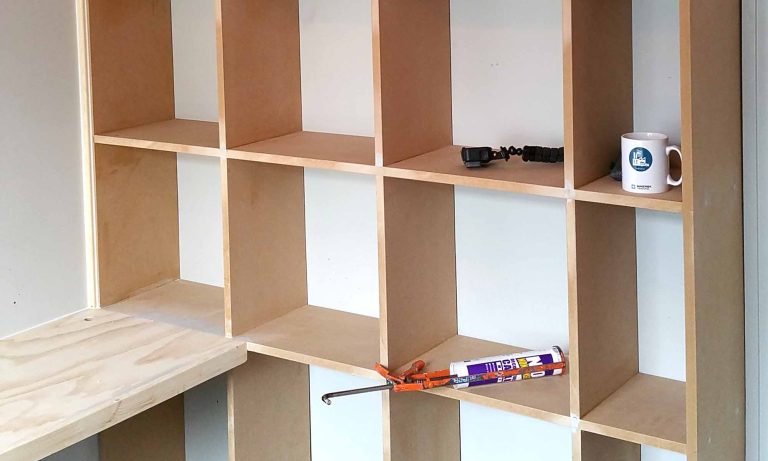
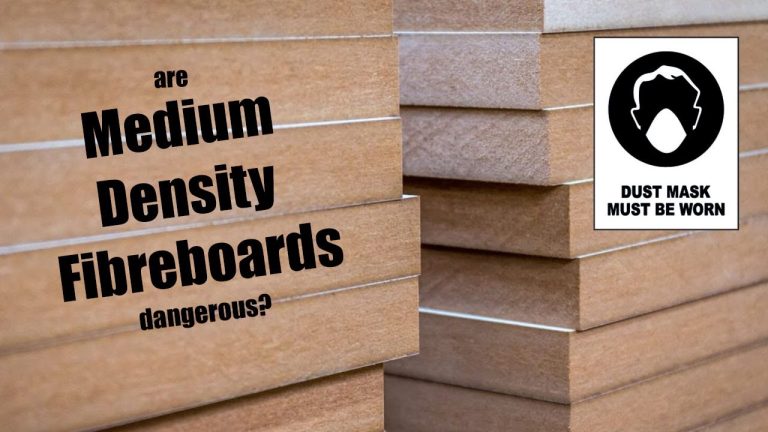
MDF, or Medium-Density Fiberboard, is an engineered wood product. It’s made by breaking down hardwood and softwood into wood fibers, then combining them with wax and resin binder. This mixture is then heated and pressed into panels. The result is a very dense, stable, and smooth sheet material that’s consistent throughout.
Because MDF doesn’t have wood grain like solid lumber, it offers a perfectly smooth surface. This makes it an excellent choice for cabinets that you plan to paint. It’s also quite affordable and resistant to warping or shrinking due to changes in temperature or humidity, which is a big plus for kitchen and bathroom environments.
What is Solid Wood?
Solid wood, on the other hand, is exactly what it sounds like: lumber cut directly from trees. Common woods used for cabinets include oak, maple, cherry, and pine. Each type of solid wood has its own unique grain pattern, color, and hardness.
Solid wood cabinets are known for their natural beauty and strength. They have a timeless appeal that many homeowners love. With proper care, solid wood can last for decades, and it even develops a lovely patina over time. Plus, unlike MDF, solid wood can often be sanded and refinished if it gets scratched or if you want to change its look down the road. You can learn more about different wood species and their properties from the Woodworking Trade Directory.
MDF Cabinets vs. Wood: A Detailed Comparison
Now that we know what each material is, let’s dive into how they stack up against each other. We’ll look at key factors that are important for your cabinets.
1. Cost
This is often one of the first things people consider. When comparing MDF cabinets versus wood, there’s a clear winner for affordability.
MDF Cabinets: Generally, MDF is significantly cheaper than solid wood. This makes it a fantastic option if you’re working with a tighter budget but still want a high-quality look.
Solid Wood Cabinets: Solid wood is a premium material, and its cost reflects that. Hardwood species like oak and maple are more expensive than softer woods like pine. If budget is your main concern, solid wood will likely push your costs higher.
2. Durability and Strength
How well will your cabinets hold up to everyday use? This is where the comparison gets interesting.
MDF Cabinets: MDF is very dense and stable, meaning it won’t warp or expand much with humidity changes. This makes it a good choice for areas like kitchens and bathrooms where moisture can be a factor. However, MDF can be susceptible to damage from heavy impacts. If a strong force hits MDF, it can chip or dent. Also, it doesn’t hold screws as well as solid wood, which can be a consideration for heavy-duty applications.
Solid Wood Cabinets: Solid wood is very strong and durable. It can withstand dents and scratches better than MDF, especially hardwoods. While it can be affected by extreme humidity, proper sealing and finishes can mitigate this. Screws and hardware tend to hold much more securely in solid wood, which is important for cabinet hinges and drawer slides.
3. Appearance and Finish Options
What look are you going for? This is where each material offers something different.
MDF Cabinets: MDF is perfect for a painted finish. Its smooth, gap-free surface means you won’t see any wood grain lines showing through the paint. This allows for a sleek, modern, or traditional painted look. However, MDF cannot be stained to achieve a natural wood grain appearance. If you want the look of real wood, MDF isn’t the way to go for that.
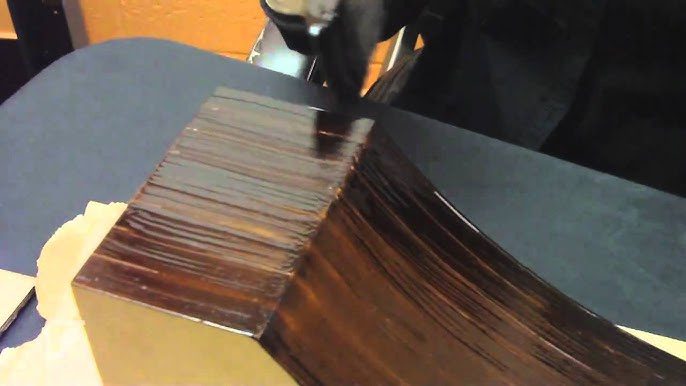
Solid Wood Cabinets: Solid wood offers natural beauty with its unique grain patterns and rich colors. It can be stained to highlight these natural features, painted for a different look, or finished with a clear coat to showcase its inherent beauty. The appearance of solid wood can vary greatly depending on the wood species chosen, offering a wide range of aesthetic possibilities.
4. Maintenance and Repair
What happens if something goes wrong?
MDF Cabinets: For painted MDF cabinets, touch-ups are usually straightforward. A little spot of paint can cover minor scratches. However, if an MDF panel gets significantly damaged, especially by water, it can be difficult to repair perfectly. Water damage can cause MDF to swell and disintegrate.
Solid Wood Cabinets: Solid wood is much more forgiving when it comes to repairs. Minor scratches and dents can often be sanded out and the area refinished. Even more significant damage can sometimes be repaired by a skilled woodworker. If the entire cabinet needs a refresh, it can be sanded down and completely refinished or even repainted.
5. Installation
How easy are they to work with?
MDF Cabinets: MDF panels are generally lighter than solid wood of the same thickness, which can make them a bit easier to handle during installation. However, its brittleness means you have to be careful not to chip the edges.
Solid Wood Cabinets: Solid wood can be heavier, making installation potentially more challenging, especially for larger cabinet pieces. However, its inherent strength can make it more forgiving if you need to adjust fittings or make minor modifications on-site.
6. Environmental Impact and Health Considerations
Both materials have different environmental profiles.
MDF Cabinets: MDF is made from recycled wood fibers, which can be a positive aspect. However, the resins and binders used in its production can sometimes off-gas volatile organic compounds (VOCs). Look for low-VOC or no-VOC certified MDF products where possible. To understand more about VOCs in building materials, the Environmental Protection Agency (EPA) provides valuable information.
Solid Wood Cabinets: Solid wood is a natural, renewable resource, especially if sourced from sustainably managed forests. It does not typically off-gas VOCs unless treated with certain finishes. The processing of solid wood generally requires less energy than that of MDF.
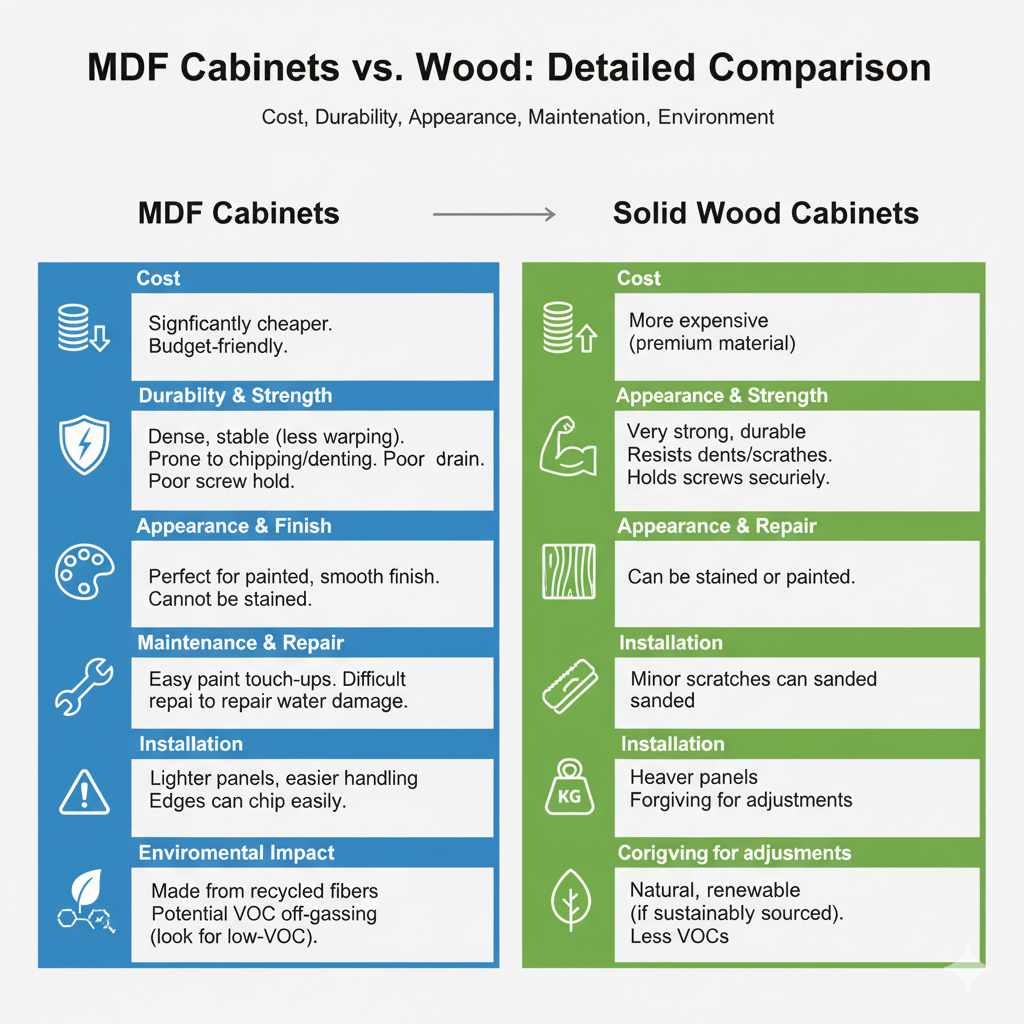
MDF Cabinets vs. Wood: Pros and Cons at a Glance
To make the decision even clearer, let’s summarize the pros and cons in a table. This can help you quickly see the key differences.
| Feature | MDF Cabinets | Solid Wood Cabinets |
|---|---|---|
| Cost | More affordable | More expensive |
| Durability | Good density, but can chip/dent from impact; holds paint well. | Very strong and durable; can resist dents/scratches better. |
| Strength for Hardware | Screws can strip more easily. | Holds screws exceptionally well. |
| Appearance | Smooth, ideal for painted finishes; no grain pattern. | Natural grain patterns, beautiful natural colors; can be stained or painted. |
| Moisture Resistance | Resistant to warping/shrinking but can swell and disintegrate if saturated. | Can warp/expand in high humidity if not properly sealed. |
| Repairability | Difficult to repair significant damage, especially water damage. | Easier to repair scratches, dents, and refinish. |
| Weight | Generally lighter. | Generally heavier. |
| Environmental Impact | Made from recycled materials; potential for VOCs. | Renewable resource (if sustainably sourced); less prone to VOCs unless finished. |
When to Choose MDF Cabinets
So, when is MDF the superstar choice? Think about these scenarios:
- Budget-Conscious Projects: If you need beautiful cabinets but have a limited budget, MDF is your best friend. It allows you to achieve a high-end look without the high-end price tag.
- Painted Finishes: For a sleek, modern, or perfectly smooth painted cabinet door, MDF is unbeatable. It provides a flawless surface that paint adheres to beautifully, without any distracting wood grain.
- Low-Moisture Environments: While MDF isn’t waterproof, it offers good stability in areas with moderate humidity. It’s less likely to swell or shrink compared to some solid woods, making it suitable for many kitchens and bathrooms with good ventilation.
- DIY Painting Projects: If you love the idea of painting your own cabinets and want a super smooth finish, MDF is a great material to work with. It requires less prep work than some natural woods might if you’re going for a painted look.
When to Choose Solid Wood Cabinets
Now, when does solid wood really shine? Consider these situations:
- Timeless Beauty and Natural Look: You want the authentic, warm, and unique aesthetic that only real wood can provide. The natural variations in grain and color add character that simply can’t be replicated.
- Long-Term Investment: You’re looking for cabinets that are built to last for generations. Solid wood is incredibly durable and, with care, can be a lifelong addition to your home.
- Stained Finishes: You love the rich tones and intricate patterns of wood grain and want to showcase them with a stain and clear coat.
- High-Traffic or Rough Use Areas: In kitchens or areas where cabinets might experience more knocks, bumps, or heavy use, solid wood’s inherent strength and ability to be repaired make it a more robust choice.
- Refinishing Potential: You want the flexibility to update the look of your cabinets in the future. Solid wood can be sanded and refinished multiple times, offering a fresh look for years to come. For more on wood finishing with the Environmental Working Group (EWG) in mind, check out their Consumer Guides for insights into safer product choices.
DIY Cabinet Projects: MDF vs. Wood Considerations
As a DIY enthusiast myself, I know the joy of building something with your own hands! When tackling cabinet projects, think about which material will make your life easier and give you the best results.
Working with MDF for DIY
MDF is often easier for beginners to work with in certain ways:
Cutting: MDF cuts cleanly, giving you nice, straight edges, which is great for precise cabinet boxes and doors.
Sanding: It sands down to a silky-smooth finish, perfect for painting.
Assembly: It’s generally less prone to splitting when screwing pieces together, though you need to be mindful of over-tightening screws. Using pilot holes is always a good idea.
Finishing: As mentioned, it’s the dream surface for paint. For those starting out with painting furniture or cabinets, MDF offers less chance of frustration from difficult grain patterns.
Working with Solid Wood for DIY
Solid wood offers a different kind of DIY experience:
Tooling: You’ll need good quality tools to cut and shape solid wood cleanly. A sharp blade on a table saw or circular saw will make a huge difference.
Grain Challenges: Working with the natural grain of wood can be rewarding but also requires more attention. Certain grain patterns can be prone to tear-out during cutting or routing.
Finishing: Staining wood is a beautiful process, but it requires practice to get even results. Different wood species take stain differently. If you’re new to staining, perhaps start with a simpler project or a wood known for taking stain predictably, like poplar or pine.
Joins: Learning to make strong, tight joints is crucial with solid wood. Pocket holes are a great beginner-friendly method for joining cabinet boxes. The Kreg Tool website has excellent resources on pocket hole joinery.
Understanding Cabinet Construction: Beyond Material
It’s important to remember that the material is just one part of the cabinet story. How a cabinet is constructed also plays a massive role in its quality and longevity.
Cabinet Box Construction
MDF Boxes: Full MDF boxes are common and cost-effective. Like any MDF project, they need protection from direct water exposure.
Solid Wood Boxes: Often pine is used for cabinet boxes, and sometimes hardwoods for higher-end cabinets. These are very sturdy and can last a long time.
Plywood Boxes: Many cabinets, both MDF-front and solid-wood-front, use high-quality plywood for the cabinet boxes. Plywood is known for its strength, stability, and resistance to warping, making it an excellent choice for the structure of the cabinet. This is a great middle-ground option that combines durability with reasonable cost.
Cabinet Door Construction
MDF Doors: Often come as solid panels or as a “five-piece” door with an MDF center panel and a solid wood or MDF frame.
Solid Wood Doors: Can be solid slabs (less common due to warping potential) or, more typically, a five-piece construction with a solid wood frame and either a solid wood or MDF center panel.
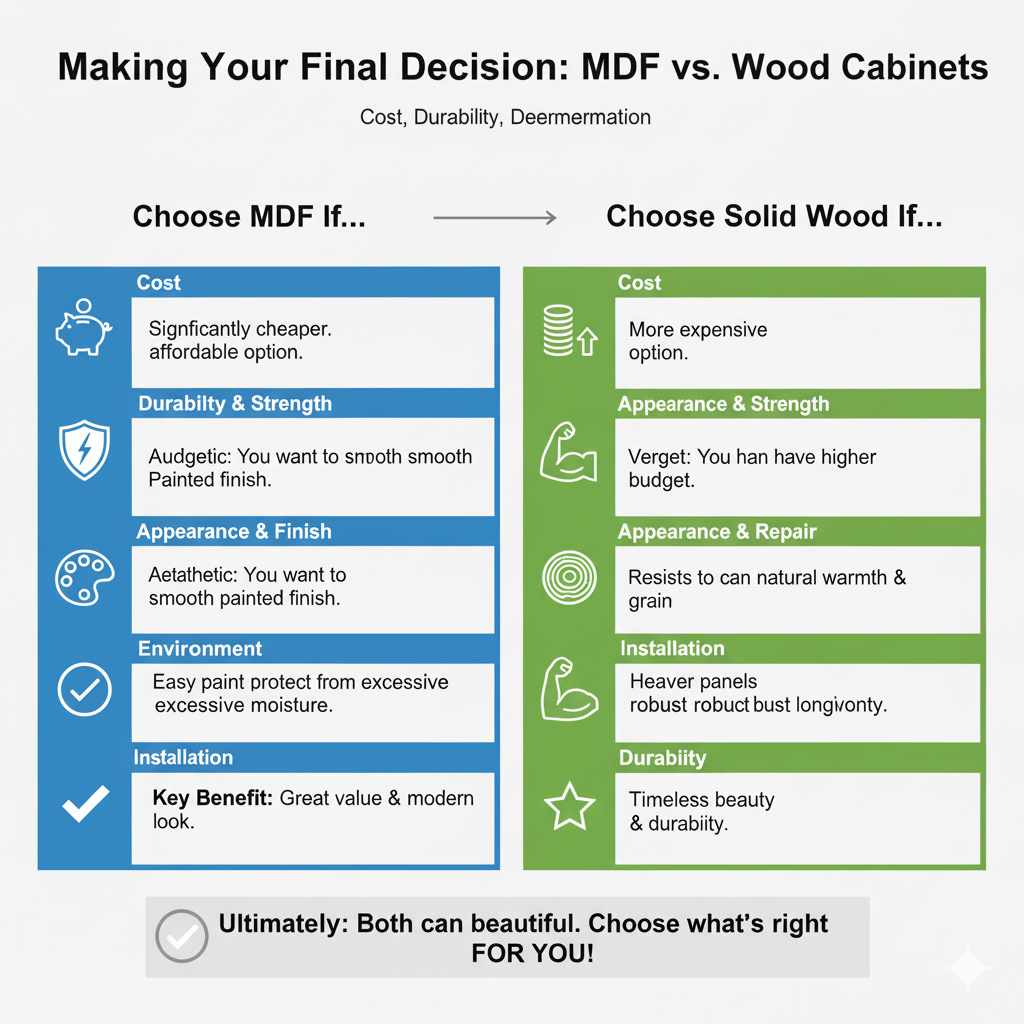
Making Your Final Decision
Choosing between MDF and solid wood cabinets isn’t about which material is “better,” but which is “better for you.”
Ask yourself these questions:
What is my budget for this project?
What kind of aesthetic am I aiming for (painted, stained, natural wood grain)?
How much wear and tear can I expect my cabinets to endure?
What is the humidity level like in the room where the cabinets will be installed?
How important is it for me to be able to refinish or repair the cabinets in the future?
If you’re looking for an affordable, smooth surface for a painted finish, and can protect it from excessive moisture, MDF cabinets are a superb choice. They offer great value and a fantastic modern look.
If you desire the natural warmth, timeless beauty, and robust longevity of real wood, and your budget allows, solid wood cabinets are an excellent investment. They bring a classic, high-quality feel and offer incredible durability and repairability.
Ultimately, both MDF and solid wood can result in beautiful, functional cabinets. By understanding their properties and considering your specific needs, you can make a confident decision that you’ll be happy with for years to come.
Frequently Asked Questions About MDF vs. Wood Cabinets
Here are some common questions beginners have when comparing MDF and wood cabinets.
Can MDF cabinets be stained?
No, MDF cabinets cannot be stained to achieve a natural wood grain look. MDF is made from wood fibers compressed together and does not have the grain structure of solid wood. It is best suited for painted finishes because it provides a very smooth, pore-free surface for paint application.
Is solid wood more durable than MDF for cabinets?
Generally, yes, solid wood is considered more durable and harder-wearing than MDF. Solid wood, especially hardwoods like oak or maple, can better resist impacts, dents, and scratches. It also holds hardware like screws and hinges more securely over time.
Which material is better for kitchen cabinets: MDF or wood?
The “better” choice depends on your priorities. For a budget-friendly option with a painted finish, MDF is excellent. For a natural wood look, superior durability, and long-term refinishing potential, solid wood is the preferred choice. Both can work effectively in kitchens if properly finished and installed.
Can MDF cabinets get wet?
MDF is not waterproof and can swell and disintegrate if it gets excessively wet or saturated. It’s resistant to minor fluctuations in humidity, making it suitable for most kitchen and bathroom environments if they are well-ventilated and the MDF is properly sealed with paint or a moisture-resistant finish. Avoid prolonged direct water exposure.
Are solid wood cabinets worth the extra cost compared to MDF?
For many homeowners, solid wood cabinets are worth the extra cost due to their superior durability, natural beauty, longevity, and ability to be repaired and refinished. If you plan to stay in your home for a long time, value natural materials, and want a high-end aesthetic, investing in solid wood can be a wise decision that adds value to your home.