Milwaukee Shockwave Drill Bit Review
Milwaukee Shockwave drill bits are a solid buy if you drill thin metal, plastic, and light wood with an impact driver and want a tough, quick-change bit that stands up to jobsite abuse. They are the wrong choice for thick, hardened, or precision-critical metal, where cobalt, specialty step bits, or a dedicated drill bit type usually fits better.
Milwaukee Shockwave drill bit review: the bottom line

For impact-driver drilling, Shockwave bits belong in the kit when speed, convenience, and breakage resistance matter more than absolute cutting finesse. They are built for impact use, not for every drilling task, and that difference decides whether they save time or cause frustration.
Verdict by task
Use them for quick holes in thin sheet metal, plastic, and mixed jobsite work where you want one bit type that can move from fastener work to light drilling. Skip them for hardened steel, repeated oversized holes, or any hole where wall finish and diameter accuracy matter more than speed.
That split matters. A bit that survives impact load but leaves a rough hole is a smart choice in the right task and a poor choice in the wrong one.
Who should buy them?
Choose Shockwave bits if you carry an impact driver, drill a lot of small-to-medium holes on site, and want fewer bit changes. Skip them if your work is mostly metal fabrication, thick plate, or finish-sensitive electrical work that demands a more specialized bit type.
What Milwaukee Shockwave bits are built
Milwaukee says SHOCKWAVE bits are designed for use with impact drivers. The line uses SHOCK ZONE geometry to reduce tip breakages, special heat treatment that absorbs impacts and allows spring-like flex, custom steel that is more resistant to shock from impacting, and a WEAR GUARD TIP that is laser hardened for better wear resistance.
What that means in practice
Those features point to a bit that can handle twisting and pounding better than a standard twist bit. The tradeoff is clear: stronger impact tolerance does not make the bit the best cutter for every material. It makes the bit less likely to fail under the tool it was built to withstand.
Bit flexibility also matters. A bit that can flex a little under impact load may survive rougher use, but that same design does not replace the need for correct speed, steady alignment, and the right bit for the material.
Where the line fits in Milwaukee’s sets
Milwaukee’s SHOCKWAVE Impact Duty Sets are commonly reported in several sizes, including about 5-piece, 6-piece, 15-piece, 16-piece, 32-piece, 39-piece, and 54-piece options. Milwaukee’s EU set page shows the 15-piece pack option, and the SHOCKWAVE Impact Duty Sets page shows 6 reviews.
That review count is too small to stand in for broad user evidence. It can tell you the page exists and that some buyers have commented, but it cannot prove long-term wear, hole quality across materials, or which set size gives the best value for your workload.
Are Milwaukee Shockwave drill bits good?
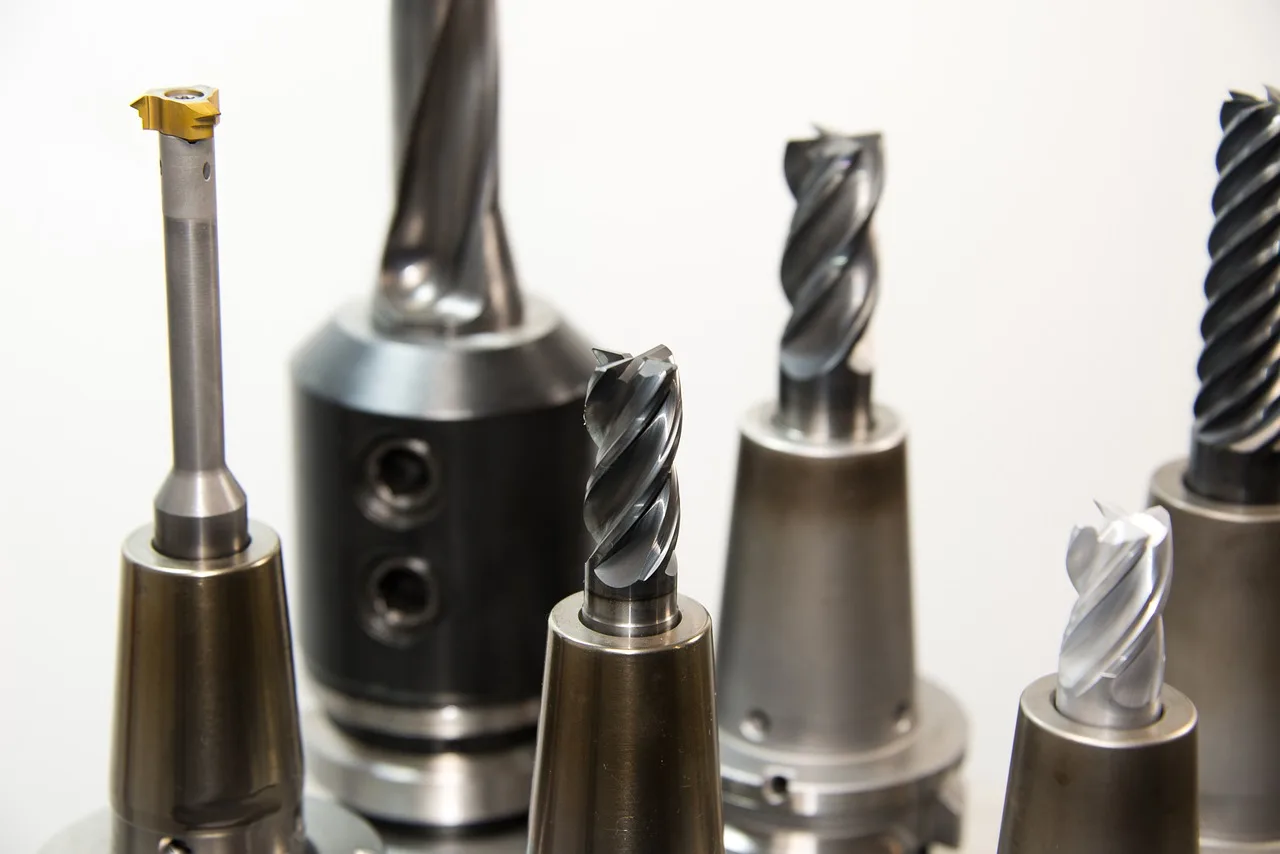
Yes, for the right tasks. Shockwave bits are a practical choice when you want impact-driver compatibility, quick bit changes, and better resistance to breakage than a generic drill bit built for light-duty use. They are especially sensible for jobsite drilling where tools and bits get knocked around.
Strengths in metal, plastic, and mixed use
They work best where speed and durability outrank perfect hole finish. In thin metal and plastic, they can be efficient and convenient. In mixed jobsite work, their impact-ready design and about a 1/4-inch hex shank make them easy to swap in and out without spending much time on the chuck.
Where they fall short
They are not the best answer for thick steel, hardened steel, or precision drilling where hole roundness and edge quality matter most. Cobalt bits usually make more sense for hard metals. Titanium-coated bits often make more sense for general-purpose drilling in softer metals when you want a different wear profile. Specialty bits can be better when the hole size or material calls for a narrow job-specific tool.
Do not judge a set by the six reviews on the product page alone. That number is far too small to settle questions about durability, drilling speed, or long-term value across different materials.
Pros and cons
- Pros: impact-driver compatibility, quick changes, better shock tolerance, useful for thin metal and plastic, easy to carry in a jobsite kit
- Cons: not the best choice for thick or hardened steel, less suited to finish-critical holes, can dull faster than the right specialty bit for a given material
How they perform with an impact driver
Shockwave bits are built for impact drivers, and that matters because the tool’s repeated blows place different stress on the bit than a regular drill does. The 1/4-inch hex shank makes quick insert and removal simple, and it reduces the need to keep opening and closing a chuck.
Why reduced chuck use matters on site
Less chuck use saves time during repetitive work. It also makes bit changes easier when you are moving between drilling and fastening. That convenience pays off on site, where the time lost to small tool changes adds up quickly.
Impact driving changes control, though. It can push a bit harder into the work than a smooth-speed drill, so alignment matters more. If the bit starts crooked or the material is thin and unsupported, the hole can wander or grab.
What impact driving changes about wear
Impact load can shorten bit life if the bit is wrong for the material or if you push too hard. Shockwave’s design is meant to resist that punishment better than a standard bit, but no impact-rated bit removes the need for proper speed, pressure, and chip clearing.
Task-matching table for Shockwave bits
This table matches common drilling jobs to the Shockwave setup that makes the most sense. Use it as a fit check before you grab the bit case.
| Material | Hole size range | Recommended set size | When to use cutting oil | When to choose a different bit type |
|---|---|---|---|---|
| Plastic sheet or trim | Small holes up to medium holes | 5-piece or 6-piece | Usually not needed | Choose a specialty plastic bit if the edge must stay very clean |
| Thin sheet metal | Small holes up to about 1/2 inch | 15-piece or 16-piece | Use oil on harder metal, especially steel | Choose cobalt for repeated holes in harder steel |
| Thin steel electrical work | Common conduit and box openings | 15-piece, 32-piece, or 39-piece | Recommended on steel | Choose a step drill bit for repeated diameter changes in thin stock |
| Mixed jobsite drilling and fastening | Small to medium holes | 32-piece or 54-piece | Use on hard metals | Choose a dedicated drill index if you rarely use impact drivers |
| Hard steel or thick plate | Any hole size that needs clean edges | Not the best match | Yes, but oil alone does not fix the mismatch | Choose cobalt or another specialty metal bit |
| Plastic and thin metal with repeated hole sizes | Specific sizes in a narrow range | 15-piece or step bit setup | Rarely needed | Choose a step drill bit if you need multiple diameters from one tool |
How to drill metal and plastic without ruining the bit
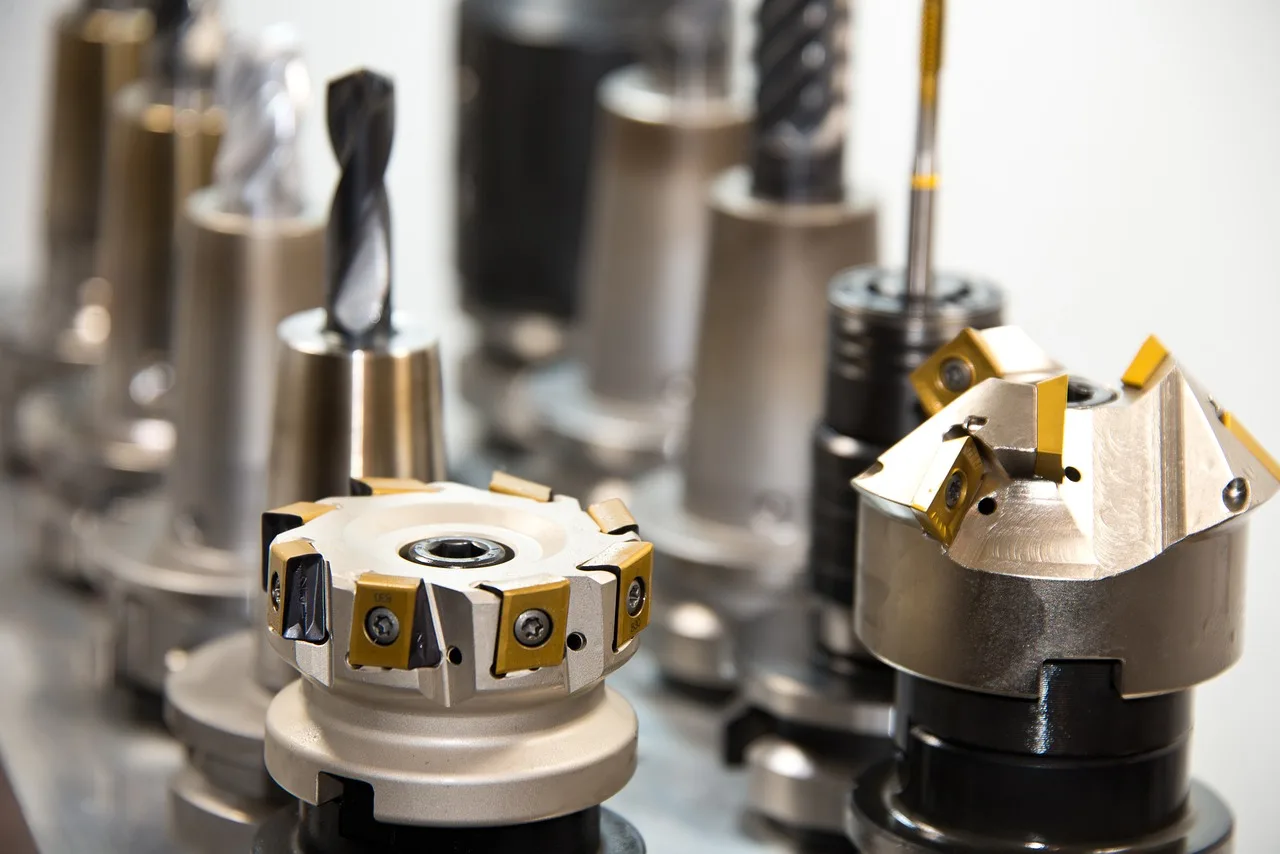
Good results start before the trigger is pulled. Use a center punch on metal so the bit starts in the right place and does not walk. Keep the drill square to the work, and match speed and pressure to the material.
- Mark the hole location clearly.
- Use a center punch on metal to create a starting point.
- Start the bit slowly to control wandering.
- Increase pressure only enough to keep the bit cutting.
- Back the bit out often to clear chips, especially in metal.
- Use cutting oil on hard metals to reduce heat and friction.
Why cutting oil matters
Cutting oil reduces heat and friction, which helps preserve sharpness on hard metals. Popular Mechanics recommends cutting oil when drilling steel or other hard metal. That advice fits Shockwave bits too, because even an impact-ready bit benefits when the cut runs cooler.
Picture drilling 3/16-inch holes in thin steel without a punch mark. The bit can skate, scratch the surface, and start oversized before it ever bites. Add a punch mark, slow the start, and the hole begins where you want it.
Common failure cases
Walking: usually comes from starting on a smooth metal surface without a punch mark or from starting too fast.
Overheating: comes from excess speed, too much pressure, or skipping cutting oil on hard metal.
Tearing: is common in thin plastic or thin sheet metal when support is poor or the bit is forced.
Oversized holes: happen when the bit wanders, chatters, or dulls before the cut is done.
Premature dulling: usually means the bit type does not match the material, or chip clearing is too infrequent.
Suppose you are drilling a 1/4-inch hole in a steel bracket. If the bit squeals, turns blue, or starts pushing instead of cutting, the fix is not more force. Slow down, add cutting oil, and switch to a better metal bit if the steel is harder than expected.
What comes in a Milwaukee Shockwave drill bit set?
Set contents vary by size, and that matters more than the name on the box. Milwaukee lists multiple SHOCKWAVE Impact Duty Set sizes, including 5-piece, 6-piece, 15-piece, 16-piece, 32-piece, 39-piece, and 54-piece options. The right one depends on how often you drill and how many diameters you need on hand.
Which set size fits which user?
A smaller set makes sense if you only need a few common sizes for occasional work. A larger set is better if you drill frequently and want fewer gaps in your size range. That is where value changes: not by brand hype, but by how often you avoid a trip back to the truck or toolbox.
For occasional users, the 5-piece or 6-piece options are easier to justify. For more frequent use, the 15-piece, 32-piece, or 54-piece sets give more size coverage and less need to improvise.
What materials can Shockwave drill bits cut?
Shockwave bits are a practical fit for thin metal, plastic, and light wood tasks. They can handle common jobsite drilling jobs, but material thickness and hardness set the limit. They are better described as impact-ready generalists than as the best answer for every substrate.
Do Milwaukee Shockwave bits work on metal and plastic?
Yes. They can work on both, especially when the hole is not unusually large and the material is not especially hard. In plastic, the main risk is grabbing or cracking if the speed is too high. In metal, the main risk is heat, walk, and dulling if you skip the prep steps.
When a step drill bit is the better choice
Step drill bits are better when you need a range of hole sizes from one bit, especially in thin metal and plastic. The same source says stepped bits drill holes from 3/16 inch to 1-1/8 inches, use 6, 12, or 17 steps, and are best for metal and plastics up to 5/16 inch thick.
That single-bit convenience is the point. A 12-step bit reaches up to 7/8 inch diameter, and a 17-step bit reaches up to 1-1/8 inches. Popular Mechanics also notes a 1/4-inch hex shank for impact-driver compatibility.
Who should buy Shockwave, and who should choose something else?
Shockwave bits are a strong fit for the DIYer or tradesperson who uses an impact driver, drills mixed materials, and wants durable bits that are easy to carry and swap. They are less suitable if your work is mostly clean precision drilling, thick metal, or repetitive hole-making in one exact size.
Who it suits best
Choose them if you do electrical rough-in, install hardware in thin steel, work on plastic panels, or want a compact set for jobsite carry. If your day involves frequent small holes and quick tool changes, the impact-ready format pays off.
Who should choose another bit type?
Choose cobalt if hard steel is the main material. Choose a step drill bit if you drill multiple diameters in thin sheet and want one tool to cover a size range. Choose a wood-specific bit if clean wood entry and exit matter more than impact durability.
Frequently asked questions
Are Milwaukee Shockwave bits good for an impact driver?
Yes. Milwaukee says SHOCKWAVE bits are designed for use with impact drivers, and the 1/4-inch hex shank makes quick insert and removal easy. That setup reduces chuck use and speeds up repetitive work, especially when you switch often between drilling and fastening.
How do Milwaukee Shockwave drill bits compare with other brands?
They compare well on impact tolerance and convenience, especially for jobsite use. Against cobalt, they are usually less suitable for hard steel. Against titanium-coated options, they may be a better match for impact-driver work but not always the best choice for long runs in harder metal.
Do I need cutting oil with Shockwave drill bits?
Use cutting oil on steel and other hard metals. It reduces heat and friction, which helps preserve sharpness and lowers the chance of burning the work. It is usually unnecessary in plastic, and it is less important in soft materials than in hard metal.
What size holes can a stepped drill bit make?
The same source says stepped bits can drill from 3/16 inch to 1-1/8 inches, depending on the bit. It also notes 6, 12, or 17 steps, with a 12-step bit reaching 7/8 inch and a 17-step bit reaching 1-1/8 inches. They are best for thin metal and plastic up to 5/16 inch thick.
Sponsored / affiliate links. As an Amazon Associate I earn from qualifying purchases. I may earn additional commission from eligible campaigns.