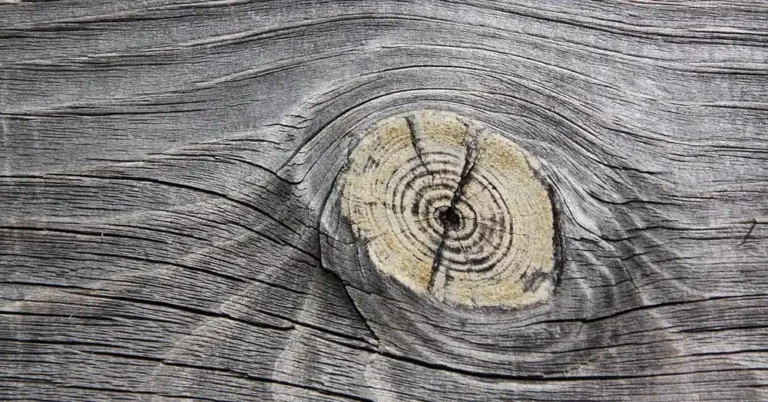
Why Is My Deck Popping in the Cold?
Deck popping in cold weather is often normal thermal movement, but repeated loud pops, visible gaps, or new movement can signal loose fasteners, trapped ice, or structural shift. Ignoring the wrong cause can turn a small repair into warped boards, torn connections, or water damage. This guide shows how to tell harmless winter movement from damage with quick checks you can do from the surface.
Why decks pop in cold weather
Below-freezing temperatures make deck materials contract. When parts shrink at different rates, stored stress can release with a pop. That sound may come from boards, fasteners, joists, or ice in the assembly, and it does not automatically mean the deck is failing.
How temperature drop changes board length
Deck materials expand and contract with temperature changes. A sharp drop can shorten wood, composite, or vinyl just enough to make tight joints move against each other. Cold makes materials shrink and stress can release with a pop, especially when the deck has little room to move.
Wood decking can pop in winter even when it is sound. It contracts in cold weather, and the change may be harmless seasonal movement if the boards are still secure and the structure is stable. The sound alone is not proof of damage.
Why sound can appear without visible damage
Noise can travel through joists and fasteners, so the pop you hear may come from a spot you cannot see. A board may slip a fraction of an inch, a nail may shift, or ice may crack between layers. That movement can be noisy without leaving obvious damage on the surface.
Why one deck is louder than another
One deck may pop more because its materials, spacing, and fasteners are different. Composite decking and vinyl decks are more likely to suffer from this problem. Composite decking can make more noise than wood, especially if the spacing between boards is too tight or the installation leaves little room for movement.
Say your 12-by-16-foot deck starts making one sharp pop each evening after a cold front. If the boards stay flat, the railings stay plumb, and the sound stops when temperatures rise, that pattern fits normal contraction better than structural damage.
Wood deck vs composite deck noise
Wood and composite do not behave the same in winter. Wood decking contracts in cold weather and can pop with nails or screws, while composite decking usually moves more with temperature change and depends heavily on correct spacing. Vinyl decking can be noisy for similar reasons.
How wood decking reacts in winter
Wood decking can have seasonal movement without damage. Nails can contract differently than deck wood, which can shift fasteners or make a cracking sound. If the boards are secure and the deck stays level, a winter pop is often a movement issue rather than a failure.
Why composite decking can be louder
Composite decking is more likely to make noise because it moves more with temperature change. If the gaps were set too tight, the boards may rub, bind, or press against fasteners. In cold weather, that pressure can turn into a sharp pop or crack.
What deck spacing changes
Improper spacing between decking boards is a common cause. The cure is leaving gaps for expansion and contraction. If the boards are installed too tightly, they can rub as temperatures drop, and that rubbing may sound like a pop before it becomes visible damage.
Suppose a composite deck on the south side of a house pops more than the shaded side. A likely difference is temperature swing, not a hidden defect. The warmer deck surface expands and contracts more during the day, then contracts fast after sunset, which can make the noise more obvious.
Is the popping normal?
A winter pop is often normal if it comes with no visible shifting, no loose boards, and no new slope. Harmless seasonal movement usually stops when temperatures moderate. When the noise repeats with visible changes, though, treat it as a sign to inspect the deck more closely.
Signs of harmless seasonal movement
Normal winter movement is usually brief and isolated. The deck still feels solid underfoot, the boards stay aligned, and the sound appears only after a sharp cold snap. Cold temperatures cause deck materials to contract, so a few pops during a freeze often fit expected behavior.
Signs that point to damage
Look for boards that lift, gaps that widen, fasteners that back out, or spots that feel springy. Trapped moisture in decking is another common cause, and ice can get trapped between joists and the deck. Those signs shift the problem from harmless noise to a repair issue.
When a winter noise needs a closer look
If the sound becomes louder, more frequent, or paired with visible movement, inspect the deck after a thaw. The issue is often not serious damage, but repeated cracking near one area can point to loose boards, ice pressure, or support movement that needs attention.
Deck popping checklist
Use a simple deck inspection to separate noise from damage. Check loose boards, look for visible damage after thaw, and verify structural movement. Start on the surface, then look below if you can do so safely.
- Walk the deck slowly and note where the sound comes from.
- Check for loose boards, lifted edges, or visible gaps.
- Look for nails or screws that have backed out.
- After a thaw, inspect for cracked boards, split ends, or fresh rub marks.
- Check whether the deck still feels level and solid.
- If you can safely see below, look for ice, rubbing, or moved supports.
Loose boards and fasteners
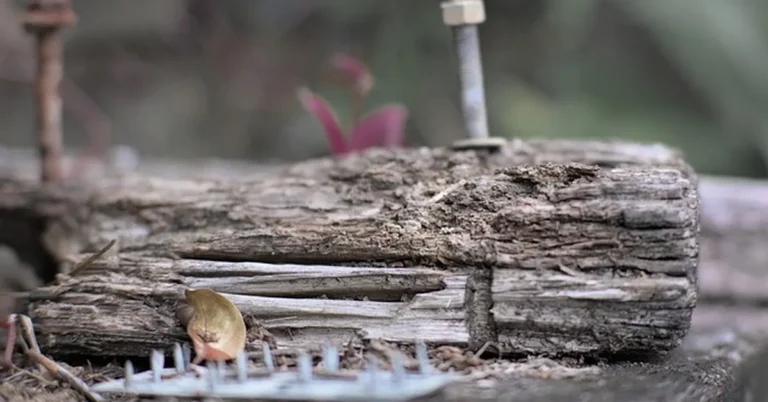
Nails can contract differently than deck wood, and that difference can create noise. Fasteners may shift, back out, or work against the board as temperatures change. One fix for a loose nail is to hammer it back in, but repeated movement means the connection needs a closer look.
Trapped moisture and ice
Moisture trapped in decking can freeze into ice and add pressure between materials. Ice can get trapped between joists and the deck, and that pressure may crack boards or make noise. If the sound appears after rain or snow followed by a freeze, ice is a strong suspect.
Joist movement and rubbing
Joists support the deck boards, and they can expand and contract too. When the frame moves, it can transmit pressure through the surface and create ice-cracking or rubbing noise. If several boards pop in the same area, the joist line may be part of the problem.
Frost heave and shifted supports
Frost heaving can push deck legs up and make a deck slope. That kind of movement is different from surface noise because it changes the position of the structure itself. A deck that now feels uneven, leans, or has opened joints needs more than a simple fastener fix.
Should you worry about frost heave?
Yes, if the deck has changed position. Frost heave can move footings, posts, or deck legs enough to shift the structure, and that is not the same as normal thermal noise. If the deck now slopes or pulls away from the house, treat it as a structural check, not a weather quirk.
How frost heave changes deck position
Frost heaving can push deck legs up, tip posts, or change alignment at the base. That movement can make a deck slope or create a twist in the frame. A pop tied to this kind of shift is a symptom of movement below the surface.
Simple checks for shifted footings or posts
Look at the gaps where posts meet beams, compare rail heights, and check whether steps or the deck surface now feel uneven. A long level can help you spot a new slope. If the deck has separated from the house or changed height at one corner, document it and stop guessing.
When movement calls for a contractor
Call a contractor when the deck slopes, the posts have visibly shifted, or the popping comes with soft spots, cracked framing, or loose connections you cannot correct from above. Structural movement is not a spring maintenance item. It needs a repair plan based on the cause.
Winter deck popping triage checklist
This checklist separates surface noise from likely damage. Use the symptom, likely cause, quick homeowner check, and when to call a pro to sort the problem before a freeze-thaw cycle makes it worse.
| Symptom | Likely cause | Quick homeowner check | When to call a pro |
|---|---|---|---|
| Single sharp pop during a cold snap | Normal thermal contraction | Check whether the deck stays flat and solid | If the sound becomes frequent or the deck changes shape |
| Popping near one board edge | Tight spacing or board rub | Look for rubbed finish, tight joints, or lifted edges | If boards split, lift, or stay in contact after thaw |
| Cracking after snow or rain | Trapped moisture that froze | Inspect for ice at seams and under boards | If boards crack, rot appears, or the area stays wet |
| Loose nail heads or shifting fasteners | Fastener movement | Check whether nails have backed out or screws have moved | If the fastener will not hold or several connections loosen |
| Deck now slopes or feels out of line | Frost heave or structural shift | Compare posts, rail height, and deck level | Any visible shift in supports or separation at the frame |
Yes/no decision path
Start with the sound itself. If the deck pops only during sharp cold and nothing else changed, it is likely thermal movement. If you see loose boards, backing-out fasteners, ice signs, or a slope, follow the damage path instead.
- Did the pop happen during a sharp temperature drop? If yes, go to the next question. If no, inspect for another source of movement.
- Are there visible gaps, lifted boards, or backed-out fasteners? If yes, treat it as a fastener or spacing issue.
- Do you see signs of ice or recent wetting followed by freezing? If yes, trapped moisture or ice is likely involved.
- Has the deck changed level, slope, or alignment? If yes, suspect frost heave or structural shift.
- Is the deck still flat, solid, and unchanged after thaw? If yes, the popping is more likely seasonal movement.
Frequently asked questions
Why is my deck popping in the cold?
Cold temperatures cause deck materials to contract, and that shrinkage can release stress with a pop. The sound may come from boards, nails, joists, or trapped ice. If the deck still looks straight and secure after a thaw, the noise is often seasonal rather than destructive.
Why does my wooden deck pop in the cold?
Wood decking contracts in cold weather, and nails can contract differently than deck wood. That mismatch can shift the fastener or make the board crack against it. A wooden deck may pop even when it is sound, especially during a sharp freeze after milder weather.
Is a popping deck in winter normal?
Yes, it can be normal when the sound is brief, tied to below-freezing temperatures, and not followed by visible movement. The concern rises when the popping repeats in one spot, the deck feels loose, or the surface changes after thaw. Then it needs a closer inspection.
What causes deck boards to crack or pop when temperatures drop?
Common causes include tight spacing, trapped moisture, fasteners that shift, and movement at the joists. Cold makes materials shrink and stress can release with a pop. Composite decking and vinyl decks are more likely to suffer from this problem, especially when spacing is too tight.
Does deck popping mean my deck is damaged?
Not necessarily. The issue is often not serious damage. Look for loose boards, backed-out fasteners, visible cracks after thaw, or a deck that now slopes. Those signs suggest more than normal winter movement and point toward repair rather than a wait-and-see approach.
Can frost heave make a deck pop or shift?
Yes. Frost heaving can push deck legs up and make a deck slope, which changes how the frame bears weight. That movement can create popping sounds too, but the key clue is structural change. If posts or footings have shifted, the problem is more than surface noise.
Sponsored / affiliate links. As an Amazon Associate I earn from qualifying purchases. I may earn additional commission from eligible campaigns.
 VICASKY 2PCS Small Wood Maintenance Beeswax Polish for Furniture Floors Natural Yellow Seasoning Wax for Crack Repair Surface Protection Food Safe Organic Formula Easy Application for
 BNUOK #12 x 6 in Multi-Purpose Wood Deck Screw for Interior and Exterior,Bugle Head,Golden Coated with T25 Bit Star Drive Torx for Furniture Building/Fence/Decking(5LBS,119Pcs)