How Much Do Drill Bits Cost? (Price Guide 2026)
The cost of drill bits varies widely. Factors include material, size, application, brand, and quantity. Prices can range from less than a dollar for basic bits to over $50 for specialized, high-performance sets. Understanding these elements helps you find the best value for your needs.
Understanding Drill Bit Costs
Drill bits are essential tools. They help you make holes. The price you pay depends on many things.
It’s not just about the size. The material the bit is made from matters a lot. So does what you plan to drill through.
What brand you choose also plays a part. We’ll look at each of these.
What Makes Drill Bits Expensive (or Cheap)?
Think about what makes any tool cost money. It’s usually the quality of the materials. It’s also how well it’s made.
Drill bits are no different. Better materials mean they last longer. They also work better.
Cheap bits might wear out fast. They can also break easily. This costs you more money in the long run.
Plus, they can be dangerous.
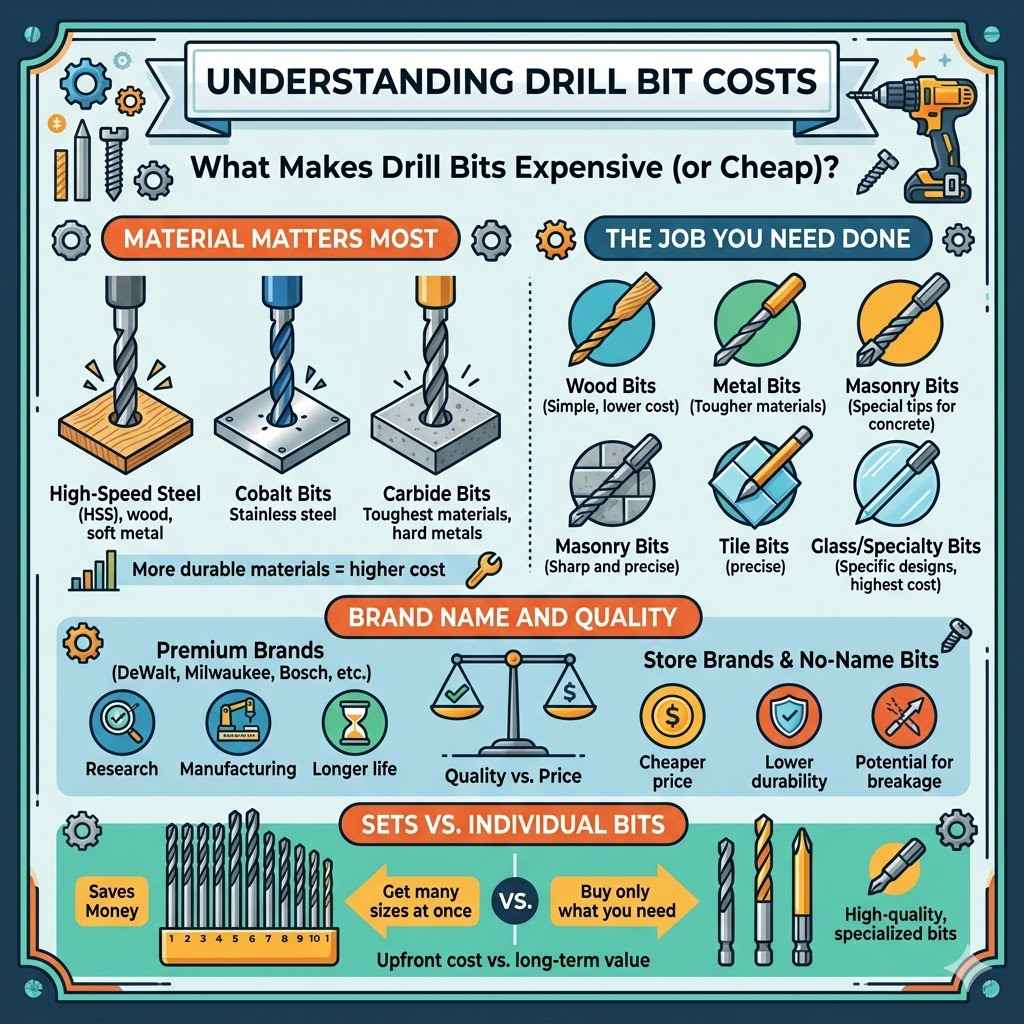
Material Matters Most
The metal used for a drill bit is key. Most bits are made from steel. But there are different kinds.
High-speed steel (HSS) is common. It’s good for wood and soft metals. Cobalt bits are tougher.
They can drill harder metals like stainless steel. Carbide bits are even harder. They’re best for tough jobs.
These materials cost more. So, bits made from them will cost more too.
The Job You Need Done
What are you drilling into? This changes the bit you need. Wood bits are often simple.
Metal bits need to be tougher. Masonry bits have special tips for concrete. Tile bits need to be sharp and precise.
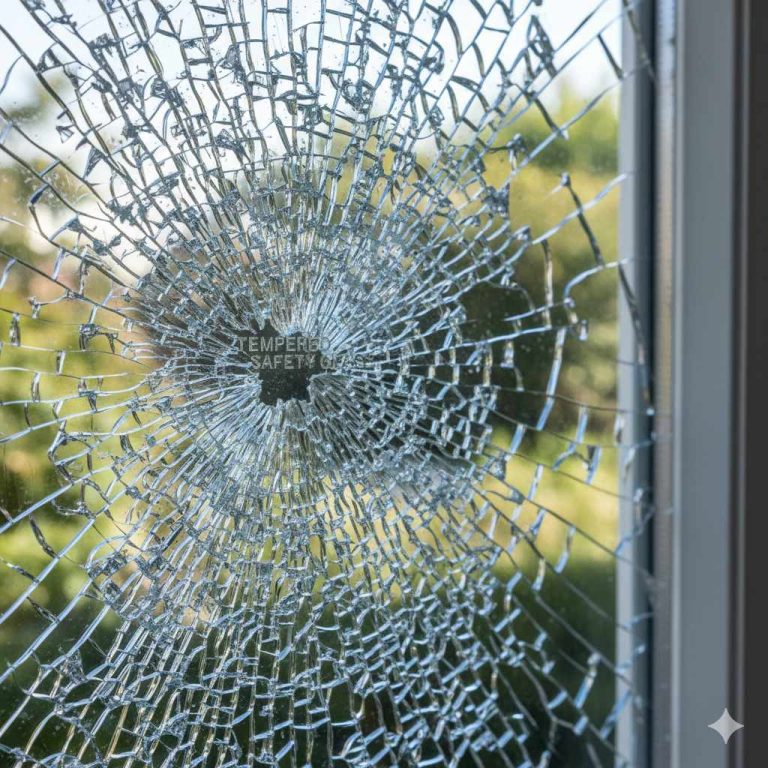
Drilling through glass needs very specific bits. Bits designed for tough materials cost more. This is because they need stronger materials and special designs.
Brand Name and Quality
Some brands are known for quality. They spend more on research. They use better manufacturing.
These brands often cost more. But their bits usually last longer. You can trust them more.
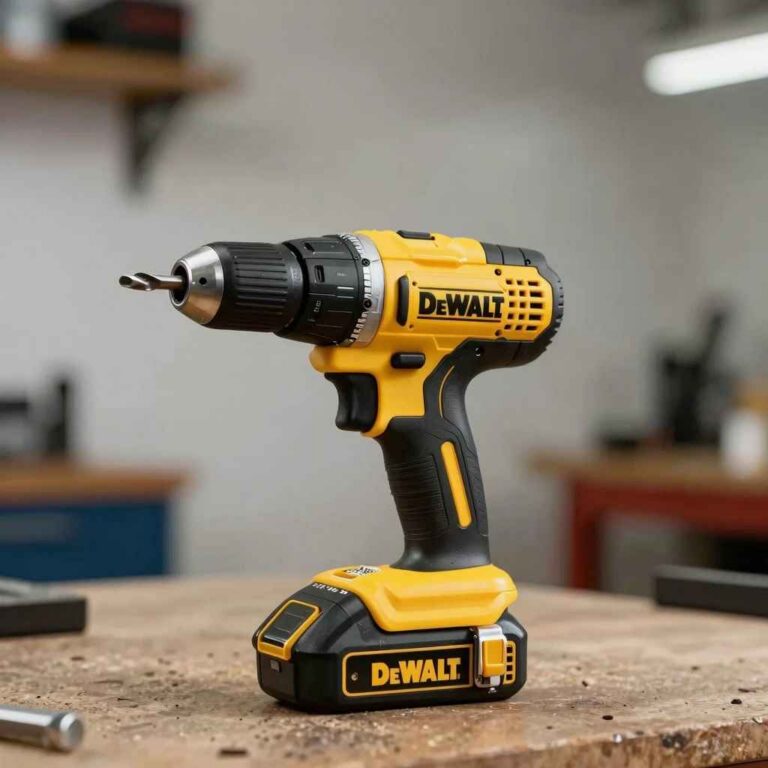
Think of names like DeWalt, Milwaukee, or Bosch. You might also find store brands or no-name bits. These are often cheaper.
But their quality might be lower.
Sets vs. Individual Bits
Buying a set of drill bits can save money. You get many sizes at once. It’s often cheaper than buying each bit alone.
However, a set might have bits you don’t need. Sometimes, buying just the few bits you use most makes more sense. High-quality, specialized bits are often sold one at a time.
They cost more upfront.
Drill Bit Price Ranges: A Detailed Look
Let’s break down the costs by type and use. This will give you a clearer picture. Prices can change.
But this gives you a good idea for 2026.
Common Drill Bit Types and Their Costs
Wood Drill Bits: These are usually the most affordable. They have sharp points. They are made for soft materials like wood.
A basic set of 5-10 wood bits might cost $10 to $30.
Metal Drill Bits: These need to be stronger. They are often made from HSS or cobalt. A small set of metal bits can start around $15.
Good quality cobalt sets for tough metals can be $40 to $100 or more.
Masonry/Concrete Drill Bits: These have a carbide tip. They are made to chip away at hard materials. A single masonry bit might cost $5 to $15.
A set of 5-7 bits could be $30 to $70.
Specialty Bits: Bits for glass, tile, or other hard surfaces are priced differently. A good glass drill bit can be $10 to $25. Specialized multi-material bits often cost $15 to $40 each.
The Impact of Size and Quantity
Bigger bits cost more. This is simple physics. More material is used.
They also need to be stronger to handle the stress. A tiny 1/16 inch bit might cost under a dollar. A large 1-inch bit could cost $10 or more.
Sets are a great way to get many sizes. A large set with 50 or more bits can range from $50 to $200.
Individual Bit Pricing Examples
Let’s look at some specific examples. This helps you see the range.
Price Examples for Individual Drill Bits (Approximate 2026)
| Bit Type | Size | Material/Coating | Approximate Price |
|---|---|---|---|
| Wood Twist Bit | 1/4 inch | HSS | $2 – $5 |
| Metal Twist Bit | 1/8 inch | Cobalt | $3 – $7 |
| Masonry Bit | 3/8 inch | Carbide Tip | $7 – $15 |
| Glass/Tile Bit | 1/2 inch | Tungsten Carbide | $12 – $25 |
| Large Auger Bit (Wood) | 1 inch | Steel | $10 – $20 |
Drill Bit Set Pricing
Sets are very popular. They offer good value. Here’s what you might expect to pay.
Drill Bit Set Price Ranges (Approximate 2026)
- Small Basic Sets (5-10 bits): Good for very light DIY. Often for wood. Cost: $10 – $25.
- Medium General Purpose Sets (15-30 bits): A good mix for home use. Wood, metal, masonry. Cost: $30 – $70.
- Large Comprehensive Sets (50+ bits): For serious DIYers or small shops. Many sizes and types. Cost: $70 – $200+.
- Specialty Sets (e.g., Cobalt Metal Bits): Focused on a specific task. Higher quality materials. Cost: $50 – $150+.
Factors That Add to the Cost
Beyond the basic material and type, other things affect price. These can make a good bit cost a lot more. But they often mean better performance.
Coatings and Treatments
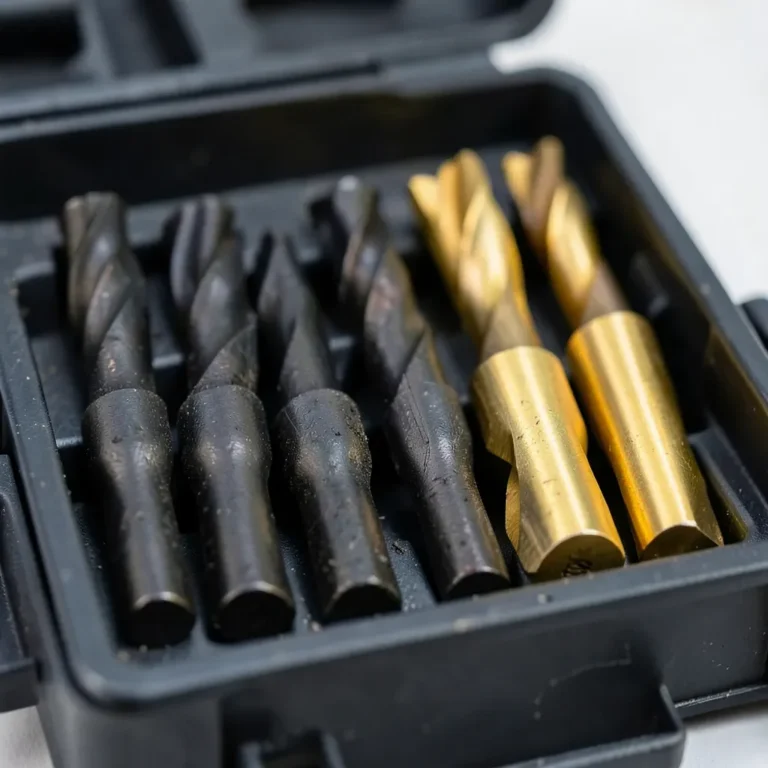
Some bits have special coatings. Black oxide is common. It adds some rust resistance.
It also helps bits run cooler. Titanium nitride (TiN) is another coating. It’s yellow and very hard.
It makes bits last much longer. Especially when drilling metal. These coatings add to the manufacturing cost.
So, coated bits cost more. A set of titanium-coated bits will cost more than plain HSS bits.
Specific Bit Designs
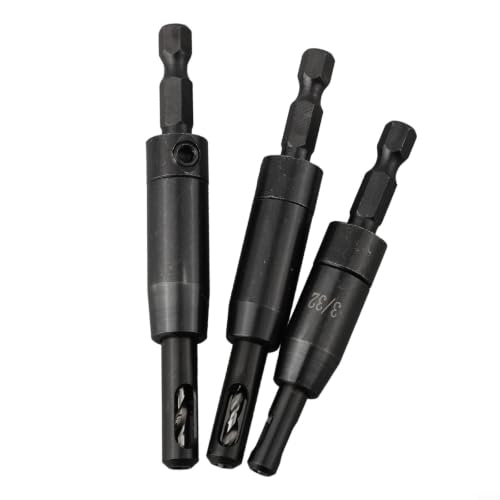
Not all bits are simple twist shapes. Some have unique designs. Forstner bits make flat-bottomed holes.
Hole saws cut large openings. Spade bits (or paddle bits) are for quick wood drilling. These specialized shapes require more complex manufacturing. See our full auger vs spade bit comparison for which one actually fits your project.
This makes them more expensive. A single Forstner bit can cost $15 to $50. A hole saw kit might be $30 to $100.
Manufacturer Reputation and Warranty
Well-known brands invest in quality. They also offer good warranties. If a bit breaks or fails early, a good warranty means you get a replacement.
This peace of mind is valuable. Brands like Milwaukee, Bosch, and DeWalt are trusted. They cost more.
But they often last longer and perform better. Cheaper brands might not have a warranty. Or the warranty might be hard to use.
Where You Buy Matters
The store you choose impacts the price. Big box hardware stores. Online retailers like Amazon.
Specialty tool shops. Each has different pricing. Online often has lower prices due to less overhead.
But you can’t always feel the quality. Local tool shops might be more expensive. But they can offer expert advice.
Think about sales and discounts too.
Quick Price Comparison: Brand vs. Generic
Myth: All drill bits perform the same if they look similar.
Reality: Brand name bits often use higher-grade steel. They have better heat treatment. Coatings are applied more evenly.
This leads to longer life and cleaner holes. While generic bits might be cheaper upfront, they can break sooner. They might dull faster, making drilling harder.
Always check reviews if considering a less-known brand.
My Experience: The Day I Bought the Wrong Bits
I remember one Saturday morning. I was excited to build a new bookshelf. I had the wood.
I had the plans. I even had my trusty drill. But I quickly realized I was missing some crucial drill bits.
I needed to make pilot holes for screws. I also needed a hole for a dowel. I rushed to the nearest big box store.
I saw a bright, cheap-looking set of drill bits. It had dozens of bits. The price was incredibly low.
I thought, “Great deal!” I grabbed it and headed home.
The first few pilot holes were okay. But then I hit a knot in the wood. The bit just spun.
It didn’t bite. It started to smoke a little. I pushed harder.
Suddenly, the bit snapped. It broke off inside the wood. Now I had a bigger problem.
Frustrated, I tried a different bit from the set. It was supposed to be for hardwood. But it just made a messy, ragged hole.
The dowel didn’t fit right. I spent the rest of the day fighting with my tools. I ended up having to buy better quality bits from a specialty store.
That cheap set cost me more in wasted time and frustration than if I had bought good bits from the start.
That experience taught me a lot. Sometimes, spending a little more upfront saves you a lot later. I learned to check the material.
I looked for brands I trusted. And I understood that a bit designed for metal might not work well in wood, and vice-versa. Now, I always try to buy bits suited for the job.
It makes all the difference.
When Is It Worth Spending More?
It’s not always about the cheapest option. Sometimes, paying more for drill bits is smart. Here’s when to consider it.
For Frequent or Tough Jobs
If you drill holes often, or drill through hard materials regularly, invest in good bits. Professional-grade bits are made to last. They handle heat better.
They stay sharp longer. Think about contractors. They need tools that won’t fail them on a job site.
For them, better bits are a necessity.
For Precision and Cleanliness
When you need very clean, precise holes, quality matters. Cheap bits can wander. They can chip or split materials.
Especially with delicate woods or brittle tiles. High-quality bits cut cleanly. They provide smooth, accurate results.
This is important for furniture making, cabinetry, or detailed projects.
For Safety
A drill bit breaking under pressure can be dangerous. It can send metal fragments flying. It can cause your drill to bind or kick back.
Good quality bits are made to withstand stress. They are less likely to fail unexpectedly. This makes them a safer choice.
Contrast: Normal vs. Concerning Drill Bit Behavior
Normal Behavior:
- Smooth entry into the material.
- Creates shavings or dust.
- Requires moderate pressure to advance.
- Hole is the size of the bit.
Concerning Behavior:
- Bit skates or walks across the surface.
- Generates excessive heat or smoke.
- Requires extreme force to drill.
- Bit seems to melt or deform.
- Bit breaks or chips during use.
- Hole is significantly larger or smaller than expected.
Quick Fixes and Tips for Drill Bit Care
Even the best drill bits need care. Taking care of them can make them last longer. And save you money.
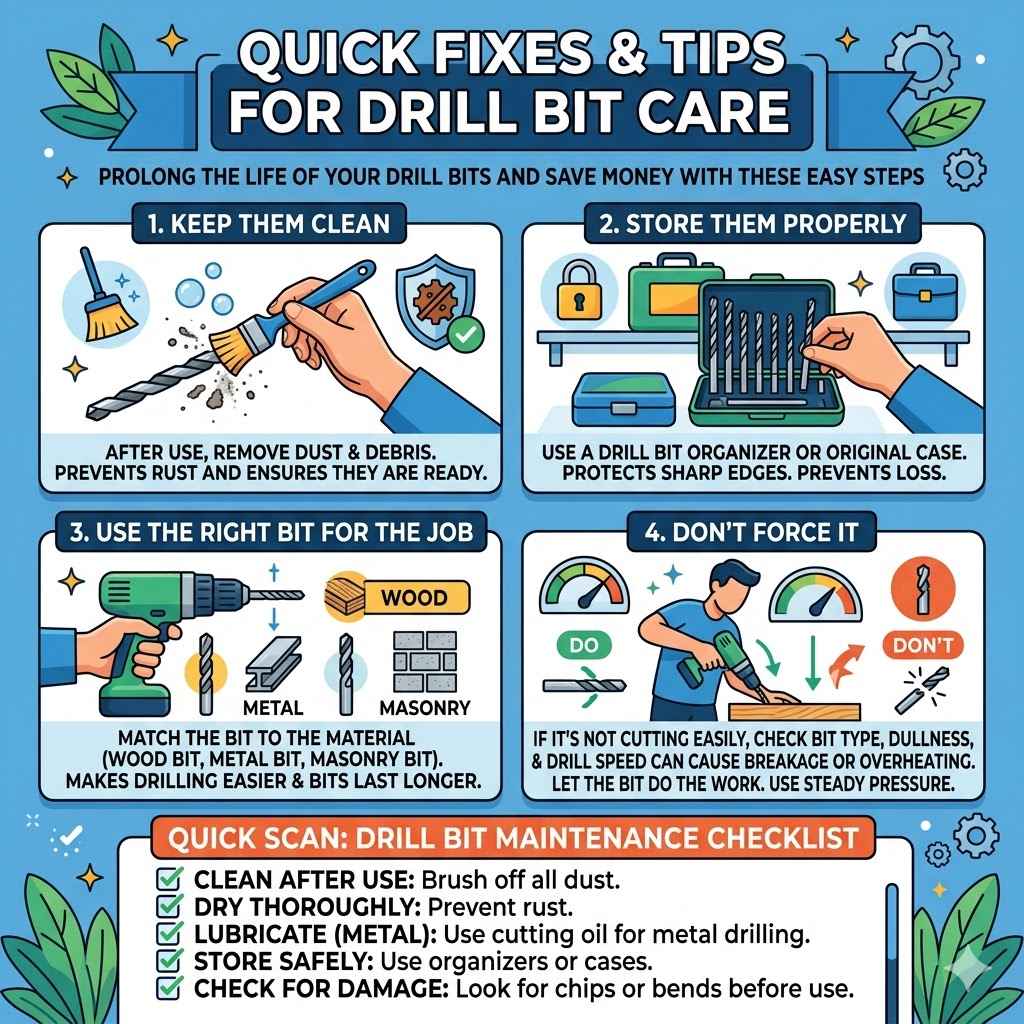
Keep Them Clean
After use, clean your drill bits. Remove any dust or debris. This prevents rust.
It also ensures they are ready for the next job. A brush works well for this.
Store Them Properly
Don’t just toss them in a drawer. Use a drill bit organizer. Or keep them in their original case.
This protects the sharp edges. It also keeps them from getting lost. This is especially important for sets.
Use the Right Bit for the Job
This is the most important tip. Using a wood bit on metal will dull it fast. Using a masonry bit on wood will create a huge, messy hole.
Match the bit to the material. This makes drilling easier. And it makes the bit last longer.
Don’t Force It
If a bit isn’t cutting easily, check a few things. Is it the right bit? Is it dull?
Is your drill speed too high or too low? Forcing a bit can cause it to break or overheat. Let the bit do the work.
Use steady pressure.
Quick Scan: Drill Bit Maintenance Checklist
- Clean After Use: Brush off all dust.
- Dry Thoroughly: Prevent rust.
- Lubricate (Metal): Use cutting oil for metal drilling.
- Store Safely: Use organizers or cases.
- Check for Damage: Look for chips or bends before use.
Frequently Asked Questions About Drill Bit Costs
Are expensive drill bits worth the money?
Often, yes. Higher-priced drill bits are usually made from better materials. They have superior heat treatment.
They might also have special coatings. This means they last longer. They cut cleaner and faster.
They are also safer. For frequent use or tough jobs, they are a good investment.
How much should I expect to pay for a basic set of drill bits for home use?
For a basic set suitable for general home DIY, you can expect to pay between $30 and $70. This usually includes a good mix of bits for wood, metal, and masonry in common sizes.
Can I use a wood drill bit on plastic?
Yes, generally you can use a wood drill bit on plastic. Plastic is softer than most hardwoods. A standard twist bit works well.
Just be careful not to use too much speed. Too much speed can melt the plastic. This can create a messy hole.
What is the difference between HSS and Cobalt drill bits?
HSS (High-Speed Steel) is standard for many drill bits. It’s good for wood, soft metals, and plastics. Cobalt bits are made from HSS with added cobalt.
This makes them harder and more heat-resistant. They are best for drilling tough metals like stainless steel and cast iron.
How do I know if a drill bit is high quality?
Look for good brands known for quality tools. Check the material – cobalt and carbide are premium. The bit should feel solid.
The cutting edges should be sharp and even. Coatings like titanium nitride (TiN) or black oxide often indicate better quality. Read reviews from other users.
Are drill bit prices going up in 2026?
Like many tools and materials, drill bit prices can be affected by global supply chains, raw material costs, and inflation. While specific price increases are hard to predict, it’s reasonable to expect prices to be similar to or slightly higher than in previous years due to ongoing economic factors.
Conclusion
Understanding drill bit costs is about value. It’s not just the price tag. It’s about how long the bit lasts.
How well it performs. And if it’s the right tool for the job. For simple tasks, less expensive bits might be fine.
But for frequent or demanding work, investing in quality pays off. Consider the material, the intended use, and the brand. This will help you make smart choices.
And get the most for your money.
Sponsored / affiliate links. As an Amazon Associate I earn from qualifying purchases. I may earn additional commission from eligible campaigns.