BCX vs RTD Plywood: Which Option Suits Your Project?
Choosing the right building materials can feel tricky, especially when you’re just starting out. Figuring out the difference between BCX vs RTD Plywood: Which Is Right for You? is a common challenge for many beginners. Don’t worry, it’s simpler than you might think! This guide will break down the key differences and help you pick the best plywood for your project step-by-step. Get ready to explore the details and become a plywood pro!
What is BCX Plywood? Exploring Its Traits
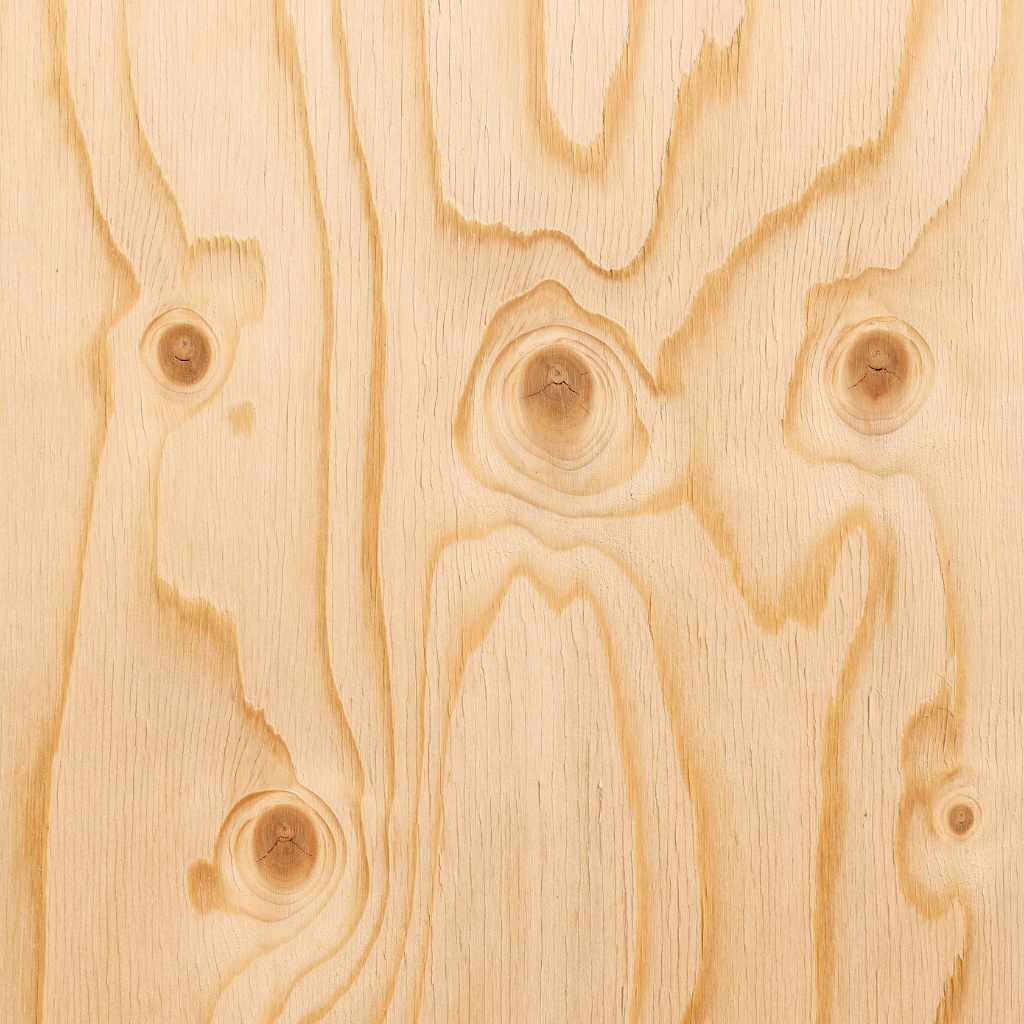
BCX plywood is a popular choice in construction and woodworking, known for its versatility. The “BC” in its name refers to the grade of its faces. One side is graded “B,” which means it has a solid surface, suitable for painting or staining with minimal imperfections. The other side is graded “C,” which often has small knots or repairs, making it appropriate for applications where appearance is less of a concern. The “X” indicates the type of glue used, signifying that it’s exterior-grade glue, making it suitable for some outdoor applications, like protected structures.
BCX Plywood Composition and Manufacturing
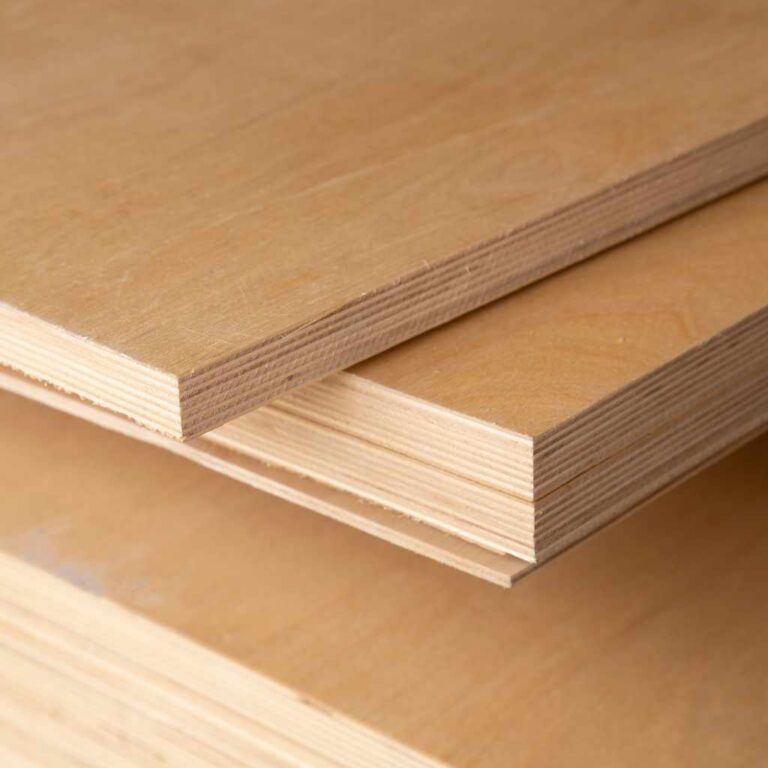
The manufacturing process of BCX plywood involves several crucial steps. First, veneers (thin sheets of wood) are peeled from logs and then dried. Next, these veneers are graded, with the best-looking ones assigned to the “B” face and the less perfect ones to the “C” face. These are then layered with the grain of each layer alternating to increase strength and stability. The layers are then bonded together with waterproof, exterior-grade glue under high pressure and heat. This method results in a strong, stable sheet that resists warping and cracking. This construction is a key part of what makes BCX plywood such a widespread choice.
- Veneer Quality: The “B” face is generally free from defects, allowing for smooth finishes. This side can be painted or stained for a more polished look. The “C” face can have knots, knotholes, and other imperfections.
- Exterior Grade Glue: This glue is designed to resist moisture, meaning it holds up well in some exterior applications where the plywood is protected from the elements. This type of glue ensures that the layers remain bonded even when exposed to damp conditions.
- Layering Technique: The layers are placed with the grain of each sheet perpendicular to the one beneath it. This alternating pattern boosts strength and helps prevent warping, making the plywood stable.
Typical Applications for BCX Plywood
BCX plywood’s balanced qualities make it useful in many projects. The smooth “B” face suits applications where appearance matters, such as cabinets, shelving, and furniture. Its strength and stability also make it a reliable choice for structural uses. Because of its moisture resistance, it can be used for things like the sides of a shed or other structures that won’t be directly exposed to rain. This versatility makes BCX plywood a common choice for both experienced and new builders alike.
- Interior Cabinetry: The “B” face is perfect for the visible parts of cabinets, ready for paint or stain.
- Shelving: Its flat, even surface creates a great base for shelves in closets or storage areas.
- Furniture Components: BCX plywood can be used for the sides of tables or other parts of furniture.
- Outdoor Projects (Protected): It’s suited for parts of sheds or other covered outdoor builds where it isn’t directly exposed to rain or sun.
Diving Into RTD Plywood and Its Special Features
RTD plywood, also known as “ready-to-dry” plywood, is pre-primed and ready to accept paint. This saves significant time and effort, as the painting prep is already taken care of. It generally offers a smooth surface, ideal for projects where a flawless finish is important. While not suitable for heavy-duty structural applications like framing, RTD plywood offers convenience and efficiency. Its design is for ease of use. It is great for any building project where time is a consideration and a finished look is desired.
RTD Plywood’s Unique Qualities
RTD plywood stands out due to its pre-primed surface, making it ready to paint immediately. This is achieved by applying a primer coating during the manufacturing process. This coating gives a smooth surface. It also helps paint adhere evenly, which leads to better results. The type of plywood used for RTD is often an AC or BC grade plywood, where AC grade means one side has an ‘A’ grade veneer for a superior surface finish. RTD’s special features save significant time and effort, as it eliminates the need for prepping the surface before painting. This feature makes it popular in projects where speed and efficiency are important.
- Pre-Primed Surface: Ready to paint immediately, saving on prep time and effort.
- Smooth Finish: Great for projects where a perfect look is key.
- Consistent Paint Adhesion: The pre-primer is designed for a uniform paint coat.
- Ease of Use: Suitable for DIY projects due to the streamlined process.
Where RTD Plywood Works Best
RTD plywood is often the best choice for projects where painting is necessary, and you want to reduce preparation time. Its easy-to-use nature suits both professional and DIY projects. This option is great for interior uses, where the primed surface and clean finish are most advantageous. The convenience and quality of finish can make RTD a top pick for projects like wall paneling. This plywood excels when a finished appearance and time savings are priorities.
- Wall Paneling: The smooth surface is perfect for a finished, painted look.
- Interior Doors: Ready-to-paint doors can save a lot of work.
- Trim and Molding: Ideal for paint-grade trim with a consistent finish.
- DIY Projects: Suitable for DIY projects due to its ease of use and time savings.
Making the Right Choice: Comparing BCX and RTD Plywood
Choosing between BCX vs RTD Plywood: Which Is Right for You? depends on your project needs. BCX plywood is known for its versatility, offering a balance of appearance and structural integrity. RTD plywood is the best selection if time-saving and a painted finish are top priorities. Let’s look at a side-by-side view of these two choices.
| Feature | BCX Plywood | RTD Plywood |
|---|---|---|
| Surface Finish | One side “B” grade, generally smooth; other side “C” grade with some imperfections. | Pre-primed for a smooth, paint-ready surface. |
| Intended Use | General construction, cabinetry, shelving, some protected outdoor projects. | Interior projects requiring a painted finish, like wall paneling and trim. |
| Time Commitment | Requires priming and possibly sealing before painting. | Ready to paint, saving prep time. |
| Water Resistance | Exterior glue offers some moisture resistance. | Varies by the core plywood used. |
| Price | Generally more cost-effective. | Often a little more expensive. |
Performance Comparison: BCX vs RTD Plywood
The performance of BCX and RTD plywood differs in key areas. BCX plywood, thanks to its construction with exterior-grade glue, can endure some moisture, making it useful in partly covered outdoor applications. Its layered design also gives it good strength, making it suitable for structural elements. RTD plywood, designed for the interior, offers a smooth surface, ready for painting. This feature improves the project’s appearance while cutting down on preparation time. You can weigh each option against your project’s needs.
- Strength and Durability: BCX plywood’s construction gives it better structural qualities and durability.
- Moisture Resistance: BCX, with exterior glue, provides better protection in slightly wet conditions.
- Surface Quality: RTD’s pre-primed surface offers a more ready-to-paint finish.
- Cost: BCX is usually more cost-effective. RTD may be slightly more expensive due to its pre-primed surface.
Here’s a comparison of material costs. Assuming a standard 4×8 foot sheet, BCX plywood typically costs between $30 and $50. RTD plywood can range from $40 to $70. These numbers may vary based on market conditions, the specific grade, and the manufacturer.
Project Scenario Examples
Consider real-world scenarios to illustrate the best use cases for each plywood type. These examples demonstrate the differences between BCX vs RTD Plywood: Which Is Right for You? and show you how to choose.
- A homeowner is building a shed for their garden. They need plywood that will be partly exposed to the weather. In this case, BCX plywood is ideal because it is durable and offers some moisture resistance. Its strength is also good for building the shed’s structure.
- An interior designer is working on a home renovation, installing new wall paneling and trim. The project requires a smooth, painted finish. RTD plywood is the best option because it comes pre-primed, which greatly reduces preparation time and labor costs.
How to Decide Between BCX and RTD Plywood
Making the right choice between BCX vs RTD Plywood: Which Is Right for You? depends on your project’s goals. Consider factors such as use, finish, and budget. If you need structural integrity and some weather resistance, then BCX plywood might be your choice. For easy painting and a quick finish, RTD plywood offers the best solution. Taking the time to consider these factors can help make your building endeavors successful.
Key Factors to Consider
When choosing, reflect on the following: project location, desired finish, and budget limitations. The location dictates the required moisture resistance, with outdoor projects generally favoring BCX. The finish desired steers you toward RTD plywood, which saves time. Lastly, your budget affects which plywood you choose, with BCX plywood usually being more budget-friendly. Careful planning in these areas will ensure a successful project.
- Intended Use: Think about where the plywood will be used. Will it be indoors or outdoors? Will it be exposed to moisture or extreme conditions? This will influence the plywood’s grade and construction.
- Surface Finish: Consider whether you need a smooth surface for painting or if you have specific aesthetic goals. RTD plywood helps save time when you need to paint a surface.
- Budget: Evaluate the costs of materials, including not just the price of the plywood but also the costs associated with painting or prepping. BCX might be a little more affordable but require more effort.
Step-by-Step Decision Making
Here’s a simple process to follow. Ask yourself questions about what you’re building. You’ll assess the environment and the finish you want. Then, consider these steps to help you decide which to use. This can make the process simpler and your building endeavors more successful.
- Define the Project: Briefly explain your project and what it involves. What is the intended use of the plywood? Consider whether the project will be inside or outside.
- Assess Environmental Conditions: Check if the plywood will be exposed to moisture, sun, or temperature changes. Does it require water-resistant qualities? Is a moisture resistant glue necessary?
- Evaluate Finishing Needs: If painting, consider if you want a ready-to-paint surface to cut down on time. If staining, assess the surface quality for the best appearance.
- Compare Costs: Compare the material costs and any extra costs for preparation like priming and sealing. Look at all factors of the total project.
- Make a Choice: Based on your answers to the questions, make your decision. For projects needing structure and some weather resistance, choose BCX plywood. For ease of painting and a perfect finish, choose RTD plywood.
Frequently Asked Questions
Question: What is the main difference between BCX and RTD plywood?
Answer: The major difference is that BCX plywood comes in different surface grades, offers some protection against moisture, and requires painting prep. RTD plywood is pre-primed, ready to paint immediately, and designed for interior projects.
Question: Can I use RTD plywood outdoors?
Answer: RTD plywood is generally for interior use. The pre-primed surface may not resist the weather. For outdoor projects, BCX plywood, with exterior-grade glue, is more suitable.
Question: Is BCX plywood good for painting?
Answer: Yes, BCX plywood can be painted, especially the “B” face, which offers a smooth surface. It will need priming before painting for best results.
Question: Does RTD plywood save money?
Answer: While RTD plywood can be slightly more expensive, it can save you money. It will cut down on labor costs and time due to the pre-primed surface.
Question: Which plywood is best for furniture?
Answer: BCX plywood can be a great choice for furniture. The “B” face provides a smooth surface. RTD plywood can be ideal for quick finishing if a painted surface is desired.
Final Thoughts
So, which one wins in the battle of BCX vs RTD Plywood: Which Is Right for You? The answer, as you can see, really depends on what you’re building! BCX plywood is your go-to for many general construction needs and where some level of moisture resistance and structural soundness are needed. RTD plywood steps in when a smooth, paint-ready surface is a priority, saving you time and effort. Now that you have a clear picture of what makes each type of plywood special, you’re well-equipped to make the right choice for your next project. Grab your tools, pick the right plywood, and start building. Remember to measure twice, cut once, and enjoy the process!