Cedar vs Redwood: Heart Grades, Rot Ratings and Sourcing Compared
Redwood is harder and stiffer than western red cedar, but both reach a “very durable” rot rating, and only in heartwood. Redwood scores 450 lbf on the Janka scale against cedar’s 350, yet a sapwood-heavy redwood grade lacks the decay resistance of heartwood. This guide compares the two side by side, decodes redwood’s “Heart” grades and cedar’s clear and knotty grades, and sends you to the right page for decking, fences and cost.
Cedar vs Redwood: The Short Answer
Best Cedar and Redwood Oil Pick
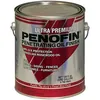 |
Penofin Red Label Clear Penetrating Oil Finish, 1 Gallon ($55.64) Whichever species you pick, bare boards gray out in the weather, as the finishing section below explains. A clear penetrating oil keeps the natural cedar or redwood color instead of hiding it behind pigment.
|
As an Amazon Associate we earn from qualifying purchases.
Pick western red cedar when you want the lighter, cheaper, easier-to-handle board and can live with a softer surface. Pick redwood when you want a bit more hardness and stiffness and are willing to pay mid-to-upper prices for it. In both cases, buy the heartwood grade for anything that touches damp ground. The figures below come from the Wood Database pages for western red cedar and coast redwood.
| Property | Western red cedar | Coast redwood |
|---|---|---|
| Janka hardness | 350 lbf | 450 lbf |
| Dried weight | 23.0 lb/ft3 (370 kg/m3) | 26 lb/ft3 (415 kg/m3) |
| Modulus of rupture | 7,500 lbf/in2 | 8,950 lbf/in2 |
| Elastic modulus | 1,110,000 lbf/in2 | 1,220,000 lbf/in2 |
| Crushing strength | 4,560 lbf/in2 | 5,690 lbf/in2 |
| Shrinkage (radial / tangential / volumetric) | 2.4% / 5.0% / 6.8% | 2.4% / 4.7% / 6.9% |
| Heartwood color | Reddish to pinkish brown, darker streaks | Light pinkish brown to deep reddish brown |
| Rot resistance (heartwood) | Durable to very durable | Moderately durable to very durable |
| Price tier | Moderately inexpensive for construction grades | Mid to upper range for construction grades |
| IUCN status | Least Concern | Endangered |
What the numbers actually say. Redwood is about 29 percent harder than cedar, roughly 19 percent stronger in bending and about 25 percent stronger in crushing, with a density only about 13 percent higher. That is a real but modest gap. The shrinkage figures are almost identical, so neither wood is meaningfully more stable than the other once it is dry.
Redwood “Heart” Grades vs Cedar Grades: Where the Real Difference Is
Most cedar-versus-redwood articles compare species and stop. The bigger factor is the grade stamped on the board. According to the redwood grade guide from Redwood Lumber Co, which summarizes the Redwood Inspection Service rules, redwood is graded by appearance and by color, and all heartwood grades of redwood have the word Heart in the grade name. Heartwood carries the decay-resistant extractives. The cream-colored sapwood does not.
| Redwood grade | Contains sapwood? | Intended use per the grade guide |
|---|---|---|
| Clear All Heart | No (heartwood) | Finest architectural grade: siding, trim, paneling, fine decks |
| Heart B | No (heartwood) | Quality siding, trim, decking and above-ground outdoor use |
| Deck Heart / Construction Heart | No (heartwood) | Decks, posts, retaining walls, fences, especially on or near soil |
| Merchantable Heart | No (heartwood) | Economical grade for fences, retaining walls and garden structures |
| Clear / B Grade | Yes | Above-ground use where decay risk is low |
| Deck Common / Construction Common | Yes | Decking and fence boards that do not need heartwood durability |
| Merchantable | Yes | Above-ground fence boards, rails and garden uses |
The same guide says that for posts, bulkheads and anything on or near soil, you should use one of the heartwood grades, while the sapwood-containing grades suit above-ground construction where decay and insects are little threat. In practice that means a bargain “redwood” fence board from a Common grade is a different product from a Heart B board, even though the species name is the same.
Cedar grading works on the same logic but with different names. The Western Red Cedar Lumber Association’s specification brochure describes Clear Vertical Grain Heart as the top bevel-siding grade, with a smooth face of decay-resistant heartwood, and describes Architect Clear decking as a premium, usually made-to-order product. The same brochure says western red cedar has a low percentage of sapwood. Cedar is also sold in knotty grades, which look more rustic.
Three Cedar vs Redwood Myths Worth Dropping
Myth 1: Redwood is always more rot resistant
The ratings overlap. Western red cedar is rated durable to very durable and redwood moderately durable to very durable, so the top of each range is the same. Redwood’s low end is actually lower than cedar’s. A heartwood grade of either wood beats a sapwood grade of the other, which is why the grade matters more than the species label.
Myth 2: Cedar is the tougher, denser wood
Cedar’s strong smell and rustic looks give it a tough reputation, but the Wood Database lists it as extremely low in hardness and notes that it dents and scratches very easily. If boards will see foot traffic, furniture legs or ladders, redwood’s higher hardness helps. For a surface that rarely gets hit, such as siding, the difference is mostly academic.
Myth 3: The redwood numbers are fixed
The Wood Database lists separate figures for old-growth and second-growth redwood, and they differ:
| Wood | Dried weight | Janka hardness | Modulus of rupture |
|---|---|---|---|
| Old-growth redwood | 28 lb/ft3 | 480 lbf | 10,000 lbf/in2 |
| Second-growth redwood | 24 lb/ft3 | 420 lbf | 7,900 lbf/in2 |
| Western red cedar (for comparison) | 23.0 lb/ft3 | 350 lbf | 7,500 lbf/in2 |
Second-growth redwood at 420 lbf is only 70 lbf harder than cedar, and its bending strength of 7,900 lbf/in2 sits close to cedar’s 7,500. The headline gap between the two woods is largest only when the comparison uses old-growth redwood, so check which kind a supplier is quoting.
Where Each Wood Fits: Decking, Fences, Siding and Planters
Because this page covers the species and grades, the project-specific questions have their own guides, so you do not have to hunt through this one:
- Decking: see cedar vs redwood decking for span, grade and surface-wear details, and best cedar for decking for cedar species choices.
- Fences: cedar vs redwood fencing covers pickets, rails and posts, and cedar vs pressure treated wood adds the treated-lumber option.
- Cost: cedar vs redwood cost breaks down prices, and redwood deck lumber prices focuses on redwood decking boards.
- Planters and small projects: what wood to use for outdoor planters compares cedar, redwood and teak.
- Pressure-treated alternative: pressure treated lumber vs redwood weighs chemical treatment against natural durability.
For siding, trim and shingles, the two woods behave similarly, so the choice usually comes down to color, price and regional availability. For anything in ground contact, the grade rule above matters far more than which species you chose.
Fasteners and Finishing for Cedar and Redwood
Cedar reacts with ordinary steel. The Wood Database notes that iron-based fasteners can stain and discolor cedar, and the Western Red Cedar Lumber Association brochure says hot-dipped galvanized, aluminum and stainless steel fasteners are corrosion-resistant choices, while other nails can rust and disintegrate in cedar. Those three fastener types are a sensible default for redwood too, and they cost little compared with black streaks around every nail.
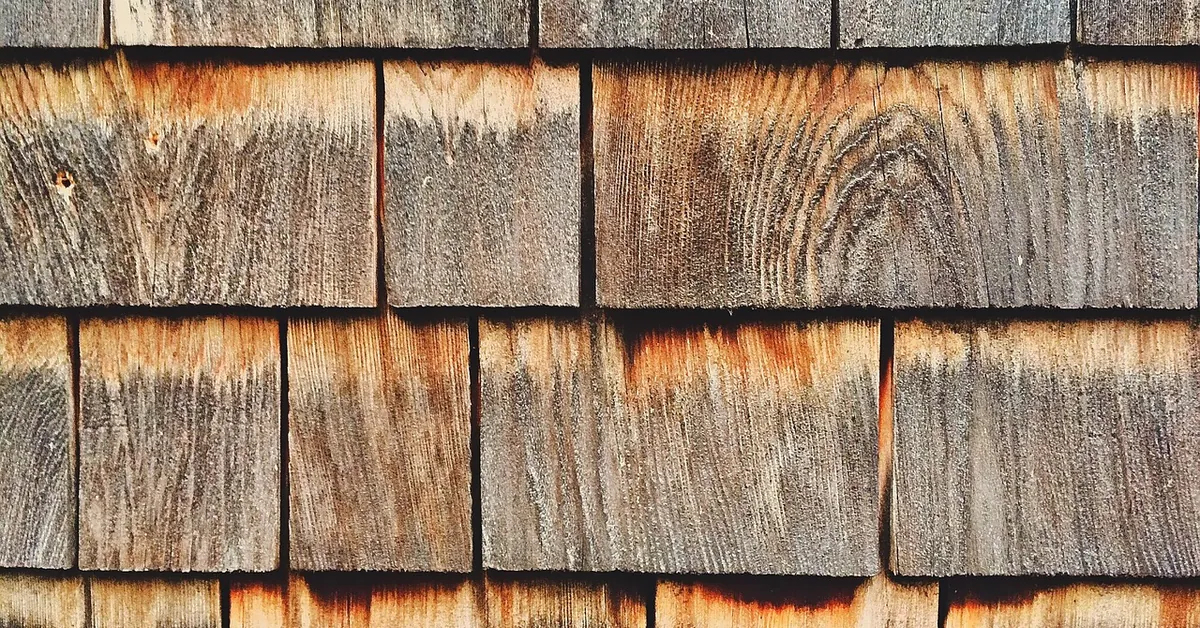
Unfinished boards of both species weather to gray. That is a surface change, not rot, but it does mean the color you saw at the lumber yard will not last. A penetrating oil like the one in the pick above slows graying; reapply it according to the label. For redwood, our guide on how to treat redwood for outdoor use covers sealers, stains and preservatives. For cedar, does cedar stain well and does cedar wood rot fill in the rest, and what color redwood is explains how its tone varies.
Sustainability and Availability
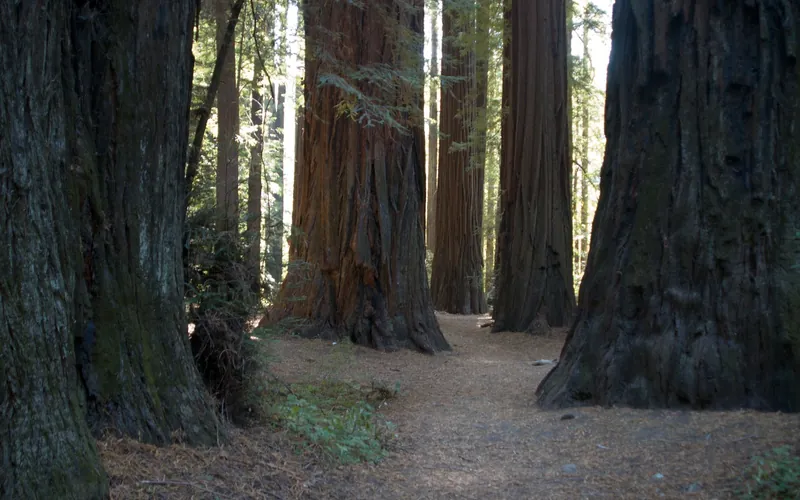
The two woods sit at opposite ends of the conservation scale. The Wood Database lists coast redwood as endangered, with a population reduction of roughly 50 percent over the past three generations, while western red cedar is rated Least Concern. That does not make redwood lumber illegal or unavailable, but it fits with redwood sitting in a higher price tier.

The Western Red Cedar Lumber Association, an industry body, states that its members harvest from publicly managed forests in British Columbia and that less than one-third of one percent of the province’s cedar growing stock is harvested each year. Treat that as an industry claim rather than an independent audit, and look for a third-party certification such as FSC or SFI on the lumber if sourcing matters to you. If you are also unsure which cedar you are buying, eastern vs western red cedar explains why the name alone is not enough.
Cedar vs Redwood Mulch
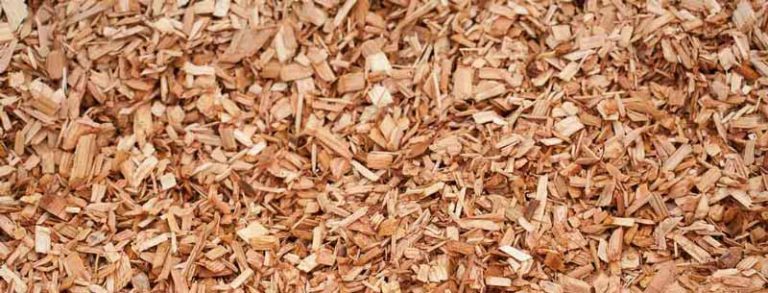
Some searchers land here for garden mulch, and the lumber numbers above do not carry over. Mulch is made from bark, chips or sawmill by-products, so Janka hardness and rot ratings for solid boards say nothing about how a bag of mulch behaves. We have not found controlled data comparing the two as mulch, so compare what is on the bag: the species named, whether it is bark or wood chips, and the price per cubic foot. For local options, see cedar mulch deals.
Frequently Asked Questions
Is redwood better than cedar?
On paper, slightly. Redwood is harder (450 vs 350 lbf Janka), denser and stiffer than western red cedar, according to the Wood Database. But both reach a very durable rot rating in heartwood, and cedar costs less and is not endangered. Redwood wins on strength and cedar wins on price and sourcing.
Which lasts longer outdoors, cedar or redwood?
Heartwood of either wood can last for decades, but neither is permanent. The Wood Database rates western red cedar durable to very durable and redwood moderately durable to very durable. What decides the outcome is the grade (heartwood or sapwood), contact with soil and water, and whether you keep a finish on it.
Is cedar or redwood more expensive?
Redwood usually costs more. The Wood Database calls western red cedar moderately inexpensive for construction-grade lumber and puts redwood in the mid to upper price range. Within redwood, heartwood grades such as Clear All Heart cost more than the economical Merchantable grades, so the grade you choose moves the price as much as the species.
Is redwood a type of cedar?
No. They are different trees. Western red cedar is Thuja plicata and coast redwood is Sequoia sempervirens, per the Wood Database. The wood looks similar because both are reddish softwoods, but redwood is a little harder and heavier, and cedar is the softer, lighter wood that dents more easily.
Can you use cedar and redwood together in one project?
Yes, nothing structural prevents it. Their shrinkage is nearly identical (6.8 percent volumetric for cedar and 6.9 percent for redwood), so the boards move at a similar rate. Expect the two to weather to slightly different tones, so finish both and test the finish on offcuts of each before you commit.
Conclusion
Choose redwood for extra hardness and stiffness, and cedar for lower cost, lighter weight and a healthier conservation status. Then let the grade, not the species, drive the decision: heartwood for ground contact, anything for above-ground trim. For related durability questions, see how durable mahogany is and whether termites eat redwood.
Sponsored / affiliate links. As an Amazon Associate I earn from qualifying purchases. I may earn additional commission from eligible campaigns.