Osage Orange as Firewood: The Hottest Burn in North America
Osage orange burns best when it is dry and well-split. It works best as a selective fuel because of its extreme density. Ignore that density and you get harder splitting, slower seasoning, and smoky or sluggish fires. This guide covers heat value, coaling, splitting, seasoning, and when Osage orange beats oak, ash, and hickory.
This guide is part of our Firewood and Wood Stoves: Drying, Storing and Burning Guide series.
What makes Osage Orange firewood special?
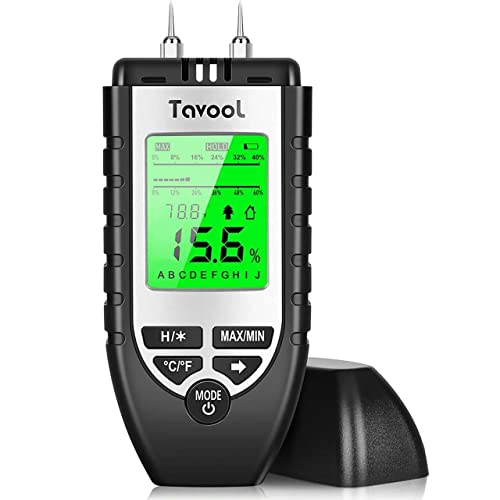
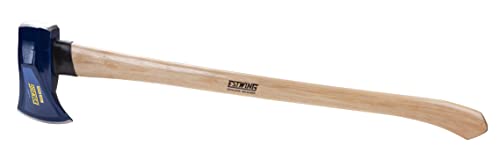
Osage orange, Maclura pomifera, is also called Bois d’arc, Horse Apple, and Hedge Apple. It is native to the south-central United States. The wood is known for high heat output, strong coaling, bright yellow heartwood, and unusual decay resistance, which helps explain its reputation as top-tier firewood and post wood.
Density is the key trait. A dense log carries more wood substance in each volume of fuel, so a dry piece can deliver more heat and hold a bed of coals longer than lighter species. That same density is what makes it stubborn to split and slow to dry.
For firewood buyers, that tradeoff matters. Osage orange is not a casual all-purpose choice. It is a specialized fuel for situations where long burn time and high heat matter more than easy handling.
Why density matters for heat and coaling
Dense hardwoods generally produce more usable heat per cord because there is more solid wood and less empty space in the stack. Osage orange stands out even among premium hardwoods because its density is paired with strong coaling behavior, which helps keep stoves hot after the flames settle.
That coal bed is useful in overnight burns and in cold weather reloads. It also means the wood can feel slow to ignite if you load large pieces on a weak fire with poor airflow.
📊 Wood Database lists Osage Orange’s Janka hardness at 2,620 lbf. Source: Wood-database.
How hot does Osage Orange burn?
Osage orange can generate up to 32.9 million BTUs per cord, which places it at the top end of North American firewood. That figure is one reason it is often described as among the hottest burning woods available. For homeowners, that means fewer cords for the same heating demand, if the stove and fuel are handled well.
Compared with other premium hardwoods, Osage orange sits in the same elite heat class as black locust and above many common favorites such as white oak, beech, and typical hickory loads. Exact values vary by species, moisture, and how the wood is stacked, but Osage orange belongs in the highest tier.
| Wood | Heat reputation | Handling note |
|---|---|---|
| Osage orange | Up to 32.9 million BTUs per cord | Very dense and hard to split |
| Black locust | Premium high-output hardwood | Also dense, but usually easier than Osage orange |
| Hickory | Strong heat and good coaling | Commonly friendlier to split |
| White oak | Reliable high heat | Good all-around firewood, less extreme density |
| Beech | Good heat and steady burn | Useful premium hardwood, but not as dense as Osage orange |
A dry Osage orange load earns its reputation in two ways: heat output and the way it holds a coal bed. That combination makes it attractive for stove users who want long burn cycles, not just a fast flame.
Why is it so hard to split?
Osage orange has a specific gravity of 0.86, a Janka hardness of 2,620 lbf, and an average dried weight of about 54 lbs/ft³. Those numbers describe a wood that is extremely dense, very hard, and demanding on tools. The same qualities that make it such strong firewood also make it physically difficult to process.
The workability penalty shows up in splitting first. Straight-grained sections may open with a heavy maul or splitter, but knotty rounds and twisted grain can resist badly. Smaller rounds are easier to manage than large crotches or oversized trunk sections.
Tools and handling implications
A hydraulic splitter helps, but even then, sharp knives, wedge placement, and careful log positioning matter. If the grain is irregular, a single clean hit is less likely than with ash or softer oak. Keep pieces short enough for your stove before splitting, because re-splitting a dense block later is more work than trimming it now.
Picture a 16-inch round with twisted grain and a tight bark edge. If you try to split it in half with a dull maul, the wood may bounce the tool and hold together. A sharp wedge set on a crack line gives you a better result and reduces wasted effort.
How do you identify Osage Orange?
Look for bright yellow sapwood, yellow heartwood, and a wood that can stain water yellow because it contains a water-soluble yellow dye. Osage orange is extremely durable and decay resistant, so old fence rows and buried posts can stay intact for a long time. Common names include Horse Apple and Hedge Apple.
The yellow-water test is useful when you have a fresh shaving or split sliver. Put the shaving into water and watch for yellow color transfer. That clue is not perfect on its own, but it is one of the clearest field checks for this wood.
Lookalikes and common mistakes
Mulberry is a common firewood lookalike. It can resemble Osage orange in color and general texture, especially after aging. Black locust is another possible mix-up because it is also a durable, high-value hardwood with strong firewood performance.
A related imported species, Maclura tinctoria, is called Argentine Osage Orange. Firewood buyers should not rely on one feature alone. Use bark, heartwood color, weight, and the yellow-water test together before you tag a pile as Osage orange.
Say your stack has short yellowish splits mixed with darker wood from a fence line cleanup. If the fresh shavings tint water yellow and the pieces feel unusually heavy for their size, that is a stronger match than color alone.
When Osage orange is worth burning
Osage orange is worth the extra handling when you want maximum heat, long coaling, or a burn that carries into the night. It is usually not worth the trouble for casual fires, quick shoulder-season warming, or situations where easy splitting matters more than peak heat. The decision is about payoff, not reputation.
| Scenario | Expected benefit | Handling difficulty | Seasoning priority | Best use case |
|---|---|---|---|---|
| Emergency heat | Very high heat and long coal life | High | High | Cold weather backup when maximum output matters |
| Overnight stove burns | Long burn cycle and stable coals | High | High | Reloading before bed in a capable wood stove |
| Mixed-load shoulder season | Boosts a weaker fuel mix | Moderate | High | Blended with easier-burning wood for control |
| Casual campfire use | Strong coals, but more effort than needed | High | High | Occasional use when you want a long-lasting fire |
A common first-timer mistake is loading only large Osage orange splits into a stove that already has a weak coal bed. The fire can sit and smolder before it takes off. Pairing one or two dense pieces with kindling or faster-burning hardwood gives a cleaner start.
Practical decision rule
If your goal is maximum heat per cord and you do not mind extra splitting and seasoning, Osage orange is worth the hassle. If your goal is quick, easy, everyday firewood, black locust, hickory, white oak, or beech may be the better buy because they are usually easier to process and burn with less fuss.
Seasoning Osage Orange firewood
Osage orange still needs seasoning before reliable indoor burning. Very dense wood dries more slowly than lighter hardwoods, even though kiln-dried lumber may be listed at 6 to 8 percent moisture. That lumber figure does not mean firewood rounds are ready to burn. Firewood pieces are thicker, exposed differently, and usually start with much more moisture.
Dry fuel matters because dense wood that is still wet can smoke, stall, and waste heat drying itself instead of heating the room. For this species, patience pays off more than with less dense hardwoods.
How to stack and dry it
- Split the rounds smaller than you would for white oak or beech.
- Stack the wood off the ground so air can move underneath.
- Leave gaps between pieces instead of packing the stack tight.
- Expose the sides to sun and moving air where possible.
- Cover only the top so rain is shed while the sides stay open.
For small home stacks, air movement matters more than stack size. A short, open row will dry better than a tight pile against a fence. That is especially true for Osage orange, where the density slows moisture loss.
Is Osage Orange safe for indoor wood stoves and fireplaces?
Yes, Osage orange is safe for indoor wood stoves and fireplaces when it is dry, properly split, and burned in an appliance that can handle dense hardwood. Its high heat output is an asset, but it also means you should control airflow and avoid overloading a small firebox with oversized pieces.
Start with a hot coal bed, then add smaller splits first. That approach lets the wood catch without smoldering. In a fireplace, use modest loads and keep the draft strong enough to support steady combustion.
Loading strategy and airflow
Dense wood benefits from a less crowded firebox. Leave room for flame to move between pieces. If you pack a stove too tightly with Osage orange, the fire can lose air and burn lazily even though the wood itself has high heat value.
Use it most effectively as part of a mixed load when you want control. Combining one dense species with easier-burning wood gives faster ignition and a better transition to a long coal bed. That is often the simplest way to use Osage orange in everyday home heating.
Why is Osage Orange used for fence posts and bows as well as firewood?
Its decay resistance is a major reason. Wood Database calls Osage orange extremely durable and decay resistant, and that trait explains why it has long been used for fence posts and bow-making as well as firewood. The same toughness that helps it last outdoors also gives it high firewood value.
The wood’s strength and hardness make it useful where wear resistance matters, while its density makes it excellent fuel. Few species serve both purposes so well. That dual role is part of why it stays in demand even when splitting it is a chore.
Frequently asked questions
Is Osage Orange the hottest burning firewood?
It is one of the hottest burning woods in North America and often sits at the top of premium firewood lists. A dry, well-prepared load can outperform most common hardwoods, but the exact ranking depends on moisture, stove draft, and how well the wood was split and seasoned.
How many BTUs does Osage Orange produce per cord?
Osage orange can generate up to 32.9 million BTUs per cord. That is an exceptionally high figure for firewood and is a major reason it is favored for long, hot burns. The wood’s density is a big part of that output.
Does Osage Orange burn green or does it need seasoning?
It needs seasoning. Dense wood dries slowly, and green Osage orange can smoke, struggle to ignite, and make a stove work harder than it should. Kiln-dried lumber may reach 6 to 8 percent moisture, but that does not mean firewood splits are ready without time, airflow, and proper stacking.
How hard is Osage Orange to split?
It is difficult to split because of its density and hardness. The species has a specific gravity of 0.86 and a Janka hardness of 2,620 lbf, both of which point to tough handling. Straight-grained pieces are manageable, but twisted or knotty rounds can be demanding.
How do you identify Osage Orange wood from lookalikes?
Check for bright yellow sapwood, yellow heartwood, heavy weight, and the yellow-water dye test. Mulberry is the most common lookalike, and black locust can also confuse buyers. Fresh shavings that tint water yellow are a strong clue, especially when paired with the wood’s density and bark features.
How does Osage Orange compare to oak, hickory, and black locust for heat?
It generally belongs in the same premium class as black locust and above many oak loads in heat output. Hickory and white oak are excellent firewoods, but Osage orange can offer even stronger heat and coaling. The tradeoff is that it is usually harder to split and slower to prepare.
Sponsored / affiliate links. As an Amazon Associate I earn from qualifying purchases. I may earn additional commission from eligible campaigns.