Is Apple Good Firewood?
Yes, apple is good firewood once it is split and seasoned to about 20% moisture or less. Green apple burns poorly, throws more smoke, raises creosote risk, and gives less usable heat. This guide covers moisture, splitability, smoke, and whether apple suits a stove or fireplace.
This guide is part of our Firewood and Wood Stoves: Drying, Storing and Burning Guide series.
What apple wood
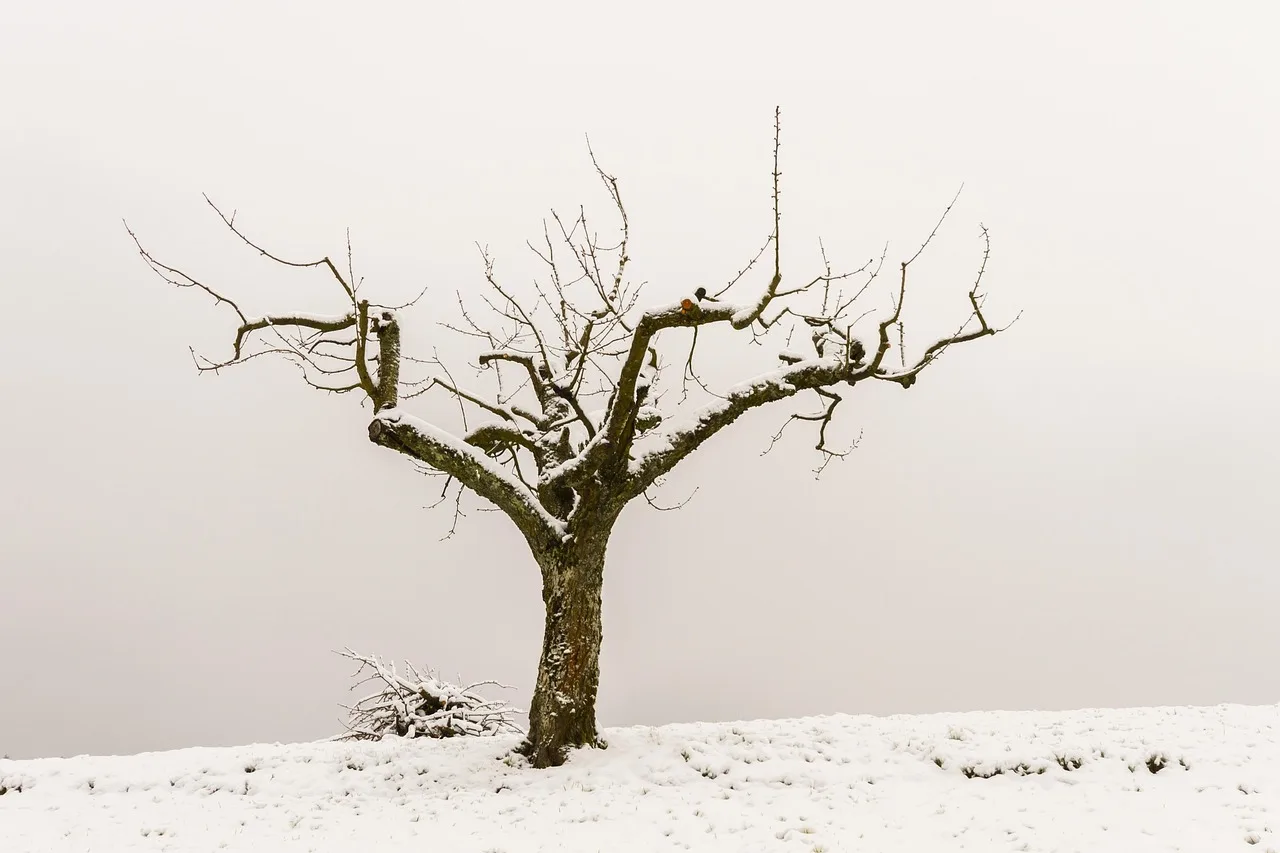
Apple wood is a hardwood usually obtained from orchard removals, storm-felled trees, crabapple, or twisted crotch sections rather than clean sawlog timber. The material is often dense, with short trunks, branchy structure, and grain that can wander around knots. That shape matters as much as the species name.
For firewood, judge apple by condition, not by reputation. Straight, sound rounds from an orchard tree can burn very well after seasoning. Short, knotty, or crotch-heavy pieces can be more trouble at the splitter and are often better reserved for smaller stove pieces or kindling.
Orchard source and common forms
Apple firewood commonly comes from removed orchard trees, where the trunk may be short and the lower stem full of branches. That shape produces smaller rounds, more knots, and more irregular splits than lumberwood from a saw log. Crabapple and ornamental apples often land in the same pile.
Twisted crotch wood is the least predictable form. It can burn well, but it usually takes more effort to process and more care to split into usable stove-size pieces. If you are sorting a mixed pile, the straighter stem wood belongs ahead of the gnarlier sections.
Hardwood classification and grain traits
Apple is a hardwood, and it behaves like one in a stove. It is dense, holds heat well, and usually burns longer than lighter softwoods. One published Janka figure puts apple at 1730 lbf, which fits its reputation as a hard, tough wood.
That density helps heat output, but it also makes cutting and splitting less forgiving. Grain that is straight enough can split cleanly. Grain that has twisted around branch unions can pry, bind, and throw the wedge off line.
Crabapple and twisted crotch wood
Crabapple wood behaves much like apple wood in the firebox. It is still a hardwood, still worth seasoning, and still capable of a clean burn when dry. The difference is usually in form, not in the basic burning character.
Twisted crotch wood is the outlier. It often dries more slowly, splits more reluctantly, and produces awkward pieces that are better for a small stove load or a smoker than for a neat fireplace stack.
Is apple good firewood?
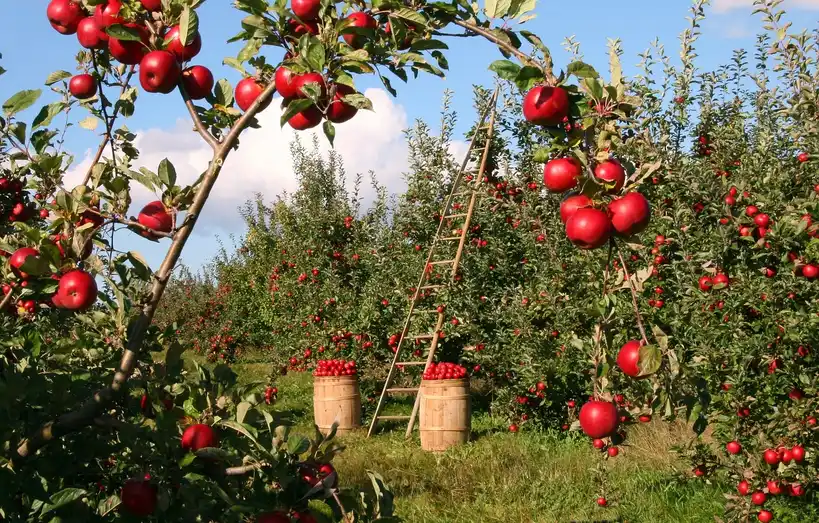
Yes. Apple is good firewood because it burns hot, leaves a solid coal bed, and gives a pleasant sweet and fruity fragrance when it is dry. It is not a miracle fuel, and it should not be judged against top-performing heating woods on reputation alone. Condition matters more than species name.
Apple firewood produces 27.0 million BTUs of heat per cord, which places it in a strong hardwood range. It outperforms green ash and American elm in BTU output, and it has been ranked hotter than white oak and birch in one comparison. That still does not make every apple round equally useful.
Heat output and coal bed
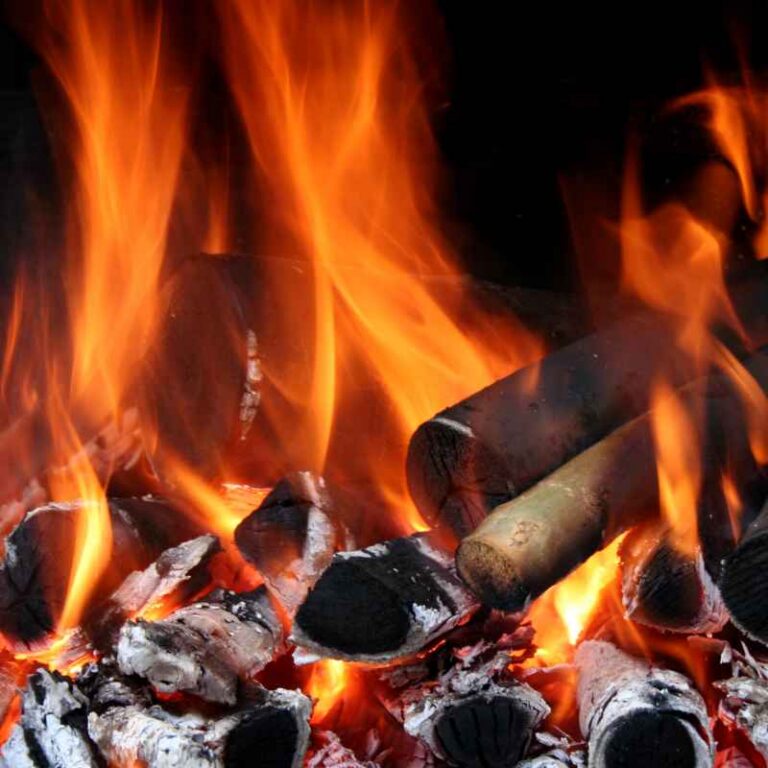
Dense hardwoods hold heat well, and apple is no exception. Its coaling quality is one reason people value it for steady heat in a stove or fireplace. A good coal bed helps extend usable heat after the flames die down.
BTU numbers only help when the wood is dry. A green load can cut the practical heat you get from the pile and force you to burn more often.
Smoke level when dry
When seasoned properly, apple produces very little smoke. That is one reason it is often described as a clean-burning hardwood suitable for indoor use. The sweet aroma is noticeable, but it should not be confused with better heat output.
Dry apple can be a pleasant stove wood. Wet apple is a different story. Smoke rises, heat falls, and the firebox spends energy boiling off water instead of warming the room.
Best use cases versus lesser uses
Dry apple is a strong choice for stoves, fireplaces with good draft, and smokers. It is less useful when the wood is green, damp, or split into awkward crotches that are hard to stack and season. In those cases, it can become more work than reward.
A common first-timer mistake is loading a stove with apple rounds that “feel dry” on the outside but still hold moisture inside. The surface can look ready while the core remains wet, especially on thick pieces cut from a short orchard trunk.
Apple firewood fit check
Use this table to sort common apple wood forms by practical value. The right choice depends on shape, drying risk, and where you plan to burn it. A stove can tolerate more than a fireplace in some cases, but neither should get green fuel.
| Source wood | Estimated split difficulty | Seasoning risk | Indoor burn suitability | Best use case |
|---|---|---|---|---|
| Orchard tree | Moderate to hard | Medium; depends on round size and storage | Good when moisture is under 20% | Stove, fireplace |
| Crabapple | Moderate to hard | Medium; often branchy and irregular | Good when fully seasoned | Stove, smoker, kindling from smaller limbs |
| Twisted crotch wood | Hard | Higher; slower drying and more trapped moisture risk | Fair only after full seasoning | Smoker, small stove pieces, kindling after splitting |
This is the practical rule: straight orchard rounds are worth processing, crabapple is usually worth processing, and twisted crotch wood is worth processing only if you can split it small and dry it fully. Anything that stays thick and wet should wait.
Does apple wood need to be seasoned?
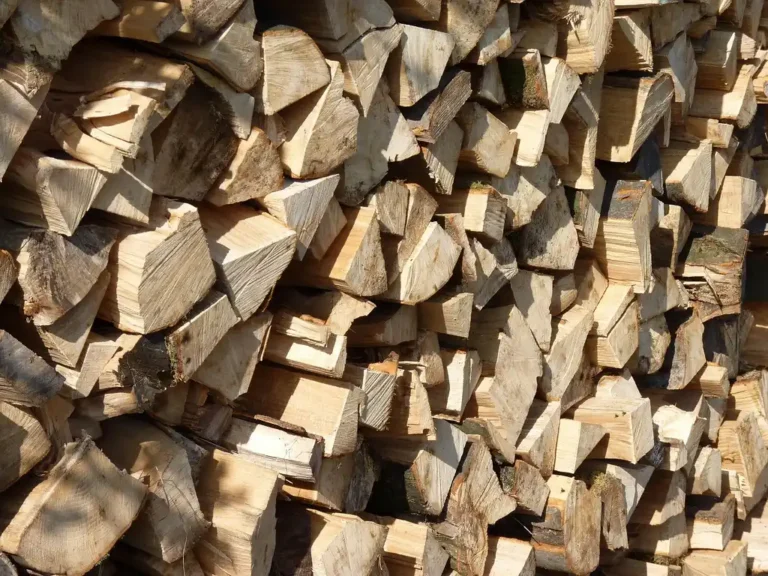
Yes. Apple wood needs to be seasoned before indoor burning, and seasoned wood is generally understood as wood with less than 20% moisture content. Freshly cut apple wood can have a moisture content of 100%, so green wood is a long way from ready.
Drying time is not fixed. Apple firewood can take one year, with better results in two to three years. Some pieces may be dry enough after six to twelve months if they are split small, stacked well, and stored under cover with good airflow.
Moisture below 20%
The key number is moisture content, not calendar time. Under about 20% moisture content, apple will ignite more easily, burn cleaner, and produce less smoke. Above that, the fire spends too much energy drying the wood as it burns.
If you want a useful rule, treat 20% as the indoor-burning threshold. Below that, the wood is generally ready. Above that, it is still seasoning.
Drying time range
Apple often seasons on the slower side of fruitwood because the wood is dense and some pieces are knotty. Small splits dry faster than thick rounds. Crotch pieces dry slower than straight stem wood.
Suppose you split a batch of 4-inch apple pieces in spring, stack them off the ground, and cover the top only. Those smaller splits have a much better chance of being ready by the following heating season than unsplit rounds left in a damp pile.
How to spot ready wood
Ready apple wood usually feels lighter than green wood, shows checking or end cracks, and sounds sharper when two pieces are knocked together. Those signs help, but moisture content is still the better guide if you have a meter.
- Split a representative piece.
- Check the freshly exposed face, not the bark.
- Read the moisture content on the split surface.
- Burn only pieces that read below about 20% for indoor use.
Is apple wood good for a wood stove?
Yes, apple wood is good for a wood stove when it is fully seasoned. It burns with low smoke, makes steady heat, and can leave a useful coal bed. The stove still needs dry fuel and proper airflow, because even good hardwood performs badly when it is wet or starved of draft.
Apple is especially useful when you want a clean-burning load. It is not the wood to choose if your pile is damp, your stove draft is weak, or your chimney needs attention.
Low-smoke indoor burning
Dry apple is a strong indoor burn option because it produces very little smoke when seasoned properly. That makes it suitable for enclosed appliances that depend on efficient combustion. It also keeps the firebox cleaner than a damp load would.
The fragrance is pleasant, but it should be treated as a side benefit. The real advantage is the combination of decent heat, low smoke, and solid coals.
Draft and airflow needs
A wood stove needs dry fuel and enough air to keep combustion clean. Dense hardwood like apple can burn very well, but it still needs oxygen. If the stove is overfilled with tight, wet, or oversized pieces, the fire can smolder instead of burn cleanly.
That smoldering state is where problems begin. Heat output drops, smoke rises, and the chimney sees more deposit buildup.
What to avoid in a stove load
Avoid loading green apple, damp stored rounds, or mixed fuel piles that include soft, wet wood. Those combinations burn unevenly and can turn a good hardwood into a smoky fire. A mixed load can also hide damp pieces in the middle where they are slow to ignite.
Picture a stove packed with two dry apple splits and one damp crotch piece from a shaded stack. The dry pieces light first, the damp piece lags behind, and the whole load can smolder longer than it should. That is a fuel problem, not a species problem.
How hard is apple wood to split?
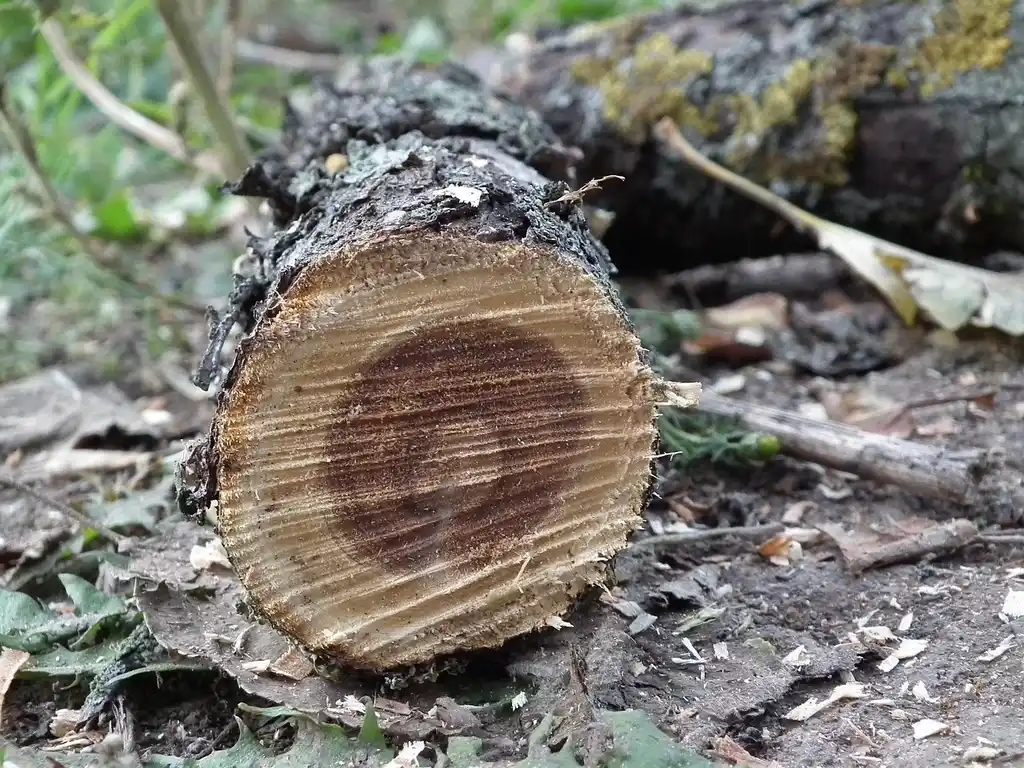
Apple can be harder to split, especially when the wood has knots or twisted grain. It is dense wood, and orchard trees are usually short, branchy, and full of knots or twisted grain. Straight sections may split cleanly enough, but crotches and limb unions can fight the wedge.
That difficulty is one reason some people underestimate apple as firewood. The wood can be excellent in the stove and annoying at the splitter at the same time.
Short, twisted trunk shape
Orchard apple trunks often do not resemble long, straight timber logs. They are shorter, more tapered, and more likely to have side branches close to the main stem. That shape creates awkward rounds and unpredictable split lines.
If the grain runs off center, split from the bark edge toward the pith and let the wood tell you where it wants to open. Forcing a wedge through a knot cluster can waste energy and damage tools.
Knots and crotches
Knots and crotches are the main reason apple can be frustrating to process. They trap grain, twist the split, and hold moisture longer than clean stem wood. Those pieces may still burn well after seasoning, but they usually need more labor first.
Use them for smaller stove pieces, smoker chunks, or kindling after reducing them to size. Leaving them in full rounds only delays drying.
Handling and cutting tips
Cut apple into manageable lengths before splitting. Shorter rounds are easier to control, and they dry faster once opened up. If the piece is badly twisted, smaller blocks are often more practical than trying to force a full round apart.
Wear eye protection and keep the work area clear. Dense hardwood can kick unpredictably when a knot releases.
BTU, smoke, and creosote
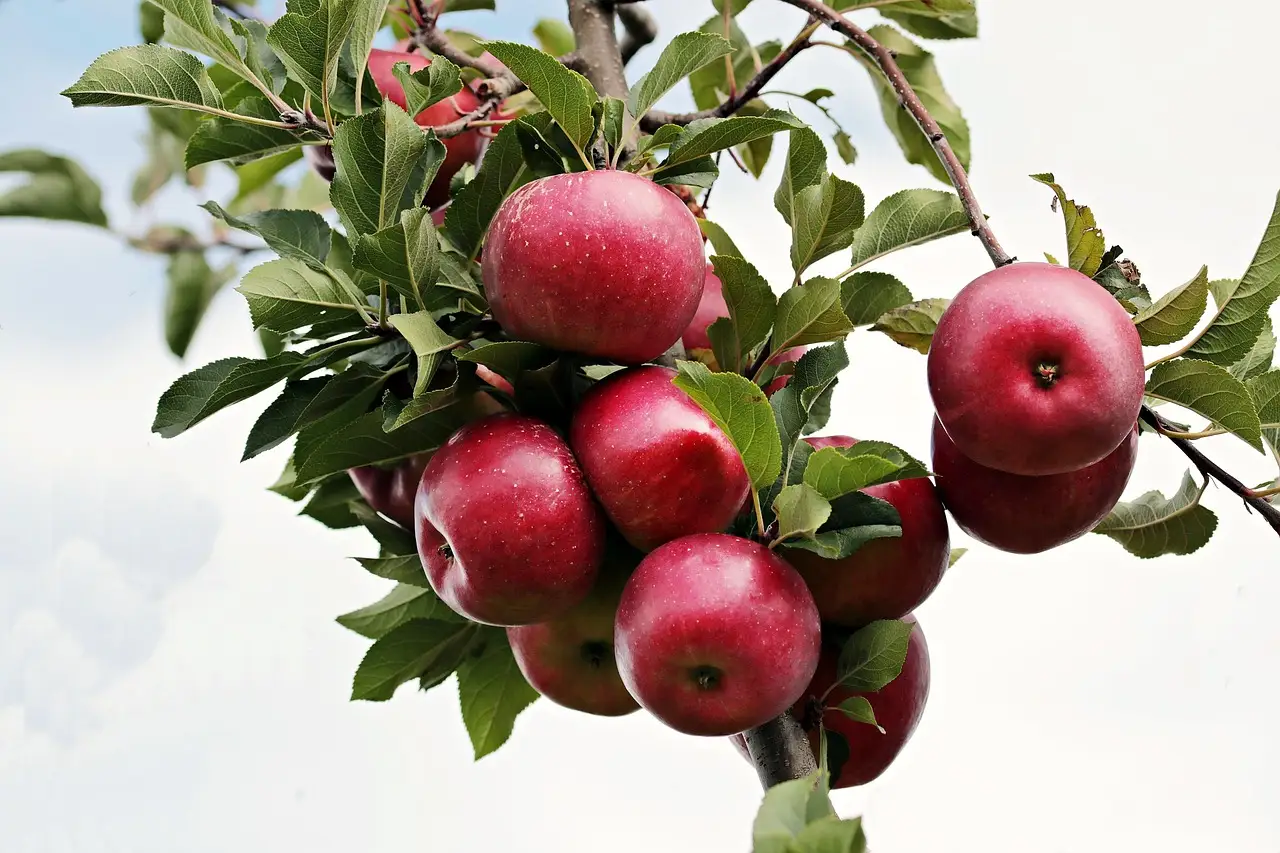
Apple sits in the hardwood range for heat output. At 27.0 million BTUs per cord, it compares well with many common hardwoods and has been noted as outperforming green ash and American elm. It should still be judged against oak, birch, and beech as a practical reference, not as a guaranteed top-tier benchmark.
When dry, apple makes little smoke and a sweet aroma. When wet, the picture changes fast. The species name does not override moisture, draft, or chimney conditions.
BTU compared with oak, birch, and beech
Apple is often discussed alongside oak, birch, and beech because those woods are familiar heating references. A ranking may place apple hotter than white oak and birch in one comparison, but that does not mean every apple load beats every load of those species.
Dryness, cut size, and density variation all change practical performance. A well-seasoned oak split can outburn a damp apple round every time.
Creosote risk and moisture
Creosote risk is tied more to moisture, cool flue temperatures, and poor draft than to apple wood itself. Apple is low in sap and resin, which helps, but low sap does not excuse green fuel or a cold flue. Wet wood smolders, and smoldering produces the deposits that matter most.
That is why seasoned wood matters so much for fireplace maintenance. If you burn apple below the moisture threshold, you lower smoke and reduce the chance of heavy buildup. If you burn it green, the chimney still sees the consequences.
Aroma, sparks, and fireplace use
Dry apple gives off a sweet and fruity fragrance. That aroma is pleasant in a fireplace, but it should not be overread as proof of cleaner combustion. The real indicator is the smoke level and the dryness of the fuel.
For fireplaces, apple works best when the draft is good and the pieces are fully seasoned. For smoky, low-draft setups, a cleaner-burning load can still fail if the wood is wet or packed too tightly.
Frequently asked questions
Is apple wood good firewood?
Yes, apple wood is good firewood for stoves and fireplaces, provided moisture is below about 20%. It is a dense hardwood with strong heat output and low smoke when seasoned properly. Poorly dried apple loses those advantages quickly and becomes frustrating to burn.
Is apple tree good firewood?
Yes, apple tree wood can make very good firewood, especially when it comes from orchard removals or straight trunk sections. The issue is shape, not just species. Short, knotty, or twisted tree sections are harder to split and slower to season than cleaner rounds.
How long does apple wood take to dry?
Apple firewood can take one year, with better results in two to three years. Some smaller splits may be dry enough after six to twelve months if they are stacked with airflow and protected from rain. Thick rounds and crotch pieces usually need longer.
Is apple wood hard to split?
Often, yes. Apple is dense and commonly has twisted grain, knots, and crotches, especially in orchard tree sections. Straight pieces may split reasonably well, but awkward forms can be stubborn. Smaller cuts, careful wedge placement, and early processing make the job easier.
Sponsored / affiliate links. As an Amazon Associate I earn from qualifying purchases. I may earn additional commission from eligible campaigns.