Do Termites Eat Dry Wood: Shocking Truths Revealed!
Have you ever wondered if termites can eat dry wood? If you’re worried about protecting your home or furniture, this question matters a lot.
Termites are sneaky pests that cause serious damage, but not all wood is equally at risk. Understanding how termites interact with dry wood can help you spot danger early and take the right steps to keep your space safe. Keep reading to discover the truth about termites and dry wood—and what you can do to protect what matters most.
Termite Types And Wood Preferences
Termites come in different types. Each type prefers certain wood conditions. Understanding these preferences helps protect homes and structures. Termite damage depends on their type and the wood’s moisture level.
Some termites attack dry wood. Others need moist or damp wood. Knowing these details can guide treatment and prevention steps. Here is a closer look at termite types and their wood choices.
Drywood Termites Explained
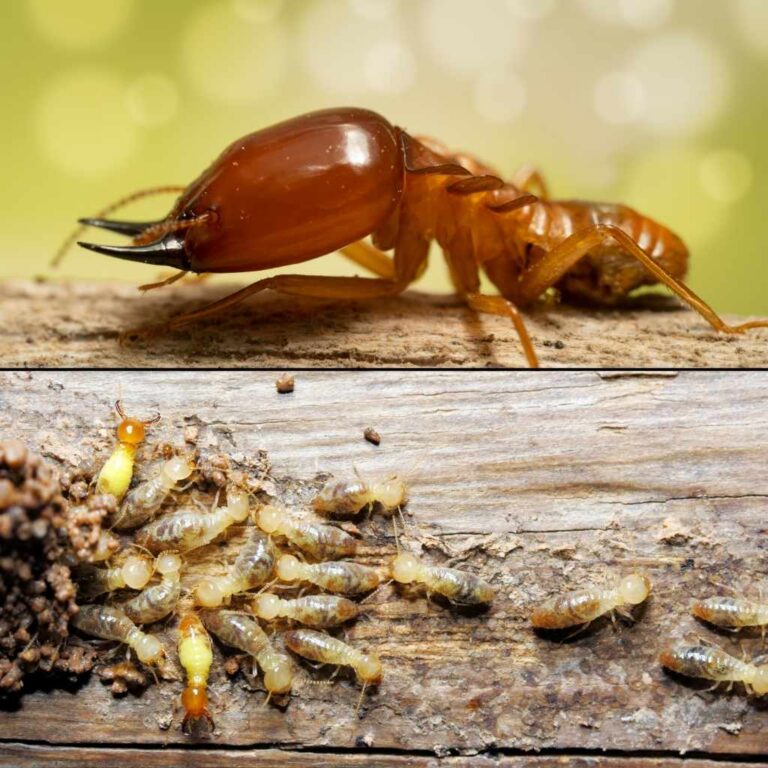
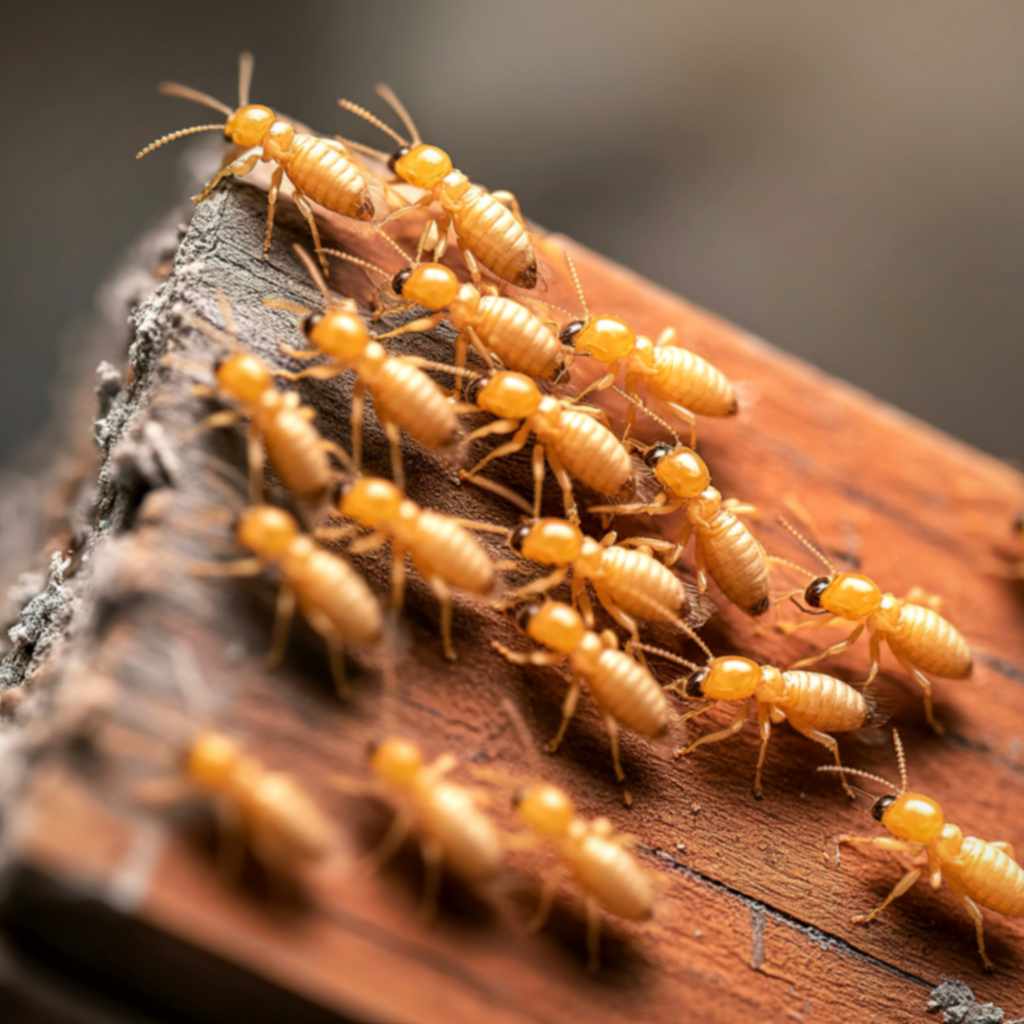
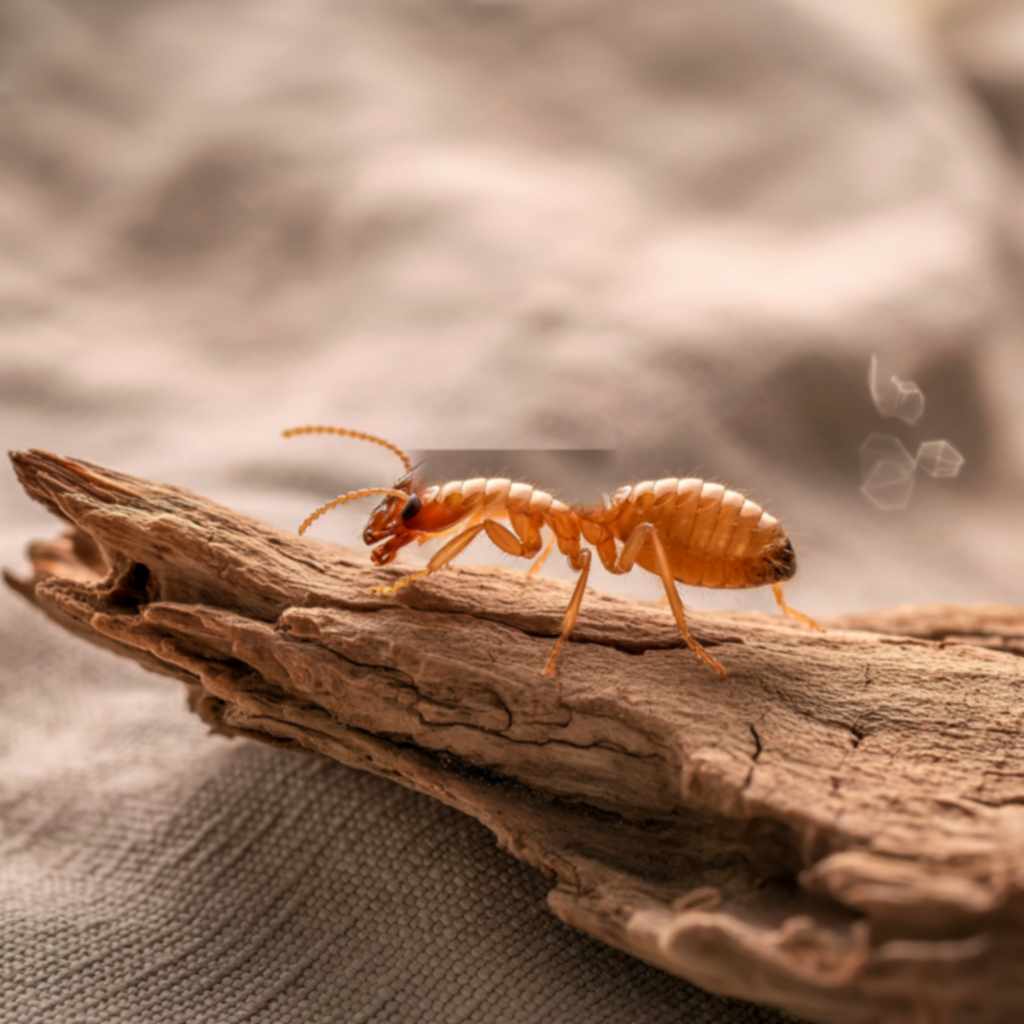
Drywood termites live inside dry wood. They do not need contact with soil. These termites can infest furniture, hardwood floors, and roof beams. They eat wood slowly but cause serious damage over time. Drywood termites leave small holes and fine sawdust behind.
Subterranean Termites And Moisture Needs
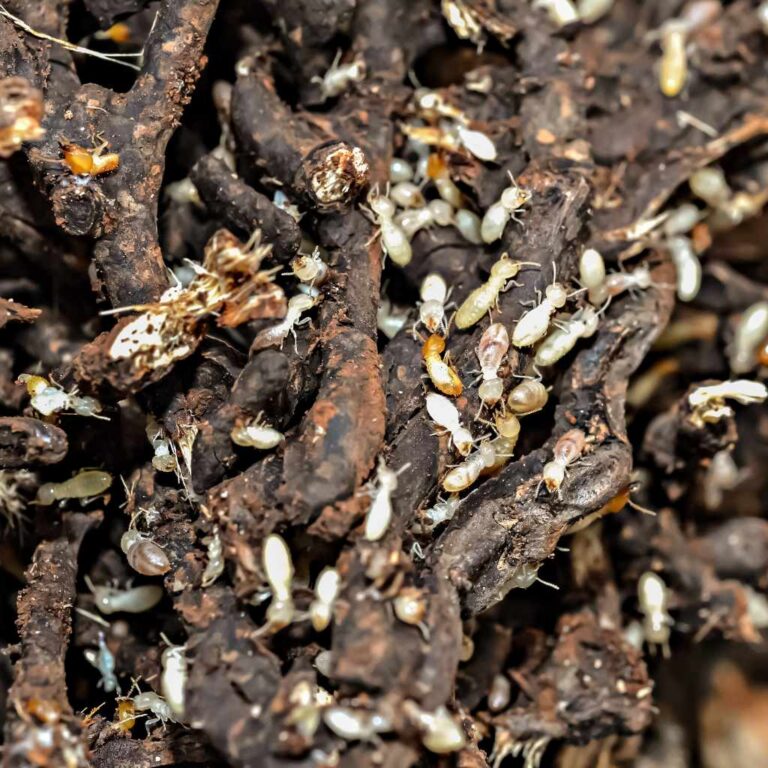
Subterranean termites build colonies underground. They need moisture to survive. These termites enter wood that touches or is near soil. They create mud tubes to protect themselves while traveling. Subterranean termites cause the most wood damage overall.
Dampwood Termites Role
Dampwood termites live in wood with high moisture. They do not attack dry wood. These termites prefer wood that is wet or decaying. They are found in fallen trees or wood with water damage. Dampwood termites help break down dead wood in nature.
Can Termites Eat Dry Wood?
Termites are famous for eating wood, but many wonder about dry wood. Can termites eat dry wood? The answer is yes, certain termites can consume dry wood. These pests cause damage by tunneling through wood, leaving hidden destruction.
Understanding how termites feed on dry wood helps protect homes. Not all termites prefer the same wood type. Knowing their habits and what attracts them can prevent infestations.
Drywood Termites Feeding Habits
Drywood termites live inside the wood they eat. They do not need contact with soil. These termites get moisture from the wood itself. They create tunnels and chambers inside dry wood. Their feeding leaves behind smooth galleries filled with tiny pellets. Drywood termites prefer sound, dry wood. They attack furniture, wooden structures, and even hardwood floors.
Conditions That Attract Termites To Dry Wood
Termites seek wood with certain conditions. Warm temperatures invite termite activity. Wood with high moisture content is especially attractive. Poor ventilation can increase wood moisture. Wood in contact with moist air or leaks is vulnerable. Cracks or gaps in wood allow termite entry. Untreated or unpainted wood is an easy target. Drywood termites can survive in less moist wood but still need some moisture.
Common Misconceptions
Many believe dry wood is safe from termites. This is false. Drywood termites thrive in dry wood. Another myth is that termites only live underground. Drywood termites live inside wood above ground. People think only old wood attracts termites. New wooden items can also be infested. Termites do not eat metal or plastic but damage wood supports behind these materials.
Signs Of Termite Damage In Dry Wood
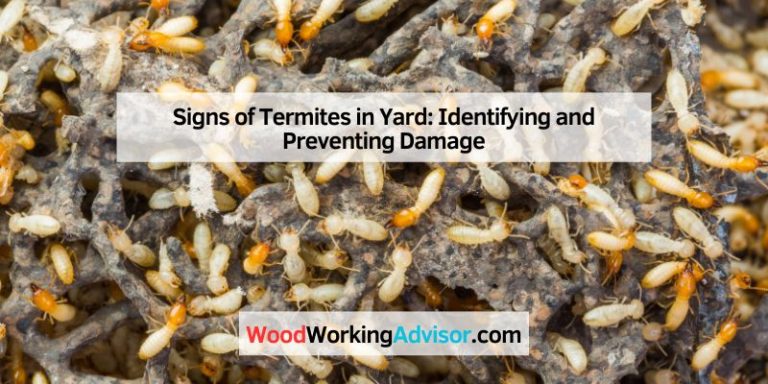
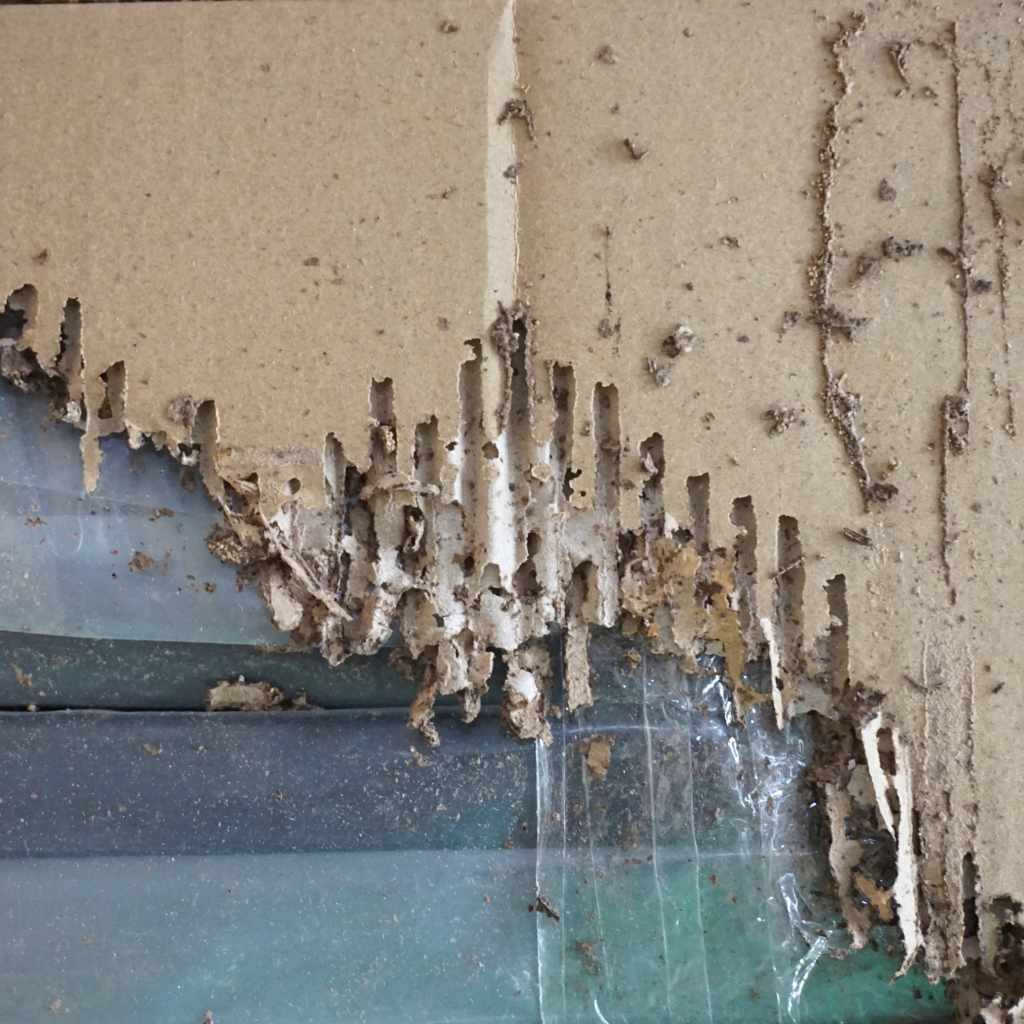
Termites can cause serious damage to dry wood. Spotting signs early helps protect your home. Dry wood termites eat wood from inside. They leave marks that are not easy to see. Knowing what to watch for helps catch damage fast.
Visible Damage Patterns
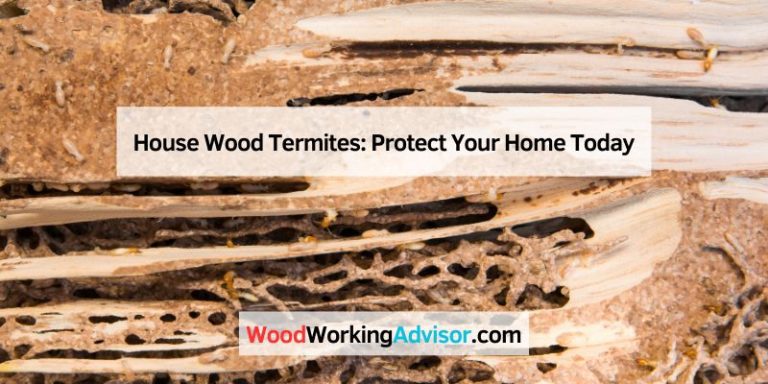
Dry wood termites create tunnels inside wood. The outside may look normal. Small holes or cracks can appear on the surface. Wood may feel hollow or crumbly. Look for peeling paint or blistered wood. These are clues of termite activity.
Mud Tubes And Frass Evidence
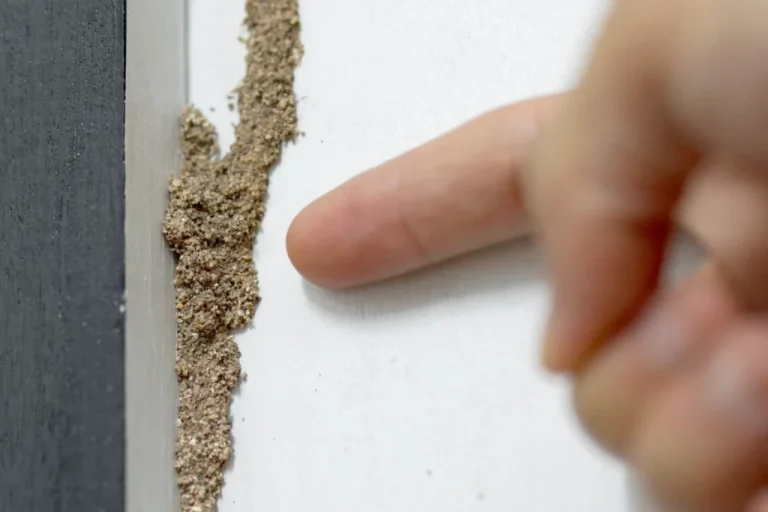
Dry wood termites do not build mud tubes like other termites. They leave tiny piles of wood dust called frass. Frass looks like small, dry pellets near wood. Check corners, window frames, and doorways. Finding frass means termites are nearby.
Structural Weakness Indicators
Termite damage weakens wood beams and supports. Doors or windows may stick or jam. Floors might sag or feel soft. Tapping wood may sound hollow. These signs show wood has lost strength. Acting fast can prevent costly repairs.
Preventing Termite Infestations In Dry Wood
Preventing termite infestations in dry wood is essential to protect your home and belongings. Termites can cause serious damage if they find a way into your dry wood. Taking steps to stop them early can save time and money.
Proper care and vigilance help keep termites away. Understanding how to store wood, use treatments, and inspect regularly makes a big difference. These actions create a strong defense against termite problems.
Proper Wood Storage Tips
Store wood away from soil. Keep wood elevated on racks or pallets. Avoid piling wood directly on the ground. Keep wood dry and well-ventilated. Do not stack wood near house foundations. This reduces termite access and moisture buildup. Dry wood is less attractive to termites.
Chemical Treatments And Barriers
Apply termite-resistant chemicals to wood surfaces. Use termiticides around house foundations. Create chemical barriers in soil near wood. These treatments block termites from reaching wood. Follow product instructions carefully for safety. Reapply treatments as recommended to maintain protection.
Regular Inspections And Maintenance
Check wood regularly for signs of termite damage. Look for mud tubes, hollow sounds, or wood dust. Inspect areas with moisture or poor ventilation closely. Fix leaks and reduce moisture near wood. Remove any wood debris around your property. Early detection helps stop infestations quickly.
Effective Termite Control Methods
Termites cause serious damage to wood structures. Effective termite control methods are essential to protect your home. These methods help stop termites from eating dry wood and spreading further. Understanding different control options allows you to choose the best solution for your needs.
Some methods focus on trapping termites, while others eliminate them with chemicals. Natural remedies offer safer choices but may have limits. Let’s explore the main termite control methods in detail.
Baiting Systems
Baiting systems attract termites using special bait stations. Termites carry the bait back to their colony. This method slowly kills the entire colony over time. Baiting is effective for long-term termite control. It also reduces the need for widespread chemical use. Regular monitoring of bait stations ensures the system works well.
Professional Pest Control Options
Professional pest control uses strong treatments to kill termites fast. Experts inspect your property to find termite nests and entry points. They apply liquid termiticides or foam to affected areas. Professionals have the right tools and knowledge for deep termite control. Hiring experts can save time and prevent costly damage. They also provide guarantees for their work.
Natural Remedies And Limitations
Natural remedies include using orange oil, neem oil, or vinegar. These substances can repel or kill small termite groups. They are safe for people and pets. Natural methods work best for early infestations or prevention. They usually do not remove large termite colonies. Combining natural remedies with other methods improves results.
Impact Of Termite Damage On Property Value
Termite damage can severely lower a property’s value. These tiny insects eat wood, causing hidden destruction. Buyers often avoid homes with termite issues. The presence of damage raises concerns about safety and repair costs. Understanding the impact helps homeowners protect their investment.
Repair Costs And Challenges
Fixing termite damage is expensive and time-consuming. Wood replacement and structural repairs require skilled labor. Damage may spread to walls, floors, and beams. Early detection reduces costs, but delays increase them. Repairing also means removing and treating affected areas.
Insurance Considerations
Most insurance policies do not cover termite damage. Homeowners must pay for repairs out of pocket. Some policies exclude pest-related damages entirely. It is important to check coverage details carefully. Investing in termite inspections can prevent costly surprises.
Long-term Consequences
Termite damage weakens the building structure over time. This creates safety hazards for occupants and visitors. Property resale value drops due to visible or suspected damage. Termite infestations can cause ongoing repair needs. Preventing damage protects both home and financial investment.
Frequently Asked Questions
Do Termites Eat Dry Wood Or Only Wet Wood?
Termites primarily prefer moist wood but can eat dry wood too. Drywood termites live inside dry wood, causing damage without moisture. They digest cellulose in wood, regardless of moisture content, making both wet and dry wood vulnerable to infestations.
How Can You Tell If Termites Eat Dry Wood?
Signs include tiny holes, wood dust piles, and hollow sounds when tapped. Drywood termite damage looks like small galleries inside the wood. Visible termite droppings, called frass, also indicate drywood termite presence in dry wood.
Are Drywood Termites Harder To Detect Than Other Types?
Yes, drywood termites live entirely inside wood, leaving few external signs. They don’t require contact with soil, making infestations less obvious. This hidden behavior often delays detection and increases the risk of serious structural damage.
Can Termite Damage In Dry Wood Be Repaired?
Yes, repairs are possible but depend on damage extent. Minor damage may require wood replacement or filling holes. Severe damage might need professional assessment and structural reinforcement to ensure safety and longevity.
Conclusion
Termites can eat dry wood, but they prefer moist wood. They survive better where wood has some moisture. Dry wood termites exist but cause less damage. Protect your home by reducing moisture and checking wood often. Early signs help stop infestations quickly.
Keep wooden structures clean and dry to avoid problems. Regular inspections save money and stress. Understanding termite habits helps keep homes safe. Stay alert to protect your property from damage.