How Much Does Drilling A Well Cost In The Us?
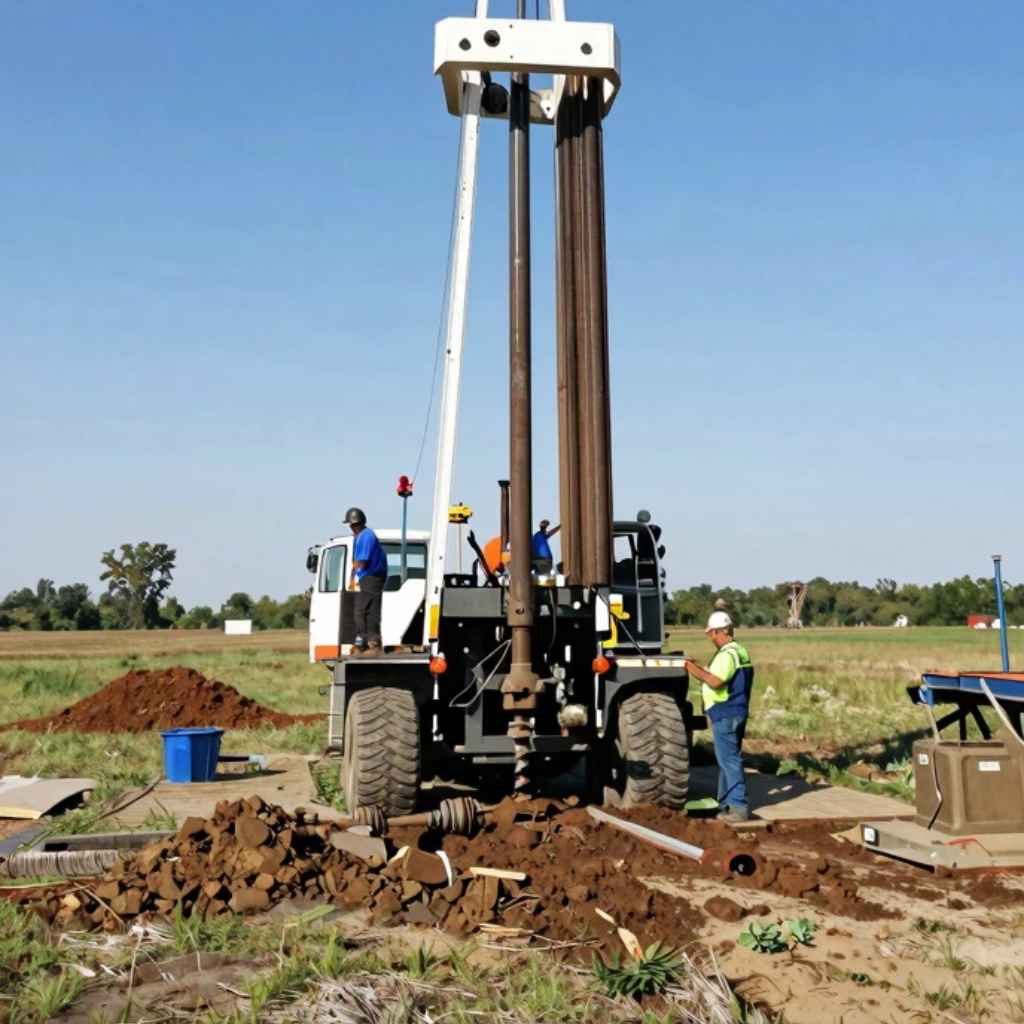
Drilling a well in the US typically costs between $5,000 and $15,000. This range depends heavily on depth, geological conditions, your location, and the materials used. Some projects can cost less, while others might reach $25,000 or more for complex situations.
Understanding Well Drilling Costs
Drilling a well means tapping into underground water. It’s not just about digging a hole. Many pieces fit together to make it happen.
The final price reflects all these parts. We’ll look at what makes the cost go up or down. Think of it like building a house.
Some choices cost more than others.
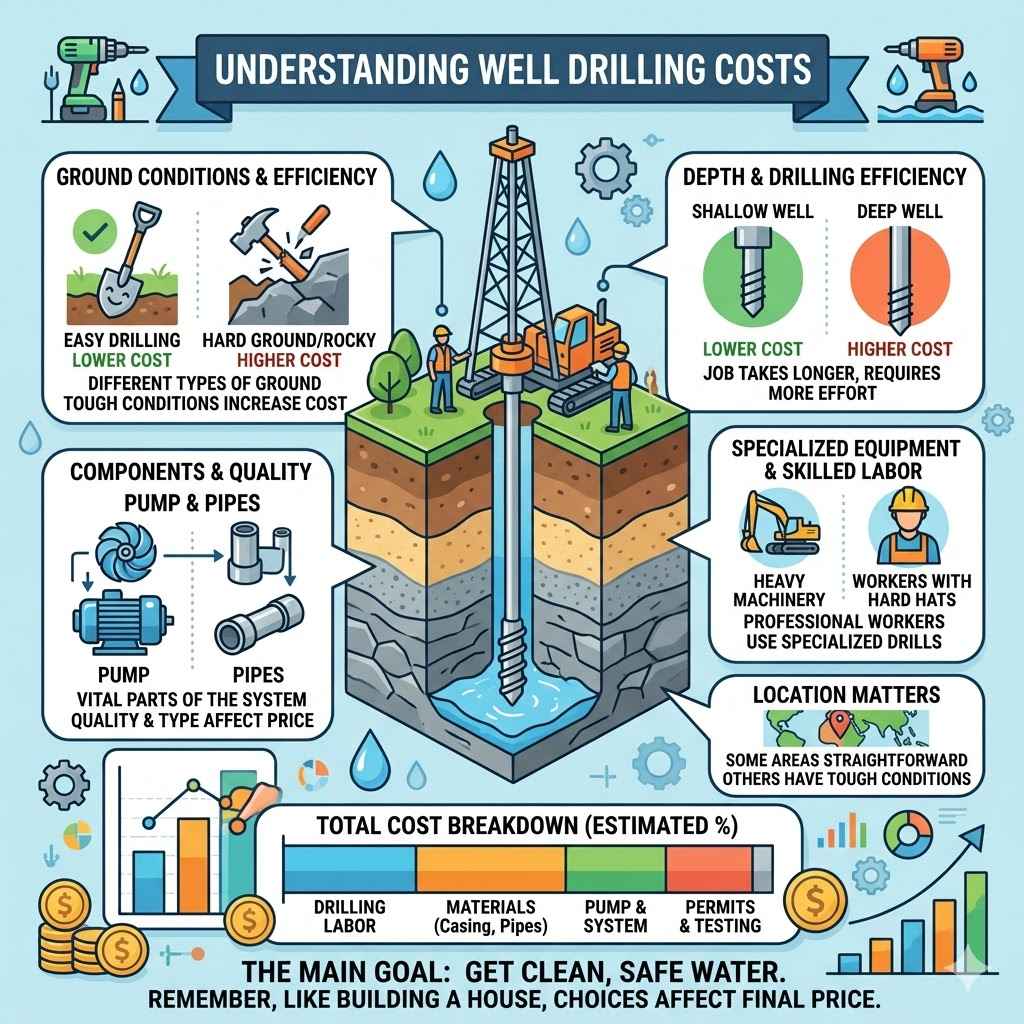
The main goal is to get clean, safe water. This process involves specialized equipment and skilled workers. They have to deal with different types of ground.
Some ground is easy to drill through. Other ground is very hard or has a lot of rocks. This makes the job take longer and require more effort.
That’s a big part of why costs vary so much.
You also need to consider the pump and pipes. These are vital parts of the system. The quality and type of these components affect the price.
Also, where you live matters. Some areas have more straightforward drilling. Others have tough conditions.
We’ll dive into these details more.
Factors That Shape Your Well Drilling Price
Several key things affect the total cost. Knowing these helps you understand the bids you get. It also helps you plan your budget.
Depth of the Well
This is often the biggest cost driver. The deeper you need to go, the more it costs. Drilling machines use a lot of energy to go down.
They also need more time. Every foot drilled adds to the bill. Some areas have water close to the surface.
Others require drilling very deep.
Think about it this way: imagine a giant straw. If you need to reach water at the bottom of a tall glass, it’s harder than reaching water near the top. Well drilling is similar.
Very shallow wells might only cost a few thousand dollars. But wells that need to go hundreds of feet down can get quite expensive. We’re talking about thousands of dollars just for the drilling itself.
The depth also impacts the kind of pump you need. A deeper well needs a stronger pump. This adds to the overall cost of the system.
So, depth is a major factor to consider from the start.
Geological Conditions
The ground beneath your feet is not the same everywhere. Some areas have soft soil. This is easy to drill through.
Other areas have hard rock, like granite. Drilling through rock takes much longer. It also wears out the drill bits faster.
This means more specialized equipment and more time spent on the job.
Sometimes, drills hit large boulders. These can stop the drilling process. Workers have to find ways to break them up or go around them.
This adds unexpected delays and costs. It’s one of those things that makes well drilling unpredictable.
Water-bearing layers, called aquifers, also play a role. Finding a good aquifer is key. Sometimes, the first spot you drill might not yield enough water.
You might need to drill a second hole. This, of course, increases the cost significantly. Understanding the local geology is crucial for accurate estimates.
Location and Accessibility
Where your property is located matters. If your land is hard to get to, it costs more. The drilling company might need special trucks.
They might need to build temporary roads. Getting equipment to remote or difficult sites takes more time and effort. This translates into higher labor and equipment costs.
Think about driving a big truck loaded with heavy gear. If the road is bumpy or narrow, it’s slow and difficult. The same applies to well drilling rigs.
If they have to navigate rough terrain, it adds to the job’s complexity and expense. Also, local regulations can vary by area. Some places have stricter rules, which can add to the costs.
Type of Well and Casing
There are different types of wells. A common type is a drilled well. This is what most people think of.
It’s a vertical shaft dug into the ground. The shaft is lined with casing. This is usually made of steel or PVC pipe.
The casing keeps the well from collapsing. It also stops surface water from getting in.
The material and diameter of the casing affect the price. Steel casing is more durable but costs more than PVC. The size of the casing also matters.
A wider casing costs more. It can also allow for larger pumps. The depth of the casing also plays a role.
It needs to go down far enough to be stable and seal off any poor water sources.
Sometimes, depending on the ground, you might need specialized casing. This could include double casing or grouting. These methods add extra layers of protection but also add to the expense.
The goal is a safe and long-lasting water source.
Water Quality and Testing
Once the well is drilled, the water needs to be tested. This is to make sure it’s safe to drink. Testing can uncover things like high levels of certain minerals or bacteria.
If the water needs treatment, this adds more cost. Treatment systems like filters or UV purifiers are an extra expense.
The initial test is usually included in the drilling price. But if problems are found, you’ll need to pay for follow-up tests and any necessary treatment equipment. Some areas have naturally occurring contaminants.
This is something to be aware of before you start drilling. A good well driller will discuss potential water quality issues in your region.
Permits and Regulations
Most places require permits to drill a well. These permits have fees. The cost of permits varies by state and county.
You might also need inspections during and after the drilling process. These add to the overall cost. Your well driller usually handles the permitting process for you.
Some areas have strict regulations about well placement and construction. For example, there might be rules about how far a well must be from a septic system or property lines. Meeting these requirements can sometimes add complexity.
This could involve more labor or special equipment, driving up the price. Always check with your local authorities about these rules.
Personal Experience: The Day the Drill Bit Broke
I remember working on a project out in the country. The homeowner, a lovely older woman named Martha, was so excited about getting her own well. She’d been hauling water from a neighbor’s place for years.
We started drilling on a crisp autumn morning. The rig hummed, and the ground was yielding nicely at first. We were maybe 50 feet down, making good progress.
Then, with a horrible screech and a jolt, the drill bit snapped. Just snapped clean off! We had a solid chunk of metal stuck way down in the ground.
Panic started to set in. The drilling crew had never seen anything like it in years. They spent the rest of the day trying every trick in the book to get it out.
It meant more time, more specialized tools, and a lot of stress. Martha was so patient, but you could see the worry on her face. That broken bit ended up adding nearly $2,000 to the final bill.
It was a stark reminder that nature, and machinery, can always throw a curveball.
Average Costs Breakdown
Let’s look at some typical costs. These are averages, and your actual price can be higher or lower. It’s helpful to see where the money usually goes.
Well Drilling Costs at a Glance
Drilling Labor: This is the biggest chunk. It covers the rig, crew, and time spent drilling. It’s often priced per foot.
Casing: The pipes that line the well. Price depends on material (steel, PVC) and diameter.
Well Screen: A special filter at the bottom. Keeps sediment out but lets water in.
Grouting: Sealing the space between the casing and the ground. Keeps out contaminants.
Pump System: This includes the submersible pump, pressure tank, and controls. A significant cost.
Permits and Testing: Fees for local permits and water quality tests.
Miscellaneous: Site preparation, travel, disposal of drilling fluids.
Cost Per Foot
Many drillers quote a price per foot. This is the simplest way to understand drilling costs. But remember, this price usually only covers the actual drilling and casing.
It doesn’t always include the pump or other extras.
In the U.S., the average cost per foot can range from $25 to $75. For very difficult drilling conditions or very deep wells, this can jump to $100 or more per foot. A 100-foot well might cost $2,500 to $7,500 just for drilling.
A 400-foot well could cost $10,000 to $30,000 or more.
This per-foot cost is a good starting point. But it’s vital to get a full quote. Ask what’s included.
Does it cover the pump? What about the electrical hookup for the pump? These details matter for your budget.
Pump and Pressure Tank Costs
The pump is what brings water from the well to your house. It’s a critical component. The type and size of the pump depend on the well’s depth and how much water you need.
A submersible pump is placed down inside the well. These can cost anywhere from $500 to $2,000 or more. A jet pump, sometimes used for shallower wells, might be less expensive but less efficient for deep wells.
You also need a pressure tank. This tank stores water and keeps the pressure in your home consistent. It prevents the pump from running constantly.
A typical pressure tank might cost $200 to $500. The entire pump system, including installation and controls, can easily add $1,500 to $4,000 to your total bill.
Total Project Costs
When you add everything up, the total cost can be substantial. For a typical residential well, most homeowners spend between $5,000 and $15,000. This is for a complete system, including drilling, casing, pump, and installation.
However, some wells can be much cheaper. If you have shallow groundwater and easy drilling conditions, you might get away with $3,000 to $5,000. On the flip side, complex geological formations, very deep wells, or remote locations can push the cost to $20,000 or even $25,000.
It’s important to remember that this is an investment. A properly drilled and maintained well can provide water for decades. So, while the upfront cost is high, the long-term value is significant.
Sample Cost Breakdown (Mid-Range Well)
| Item | Estimated Cost |
|---|---|
| Drilling (300 ft @ $40/ft) | $12,000 |
| Casing and Screen | $1,500 |
| Pump System (Submersible, Tank, Controls) | $3,000 |
| Permits and Water Testing | $500 |
| Installation & Miscellaneous | $1,000 |
| Total Estimated Cost | $18,000 |
Real-World Context: What Affects the Price the Most?
When people ask about well costs, they often wonder what the biggest variable is. It’s almost always the drilling depth combined with the geology.
Imagine two houses side-by-side. One is on a hill with lots of bedrock. The other is in a valley with softer soil.
The house on the hill might need a much deeper well and face harder drilling. This could easily make their well cost twice as much as their neighbor’s, even if they are only a few hundred feet apart.
Another factor is the water table. In some regions, the water is close to the surface. In others, it’s much deeper.
The U.S. Geological Survey (USGS) has data on local water tables. This can give you a clue about how deep you might need to drill.
Also, think about the type of pump. If you need a high-volume pump for a large household or for irrigation, that pump will cost more. The electrical connection for the pump also adds to the expense.
This includes trenching for wires and hooking up to your home’s electrical panel.
Myth vs. Reality: Well Costs
What This Means For Your Budget
Understanding these costs is crucial for planning. You need to be prepared for the investment. It’s not a small purchase, but it’s one that can last for a very long time.
When is it Normal to Pay More?
It’s normal to pay more if you live in an area with:
- Hard rock formations like granite or limestone.
- A very deep water table.
- Remote locations requiring difficult access.
- Strict environmental regulations.
- The need for a large-capacity pump for your home or property.
These situations require more time, more specialized equipment, and more expertise, all of which add to the cost. Be wary of prices that seem too good to be true in these scenarios.
When Might You Pay Less?
You might pay less if:
- Your area has a shallow water table.
- The soil is easy to drill through.
- You need a standard-sized pump for a smaller household.
- Your property is easily accessible for drilling equipment.
- You are part of a community well project or group purchase.
Even in these cases, don’t expect it to be cheap. Quality work and materials are always important for a reliable water supply.
Simple Checks Before You Decide
Before you commit to a driller, do a few things:
- Get Multiple Quotes: Talk to at least three reputable well drillers. Compare their bids carefully.
- Check References: Ask for references from past customers. Call them to see their experience.
- Understand the Contract: Read everything before signing. Make sure you know what’s included and what’s not.
- Ask About Guarantees: What happens if they can’t find water? What’s the warranty on the work?
- Research Local Conditions: Talk to neighbors who have wells. What did they pay? What challenges did they face?
These simple steps can save you a lot of money and hassle. They also help ensure you choose the right professional for the job.
Quick Scan: Factors Affecting Cost
Deep Dive: The deeper you go, the higher the cost.
Tough Ground: Rock and difficult soil mean more expense.
Location, Location: Remote or hard-to-reach sites cost more.
Pump Power: Larger homes or higher water needs mean pricier pumps.
Local Rules: Permits and inspections add to the total.
Quick Fixes & Tips for Managing Costs
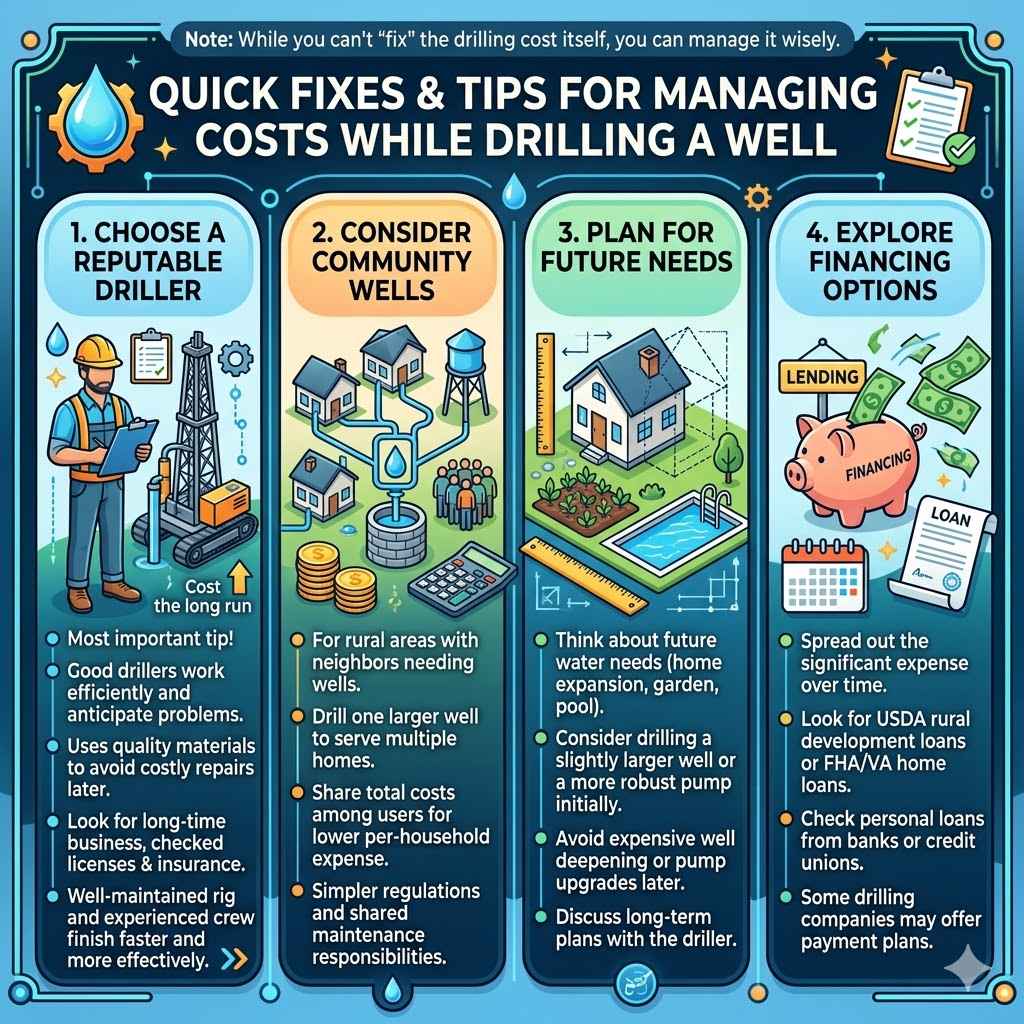
While you can’t “fix” the cost of drilling itself, you can manage it wisely.
Choose a Reputable Driller
This is the most important tip. A good driller knows how to work efficiently. They can often anticipate problems based on local knowledge.
They also use quality materials. Cutting corners here can lead to costly repairs down the road.
Look for drillers who have been in business for a long time. Check their licenses and insurance. A well-maintained drilling rig and experienced crew are worth paying for.
They can often complete the job faster and more effectively, which can save money in the long run.
Consider Community Wells
If you live in a rural area with several neighbors who also need wells, consider a community well. Drilling one larger well to serve multiple homes can often be more cost-effective than drilling individual wells. The cost is shared among users, and the total cost per household can be lower.
This also often means simpler regulations and shared maintenance responsibilities.
Plan for Future Needs
When you drill your well, think about your future water needs. Do you plan to expand your home? Add a garden or landscaping that requires significant water?
Install a pool? If so, consider drilling a slightly larger well or installing a more robust pump system from the start. It’s much more expensive to have to deepen a well or upgrade the pump later.
Discuss your long-term plans with your well driller. They can advise you on the best way to set up a system that can accommodate your future needs without excessive upfront costs. Sometimes a slightly larger pipe or a more powerful pump can offer a good balance.
Explore Financing Options
Since well drilling is a significant expense, many homeowners explore financing. USDA rural development loans, FHA or VA home loans (if you’re buying a home), or personal loans from banks or credit unions can help spread the cost. Some drilling companies may also offer payment plans.
Frequent Questions About Well Drilling Costs
How long does it take to drill a well?
Drilling a residential well typically takes 1 to 3 days. This can vary depending on the depth, ground conditions, and the drilling crew’s efficiency. It doesn’t include time for permits or pump installation.
Is a well water always free?
The water itself is free from underground sources. However, you pay for the drilling, pump, maintenance, and electricity to run the pump. Testing and potential treatment systems also add costs.
How much does a well pump cost?
A typical submersible well pump system, including the pump, pressure tank, and controls, can cost between $1,500 and $4,000. The exact price depends on the pump’s horsepower, depth, and brand.
What is the average depth of a residential well?
The average depth of a residential well in the U.S. is around 100 to 400 feet. However, this varies greatly by region.
Some wells can be much shallower, while others might go over 1,000 feet deep.
Can drilling a well lower my property value?
No, having a functional well typically increases property value, especially in rural areas. It provides water independence and can be a significant selling point. However, the well must be properly constructed and maintained.
What are the hidden costs of drilling a well?
Hidden costs can include unexpected geological issues (like hitting hard rock), the need for a more expensive pump, extensive site preparation, or complex electrical hookups. Always get a detailed quote and ask about potential overages.
Conclusion: Investing in Your Water Future
Drilling a well is a significant undertaking with a considerable upfront cost. Understanding the factors that influence pricing, from depth and geology to location and equipment, is key. While the average might be $5,000 to $15,000, remember this is a guide.
Your specific situation will determine the final amount.
View this cost as an investment. It’s an investment in reliable water, self-sufficiency, and potentially increased property value. By getting multiple quotes, asking thorough questions, and choosing a reputable professional, you can navigate the process with confidence and secure a vital resource for your home for years to come.