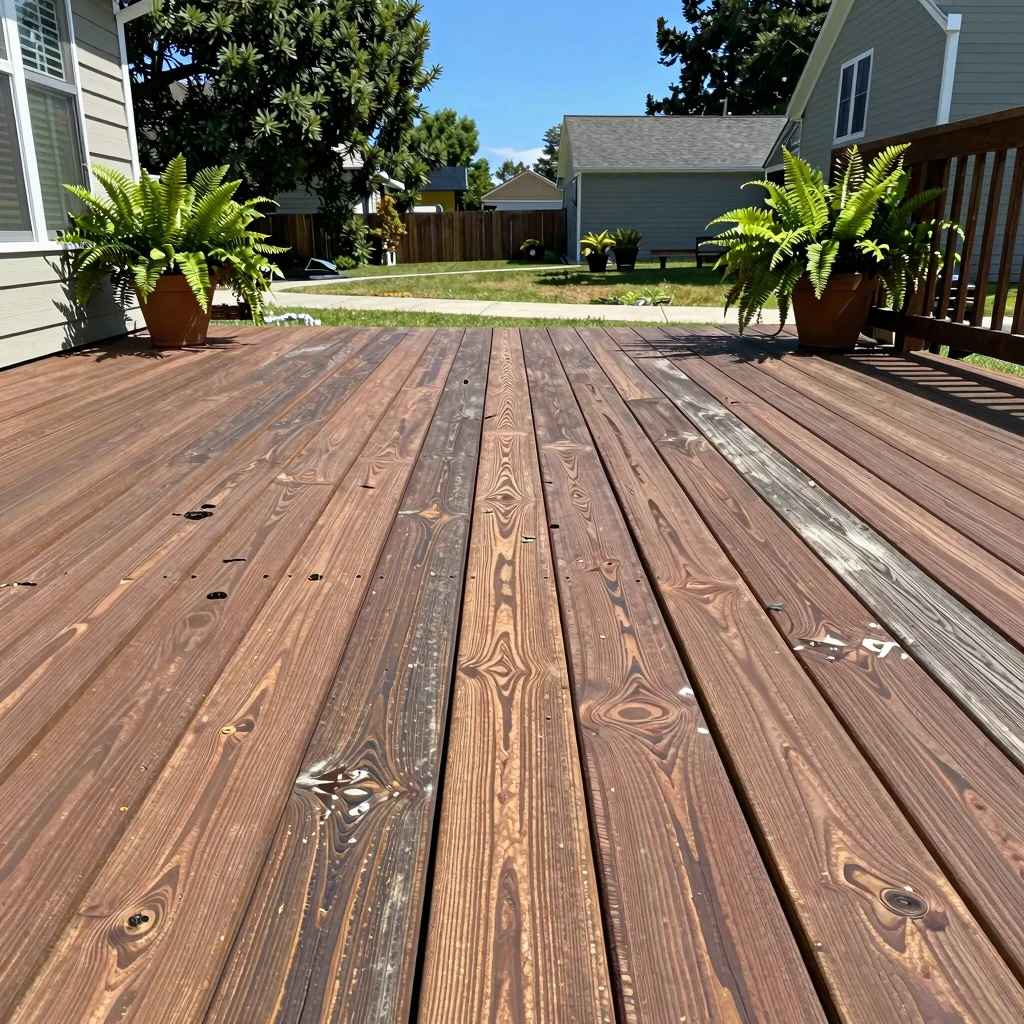
How to Clean an Ipe Wood Deck and Keep It Looking Great
Cleaning an ipe wood deck can seem tricky at first. Many people wonder about the best way to handle this beautiful, tough wood. This guide makes How to Clean an Ipe Wood Deck and Keep It Looking Great simple.
We’ll walk you through easy steps to get your deck looking its best. Get ready to learn how to care for your ipe wood with confidence.
Caring For Your Ipe Wood Deck
Ipe wood is famous for its incredible durability and natural beauty. It’s a hardwood that can last for decades with the right care. However, like any outdoor wood, it needs regular cleaning to keep it looking good and to prevent damage.
This section covers the basics of what ipe wood is and why it requires specific attention.
Ipe, also known as Brazilian Walnut, is a dense tropical hardwood. Its natural oils make it highly resistant to rot, decay, and insects. This natural strength is why it’s a top choice for decks, docks, and other outdoor projects.
But exposure to sun and rain can cause it to fade to a silvery-gray color over time. It can also accumulate dirt, mold, and mildew, dulling its rich brown tones.
For beginners, the idea of cleaning a valuable deck like ipe can feel overwhelming. You might worry about using the wrong products and damaging the wood. The good news is that keeping your ipe deck looking fantastic is achievable with a straightforward approach.
We’ll break down the process into simple, manageable steps.
Why Regular Cleaning Matters for Ipe
Regular cleaning is vital to preserve the lifespan and aesthetic appeal of your ipe deck. Neglecting it can lead to more significant problems down the line. Dirt and debris can trap moisture, creating a breeding ground for mold and mildew.
These can not only make your deck look unsightly but can also start to break down the wood fibers over time.
The sun’s UV rays are another factor. They break down the natural lignin in wood, causing it to lose its color and become more prone to surface damage. Cleaning helps remove the surface layer of weathered wood and prepares it for protective treatments.
This prevents the wood from becoming brittle and cracking.
Mold and mildew are common issues on wooden decks, especially in humid climates. They appear as dark spots or a fuzzy green/black growth. If left untreated, they can stain the wood and even become slippery, posing a safety hazard.
Regular cleaning removes these growths before they can cause lasting damage.
The initial look of your ipe deck is often a rich, deep brown. Without maintenance, this color will fade to a soft, silvery-gray. While many people find this weathered look appealing, it means the wood has undergone surface weathering.
Cleaning and applying a finish can restore or enhance the original color and protect it from further fading.
Understanding Ipe Wood’s Properties
Ipe wood is prized for its exceptional hardness and density. This makes it very resistant to scratches and wear. It’s also naturally resistant to fire, insects, and decay, which contributes to its long lifespan.
These characteristics mean it can withstand harsh outdoor conditions better than many other wood types.
The density of ipe wood means it absorbs very little moisture compared to softer woods. This is a key reason it’s so resistant to rot and warping. However, this density also means that cleaning solutions and finishes may not penetrate as deeply as they would on other woods.
This is an important consideration when choosing cleaning products and sealers.
Ipe wood contains natural oils and extractives. These contribute to its durability and color. When exposed to UV radiation, these extractives can rise to the surface, especially after a cleaning.
This can sometimes lead to a slight darkening or a sticky feel, which is normal and usually resolves itself or can be addressed with further cleaning.
Because ipe is so dense, it’s also very heavy. This makes installation a bit more challenging, but its durability makes the effort worthwhile. When it comes to cleaning, its hardness means it’s less likely to be damaged by gentle scrubbing, but harsh chemicals or abrasive tools can still cause harm.
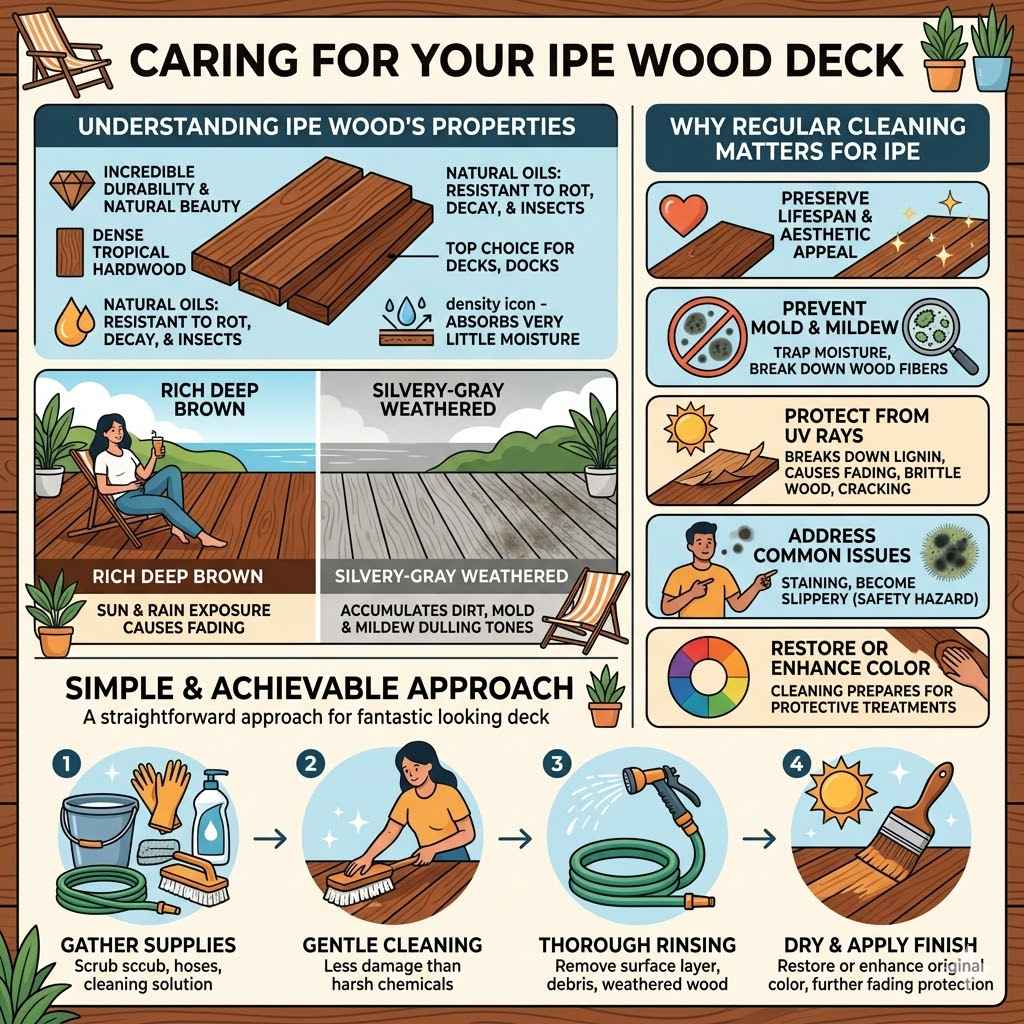
Step-by-Step Guide How to Clean an Ipe Wood Deck and Keep It Looking Great
This section provides a clear, step-by-step process for cleaning your ipe wood deck. Following these instructions will help you achieve excellent results without damaging your valuable wood. We cover everything from preparation to the final steps for a beautiful, long-lasting finish.
Before you start cleaning, it’s essential to gather all the necessary supplies. Having everything ready will make the process much smoother and more efficient. This includes safety gear, cleaning tools, and the appropriate cleaning solutions.
Preparing your deck area by removing furniture and sweeping away loose debris is also a crucial first step.
The cleaning process itself involves applying a cleaner, gently scrubbing, and then rinsing thoroughly. The type of cleaner you use will depend on the condition of your deck and what you want to achieve. We will discuss different cleaning options, from mild solutions to those for tougher stains.
Once the deck is clean and dry, you’ll have the option to apply a finish. This is key to protecting your ipe wood and restoring its rich color. We will explore the benefits of sealing and the types of finishes suitable for ipe wood.
Preparation Is Key for a Sparkling Deck
Proper preparation is the foundation for any successful cleaning project, especially for your ipe wood deck. Taking the time to prepare correctly will ensure that the cleaning process is effective and that you don’t encounter unexpected problems. This involves clearing the area, sweeping, and protecting surrounding elements.
First, remove all outdoor furniture, planters, grills, and any other items from the deck surface. This gives you complete access to the entire deck. It also prevents cleaning solutions from interacting with these items, which could cause damage or staining.
Store these items in a safe, dry place while you work.
Next, thoroughly sweep the deck. Use a stiff-bristled broom to remove all loose dirt, leaves, dust, and debris. Pay attention to corners and gaps between the boards.
This step is crucial because any loose particles can become abrasive during scrubbing, potentially scratching the wood surface. Sweeping also helps you see any specific stains or problem areas that need extra attention.
If you have any plants near the deck, it’s wise to cover them with plastic sheeting. Some cleaning solutions, even mild ones, can harm vegetation if they come into direct contact. This protective measure ensures your landscaping remains healthy and vibrant.
Inspect the deck for any nails or screws that are protruding. Gently tap them down with a hammer to ensure they are flush with the wood surface. This prevents snags and potential injuries when you are walking on or cleaning the deck.
Choosing the Right Cleaning Solution
Selecting the appropriate cleaning solution is vital for effectively cleaning your ipe deck without causing harm. There are several options available, ranging from simple, natural cleaners to specialized wood deck cleaners. The best choice depends on the deck’s condition and the type of grime you’re dealing with.
For general cleaning and maintenance, a mild solution is often sufficient. You can create a simple cleaner by mixing a small amount of pH-neutral soap or a dedicated wood deck cleaner with water. Avoid harsh detergents or bleach, as these can strip the natural oils from the ipe and potentially damage its surface over time.
Always follow the manufacturer’s instructions for any commercial cleaner you use.
For decks with mildew or algae growth, a more targeted approach might be necessary. Many deck cleaners are formulated to tackle these specific issues. Look for products specifically designed for hardwood decks.
These often contain oxygen bleach or other gentle cleaning agents that are effective against mold and mildew but less harsh than chlorine bleach.
It’s important to understand what pH-neutral means in this context. pH is a scale that measures how acidic or alkaline a substance is. A pH of 7 is neutral.
Soaps and cleaners with a pH close to 7 are considered pH-neutral and are less likely to cause damage to wood than strongly acidic or alkaline products. For example, a strong alkaline cleaner (high pH) could potentially strip natural oils and lighten the wood too much, while a strong acidic cleaner (low pH) could etch the surface.
When in doubt, always test any cleaning solution on an inconspicuous area of the deck first. This allows you to check for any adverse reactions or discoloration before applying it to the entire surface. This small step can save you from a much larger problem.
The Cleaning Process Gentle Scrubbing and Rinsing
Once you have your chosen cleaner mixed and your deck prepared, it’s time to begin the cleaning process. This involves applying the solution, gently scrubbing, and rinsing thoroughly. Patience and a gentle approach are key to protecting your ipe wood.
Start by applying the cleaning solution to a small section of the deck at a time. This prevents the cleaner from drying out before you can scrub and rinse it. You can use a garden sprayer for even application or a mop or brush.
Avoid letting the cleaner sit for too long, especially in direct sunlight.
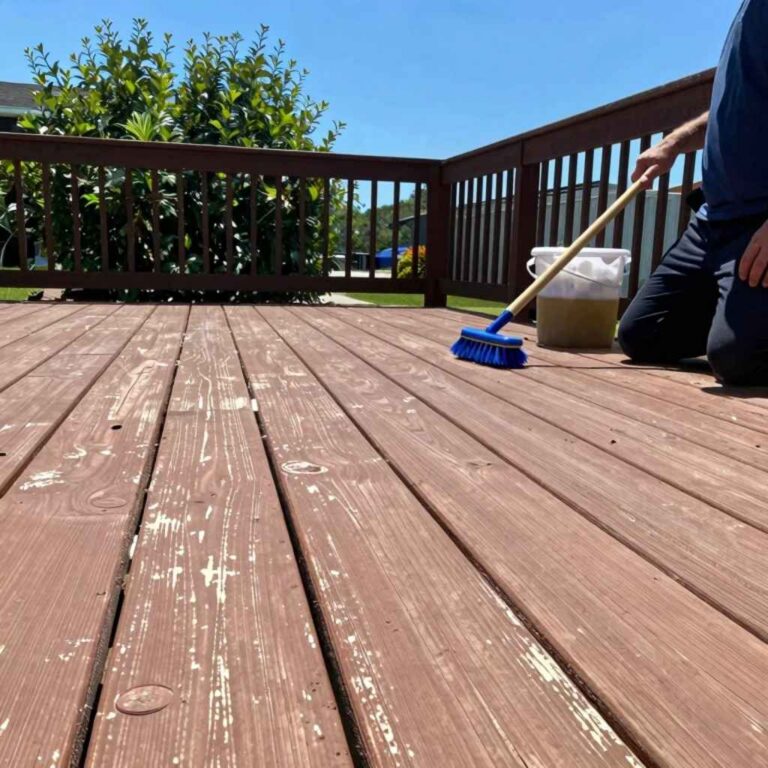
Use a soft-bristled brush or a scrub brush with synthetic bristles. Avoid wire brushes, as these can scratch the ipe wood. Gently scrub the surface of the boards, working in the direction of the wood grain.
This helps to lift dirt and grime without damaging the fibers.
For stubborn stains or mildew, you may need to let the cleaner dwell for a few extra minutes, but be careful not to let it dry. Reapply the cleaner if it starts to dry out. Gentle, consistent scrubbing is more effective than aggressive scrubbing.
After scrubbing a section, rinse it thoroughly with clean water from a garden hose. Ensure all traces of the cleaning solution are removed. Leftover cleaner can attract dirt and can also lead to uneven staining or discoloration once a finish is applied.
Rinse the deck thoroughly, working from the highest point downwards if your deck has a slope.
Work in sections, cleaning and rinsing one area before moving to the next. This ensures that you don’t miss any spots and that the entire deck is cleaned evenly. Once you’ve completed all sections, give the entire deck a final rinse.
Drying and Preparing for Protection
After thoroughly rinsing your ipe deck, the next crucial step is to allow it to dry completely. This is a vital part of the process, especially if you plan to apply a protective finish. Applying any product to a wet or damp surface can lead to poor adhesion and premature failure of the finish.
The drying time for an ipe deck will vary depending on the weather conditions. On a warm, sunny, and breezy day, your deck might dry within a few hours. However, on a humid or overcast day, it could take 24 to 48 hours, or even longer.
It’s essential to be patient and wait until the wood is truly dry to the touch, not just on the surface.
You can help speed up the drying process by ensuring good air circulation. If possible, open any gates or doors that might restrict airflow around the deck. Avoid walking on the deck during the drying period to prevent leaving footprints or transferring dirt back onto the clean surface.
Once the deck is dry, you might notice that the wood has a slightly raised grain or feels a bit rough. This is normal, especially after cleaning. If you plan to apply a finish, you can lightly sand the deck to ensure a perfectly smooth surface.
Use a fine-grit sandpaper (around 120-grit) and always sand in the direction of the wood grain.
Sand only if necessary. For many finishes, a light sanding isn’t strictly required, but it can enhance the final look. If you do sand, make sure to thoroughly clean away all sanding dust afterward.
A leaf blower or a vacuum cleaner with a brush attachment works well for this. Any remaining dust can be trapped under the finish, creating an uneven appearance.
How to Maintain Your Ipe Deck’s Beauty
Maintaining the beauty of your ipe deck involves more than just initial cleaning. Regular upkeep and the right protective measures will ensure your deck remains stunning and durable for years to come. This section focuses on protecting your ipe wood and keeping it looking its best between deep cleans.
The primary enemies of an ipe deck’s appearance are the sun’s UV rays and moisture. The sun causes the wood to fade and can lead to surface degradation. Moisture, especially when trapped, encourages mold and mildew growth.
Protective finishes are designed to combat these elements.
Choosing the right protective finish is key. Ipe wood can be left to weather naturally to a silvery-gray, which many find attractive. However, if you want to maintain the rich brown color of the wood, you will need to apply a finish.
These finishes not only add color but also provide a protective barrier.
Regular inspection and minor touch-ups can prevent small issues from becoming big problems. Understanding what signs to look for will help you address potential concerns before they impact your deck’s integrity or appearance.
Applying a Protective Finish or Sealer
Applying a protective finish or sealer is the best way to maintain the rich color of your ipe deck and protect it from the elements. While ipe is naturally durable, a good finish enhances its longevity and aesthetic appeal. There are several types of finishes to consider, each with its own benefits.
Many people choose to use an oil-based sealant or a penetrating deck stain. These products are designed to soak into the wood, replenishing lost oils and providing UV protection. They can help to restore the wood’s natural color and provide a beautiful, natural-looking finish.
Look for products specifically formulated for hardwood decks or exotic woods like ipe.
When selecting a finish, consider whether you want to maintain the natural look of the wood or add a slight tint. Many stains come in various shades of brown, allowing you to enhance or deepen the wood’s color. Clear sealers offer protection without altering the color, though they will eventually allow the wood to weather to gray over time.
Always ensure your deck is completely dry and free of dust before applying any finish. Follow the manufacturer’s instructions precisely regarding application methods, drying times, and the number of coats required. Typically, applying thin, even coats with a brush, roller, or pad applicator is recommended.
Avoid applying in direct sunlight or when rain is expected.
The frequency of reapplication will depend on the type of finish used and the amount of sun and weather exposure your deck receives. Generally, you may need to reapply a finish every one to three years to maintain optimal protection and appearance. Regular inspections will help you determine when it’s time for reapplication.
Dealing with Stains and Spot Treatments
Even with regular cleaning, your ipe deck might occasionally develop stubborn stains. These can be from spills, grease, or other common outdoor contaminants. Addressing these promptly and with the right method will prevent them from becoming permanent fixtures on your deck.
For grease or oil stains, it’s best to act quickly. You can often use an absorbent material like sawdust, cornstarch, or baking soda to soak up fresh spills. Apply the absorbent generously, let it sit for several hours or overnight, then sweep it away.
You may need to repeat this process.
If the absorbent method doesn’t fully remove the stain, you can try a specialized deck cleaner designed for grease or oil. Alternatively, a mild solution of dish soap and water can sometimes help break down these types of stains. Gently scrub the affected area with a soft brush and rinse thoroughly.
For rust stains, which can occur from metal furniture or items left on the deck, a specific rust remover designed for wood may be necessary. Follow the product instructions carefully, as these can be potent. Always test on an inconspicuous area first.
For general surface stains like mildew or algae, the cleaning steps outlined earlier will usually suffice. If you find isolated spots that are particularly resistant, you might need to use a slightly stronger cleaner or allow it to dwell a bit longer on that specific spot, always with careful observation.
Remember, patience is key. Some stains require multiple treatments. Avoid aggressive scrubbing or harsh chemicals that could damage the ipe wood in an attempt to remove a stain quickly.
A gentle, repeated approach is almost always more effective and safer for your deck.
Seasonal Maintenance Tips
Regular seasonal maintenance is crucial for keeping your ipe deck in top condition throughout the year. This involves simple tasks that prevent buildup and protect the wood from harsh weather changes.
In the spring, after the winter weather has passed, it’s time for a thorough cleaning. Remove any debris that accumulated over the winter. Follow the cleaning steps outlined earlier to remove dirt, mold, and mildew.
Once clean and dry, inspect your deck for any damage that may have occurred during the colder months. This is also a good time to reapply a protective finish if needed.
During the summer, sweep your deck regularly to remove surface debris like leaves and pollen. This prevents them from sitting on the wood and potentially causing stains or encouraging mold growth. Address any spills immediately.
As autumn approaches, prepare your deck for the cooler, wetter months. Ensure any fallen leaves are promptly removed. Standing water and damp leaves can promote mold and mildew growth, so regular sweeping is important.
If you have outdoor furniture, consider cleaning and storing it or covering it to protect it from the elements.
In the winter, while you might not be using your deck as much, it’s still exposed to the elements. Snow and ice can accumulate. If possible, gently remove heavy snow buildup to reduce moisture exposure.
Avoid using salt or harsh ice melt products, as these can damage the wood. If your deck is covered, ensure that water can drain freely to prevent ice dams.
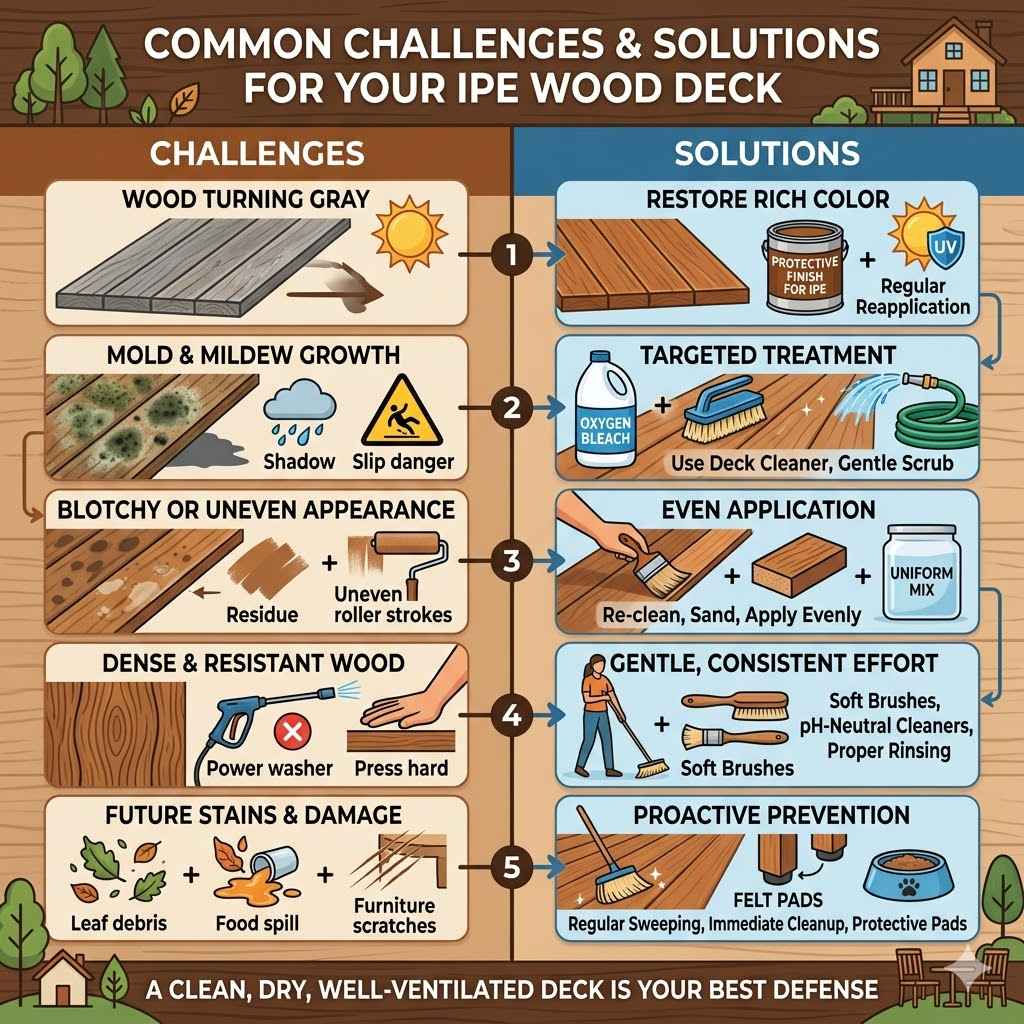
Common Challenges and Solutions
Even with the best intentions, you might encounter a few challenges when cleaning and maintaining your ipe wood deck. Understanding these common issues and their solutions will help you address them effectively and keep your deck looking its best.
One common challenge is the wood turning gray. This is a natural weathering process caused by UV exposure. If you prefer the rich brown color, applying a protective finish designed for ipe wood is the solution.
Regular reapplication of this finish will combat the graying effect.
Another issue can be the appearance of mold or mildew, especially in shaded or damp areas. This is often due to trapped moisture and organic debris. Thorough cleaning with a wood deck cleaner formulated for mold and mildew removal is the best approach.
Ensuring good ventilation around your deck can also help prevent its recurrence.
Sometimes, a deck might appear blotchy or uneven after cleaning or finishing. This can happen if the cleaner was not rinsed off completely, if the wood was not uniformly dry, or if the finish was applied unevenly. Addressing this often involves re-cleaning or sanding the affected areas and reapplying the finish with more care and attention to even application.
Ipe wood is very dense, which can make it seem resistant to cleaning products. However, this also means that gentle, consistent effort is usually more effective than aggressive methods. Always opt for softer brushes and pH-neutral cleaners unless dealing with severe staining.
Proper rinsing is paramount to avoid residue issues.
Tackling Mold and Mildew Growth
Mold and mildew are common adversaries for any outdoor wooden surface, and ipe decks are no exception. These fuzzy growths thrive in damp, shaded conditions and can detract from your deck’s appearance while also posing a slip hazard. Fortunately, dealing with them is manageable with the right approach.
The first line of defense against mold and mildew is regular cleaning. This physically removes the spores and the organic matter they feed on. When you notice signs of mold or mildew, such as dark spots or a greenish-black film, it’s time for a targeted treatment.
For stubborn mold and mildew, you’ll want to use a deck cleaner specifically formulated for these issues. Many products contain oxygen bleach, which is effective at killing mold and mildew without being as harsh as chlorine bleach. Always read and follow the manufacturer’s instructions carefully.
When applying the cleaner, work in small sections to prevent it from drying out. Use a soft-bristled brush to gently scrub the affected areas, always working in the direction of the wood grain. After scrubbing, rinse the area thoroughly with clean water.
Ensure all cleaner residue is washed away.
Prevention is also key. Keep your deck clear of debris like leaves and fallen branches, as these trap moisture. Trim back any overgrown vegetation that shades the deck excessively, allowing for better airflow and sunlight exposure.
If your deck is prone to standing water, consider improving drainage.
In severe cases, repeated treatments might be necessary. However, always prioritize gentle methods to avoid damaging the ipe wood. A clean, dry, and well-ventilated deck is your best defense against recurring mold and mildew problems.
Restoring Faded Ipe Wood
One of the most common aesthetic changes ipe wood undergoes is fading to a silvery-gray color due to sun exposure. While this weathered look can be appealing, many homeowners prefer to restore the wood’s original rich brown tones. Fortunately, this is quite achievable with the right products and techniques.
The process of restoring faded ipe typically begins with a thorough cleaning. This removes the weathered surface layer and any accumulated dirt or mildew. After cleaning, you might notice that the wood’s natural color starts to peek through.
However, to fully restore and protect it, applying a finish is essential.
Specialized ipe restorers or brighteners are available. These products are designed to lighten the wood and remove the graying effect, preparing it for a new protective finish. They often contain oxalic acid, which is effective at neutralizing the tannins in the wood that contribute to the graying.
After applying and rinsing these products, the wood will appear lighter and brighter.
Once the wood is clean, brightened, and completely dry, it’s time to apply a penetrating oil or a deck stain. Choose a product specifically designed for hardwood or exotic woods like ipe. These finishes will penetrate the wood, replenish lost oils, and impart a rich color.
Many products offer UV protection, which is crucial for preventing future fading.
Application is typically done with a brush, roller, or applicator pad. It’s important to apply the finish evenly and in thin coats, following the manufacturer’s directions. Avoid allowing the product to pool on the surface.
A well-maintained and restored ipe deck can look brand new and last for many more years.
Preventing Future Stains and Damage
Proactive measures are the best way to keep your ipe deck looking pristine and prevent the need for extensive stain removal or damage repair. Thinking ahead about how to protect your investment will save you time and effort in the long run.
Regular sweeping is a simple but highly effective preventative measure. By removing leaves, dirt, and other debris promptly, you prevent them from sitting on the wood and trapping moisture, which can lead to stains and mold growth. Aim to sweep your deck at least once a week, or more often if you notice significant debris.
Immediate cleanup of spills is also critical. Whether it’s food, drinks, or pet accidents, address them as soon as they happen. Blot up wet spills immediately with a clean cloth.
For sticky or greasy spills, use a mild dish soap and water solution with a soft brush, then rinse thoroughly. Prompt action minimizes the chance of the spill setting into a permanent stain.
Using protective pads under furniture legs can prevent scratches and indentations, especially from heavy items. Felt pads are a good option for furniture that is moved frequently. For items that remain in place, such as planters, consider placing them on risers to allow for airflow and prevent moisture from being trapped underneath.
Consider applying a high-quality sealant or stain that offers UV protection. This will help to prevent the wood from fading and becoming brittle, reducing its susceptibility to surface damage. Regularly inspecting your deck for any signs of wear, loose boards, or emerging issues will allow you to address them before they become major problems.
Frequently Asked Questions
Question: How often should I clean my ipe wood deck?
Answer: For best results, clean your ipe wood deck at least once a year, ideally in the spring. If you live in an area with a lot of mold or mildew, or if your deck experiences heavy use, you might need to clean it more often, perhaps twice a year.
Question: What is the best cleaner for removing mold and mildew from ipe?
Answer: Look for deck cleaners specifically designed for mold and mildew removal. Many contain oxygen bleach, which is effective and safer for wood than chlorine bleach. Always test the cleaner on an inconspicuous area first.
Question: Can I use a pressure washer on my ipe deck?
Answer: It is generally not recommended to use a pressure washer on ipe wood, especially at high settings. The high pressure can damage the wood fibers, causing splintering or an uneven appearance. If you must use one, use the lowest pressure setting and a fan tip, keeping it at a safe distance.
Question: How do I choose a finish for my ipe deck?
Answer: For maintaining the rich brown color, opt for a penetrating oil-based sealant or a deck stain designed for hardwood. Clear sealers will protect but allow the wood to weather to gray over time. Choose based on your desired look and level of protection.
Question: How long does it take for an ipe deck to dry after cleaning?
Answer: Drying time varies greatly depending on weather conditions. On a warm, sunny day with good airflow, it might take a few hours. On a humid or overcast day, it could take 24 to 48 hours or even longer.
Ensure the wood is completely dry before applying any finish.
Summary
Keeping your ipe wood deck clean and beautiful is straightforward. Regular sweeping and an annual deep clean with a mild cleaner will handle most dirt and grime. Protecting your deck with a quality sealant or stain is key to maintaining its rich color and durability against sun and weather.
Address stains promptly and enjoy your stunning ipe deck for years to come.
Sponsored / affiliate links. As an Amazon Associate I earn from qualifying purchases. I may earn additional commission from eligible campaigns.