OZCO Ornamental Wood Ties Review
OZCO Ornamental Wood Ties are worth buying when you need a decorative connector that matches the joint you are building; choose the post base, beam saddle, or truss-style part that fits the load path, not the look alone. Using the wrong connector can leave gaps, weaker joints, and a costly rebuild. This review covers the OWT system by hardware type and explains which pergola, gate, and beam-to-post joints each piece solves.
Key features and applications

The best case for OWT is fit plus finish. These are exterior connectors made from powder-coated, hot-dipped galvanized steel, and OZCO says they are generally approved for ACQ treated lumber, which matters on modern pressure-treated builds.
The limit matters just as much. OWT is not one universal connector line. A post-to-beam bracket, a gate hinge, and a timber bolt solve different joint problems, and the hardware list changes from kit to kit.
Who it’s for
Choose OWT if you are building an exposed pergola, a gate, or a visible beam-to-post joint and want the hardware to read as part of the design. It suits DIYers and pros who care about exposed fasteners looking deliberate.
It is a weaker fit if you only need hidden structural hardware, if the post size is underspecified, or if the joint calls for a standard connector with no decorative priority.
Pros and cons
Pros
- Decorative hardware that still matches common exterior wood joints.
- Powder coated, hot dipped galvanized steel construction.
- Approved for ACQ treated lumber.
- Some kits include the connector, screws, plates, or nuts in one box.
- Timber bolts can replace standard through-bolt hardware on visible joints.
Cons
- Not every connector includes all fasteners.
- Some parts are sized for specific post dimensions only.
- Decorative finish adds cost if the joint will never be seen.
- Using the wrong length bolt or screw can leave the connection loose or misaligned.
Say your pergola uses 6×6 posts and a visible beam saddle. A post-to-beam connector can solve that joint cleanly. If you instead buy a timber bolt kit, you still need a separate bracket for the beam seat, so the visual result and the joint function both miss the mark.
A common first-timer mistake is selecting an ornamental tie for the gate design before confirming the posts can actually support the span. On a gate, that usually means buying a beam connector when the build actually needs a hinge set with screws sized for the stile and frame.
What are OZCO OWT connectors used for?
OWT connectors are used for exterior wood joints where the connection is visible and the builder wants the hardware to look intentional. The main uses here are pergola joints, gate hardware, and beam-to-post connections. The system is decorative, but the joint type should still drive the choice.
Pergola joints
For pergolas, OWT parts are most useful where rafters, beams, or posts meet at exposed corners. The connector should match the angle and the thickness of the members. A decorative flush inside plate or a post-to-beam bracket solves a different pergola condition than a timber bolt.
Gate hardware
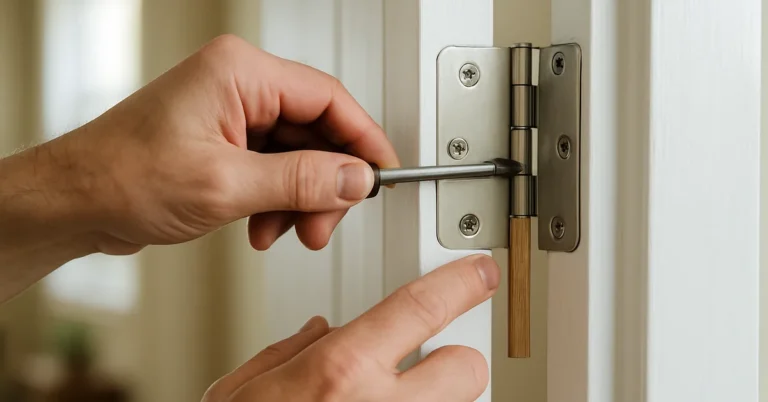
The OWT Gate T Hinge is aimed at exterior gates. It is a single bulk hinge that includes 6 1-3/4 inch timber screws, is powder coated and corrosion resistant, and is described as no pre-drilling required. That makes it a fastener-and-hinge package, not just a face plate.
Beam-to-post connections
The 8-inch Post to Beam connector is the clearest beam-to-post option in the line. It is designed for 6 inch or larger posts, uses 3/16 inch heavy gauge galvanized steel, and includes a ledge base and top cover plate for a more finished joint at the post face.
OZCO OWT connector matrix
This matrix maps the main connector types to the joint they solve, the post size fit, what comes in the kit, whether extra fasteners are needed, and the main tradeoff. Use it to match function first, then decide whether the finish is worth the added cost.
| Connector type | Joint type | Post size / fit | Included hardware | Extra fasteners needed? | Main tradeoff |
|---|---|---|---|---|---|
| 8-inch Post to Beam connector | Beam-to-post joint | 6 inch or larger posts | 2 post ledge bases, 2 top cover plates, 8 hex cap nuts, 4 3-3/4 inch OWT Timber Screws | Yes, for any additional structural fastening beyond the included screws | Best for a finished visible support joint, but only when the post size fits |
| OWT Gate T Hinge | Exterior gate hinge connection | Gate stile and frame, not a post-size connector | 1 T hinge, 6 1-3/4 inch timber screws | No for a basic hinge install, unless the gate layout needs extra support hardware | Simple install and clean appearance, but it is a hinge kit rather than a multi-purpose bracket |
| OZT/OWT Timber Bolts | Through-bolt replacement for visible wood joints | Depends on member thickness and bolt length | Bolts only, in 3/4 inch x 6-8 inch lengths and up to 12 inches; 3/8 hex washer head design | Yes, nuts and matching joint hardware may be needed depending on the connection | Cleaner look than standard carriage or through bolts, but you must choose the correct length and matching parts |
| 45-degree flush inside hardware kit | Angled flush inside joint | Angle-specific inside joint | 2 flush inside plates; powder coated, hot dipped galvanized steel | Yes, for the structural fastening scheme around the plates | Useful when the angle matters more than the bolt head view, but it is a narrow-fit solution |
Do OZCO OWT work with pressure-treated lumber?
Yes. OZCO says these connectors are approved for ACQ treated lumber, which is the compatibility note that matters most for modern pressure-treated exterior builds. That approval matters because treated lumber can be corrosive to hardware that is not intended for it.
The steel finish also matters here. Powder coating gives the visible surface protection, and hot-dipped galvanizing adds another corrosion-resistant layer underneath. For outdoor use, that combination matters more than appearance alone.
Why ACQ approval matters
ACQ treated lumber is common in exterior framing, pergolas, and decks. If a connector is not approved for that use, you risk finish breakdown or premature hardware corrosion around the joint. Approval does not make the joint maintenance-free, but it is the first compatibility check.
For coastal or high-moisture locations, the better question is not only whether the part is galvanized. It is also whether the connection will trap water, leave cut edges exposed, or depend on the finish staying untouched during installation.
Which OWT connector fits your build?
Start with the joint, then narrow by size and included parts. The 8-inch post-to-beam connector fits 6 inch or larger posts, the Gate T Hinge fits an exterior gate leaf, and timber bolts fit visible through-bolt replacement jobs where you want the hardware head to look intentional.
Post to beam for larger posts
Use the 8-inch Post to Beam connector when you need a visible beam seat on a post that is 6 inch or larger. It comes with ledge bases, top cover plates, hex cap nuts, and 3-3/4 inch timber screws, so the joint looks finished instead of patched together.
Timber bolts for through-bolt replacements
Choose OWT Timber Bolts when the job already wants a through-bolt style connection and you want the exposed hardware to look cleaner than standard carriage or through bolts. OZCO describes them as replacing standard thread-all, carriage or similar through bolt fasteners.
The listed sizes include 3/4 inch x 6-8 inch lengths, with lengths up to 12 inches available. The 3/8 hex washer head design helps the bolt sit as a deliberate visible detail, not a plain industrial fastener.
Gate T hinge for exterior gates
Use the OWT Gate T Hinge for a gate where the hinge is part of the visible face. The kit includes one T hinge and six 1-3/4 inch timber screws, is approved for ACQ treated lumber, and is described as no pre-drilling required.
Suppose you are hanging a cedar gate on a pressure-treated frame and want to avoid a separate hinge body plus loose screws. The bulk hinge kit simplifies the parts count, but it still needs the correct alignment so the gate does not sag or bind at the latch side.
What comes in each kit?
Kit contents vary by connector type. Some OWT parts include the structural fasteners in the box, while other parts are connector-only and leave bolt selection to you. That difference affects both budget and install time.
Timber bolts and hex cap nuts
OWT Timber Bolts are the clearest example of a separate-purchase fastener. They are sold as bolts in multiple lengths and are meant to replace standard through-bolt hardware. On joints where the visible end matters, hex cap nuts can help protect the finish from marring or damage.
Timber screws and cover plates
The 8-inch Post to Beam connector includes 4 3-3/4 inch OWT Timber Screws, plus 2 post ledge bases, 2 top cover plates, and 8 hex cap nuts. The Gate T Hinge includes several 1-3/4 inch timber screws. Those included parts reduce the chance of mismatched hardware.
Parts that may be sold separately
Not every OWT connector includes every structural fastener. If the joint needs longer bolts, additional nuts, or a different screw type, those pieces may need to be purchased separately. That is especially important on thicker members, where bolt length determines whether the joint clamps correctly.
One budget issue gets missed often: decorative hardware changes the cost per joint. A beam-to-post connection that needs plates, screws, and cap nuts will cost more than a bare structural bolt, even before you account for the time spent matching hardware to the post size.
Frequently asked questions
Are OZCO ornamental wood ties worth it?
They are worth it when the connector will be visible and the joint needs a specific OWT part rather than a generic bracket. If the connection is hidden or the post size does not fit the kit, the decorative premium is harder to justify and standard hardware may make more sense.
What is the difference between OWT post to beam and timber bolts?
The post-to-beam connector is a shaped bracket system for a beam sitting on a post, and it includes bases, cover plates, screws, and nuts. Timber bolts are through-bolt replacements for joints that already need bolt clamping, so they solve a different connection and use case.
Do OZCO ornamental wood ties work with pressure-treated lumber?
Yes, OZCO says the hardware is approved for ACQ treated lumber. That matters for exterior framing and pergolas because treated lumber can attack unsuitable hardware. The approval does not remove the need to match the connector to the correct joint size and fastener length.
Which OWT connector do I need for a pergola?
For a pergola, choose the connector by the joint, not by the project name. Beam-to-post corners call for the post-to-beam connector, angled or flush intersections may call for the 45-degree flush inside kit, and visible bolt-through joints may call for timber bolts.
Do OZCO hardware kits require pre-drilling?
Not always. The OWT Gate T Hinge is described as no pre-drilling required, but that statement does not automatically apply to every OWT part. For other connectors, follow the installation pattern and verify hole placement before driving any fastener.
What fasteners are sold separately for OZCO OWT connectors?
Timber bolts are commonly sold separately on through-bolt style jobs, and some connectors may also need additional nuts or matching structural fasteners. Check each kit’s contents carefully. The 8-inch post-to-beam connector includes screws and hex cap nuts, while the timber bolt line is the separate fastener option.
Sponsored / affiliate links. As an Amazon Associate I earn from qualifying purchases. I may earn additional commission from eligible campaigns.