Primer in Cold Weather: Best Low Temperature Primers
Choose a primer by the forecasted overnight low and the label on the can. Match the product to the substrate, then confirm the minimum application temperature, the dry-to-topcoat window, and the full cure window. Bad timing leads to weak adhesion, flashing, and early coating failure. This guide gives a temperature-based decision ladder for picking low-temperature primers by substrate and cure time.
What cold weather primer really means
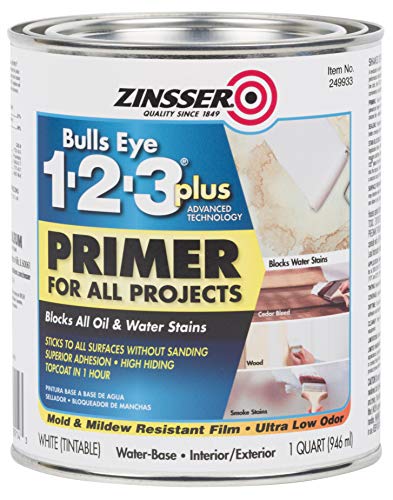


In practice, a cold-weather primer is one that lists a lower minimum application temperature, a workable dry-to-topcoat window, and a cure profile that still works when the air and the surface stay cold after you coat them. The label matters more than the marketing phrase. A product can be “for cold weather” and still fail if the substrate is damp or the overnight low falls below its stated range.
Minimum application temperature versus cure temperature
Application temperature is the floor for putting the product on the surface. Cure temperature is the range the film needs afterward to form properly and hold adhesion. Those are not the same thing, and winter jobs fail when you focus only on the daytime high.
If a deck rail is 45°F at noon but 32°F by dawn, the primer may start to dry and then stall before it forms a coherent film. That is when you see soft spots, poor bond, and later peeling at edges and fasteners. The overnight low is usually the better decision point.
Before you start, check the actual surface temperature with a thermometer, not just the air temperature. A board, rail, wall, or steel panel can be colder than the forecasted air and fall out of range even when the weather report looks usable.
Dry-to-topcoat time in cold air
Cold air slows solvent release and film formation. Some primers still allow a topcoat in a short window, but that does not mean the primer is fully cured. The coating may be dry enough to recoat and still be vulnerable if you push it below the label range.
One practical example is Sherwin-Williams Fast Drying Primer, which Sherwin-Williams says is ideal for cold-weather priming down to 40°F, with topcoats possible in one hour. Sherwin-Williams describes it as an alkyd formula, says it blocks stains, and says it can be used on interiors and exteriors.
If you are considering a shellac-based primer, do not assume it is automatically safe in deep cold. Its own label still controls the minimum application temperature and the recoat instructions, just as with any other primer.
Why overnight lows matter more than midday highs
A warm afternoon does not rescue a cold overnight cure window. If the surface temperature drops too soon, moisture condenses, drying slows, and the coating can lose its grip before it sets. That risk is higher on metal, masonry, shaded siding, and anything that cools fast after sunset.
| Substrate | Minimum application temperature | Dry-to-topcoat window | Moisture tolerance | Best use case |
|---|---|---|---|---|
| Bare wood | 35°F to 40°F, depending on product | Fast-drying formulas can allow topcoat in about 1 hour; colder cure windows may be longer | Low; wood must be dry, not frosty or damp | Knots, tannin-prone species, repair patches, and exterior trim when the overnight low stays above the label floor |
| Previously coated wood | 40°F is a common label floor for many primers | Short windows help when weather changes fast | Low; surface moisture still causes adhesion loss | Spot-priming scraped areas before a latex topcoat |
| Steel and iron | Varies; specialty metal primers can go colder | Often depends on corrosion system, not just dry time | Very low; visible moisture and condensation are a problem | Rust protection on exposed metal in a freeze climate |
| Masonry | About 35°F for some low-temperature acrylic systems | Usually slower than warm-weather work | Low to moderate; the surface must be dry and free of frost | Exterior concrete, block, and drywall where the system is listed for low-temp use |
Which primer should you choose at 35°F, 40°F, or below?
Use the temperature first, then the substrate. The examples in this guide cluster around 35°F and 40°F, but the product label is what decides whether a primer is usable. The substrate matters just as much as the brand name on the can.
35°F low-temperature acrylic systems
Low-temperature acrylic systems are a practical choice when you need flexibility and adhesion near the lower edge of the working range. They are useful when the job calls for movement and broad substrate compatibility on wood, concrete, metal, and drywall.
These systems can still require a full cure window that extends beyond the initial dry stage, so the overnight forecast still matters. A label that allows a lower application temperature does not remove the need for a dry substrate and a stable cure window.
40°F fast-drying primers
If your window is short and you need a fast recoat, a fast-drying primer can beat a slower all-season product. Sherwin-Williams Fast Drying Primer is a concrete example: cold-weather priming down to 40°F, topcoats in one hour, alkyd chemistry, stain blocking, and interiors and exteriors.
That combination is useful when the job has to turn over the same day. It is less useful if the surface will cool fast or if the substrate is damp. Fast dry does not fix bad prep.
Subfreezing specialty primers for metal
For metal in freeze-prone conditions, a zinc-rich cold galvanizing primer can be the right call. Slappe Painting highlights zinc rich cold galvanizing primer spray for rust protection and says the primer is for steel and iron surfaces. That makes it a different tool from a general-purpose wood primer.
Use this category when corrosion resistance matters more than appearance in the first coat. It is aimed at steel and iron, not trim boards or drywall patches.
- Check the overnight low, not only the afternoon high.
- Confirm the substrate: wood, metal, or masonry.
- Look for the label’s minimum application temperature.
- Confirm the dry-to-topcoat window before the temperature drops.
- Reject any surface with frost, visible moisture, or a cold condensation risk.
- Match the primer to the final topcoat: latex, oil, or a stain-killing sealer.
Can you prime wood in cold weather?
Yes, but only when the wood is dry and the product is rated for the temperature you actually have. Bare wood is less forgiving than previously coated wood because it absorbs moisture and can telegraph tannins, resin, and patch edges through the finish. Exterior wood is the most weather-sensitive case.
Bare wood versus previously coated wood
Bare wood usually needs the most careful primer choice. If the wood has knots, resinous areas, or discoloration, an alkyd primer is often the better stain-blocking option because Sherwin-Williams says its Fast Drying Primer blocks stains and uses alkyd chemistry. That matters on repair spots and knotty trim.
Previously coated wood can sometimes take a faster route if the old film is sound and the new primer is only bridging scraped or sanded areas. The temperature rules still apply, but the stain-blocking demand may be lower.
Interior versus exterior wood conditions
Interior wood gives you more control because the temperature and humidity are steadier. Exterior wood asks more of the primer because dew, frost, and overnight cooling can turn a good afternoon into a poor cure window. Even a dry-looking board can cool enough to collect moisture before dawn.
Say your crew primes a porch fascia at 3 p.m. when the air is 46°F, then the forecast drops to 33°F overnight. The primer may look fine at dusk and still fail later because the surface falls below the cure window before the film has set. That is the kind of job where the overnight low controls the schedule.
How do alkyd, acrylic, and zinc-rich primers compare?
These three chemistries solve different problems. Alkyd primer is strong for stain blocking and shorter winter windows. Low-temperature acrylic systems are better when flexibility and broader substrate bonding matter. Zinc-rich cold galvanizing primer is the metal specialist for corrosion resistance.
Alkyd primer for stain blocking and colder conditions
Alkyd primers are often the best fit when you need stain blocking on wood, knot bleed control, or a faster recoat path in a cooler window. Sherwin-Williams Fast Drying Primer is an alkyd formula and is labeled for cold-weather priming down to 40°F. That makes it a practical winter option for many trim jobs.
Topcoat compatibility matters here. Alkyd primer can be paired with many latex topcoats when the label allows it, but you should confirm the system before you buy. For stain-killing work, the primer must stay compatible with the final finish, not just dry quickly.
Low-temperature acrylic systems for flexibility and adhesion
Low-temperature acrylic systems earn their place when the job calls for movement, adhesion, and lower-temperature application. They offer broad substrate compatibility on wood, concrete, metal, and drywall. That broad substrate range is useful for mixed-material exterior work.
Use this class when the surface may move or when you need one product family across several materials. Acrylic systems also line up well with latex topcoats, which is why they often fit exterior repaint work.
Cold galvanizing primer for metal corrosion resistance
Cold galvanizing primer is for steel and iron, not general trim work. The zinc-rich film is about corrosion resistance first. Slappe Painting’s zinc rich cold galvanizing primer spray is aimed at rust protection on steel and iron surfaces, so it belongs in the metal column, not the wood column.
Choose it when bare steel or iron will face freeze-thaw cycles, road spray, or exposed exterior conditions. It is not a substitute for a stain-blocking wood primer.
What goes wrong if the surface is too wet or too cold?
Moisture is the winter troublemaker. If the surface is damp, frosty, icy, or collecting condensation, the primer may flash poorly, lose adhesion, or blister after the weather changes. Too-cold application can also leave the film soft, weak, and slow to accept the topcoat.
Wood and masonry can hide moisture below the surface even when they look dry. Dew can form after sunset, frost can appear before sunrise, and porous material can carry water inside the substrate. That is why a dry touch is not enough.
Humidity above 85% should be avoided, and you should not paint if temperatures will drop below the product’s minimum within 24 hours. Those conditions increase the chance of poor film formation and later failure.
Blistering, poor adhesion, and soft film formation
If primer goes on below the label range, it may dry slowly, stay soft, or fail to bond properly. The failure often shows up later as peeling at edges, weak spots around joints, or blisters where moisture was trapped. The coating can look acceptable for a while and still be undercured.
That is why the recovery step is usually removal, drying, and repriming at the proper temperature. Do not bury a bad winter coat under the topcoat and hope it disappears.
How to recover when the primer was applied too early
If the primer was applied too early, stop the schedule and inspect the film after the substrate has fully warmed and dried. If it is soft, wrinkled, chalky, or lifting at the edges, remove the failed material. Then dry the surface thoroughly before you recoat.
A common first-timer mistake is priming a shaded siding board because the air feels warm enough, while the board itself is still cold and damp from the night before. The primer may look uniform at first, then lose adhesion near the lower edge once the temperature falls again.
Frequently asked questions
What primer can be applied in cold weather?
Look for a product labeled for low-temperature use, then match it to the substrate. A fast-drying alkyd primer can work down to 40°F, while low-temperature acrylic systems may be listed for work as low as 35°F. For steel and iron, a zinc-rich cold galvanizing primer is the better specialty choice.
How cold is too cold to prime wood or exterior surfaces?
Too cold is any temperature below the manufacturer’s minimum application range, or any job where the overnight low drops below that range before cure. Exterior paint work is typically avoided below 35°F, and you should not paint if temperatures will fall below that within 24 hours.
What is the best low temperature primer for exterior painting?
There is no single best product for every exterior job. For quick-turn trim work, a fast-drying alkyd primer rated to 40°F is practical. For broader flexibility near 35°F, low-temperature acrylic systems are stronger candidates. For steel and iron, choose a zinc-rich corrosion primer instead.
Can I use an alkyd primer when it’s below 40°F?
Only if the label says it is rated for that temperature and the overnight low will stay in range long enough for cure. The same source says its Fast Drying Primer is ideal down to 40°F, so below that point you should not assume an alkyd primer will perform well unless the product specifically allows it.
Do cold-weather primers dry faster than regular primers?
Not as a rule. Some are formulated for shorter recoat windows, such as Sherwin-Williams Fast Drying Primer with a one hour topcoat window. But cold air still slows drying and curing overall. A “cold-weather” label means better low-temperature tolerance, not magic speed in all conditions.
Can I prime outdoors if temperatures will drop overnight?
Yes, but only if the label range and the overnight low still give the film enough time to set before temperatures fall. If the forecast drops below the product’s minimum within 24 hours, skip the job or switch to a product designed for that colder window. Overnight risk matters more than the afternoon high.
Sponsored / affiliate links. As an Amazon Associate I earn from qualifying purchases. I may earn additional commission from eligible campaigns.