Sande Plywood vs Regular Plywood: Key Differences
Sande plywood is usually the better pick for visible, moisture-prone projects because its face is smoother, the edges are cleaner, and it typically has fewer voids than utility plywood; choose Regular Plywood when cost matters more than appearance or water resistance. Pick the wrong sheet and you get voids showing through, rough edges, faster swelling, and more finishing work. This guide compares face quality, moisture behavior, strength, cost, and the jobs where Sande Plywood earns its price over Regular Plywood.
| Factor | Sande Plywood | Regular Plywood | Winner |
|---|---|---|---|
| Face quality | Smooth, knot-free face is better for exposed parts and paint-ready panels. | Face quality varies widely; utility sheets may show more patches and core telegraphing. | Sande Plywood |
| Moisture tolerance | Better fit only when the actual panel rating and adhesive suit the job. | Can be fine in dry work; exterior-rated panels exist, so the stamp matters more than the label. | Tie |
| Edge quality and void risk | Usually a cleaner edge, with lower risk of ugly voids showing at cuts. | Core voids and knot holes are more common in standard sheets. | Sande Plywood |
| Budget | Higher value when you need appearance and cleaner machining. | Usually the smarter buy for hidden, dry, or disposable work. | Regular Plywood |
| Cabinet and furniture fit | Better for exposed carcasses, shelves, and parts that need a smooth finish. | Works for hidden panels, shop fixtures, and non-visual carcasses if the grade is suitable. | Sande Plywood |
What sande plywood
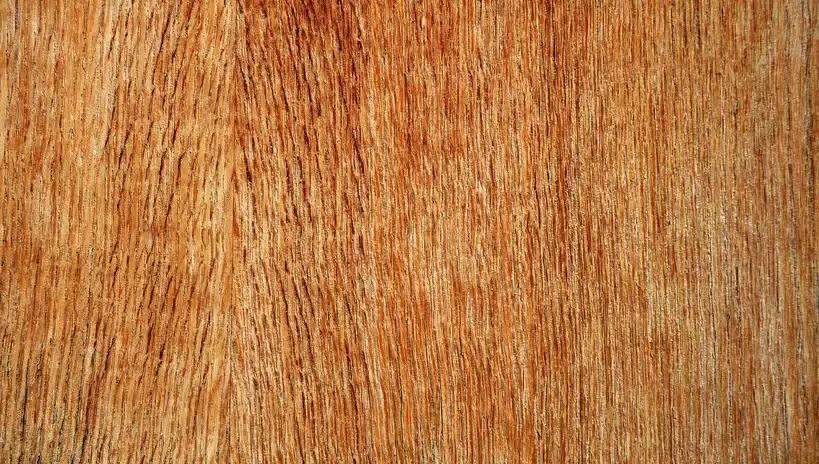
Sande plywood is a sheet good made from sande, also called mulberry wood in some markets; one cited scientific name is Brosimum utile. It is described as having a uniform yellowish to light brown color, a smooth, knot-free surface, and a density compared to red oak. Those traits make it a strong candidate for exposed panels, but the panel stamp still decides whether it belongs in a damp location.
Species and naming caveats
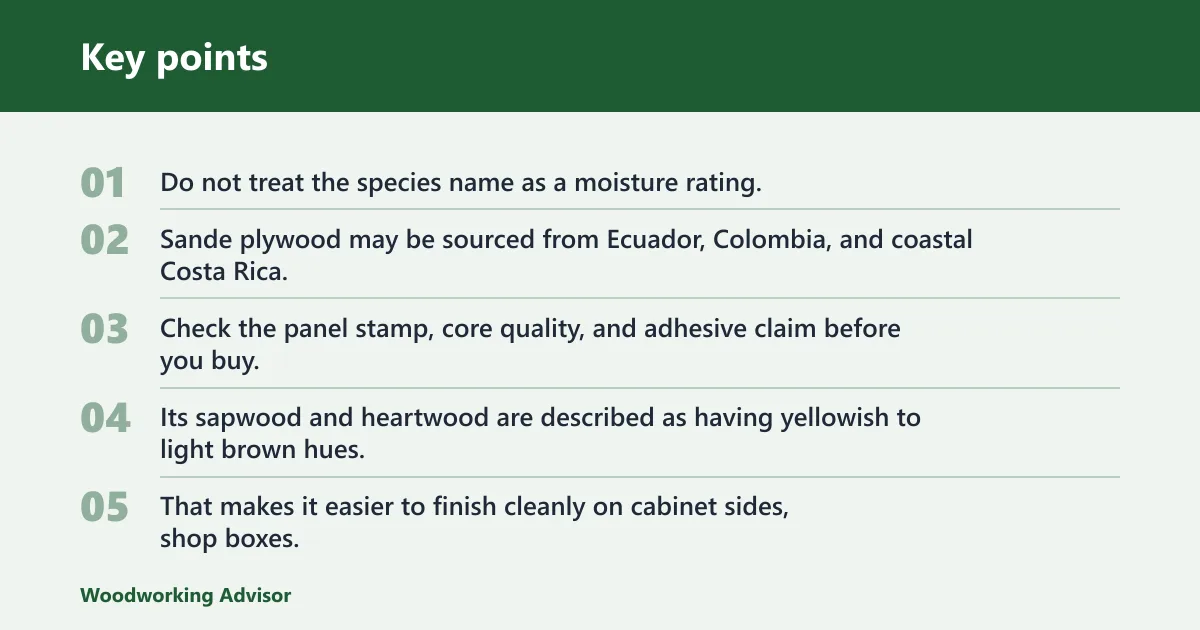
Do not treat the species name as a moisture rating. Sande plywood may be sourced from Ecuador, Colombia, and coastal Costa Rica, but region and species naming do not tell you whether the sheet was built for exterior or marine exposure. Check the panel stamp, core quality, and adhesive claim before you buy.
Color, grain, and surface quality
Its sapwood and heartwood are described as having yellowish to light brown hues, and the face is usually smoother than rough utility sheets. That makes it easier to finish cleanly on cabinet sides, shop boxes, and furniture parts where a neat face matters. A smooth face still needs sealing if the part will see moisture or frequent wiping.
Where it is commonly used
Sande plywood is frequently used for kitchens and bathrooms where moisture is present, and it is often used for boat projects and marine applications. That said, use depends on the actual construction standard. A decorative-looking sheet is not automatically the right choice for a wet bilge, a dock part, or any exterior part that needs a verified marine or exterior rating.
How regular plywood differs
Regular plywood is the broader category, and its quality swings a lot by grade and manufacturer. Standard plywood often has voids and knot holes in the core plies, and glue quality can vary from one panel line to another. Some sheets are fine for dry shop work; others are intended for exterior or Exposure 1 use and should not be lumped together with bargain utility stock.
Core voids and knot holes
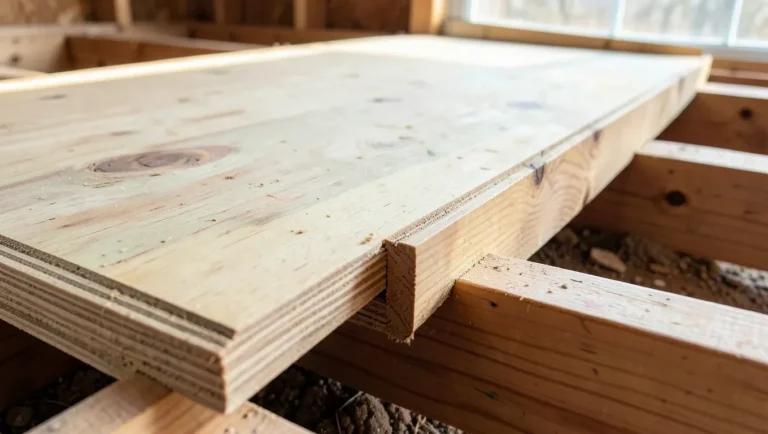
Core voids matter because they show up at edge cuts, weaken screw purchase near the edge, and can leave ugly gaps after trimming or edge banding. They also create weak spots where delamination and rot can start if moisture gets in. If the edge looks hollow or inconsistent at the yard, expect more cleanup later.
Glue type and moisture limits
Standard plywood often uses glue systems that are not meant for constant wet service, while marine-grade plywood uses waterproof adhesive. That does not make marine-grade sheets fully waterproof or rot-proof, and it does not make every regular panel unsuitable for any moisture exposure. The real question is whether the sheet’s adhesive and rating match the job.
Why grades vary so much
Regular plywood spans a wide range, from rough utility panels to better-executed construction sheets. That spread is why you should inspect the panel, not just read the material family. A face veneer can look acceptable while the edge still reveals voids, patching, or glue-line issues that will matter in finish carpentry.
Marine grade and moisture resistance
Marine-grade plywood is built with waterproof adhesive and is intended for higher moisture exposure, but it is not automatically waterproof. It also is not automatically rot-proof. In damp kitchens, bathrooms, subfloors, or boat building, the key is whether the actual sheet carries the right construction standard, not whether the face happens to look premium.
What waterproof adhesive changes
Waterproof adhesive improves bond durability when humidity rises or wetting cycles repeat. It helps the plies stay together under harsher service, especially when the panel is cut and sealed correctly. It does not remove the need to seal edges, avoid trapped water, and use the right fasteners for the job.
Why marine grade is not the same as rot-proof
A marine-grade panel can still fail if water is allowed to sit in edges, fastener holes, or unsealed cuts. Rot resistance depends on the whole assembly, not only the glue. A good sheet can still be ruined by poor detailing around sinks, hull penetrations, or floor seams.
When damp areas need a real rating check
Say your cabinet base sits beside a bathroom sink. A smooth, better-made sheet helps, but you still need a panel that is rated appropriately for the environment and sealed at cut edges. In that case, the stamp and the edge condition matter more than the species name printed on the sticker.
Plywood decision table
| Project condition | Choose Sande Plywood | Choose Regular Plywood | Why |
|---|---|---|---|
| Visible finished furniture | Yes, when the face will stay exposed and you want cleaner paint or clear finish prep. | Only if the sheet is a better grade with a face that needs little correction. | Sande Plywood usually gives the smoother, cleaner starting point. |
| Damp locations | Yes, but only if the actual panel rating and adhesive suit the moisture exposure. | Yes, if the sheet is exterior or otherwise rated for the environment. | Species alone is not enough; the panel stamp decides. |
| Dry shop storage | No, unless the rack is visible and finish quality matters. | Yes, this is often the smarter buy. | Hidden storage does not need premium face quality. |
| Edge-banded parts | Yes, when you want fewer voids and cleaner edge machining. | Only if the edge plies inspect well and the price gap is meaningful. | Edge defects show fast in banded parts. |
| Subfloor-like abuse | Only if the exact panel is rated for the load and exposure conditions. | Often the practical pick when the build is hidden and the sheet is specified for structure. | Structure and rating matter more than a smooth face. |
| Budget builds | No, unless appearance matters enough to justify the cost. | Yes, when the part is non-visual and dry. | Regular Plywood keeps costs down where premium finish is wasted. |
Quick inspection checklist at the lumberyard
- Check the face first. Look for patching, dents, raised grain, and any area that will telegraph through a finish.
- Inspect the edge plies. A clean edge usually signals better core quality; hollow gaps or dark pockets suggest void risk.
- Look for voids at cut lines. If the edge already shows gaps, expect more tear-out and weaker screw holding near trims and fasteners.
- Review the stamp. Confirm the panel rating, adhesive claim, and intended exposure class before you assume it can handle moisture.
- Watch for glue-line issues. Uneven bond lines, soft-looking layers, or visible separation can point to delamination risk later.
- Check both faces if possible. A good face on one side does not guarantee a solid core or a better back side.
A common first-timer mistake is buying the prettiest sheet on the rack and assuming it is automatically the best sheet for a wet cabinet. The better move is to match the rating to the environment, then inspect the edges for voids before the panel goes on the cart.
How voids affect fastening and durability
Plywood core voids reduce edge durability because screws near a hollow spot have less material to bite into. They also create weak zones where a cut may chip or where veneer layers can separate under stress. For drawer parts, shelf fronts, and trim-ready panels, that difference shows up quickly.
Is sande plywood better for cabinets?
Yes, for exposed cabinets, sande plywood is usually the better choice because the smoother face, cleaner edge, and lower void risk make finishing and edge work easier. Regular Plywood is still fine for hidden cabinet boxes, utility carcasses, and shop cabinets, especially when the sheet is dry-rated and the face will not be seen.
When the smoother face matters
Cabinet sides, end panels, and open shelves benefit from a face that needs less sanding and patching. Sande plywood’s smooth, knot-free surface gives you a cleaner starting point for paint or clear topcoat. That saves time only if the sheet you buy also has a solid core and a suitable exposure rating.
When regular plywood is enough
For back panels, internal dividers, drawer bottoms, and hidden utility shelving, Regular Plywood often makes more sense. The part is still doing the job, but the visual demand is lower. If the panel is dry and the edges are concealed, paying for a premium face can be wasted money.
Fastening and edge durability
Screw holding near edges improves when the plies are sound and the core has fewer voids. That matters in cabinet rails, shelf pins, and rack standards where repeated loading can work a weak edge loose. A cleaner sheet helps, but proper screw placement and predrilling still matter.
How it compares with birch plywood
Birch plywood is a useful comparison because it is commonly used for construction applications and may be suitable for temporary exposure to the elements, including sidewalls or subflooring. Compared with sande, it can be less moisture-resistant in some uses, so the better choice depends on the panel grade, the seal on the edges, and the exposure level.
Appearance and face quality
Birch usually offers a clean furniture face, but sande is often described as having a smoother, knot-free surface with a yellowish to light brown look. For visible parts, sande can be easier to prep if you want a calm, even appearance. Birch can still be a smart pick when the grade is high and the color tone fits the design better.
Moisture exposure use cases
Neither sheet should be treated as a free pass for wet service. Birch can fit temporary exposure and structural uses, while sande is often chosen for moisture-prone rooms and marine applications when the actual panel construction supports that use. In both cases, the rating and sealed edges matter more than the species name alone.
Finish and edge work
Both species can take paint or stain well, but prep matters. Sanding, dust removal, primer choice, and edge sealing affect the result more than the name on the sheet. If the panel is going to be edge-banded, a cleaner core and fewer voids will usually give you a better final look.
Choose sande plywood if…
Choose Sande Plywood if the part will be visible, you want a smoother face, and the sheet’s actual rating fits a damp or moisture-prone space. It is a better fit for finished furniture, cabinet faces, and shop pieces where edge quality and appearance matter. Do not buy it as a substitute for a missing exterior or marine stamp.
Choose regular plywood if…
Choose Regular Plywood if the part is hidden, dry, or built on a tight budget and appearance is secondary. It is also the smarter buy when you find a better-rated sheet that matches the job, even if the face is less polished. For non-visual racks, utility carcasses, and many construction tasks, the extra cost of sande may buy little.
Picture a roughly 24-inch-deep shop storage rack with fixed shelves in a dry garage. Regular Plywood is usually the sensible choice there, because the face will be hidden and the load is better served by a correctly rated panel than by a premium-looking one.
Suppose the same rack is installed beside a laundry sink and the shelf edges stay exposed. Sande Plywood becomes more attractive, but only if the panel stamp supports that setting and you seal the cut edges before installation.
Frequently asked questions
What is sande plywood?
Sande plywood is a plywood sheet made from sande, also called mulberry wood in some markets, and one cited scientific name is Brosimum utile. It is known for a smooth, knot-free face and a yellowish to light brown color. Use the panel rating, not just the name, to judge where it belongs.
Is sande plywood stronger than regular plywood?
It can be stronger in practical use when the panel has cleaner cores and better face quality, but that is not guaranteed by the species name alone. Regular Plywood varies widely, and a better-rated construction panel can outperform a pretty sheet in structure. Compare the stamp, thickness, and edge quality before deciding.
Can sande plywood be used outdoors?
Only if the actual panel is rated for exterior or marine exposure and the edges are sealed correctly. The species itself does not make a panel outdoor-safe. For outside use, check the adhesive, grade, and stamp, then protect cut edges and fastener holes from standing water.
Is sande plywood good for cabinets or furniture?
Yes, especially for visible cabinets and furniture parts where a smooth face and cleaner edges matter. It gives you a better starting point for paint or clear finish than many utility sheets. For hidden carcasses or shop fixtures, Regular Plywood is often enough and easier on the budget.
Does sande plywood have voids like regular plywood?
Core quality can vary, so do not assume every sheet is void-free. Standard plywood often has voids and knot holes in the core plies, while better sande sheets may show fewer defects. Always inspect the edge and any cut line before you buy.
Is sande plywood marine grade plywood?
Not automatically. Marine-grade plywood is defined by construction and adhesive, including waterproof adhesive, and it is not the same thing as simply being made from sande. A sande sheet may be used in marine applications, but you still need the proper marine or exterior rating for the job.
How does sande plywood compare with birch plywood?
Sande plywood is often smoother and is commonly chosen for moisture-prone rooms and marine-style work when the panel is correctly rated. Birch plywood is a solid general-purpose option and may suit temporary exposure or construction uses such as sidewalls or subflooring. Pick by rating, face quality, and edge condition.
Will sande plywood take paint or stain well?
Yes, it usually takes paint and stain well because the face is smooth and fairly consistent. That said, you still need sanding, dust removal, and edge sealing for a clean result. A smooth face can still telegraph flaws if the core has voids or the finish prep is rushed.
Sponsored / affiliate links. As an Amazon Associate I earn from qualifying purchases. I may earn additional commission from eligible campaigns.