Sealed Hardwood Floors vs Unsealed: What You Need to Know
Deciding on the right finish for your hardwood floors can feel a bit confusing, especially when you’re just starting out. You’ve probably heard terms like “sealed” and “unsealed” and wondered what the big difference is and how it affects your beautiful wood floors. It’s a common question, and the good news is that it’s not as complicated as it might seem.
We’re going to break down the Sealed Hardwood Floors vs Unsealed: What You Need to Know in a way that’s easy to follow, so you can make the best choice for your home. Let’s figure it out together, step by step.
Sealed Hardwood Floors Explained
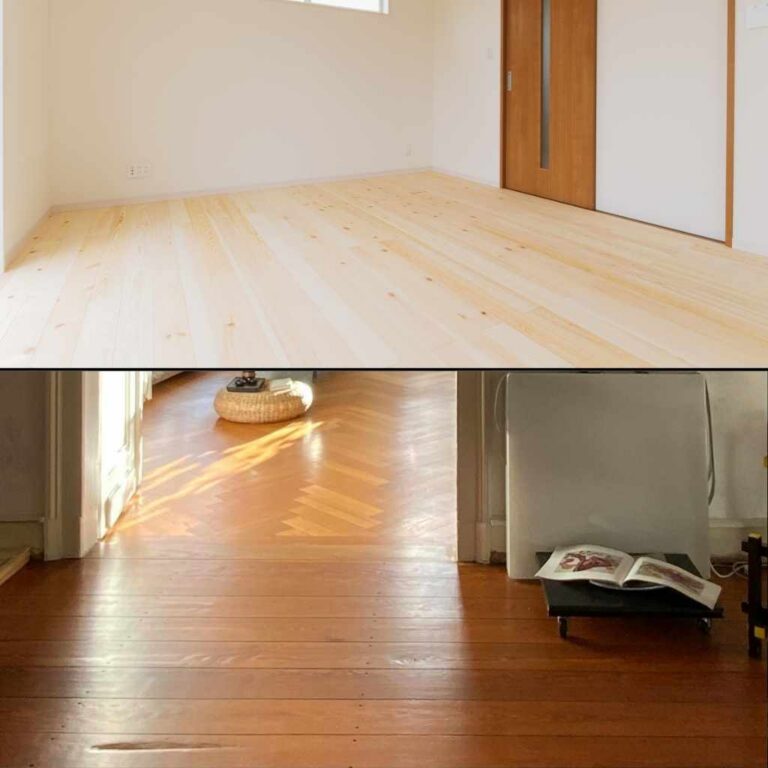
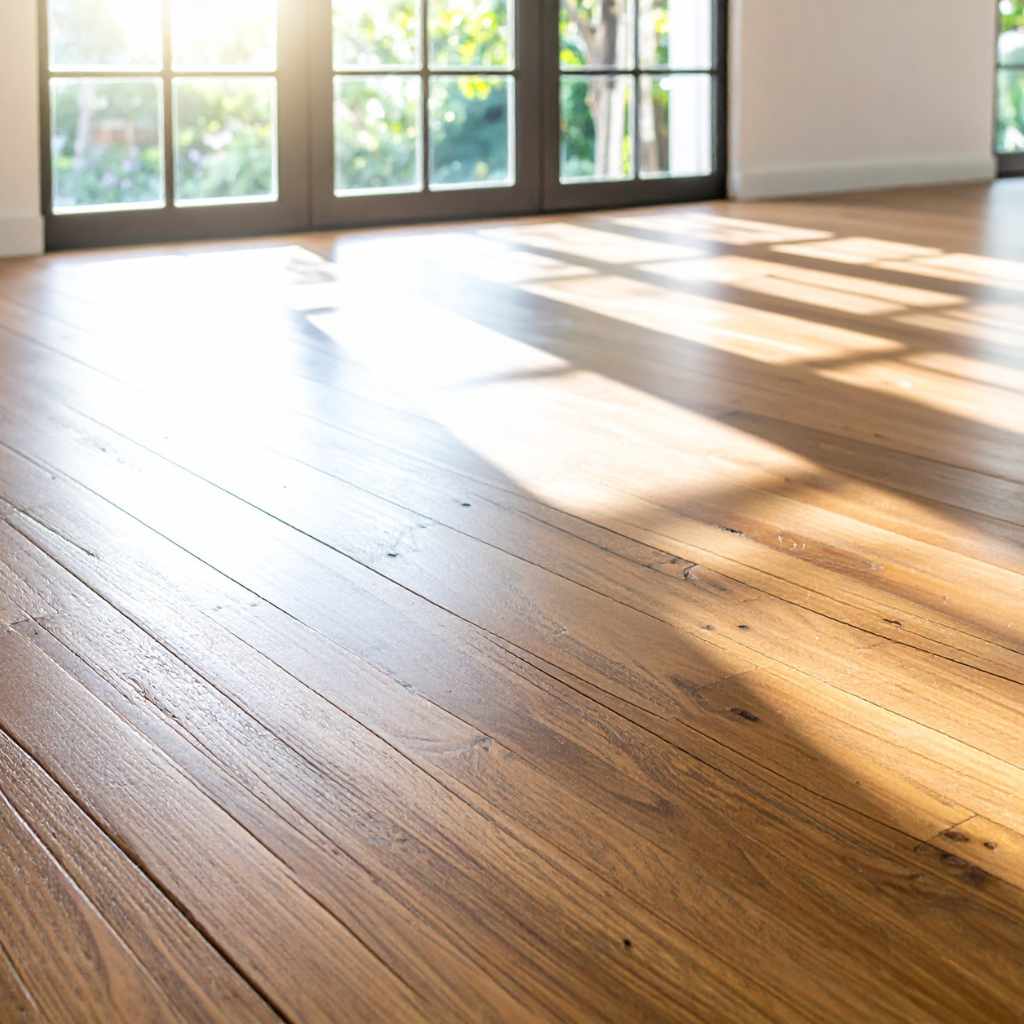
Sealed hardwood floors represent the most common and popular choice for homeowners looking for durability and ease of maintenance. This type of flooring has a protective top layer applied, which acts as a barrier against moisture, spills, and daily wear and tear. The sealing process essentially creates a shield on the surface of the wood, preventing liquids from seeping into the grain and causing stains or damage.
Think of the sealant as a clear coat of armor for your floors. It doesn’t change the natural look of the wood much, but it makes a huge difference in how the floor performs over time. This protective layer is vital for maintaining the beauty and integrity of your hardwood, especially in high-traffic areas or homes with pets and children.
It’s a practical solution that offers peace of mind for many.
Types of Sealants
The world of sealants for hardwood floors is diverse, with each type offering unique benefits and characteristics. Understanding these differences is key to choosing the right finish for your specific needs and aesthetic preferences.
Polyurethane Finishes
Polyurethane finishes are by far the most popular choice for sealing hardwood floors. They are known for their excellent durability and resistance to wear, making them ideal for busy households. Polyurethane comes in two main forms: oil-based and water-based.
Oil-based polyurethane is a traditional option that provides a warm, amber tone to the wood. It’s very durable and offers good resistance to chemicals and abrasion. However, it has a strong odor during application and requires mineral spirits for cleanup.
It also tends to yellow over time, which some people find appealing as it enhances the wood’s natural patina.
Water-based polyurethane is a more modern alternative that dries clear, preserving the natural color of the wood. It has a lower odor and faster drying time, making it easier to work with. While it might not offer quite the same level of extreme durability as oil-based in some aspects, advancements in its formula have made it a very strong contender, often outperforming older oil-based finishes in scratch resistance and UV protection.
It also cleans up with water, which is a significant convenience.
Other Sealant Options
While polyurethane dominates the market, other sealing options exist, each with its own set of advantages and applications.
Varnish is another type of finish that can be used on hardwood floors. It’s a blend of resin, oil, and solvent. Varnish offers good protection but is generally less durable than modern polyurethane finishes.
It also tends to be more prone to scratching and chipping over time. Varnish can provide a somewhat glossier finish than some polyurethanes.
Penetrating seals, such as those made from natural oils or waxes, soak into the wood rather than forming a surface film. These finishes offer a more natural look and feel, allowing the wood’s grain to show through prominently. They are easier to repair in small areas, as you can often reapply oil or wax to a specific spot without affecting the entire floor.
However, they offer less protection against spills and moisture compared to surface seals like polyurethane and require more frequent reapplication and maintenance.
Benefits of Sealed Hardwood Floors
Choosing sealed hardwood floors brings a host of advantages that contribute to their widespread popularity in homes everywhere. These benefits address both aesthetic desires and practical living needs.
Enhanced Durability and Longevity. The protective sealant acts as a robust barrier, significantly extending the lifespan of your hardwood floors. This layer shields the wood from scratches, dents, and abrasions that are common in everyday life.
For example, in a household with active children or pets, the sealant can prevent minor accidents like dropped toys or pet claws from causing visible damage to the wood surface. This means your floors will look newer for longer, reducing the need for premature refinishing or replacement. This durability is a key reason why sealed floors are a sound investment.
Improved Stain and Moisture Resistance. One of the biggest concerns with hardwood is its susceptibility to spills and moisture. Sealed floors excel in this area.
The sealant prevents liquids from penetrating the wood, making cleanup of spills much easier. A spilled glass of wine or a pet accident can be wiped up quickly without leaving a permanent stain. This resistance is particularly important in kitchens, dining rooms, and entryways where spills are more likely to occur.
The barrier also helps protect against humidity changes, which can cause wood to expand and contract.
Easier Maintenance and Cleaning. Cleaning sealed hardwood floors is generally straightforward. Dust and dirt can be swept or vacuumed easily, and most messes can be wiped up with a damp cloth.
Unlike unsealed floors, which might require specialized cleaning products or careful handling to avoid damage, sealed floors can handle a bit more vigorous cleaning without issue. Regular sweeping and occasional damp mopping are typically all that’s needed to keep them looking their best. This ease of care saves time and effort for busy homeowners.
Variety of Sheen Options. Sealed hardwood floors are available in a range of sheen levels, from matte to high gloss. This allows homeowners to customize the look of their floors to match their interior design.
A matte finish can offer a more natural, subtle appearance, while a high-gloss finish provides a reflective, elegant look. For instance, a homeowner wanting a modern, minimalist aesthetic might opt for a matte finish, while someone aiming for a more classic, formal feel might choose a satin or semi-gloss. The ability to select the sheen level adds another layer of personalization.
When Sealed Hardwood Floors Are Ideal
Sealed hardwood floors are a fantastic choice for a wide array of living situations and home styles. Their inherent properties make them suitable for environments that demand resilience and simplicity.
High-Traffic Areas. Homes with a lot of foot traffic, such as hallways, living rooms, and family rooms, benefit greatly from the protection offered by sealed floors. The durability of the sealant can withstand the constant movement, helping to prevent premature wear and tear that can dull or scratch unsealed wood.
For example, a busy family with kids and pets will find that sealed floors hold up much better than their unsealed counterparts in these active zones.
Homes with Children and Pets. The stain and scratch resistance of sealed floors is a major advantage for families with young children or pets. Accidents are bound to happen, and the sealant provides a crucial protective layer against spills, pet accidents, and playful messes.
This means less worry for parents and pet owners about maintaining the pristine condition of their floors. A dog running through the house or a toddler with a juice box can be managed with less anxiety.
Low-Maintenance Lifestyle Preferences. For individuals or families who prefer a low-maintenance approach to home upkeep, sealed hardwood floors are an excellent option. The ease of cleaning and the reduced need for frequent touch-ups or specialized care make them ideal for those with busy schedules or a desire to spend less time on household chores.
Simply sweeping and occasional damp mopping keeps these floors looking great without demanding excessive effort.
Unsealed Hardwood Floors Explained
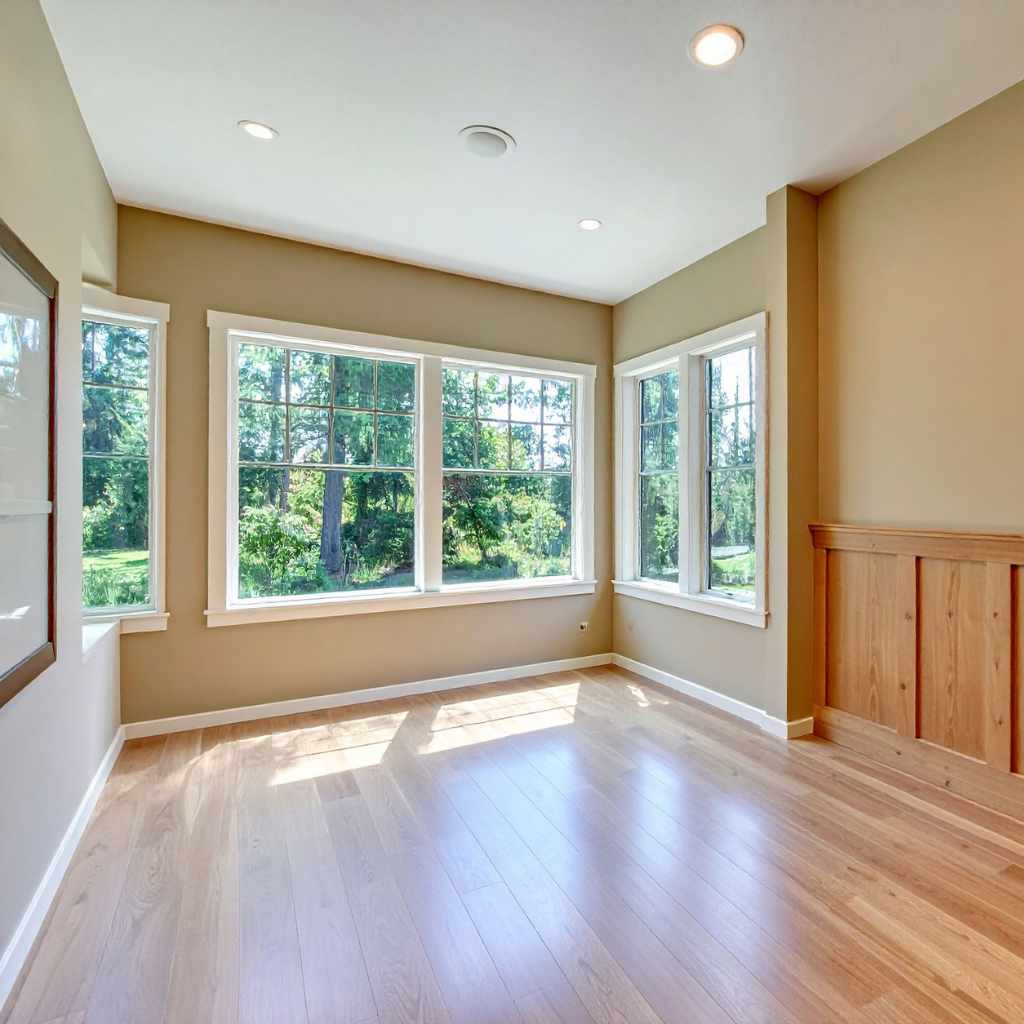
Unsealed hardwood floors, also known as raw or unfinished hardwood, are wood planks that have not been treated with any protective surface coatings or stains. When you install unsealed flooring, the wood is exposed directly to the elements and potential damage. This means that spills, dirt, and wear will directly impact the wood grain itself.
The beauty of unsealed wood lies in its natural, raw appearance. However, this natural state comes with significant drawbacks in terms of protection and maintenance. Without a sealant, the wood is much more vulnerable to stains, moisture, and physical damage.
This is why it’s less common for finished homes to have unsealed floors; they are usually found in stages of construction or in very specific design contexts.
The Nature of Unsealed Wood
Understanding what unsealed wood truly is helps clarify why it’s rarely the final choice for finished flooring. Its properties are quite different from its sealed counterparts.
Direct Exposure to Elements. Unsealed wood is essentially naked wood. It has no barrier to protect it from anything that comes into contact with it.
This direct exposure means that every spill, every scuff mark, and every bit of dirt penetrates the surface of the wood. It’s like having a beautiful, untreated canvas that’s susceptible to every artist’s brushstroke, whether intended or not. This makes it highly reactive to its environment.
Absorption and Swelling. Wood is a porous material. Without a sealant, unsealed wood readily absorbs moisture from the air and from spills.
This absorption can cause the wood to swell, warp, or cup, especially in humid conditions or after liquid spills. This swelling can lead to unevenness in the floor and can compromise the structural integrity of the planks over time. Think of a dry sponge absorbing water; the wood behaves similarly, but with more permanent consequences.
Stain Absorption and Discoloration. Any colored liquid, from spilled juice to pet urine, will be absorbed deeply into the wood fibers of an unsealed floor. This absorption leads to permanent staining and discoloration that can be very difficult, if not impossible, to remove.
Even simple dirt and grime can embed themselves into the wood, making it look dingy and worn very quickly. This lack of stain resistance is a major reason why most people avoid unsealed floors in their homes.
Challenges of Unsealed Hardwood Floors
The allure of natural wood can be strong, but the practical challenges of unsealed hardwood floors often outweigh the aesthetic appeal for everyday living. These challenges highlight the need for protective measures.
Extreme Vulnerability to Damage. Unsealed wood is incredibly fragile when it comes to daily wear and tear. A dropped object can easily dent or scratch the surface.
Foot traffic, especially from shoes with grit or dirt, can wear down the wood fibers over time, leading to a dull and damaged appearance. Even furniture being moved can cause significant marks. This makes them unsuitable for most family homes where such occurrences are commonplace and difficult to avoid.
Difficult and Costly Maintenance. Maintaining unsealed hardwood floors is a complex and often expensive undertaking. Cleaning requires extreme care; harsh chemicals are out of the question, and even water must be used sparingly.
Stains are often permanent, meaning that if a significant spill occurs, the damaged plank may need to be entirely replaced. Refinishing is possible, but it’s a labor-intensive process that requires professional skills. The high maintenance demands make them impractical for busy lifestyles.
Limited Lifespan Without Protection. Without the protection of a sealant, unsealed hardwood floors will likely deteriorate much faster than their sealed counterparts. The constant exposure to moisture, abrasion, and staining will shorten their usable life considerably.
While wood itself is a durable material, its longevity in a home environment is highly dependent on the protective finishes applied. Unsealed wood simply cannot withstand the rigmarole of daily living for an extended period without showing significant signs of wear and damage.
When Unsealed Hardwood Floors Might Be Considered
While unsealed hardwood floors are generally not recommended for finished living spaces, there are very specific scenarios where they might be part of a plan or a temporary solution.
During Construction or Renovation Phases. Unsealed flooring is often installed at the very beginning of a construction or renovation project. This allows contractors to work on the subflooring, walls, and other elements without worrying about damaging a finished floor.
The unsealed wood can withstand the dust and activity of the building process. Once all other work is complete, the floor will then be sanded and sealed.
For Specialized Artisanal or Design Projects. In some niche design contexts, an artist or designer might intentionally choose unsealed wood for a specific aesthetic effect. This could be for a rustic, unfinished look in a studio space or a highly controlled environment where wear and tear are minimal.
However, this is rare and typically involves a deep understanding of the material and a commitment to specialized care, or the expectation that the floor will age and change significantly over time.
As a Preparation for Finishing. The most common reason to encounter unsealed hardwood is that it’s a temporary state before the floor is sanded, stained, and sealed. The unsealed state allows for thorough sanding to create a perfectly smooth surface and to remove any imperfections from manufacturing or installation.
It’s a necessary step in the process of achieving a beautiful, finished hardwood floor, rather than a final state in itself.
Comparing Sealed vs Unsealed Hardwood Floors
The core difference between sealed and unsealed hardwood floors lies in their protective capabilities and how they interact with your living environment. This distinction is paramount for anyone looking to install or maintain hardwood flooring.
Sealed floors offer a shield, making them resilient against the common challenges of daily life. Unsealed floors, on the other hand, are completely open, meaning they absorb and react directly to everything. This fundamental difference impacts everything from cleaning routines to the overall lifespan of your flooring investment.
Key Differences at a Glance
To help visualize the contrast, here’s a breakdown of how sealed and unsealed hardwood floors stack up against each other in critical areas.
| Feature | Sealed Hardwood Floors | Unsealed Hardwood Floors |
|---|---|---|
| Protective Layer | Yes, a durable sealant (e.g., polyurethane) forms a surface barrier. | No protective layer; wood is exposed directly. |
| Stain Resistance | High; spills wipe up easily and generally don’t stain. | Very Low; stains penetrate deeply and are often permanent. |
| Moisture Resistance | Good; resists water damage and swelling from minor spills. | Very Poor; absorbs moisture, leading to swelling, warping, and potential damage. |
| Scratch and Dent Resistance | Good to Excellent, depending on sealant type and quality. | Very Poor; susceptible to dents, scratches, and scuffs. |
| Maintenance | Easy; requires regular sweeping and occasional damp mopping. | Difficult; requires extreme care, specialized cleaning, and potential plank replacement. |
| Appearance | Can be customized with various sheen levels; natural wood grain visible. | Raw, natural wood look; can darken or discolor with age and exposure. |
| Lifespan | Significantly longer due to protection. | Much shorter without protection; prone to rapid deterioration. |
| Cost (Initial Install) | Typically higher due to finishing process. | Lower, but requires significant additional cost for sanding and sealing. |
| DIY Friendliness | Finishing can be DIY, but professional results are often preferred. | Sanding and sealing are typically professional jobs. |
Pros and Cons Summary
We’ve touched on many points, but a clear summary of the advantages and disadvantages can help solidify your decision-making process for Sealed Hardwood Floors vs Unsealed.
Pros of Sealed Hardwood Floors: Enhanced durability, excellent stain and water resistance, easy cleaning, a wide range of aesthetic options (sheen levels), and a longer overall lifespan. These factors combine to make them a practical and beautiful choice for most homes, reducing worry about everyday spills and wear.
Cons of Sealed Hardwood Floors: Initial cost can be higher due to the finishing process. While durable, deep scratches or gouges may still require professional refinishing. Some older or less advanced sealants might have higher VOC (Volatile Organic Compound) emissions during application, though modern options are much improved.
Pros of Unsealed Hardwood Floors: A completely natural, raw aesthetic if that is the desired look. The initial cost of the raw wood itself might be less, but this is usually offset by finishing costs. They offer a blank canvas for staining and sealing to achieve a very specific custom look.
Cons of Unsealed Hardwood Floors: Extreme susceptibility to stains, scratches, and moisture damage. Very difficult and costly to maintain. Significantly shorter lifespan without proper finishing.
High risk of permanent damage from everyday occurrences. Not suitable for most residential environments without immediate and professional sealing.
Real-Life Scenarios
To make the distinction even clearer, let’s look at a couple of scenarios where the choice between sealed and unsealed floors makes a big difference.
Scenario 1: The Busy Family Kitchen. Imagine a family with two young children and a golden retriever in their kitchen. They are deciding on their new flooring.
If they choose unsealed hardwood, a spilled glass of milk, a dropped plate of spaghetti sauce, or a muddy paw print would almost certainly result in permanent stains and potential warping. Cleanup would be a constant source of anxiety. However, if they opt for sealed hardwood floors with a good quality polyurethane finish, these same spills can be quickly wiped up without leaving a trace.
The dog’s nails might cause minor scuffs that the sealant protects against, and the general wear and tear of active family life is managed much more effectively. The sealed floor offers peace of mind and maintains its appearance.
Scenario 2: The Art Studio. Consider an artist who wants a very specific, raw, natural wood look for their home studio. They might intentionally choose unsealed flooring, understanding its limitations.
They might plan for it to age and develop a patina over time. In this case, the studio has controlled traffic, minimal spills, and the artist embraces the natural changes in the wood. They might still opt for a very light, natural oil finish that penetrates rather than seals, but the expectation is not for pristine, pristine condition.
If they chose sealed floors, the finish might interfere with the very natural aesthetic they are trying to achieve.
The Process of Sealing Hardwood Floors
Sealing hardwood floors is a critical step that transforms raw wood into a functional, beautiful, and durable surface for your home. This process involves several stages, from preparing the wood to applying the protective finish. Understanding these steps can help you appreciate the value of a well-sealed floor.
The sealing process is not just about applying a coating; it’s about creating a bond that protects the wood from the inside out. When done correctly, it ensures your floors can withstand the demands of daily living for years to come. It’s a craft that requires attention to detail and the right materials.
Preparation is Key
Before any sealant can be applied, the hardwood surface must be meticulously prepared. This stage is arguably the most important, as an improperly prepared surface can lead to a poor finish, adhesion issues, and premature failure of the sealant.
Sanding the Wood. The first step is to sand the hardwood floor to create a smooth, uniform surface. This typically involves starting with a coarser grit sandpaper to remove any imperfections, old finishes, or unevenness, and then progressively moving to finer grits.
The goal is to create a perfectly smooth canvas, free from scratches or debris. Different types of sanders, such as drum sanders for large areas and edge sanders for corners, are used to achieve this. For example, starting with 36-grit sandpaper and progressing through 60-grit and then 100-grit ensures a fine finish.
Cleaning and Dust Removal. After sanding, it is absolutely crucial to remove all dust. Fine wood dust can get into the sealant and create a gritty texture or weaken the bond.
This is often done with a vacuum cleaner equipped with a brush attachment, followed by a tack cloth that picks up residual dust. Some professionals also use a damp (not wet) mop with a wood floor cleaner specifically designed for this purpose, ensuring the wood is completely dry before proceeding.
Moisture Content Check. Wood is hygroscopic, meaning it absorbs moisture from the air. It’s essential that the wood’s moisture content is within the optimal range before sealing.
This ensures the sealant will adhere properly and that the wood won’t swell or shrink significantly after the finish is applied, which could cause cracking or buckling. Tools like moisture meters are used to verify this. Typically, a moisture content between 6-12% is ideal for interior wood flooring.
Application of Sealants
Once the surface is perfectly prepared, the sealant can be applied. The method of application depends on the type of sealant being used, but the principle is to apply thin, even coats.
Using Applicators. For oil-based and water-based polyurethanes, application is typically done using a high-quality synthetic brush, a foam applicator, or a special lambswool applicator. The goal is to spread the sealant thinly and evenly across the surface.
It’s important to work in the direction of the wood grain and avoid leaving puddles or thick spots, as these can create an uneven finish and affect durability. Many professionals use specialized rollers designed for floor finishes.
Multiple Coats and Sanding Between Coats. Most floor finishes require multiple coats for optimal protection and appearance. Typically, two to three coats are applied.
Crucially, a light sanding with very fine-grit sandpaper (e.g., 220-grit) is performed between coats after the previous coat has dried. This “screening” or light sanding removes any dust nibs or imperfections that may have settled on the surface and slightly roughens the surface for better adhesion of the next coat. The floor is then cleaned again to remove dust.
Drying and Curing Times. It is vital to allow adequate drying and curing time between coats and before the floor is ready for use. Drying time refers to when the surface is dry to the touch and can be lightly sanded.
Curing time is when the finish reaches its maximum hardness and durability, which can take several days to weeks. Rushing this process can compromise the integrity of the finish. For example, while a water-based polyurethane might be dry to the touch in a few hours, it could take 30 days to fully cure, meaning you should avoid heavy furniture or rugs for that period.
Maintenance of Sealed Floors
Even the best-sealed hardwood floors require ongoing care to maintain their appearance and protective qualities. Regular maintenance is key to their longevity.
Daily Cleaning Practices. Daily upkeep involves sweeping or vacuuming the floors to remove dust, dirt, and grit. Grit can act like fine sandpaper underfoot, slowly dulling the finish over time.
Using a vacuum cleaner with a soft brush attachment is ideal to avoid scratching. Regular dry sweeping with a microfiber mop also works effectively to capture dust bunnies and surface debris without scratching the finish.
Occasional Damp Mopping. For deeper cleaning, occasional damp mopping is recommended. Use a cleaning solution specifically designed for sealed hardwood floors, and ensure the mop is only slightly damp, not wet.
Excess water can seep into any tiny imperfections in the sealant or surrounding areas and cause damage. Wring out the mop thoroughly so that it glides easily over the floor, leaving minimal moisture behind. Always dry any excess moisture immediately with a clean towel.
Protecting from Furniture and High Heels. To minimize wear on the sealant, use felt pads on the legs of furniture. This prevents scratches when furniture is moved.
Similarly, avoid wearing high heels, especially stilettos, on hardwood floors as they can create dents and deep scratches that even a robust sealant may not fully withstand. Utilizing area rugs in high-traffic zones can also provide an extra layer of protection and reduce wear.
Sealed Hardwood Floors vs Unsealed What You Need to Know Frequently Asked Questions
Question: Can I get unsealed hardwood floors and seal them myself
Answer: Yes, you can. If you purchase unsealed (unfinished) hardwood flooring, you will need to sand and seal it yourself or hire a professional. This process typically involves multiple sanding steps to smooth the wood and then applying several coats of a chosen sealant, such as polyurethane.
It’s a labor-intensive process that requires specific tools and techniques to achieve a professional-looking and durable finish. Many homeowners choose to hire professionals for this, but DIY kits and guides are available if you’re comfortable with the work.
Question: How often do sealed hardwood floors need to be resealed
Answer: The frequency of resealing sealed hardwood floors depends on the type of sealant used, the amount of traffic the floors receive, and how well they are maintained. Generally, a good quality polyurethane finish can last anywhere from 5 to 15 years before needing a recoat or refinish. High-traffic areas might show wear sooner.
It’s less about a fixed schedule and more about observing the wear and tear; when the finish starts to look dull, scratched, or worn in high-traffic zones, it’s time to consider resealing.
Question: What are the main differences in cost between sealed and unsealed hardwood
Answer: The cost difference between sealed and unsealed hardwood floors is primarily in the labor and materials for the finishing process. Unsealed hardwood planks themselves might be less expensive initially than pre-sealed flooring. However, you must factor in the significant cost of sanding and applying the sealant, which involves specialized equipment and multiple coats.
This finishing process can add a substantial amount to the overall cost, often making the total price comparable to or even higher than buying pre-finished, sealed hardwood, especially if you hire professionals.
Question: Can unsealed hardwood floors be stained
Answer: Yes, unsealed hardwood floors are the perfect canvas for staining. The absence of a sealant allows stains to penetrate the wood evenly, providing a rich and consistent color. You can choose from a vast array of wood stain colors to match your decor.
After staining, it is essential to apply a protective sealant (like polyurethane) to lock in the color and protect the wood from damage, as the stain itself offers no protective qualities.
Question: Which is better for a bathroom sealed or unsealed hardwood
Answer: For a bathroom, sealed hardwood floors are overwhelmingly the better and generally only acceptable choice. Bathrooms are environments with high humidity and the constant risk of water splashes from sinks, showers, and toilets. Unsealed hardwood would absorb moisture rapidly, leading to swelling, warping, and severe damage.
Even sealed hardwood in a bathroom requires careful selection of a highly moisture-resistant sealant and diligent wiping up of any standing water to prevent long-term issues. However, many opt for waterproof alternatives like luxury vinyl plank (LVP) or tile in bathrooms.
Final Thoughts
When you’re trying to figure out the best way to finish your hardwood floors, understanding the difference between sealed and unsealed is really key. Essentially, sealed hardwood floors have a protective layer that acts like a shield, making them much more resistant to spills, stains, and everyday wear and tear. This makes them a practical and durable choice for most homes, especially those with kids, pets, or busy lifestyles.
They are easier to clean and maintain, and you can choose from different sheen levels to get the look you want. Unsealed hardwood, on the other hand, is raw wood with no protection. While it offers a natural look, it’s extremely vulnerable to damage and staining, making it very difficult to live with in a typical home environment.
It requires constant vigilance and specialized care. If you’re considering hardwood, opting for properly sealed floors will save you a lot of headaches and help your beautiful wood last for many years. Focus on finding a quality sealant that suits your home’s needs and enjoy the timeless beauty of your protected hardwood floors.