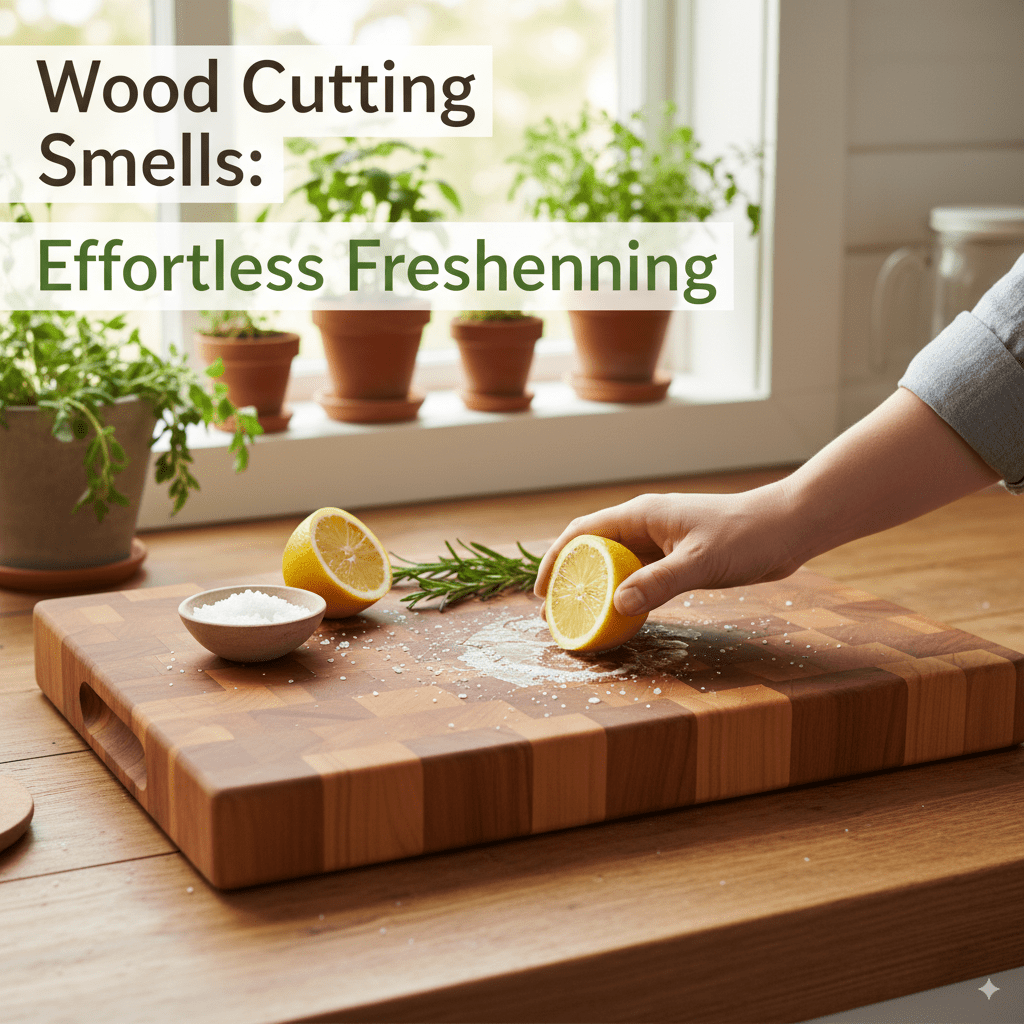
Wood Cutting Board Smells: Effortless Freshening
Quick Summary: Banish wood cutting board smells with simple, natural methods! Baking soda, vinegar, lemon, or coarse salt are your best friends for an odor-free, hygienic kitchen workspace. Keep your wooden cutting boards fresh the easy way!
Have you ever chopped onions or garlic on your beautiful wooden cutting board and then found that the smell lingers, no matter how much you wash it? It’s a common kitchen conundrum! That distinct aroma can cling to the wood, making it unpleasant to use for other foods, especially delicate ones like bread or fruit. But don’t worry, you don’t need harsh chemicals or a brand-new board to solve this. With a few simple, natural tricks, you can effortlessly freshen your wood cutting board and keep it smelling great for every meal prep. Let’s explore how to make your wooden cutting board smell brand new again, ensuring a clean and pleasant cooking experience every time.
Why Do Wood Cutting Boards Get Smelly?
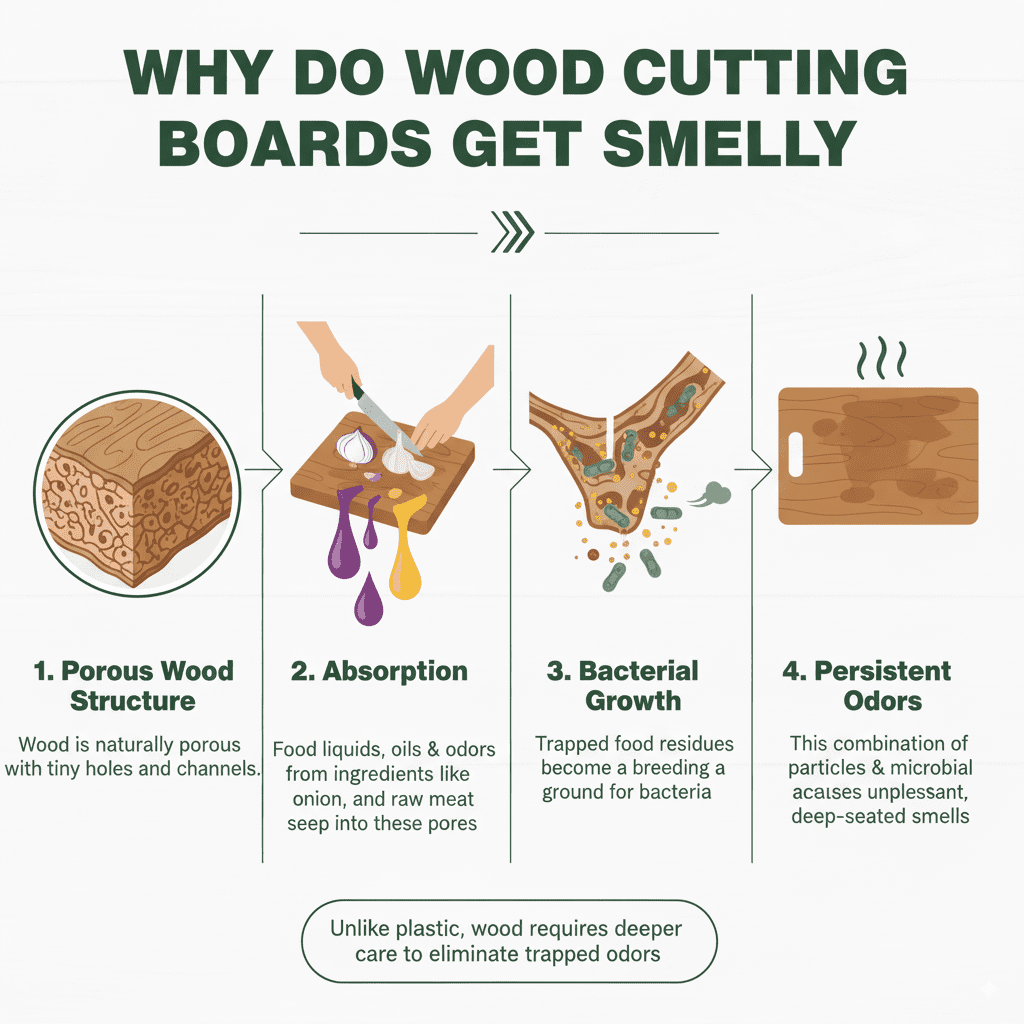
It’s natural for wood cutting boards to absorb odors and liquids. Wood is porous, meaning it has tiny little holes and channels within its structure. When you cut into it, especially with ingredients like onions, garlic, strong spices, or raw meat, these substances can seep into those pores. Bacteria can also thrive in these same spaces, and the combination of food residues and microbial activity is what leads to those persistent, unpleasant smells. Unlike plastic boards, which are less porous and easier to sanitize superficially, wood requires a bit more care to truly tackle deep-seated odors. Regular cleaning helps, but sometimes, a deeper freshening treatment is needed to lift those trapped aromas and keep your board hygienic and odor-free.
Understanding Your Wood Cutting Board and Odors
Before we dive into solutions, it’s helpful to understand why wood is susceptible to smells. This helps us appreciate the gentle yet effective methods we’ll be using.
Porosity: Wood, by its nature, absorbs liquids and molecules. Think of it like a sponge. What you cut on it can get “soaked” into the surface.
Food Particles: Tiny remnants of food can get lodged in the wood grain, especially if the board isn’t cleaned promptly or thoroughly.
Bacteria Growth: Moisture and food particles create an ideal environment for bacteria. While not always the direct cause of smell, bacteria contribute to the overall decomposition and odor.
Type of Wood: Some woods are more porous than others. Hardwoods like maple, walnut, and cherry are generally less porous and more resistant to odors than softer woods. However, even these beautiful, durable woods can pick up smells over time.
Knowing this, we can understand why harsh scrubbing or strong detergents might damage the wood or simply mask the odor temporarily, rather than eliminating it. The goal is to draw out the impurities and neutralize the smells effectively.
Effortless Freshening Methods for Your Wood Cutting Board
Here are some tried-and-true, beginner-friendly methods using common household items. These are gentle on the wood and highly effective at odor removal.
Method 1: The Baking Soda Scrub – Your Odor Neutralizer
Baking soda is a fantastic natural deodorizer. It works by absorbing and neutralizing acidic and basic odor molecules.
What you’ll need:
Baking soda
Water
A dish brush or sponge
Steps:
1. Sprinkle Generously: Lightly dampen your entire cutting board with water. Then, generously sprinkle baking soda all over the damp surface. You want a good coating, like you’re dusting a cake!
2. Make a Paste: Add just a little bit more water to the baking soda to form a thick paste.
3. Scrub Gently: Using a damp dish brush or sponge, gently scrub the paste into the wood, focusing on areas where odors are strongest. Work in the direction of the wood grain.
4. Let It Sit: Allow the paste to sit on the board for about 5-10 minutes. This gives the baking soda time to work its deodorizing magic.
5. Rinse Thoroughly: Rinse the board completely with warm water. Make sure all the baking soda paste is removed.
6. Dry Promptly: This is crucial! Immediately dry the board thoroughly with a clean towel. Then, let it air dry standing up on its edge for at least an hour to ensure all moisture evaporates from the pores.
Method 2: The Acidity Attack – Vinegar or Lemon Power
Acids like vinegar and lemon juice can help break down odor-causing compounds and also have mild antimicrobial properties.
What you’ll need:
White vinegar OR fresh lemon halves
Coarse salt (optional, for extra scrubbing power)
A dish brush or sponge
Steps (using Vinegar):
1. Apply Vinegar: Pour or spray a good amount of white vinegar directly onto the cutting board.
2. Scrub Gently: Use a sponge or brush to work the vinegar into the wood grain.
3. Let it Sit: Let the vinegar sit on the board for about 5 minutes. You might notice a mild vinegar smell, but this dissipates quickly.
4. Rinse and Dry: Rinse thoroughly with warm water and dry immediately and completely with a towel, then air dry.
Steps (using Lemon):
1. Cut and Sprinkle: Cut a lemon in half. Sprinkle the cutting board surface liberally with coarse salt (like kosher or sea salt).
2. Scrub with Lemon: Use one half of the lemon as a scrubber, pressing and rubbing it into the salt and wood grain. The salt provides gentle abrasion, and the lemon juice works its deodorizing magic. Squeeze more juice from the lemon as needed.
3. Let It Sit: Let the lemon juice and salt mixture sit on the board for about 5-10 minutes.
4. Rinse and Dry: Rinse well with warm water, ensuring all salt is washed away. Dry thoroughly with a towel and then air dry standing up.
Pro-Tip: For tougher smells, you can combine methods! For example, use the baking soda paste first, rinse, dry, and then follow up with a quick vinegar rinse or a scrub with lemon and salt.
Method 3: The Salt and Oil Combo – For Deep Cleaning and Conditioning
This method not only helps clean but also conditions the wood, keeping it from drying out.
What you’ll need:
Coarse salt (like kosher or sea salt)
Food-grade mineral oil or a board conditioning oil
A clean, dry cloth or paper towel
Steps:
1. Salt Application: Sprinkle coarse salt generously over the entire surface of your dry cutting board.
2. Scrub with an Oil-Soaked Cloth: Lightly dampen a cloth with warm water and gently scrub the salt into the wood, following the grain. The salt acts as a gentle abrasive to lift impurities.
3. Wipe Away Salt: Wipe away as much of the salt residue as possible with a dry cloth or paper towel.
4. Rinse and Dry: Lightly rinse the board with warm water to remove any remaining salt. Dry it immediately and thoroughly with a towel.
5. Oil Treatment: Once the board is completely dry (let it stand for at least an hour), apply a generous amount of food-grade mineral oil or a specialized wood cutting board conditioner. Use a clean cloth to rub the oil evenly over the entire surface, including the edges.
6. Let it Soak: Let the oil penetrate the wood for at least 30 minutes, or ideally, overnight.
7. Wipe Off Excess: Wipe off any excess oil with a clean, dry cloth.
This method is fantastic for a regular deep clean and maintenance that also tackles lingering odors.
Advanced Freshening & Prevention Tips
Beyond these immediate solutions, a few good habits will keep your board smelling fresh longer.
Clean Immediately: The best defense is a good offense! Wash your cutting board with hot soapy water right after use, especially after cutting raw meats, onions, or garlic.
Separate Boards: Consider having different boards for different types of food. A separate board for raw meats and another for vegetables and fruits can significantly reduce odor transfer and cross-contamination. Organizations like the Food Safety website offer great guidance on food safety practices, including material choices for cutting boards.
Proper Drying: Always allow your wood cutting board to air dry completely, standing on its edge. Never put it in the dishwasher or leave it flat, as this traps moisture and can lead to warping and bacterial growth.
Regular Oiling: This is key for maintenance. Oiling your board regularly (once a month, or more if it looks dry) helps seal the wood pores, making it less susceptible to absorbing odors and stains. It also prevents drying and cracking. For understanding wood care, woodworking resources often highlight the importance of proper finishing and maintenance, just like you’d find at a site for woodworking enthusiasts or lumber suppliers that offer guidance on wood properties.
Sunlight Power (Use with Caution): For truly stubborn odors, some people find that leaving a damp, clean wooden board in direct sunlight for a few hours can help. The UV rays can act as a natural disinfectant. However, be cautious. Too much direct sun can cause wood to warp or crack, so this is best used sparingly and on boards that can handle it.
Choosing the Right Cleaning Materials
When you’re freshening your board, what you use matters.
Safe for Wood: Baking soda, white vinegar, lemon juice, and coarse salt are all safe and natural choices.
Food-Grade Oils: Always use food-grade mineral oil (available at pharmacies or hardware stores) or a specialized wood cutting board oil. Never use vegetable oils like olive or vegetable oil, as they can go rancid over time and create new odors.
* Avoid Harsh Chemicals: Steer clear of bleach, ammonia, or strong chemical cleaners. These can damage the wood, strip its natural oils, and leave behind residues that are not safe for food contact. Even dish soap, while fine for regular washing, should be used sparingly during deep cleaning to avoid drying out the wood.
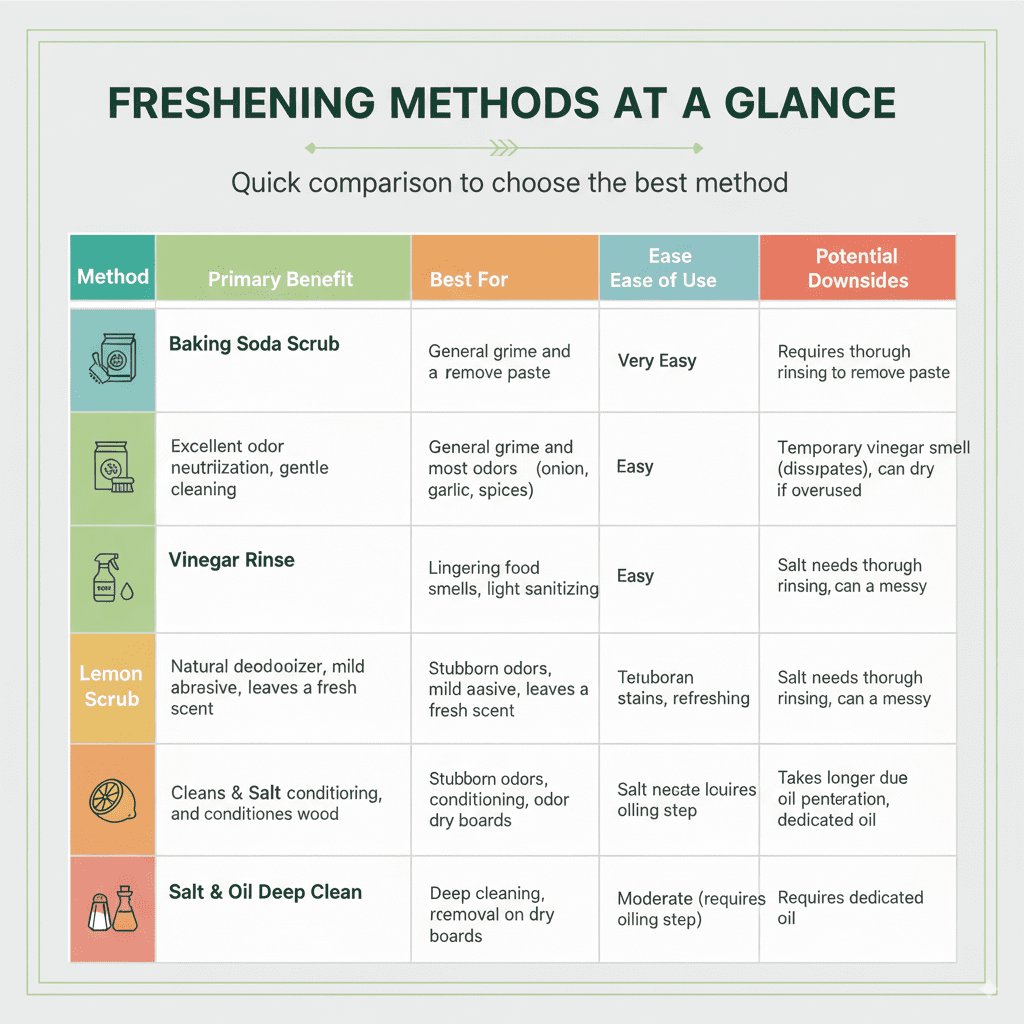
Table: Freshening Methods at a Glance
Here’s a quick comparison to help you choose the best method for your needs:
| Method | Primary Benefit | Best For | Ease of Use | Potential Downsides |
|---|---|---|---|---|
| Baking Soda Scrub | Excellent odor neutralization, gentle cleaning | General grime and most odors (onion, garlic, spices) | Very Easy | Requires thorough rinsing to remove paste |
| Vinegar Rinse | Neutralizes odors, mild disinfectant | Lingering food smells, light sanitizing | Easy | Temporary vinegar smell (dissipates), can dry wood if overused |
| Lemon & Salt Scrub | Natural deodorizer, mild abrasive, leaves a fresh scent | Stubborn odors, stains, refreshing | Easy | Salt needs thorough rinsing, can be messy |
| Salt & Oil Deep Clean | Cleans, deodorizes, and conditions wood | Deep cleaning, conditioning, odor removal on dry boards | Moderate (requires oiling step) | Takes longer due to oil penetration, requires dedicated oil |
Common Questions About Wood Cutting Board Smells
Here are some frequently asked questions from beginners about keeping their wood cutting boards fresh and clean.
Q1: How often should I deodorize my wood cutting board?
For everyday kitchen use, a good wash with hot, soapy water immediately after each use is sufficient. You should deep clean and deodorize your board using one of the methods above once a month, or whenever you notice persistent smells. If you frequently cut strong-smelling foods like onions or garlic, you might want to freshen it up more often, perhaps bi-weekly. Regular oiling, as mentioned, also helps maintain its condition and resistance to odors.
Q2: Can I put my wood cutting board in the dishwasher?
Absolutely not! Dishwashers expose wood to extreme heat and prolonged moisture, which can cause the board to warp, crack, split, and lose its finish. It also promotes bacterial growth in the damaged wood. Always hand wash your wood cutting board.
Q3: My board still smells after trying these methods. What else can I do?
If the smell persists, it might be deeply embedded. Try repeating the baking soda paste method, letting it sit for an hour this time, or combine methods – for instance, use baking soda, rinse, dry, and then use lemon and salt. Ensure you are drying the board completely after every cleaning. For very old or heavily stained boards, you might consider sanding the surface lightly to remove the top layer of stained wood (ensure you re-oil thoroughly afterwards) or investing in a new board if it’s beyond repair.
Q4: What is “food-grade mineral oil” and where do I get it?
Food-grade mineral oil is a purified mineral oil that is safe for contact with food. It’s often found in the pharmacy section of supermarkets or drugstores, typically near laxatives (ironically!). You can also find it at hardware stores or online. It’s a simple way to keep your wood protected and conditioned. Just look for labels that specify “food-grade” or “USP-grade.”
Q5: Can I use essential oils to make my wood cutting board smell good?
While some essential oils have antimicrobial properties, it’s generally best to avoid using them directly on cutting boards. Firstly, many essential oils can be toxic if ingested, and it’s hard to guarantee complete removal from the porous wood. Secondly, they can potentially damage the wood finish or create a taste that transfers to food. Stick to natural deodorizers like lemon or rely on proper cleaning and oiling for a neutral, fresh scent.
Q6: My board has dark stains. Can these methods remove them too?
Methods like the lemon and salt scrub, and even the baking soda paste, can help lift some surface stains due to their mild abrasive and acidic properties. For deeper stains, a light sanding might be necessary. After sanding, always be sure to re-oil the board thoroughly to reseal the wood and prevent future staining. Resources on wood finishing and restoration often detail safe sanding techniques suitable for cutting boards.
Q7: How do I prevent smells from coming back so quickly?
Prevention is key! Always clean your board immediately after use. Dry it thoroughly and store it upright. Regular oiling is one of the most effective ways to maintain the board’s integrity and prevent deep odor absorption. Using separate cutting boards for different food types (raw meat vs. produce) also significantly cuts down on odor transfer and makes cleaning more effective. Proper maintenance ensures your board remains a joy to use, not a source of kitchen odors.
Conclusion: Enjoy a Fresh-Smelling Kitchen Workspace
Keeping your wood cutting board free from unpleasant smells is entirely achievable with these simple, natural methods. Whether you reach for the trusty baking soda, the zesty lemon and salt, or a good conditioning oil, you’re investing in the longevity and enjoyment of your kitchen essential. Remember, a little regular care goes a long way. By adopting a routine of immediate cleaning, proper drying, and periodic freshening, your wooden cutting board will remain a clean, hygienic, and beautiful centerpiece in your kitchen for years to come, ready for all your culinary adventures without any lingering odors. Happy cooking and happy crafting in your kitchen!