Best Outdoor Varnishes for Harsh Winters (2026): We Compared
For harsh winters, choose a marine or traditional spar varnish with high flexibility and UV blockers or absorbers, since clear coats have no pigment to slow sun damage; skip hard interior varnish, and recoat before the film turns chalky or cracks. The wrong choice leads to checking, peeling, and moisture getting under the film after freeze-thaw cycles. This guide compares winter failure resistance first, then helps you choose the right exterior clear finish.
Quick comparison
| Product | Badge | Best for | Price | ||
|---|---|---|---|---|---|
 |
Minwax Helmsman Indoor/Outdoor Spar Urethane, Quart, GlossMinwax | Our pick | Quart · Minwax Helmsman · Gloss | $23.61
Price as of 26 Oct 2026
|
View |
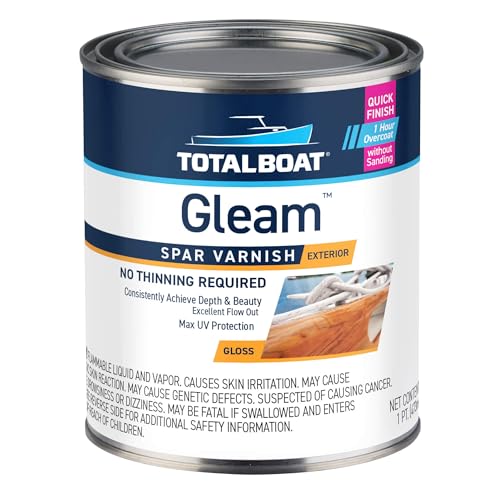 |
TotalBoat Gleam Marine Spar Varnish for Boats & OutdoorTotalBoat | Upgrade pick | Pint · TotalBoat Gleam · Oil-Based | $30.99
Price as of 26 Oct 2026
|
View |
This comparison centers on winter failure modes, not gloss or brand name. The best finish is the one that can move with wood, shed moisture, and stay within its recoat window before a cold snap.
How we chose
The shortlist favors finishes that tolerate cold-weather movement, resist UV breakdown, and can be recoated before overnight lows drop too far. The decision points are simple: application temperature, drying and recoat timing, flexibility, and the risk of checking, peeling, clouding, or edge wear after snow melt.
Clear coatings also need UV blockers or absorbers because they do not have pigment to do that job. Multiple thin coats beat one heavy coat, especially where end grain can pull in water and start failure at the edges first.
For winter use, a finish must also act as a moisture barrier without becoming brittle. If it seals too hard, the film cracks when the wood moves; if it stays too soft, it can wear quickly on ledges, rails, and table edges.
Best outdoor varnish for harsh winters
The best overall choice for harsh winters is a flexible marine or spar varnish with strong UV inhibitors, because it handles wood movement and sun better than hard interior coatings. For fully exposed railings and exposed trim, that matters more than a showy gloss. For sheltered trim, faster-drying water-based exterior formulas can be practical.
For a finish that sees snow, meltwater, and overnight freezes, the safer choice is a coating that can stay elastic enough to move with the wood. A film-forming finish that turns brittle is the one most likely to check, peel, or lift at an edge after a thaw.
Say your porch rail has a 12-foot top rail with open exposure on three sides. A finish that looks fine in autumn can fail fast if moisture sits in seams, then freezes and expands. That is why winter suitability starts with flexibility and recoat timing, not with shine.
Top pick for fully exposed wood
For fully exposed wood, marine spar varnish is the safest default when you want a clear film and the wood sees direct weather. It is built for above-waterline exterior use, and the better formulas use UV blockers plus a flexible resin system that resists cracking better than hard varnish.
The drawback is maintenance. Marine spar varnish still needs attention before the film degrades, and exposed south- or west-facing surfaces can shorten that cycle. On a railing, exposed post cap, or boat-style brightwork, the edge wear shows first.
One-line recommendation by exposure level
Choose marine spar varnish for fully exposed rails and trim, water-based exterior varnish for sheltered porch wood, and pure tung oil only when you want a penetrating, low-build look and accept regular upkeep.
Marine spar varnish: best for exposed railings

TotalBoat Gleam Marine Spar Varnish is the stronger fit for exposed railings, doors, and outdoor wood that sees sun and moisture in the same week. Based on the listed specs, it is oil-based, flexible after curing, and built with UV inhibitors for brightwork and exterior wood.
It also stands out for speed. The maker says it dries fast, can be recoated in 1 hour, and allows four coats per day. That helps you close the film before a weather shift, which matters when cold nights are coming. The listed coverage is up to about 400 sq ft per gallon at one mil thickness.
The drawback is that it is still a film-forming finish, so it needs proper prep and routine upkeep. On a fully exposed surface, waiting until failure is visible means you are already behind. It is also more demanding than an oil finish if you want simple touch-up.
For winter resistance, this is the best choice when you need maximum flexibility, strong UV resistance, and a finish that can be renewed before the coating turns brittle. It is the closest match to the question’s harsh-winter use case.
Where it fits best
Use it on exposed railings, porch posts, exterior doors, and brightwork where the wood gets direct sun and wetting. The product description also positions it for interior or exterior wood, but the winter value comes from its marine-style protection on above-waterline surfaces.
Winter strengths and weak points
The strengths are flexibility and UV protection. The weak point is maintenance sensitivity: once checking starts, moisture can work under the coating and peel it from the edges inward. That risk rises on horizontal ledges, handrails, and end grain.
Maintenance interval to expect
Expect to inspect it before and after the freeze season, especially on sun-facing sides. A clear film on exposed wood usually needs renewal before it looks badly worn, because winter damage often begins as clouding, then checking, then edge lift.
Water-based exterior varnish: best for sheltered trim
Minwax Helmsman Indoor/Outdoor Spar Urethane is the more practical pick for sheltered trim, windows, and furniture that benefit from quicker drying and easier cleanup. The product is listed as a protective clear finish for interior and exterior wood, and it is described as a year-round barrier against rain and moisture.
The main advantages of water-based exterior varnish are fast dry time, lower odor, and soap-and-water cleanup. Those traits matter when you need to get multiple coats on before a weather change or do the job in a tight space with limited ventilation. Water-based formulas also commonly include UV blockers or absorbers because they do not have pigment.
The drawback is exposure tolerance. Even good water-based spar urethanes are usually less forgiving than marine spar varnish in severe exposure, especially where freeze-thaw cycling and direct sun hit the same surface. For fully exposed railings, they are the weaker choice.
Use this type where the wood gets weather, but not the full blast of sun, ice, and wind. Sheltered porch trim is a better match than open handrails or table tops that sit out through winter storms.
Fast dry and cleanup advantages
Water-based exterior varnish is the easiest route when time matters. Faster dry and recoating help you build thin films before a cold front arrives, and the low odor makes interior-adjacent work less harsh.
Lower odor and UV blockers
Clear finishes need UV blockers or absorbers because there is no pigment to slow sun damage. Water-based products commonly include them, but the protection still depends on film thickness, placement, and how much direct winter sun the wood receives.
Why it is a weaker choice in extreme exposure
In extreme exposure, the film has less forgiveness when the wood moves. Snow melt can sit on a rail, refreeze overnight, and push weaknesses open at edges and end grain. That is where a less flexible coating tends to fail sooner.
Pure tung oil: when a penetrating finish makes sense
Pure tung oil is a penetrating finish, not a film-forming varnish. It soaks into the fibers, leaves a lower-build look, and is easier to spot-repair than a hard clear film. That makes it useful when you want the grain to look natural and the maintenance plan to stay simple.
Its tradeoff is protection. Because it does not build a thick surface film, it does not behave like a varnish under winter weather. It can be a better fit for furniture you are willing to refresh often, but it is not the best answer when you want the longest clear-film life outside.
A common first-timer mistake is choosing a penetrating finish for a snow-exposed bench, then expecting varnish-like water shedding. The surface may look good at first, but it will not give the same moisture barrier as a properly built marine spar film.
How it differs from film-forming finish
A film-forming finish leaves a visible layer on top of the wood. A penetrating finish absorbs into the fibers instead. That difference matters in winter because the film can crack and peel, while a penetrating finish usually wears away more gradually.
Maintenance profile in winter
Pure tung oil needs more frequent renewal if the wood stays outside. It is easier to touch up, but it does not buy the same winter protection as a marine spar varnish with UV blockers or absorbers and a built moisture barrier.
Best use cases for furniture and low-build looks
Use it for outdoor furniture, decorative pieces, or low-build projects where you value easy maintenance over hard-shell protection. It is not the right answer for an exposed handrail or any surface that must resist prolonged snow load and repeated freeze-thaw stress.
Winter failure matrix
This matrix compares common clear finishes by the factors that matter most in cold weather: minimum application temperature, recoat timing, flexibility, UV protection, and failure risk. The recommendation column is tied to sheltered porch trim, fully exposed railings, and outdoor furniture.
| Finish | Minimum application temperature | Recoat window | Flexibility | UV protection | Winter failure risk | Best use |
|---|---|---|---|---|---|---|
| Marine spar varnish | Check the label; many clear coats want mild, dry conditions rather than near-freezing air | Usually same day to next day, depending on product and film build | High | High with UV inhibitors | Lower if maintained; failure starts as checking or edge wear | Fully exposed railings |
| Water-based exterior varnish | Check the label; water-based formulas often tolerate cooler but not freezing conditions | Fast; some allow another layer in under an hour | Moderate | Moderate to high with blockers | Moderate; clouding and edge lift can appear in harsher exposure | Sheltered porch trim |
| Traditional spar urethane | Check the label; avoid application when temperatures will drop hard overnight | Often a few hours to overnight | Moderate to high | Moderate with blockers | Moderate; cracking can appear if film gets too thick | Sheltered outdoor wood |
| Exterior acrylic clear coat | Check the label; best in stable, above-minimum temperatures | Often fast | Moderate | Moderate | Moderate; can cloud or wear on edges | Furniture in partial shelter |
| Phenolic or alkyd spar varnish | Check the label; solvent-borne formulas often need warm, dry air | Commonly overnight or longer | High when well made | High with UV inhibitors | Lower to moderate; can chalk before it peels | Exposed wood with scheduled upkeep |
| Pure tung oil | Check the label; dry, mild weather helps curing | Usually days rather than hours | High, because it penetrates rather than films | Low unless paired with another clear system | High for exterior winter use if left unmaintained | Furniture and low-build looks |
| Water-based spar urethane | Check the label; cold weather slows coalescence and cure | Fast; some products are ready in about 2 hours | Moderate | Moderate to high with blockers | Moderate; less forgiving in severe exposure | Sheltered trim and furniture |
| Interior varnish | Not recommended for exterior winter use | Irrelevant here | Often low for exterior movement | Usually low for outdoor exposure | High; checking and peeling are likely | Do not use outside |
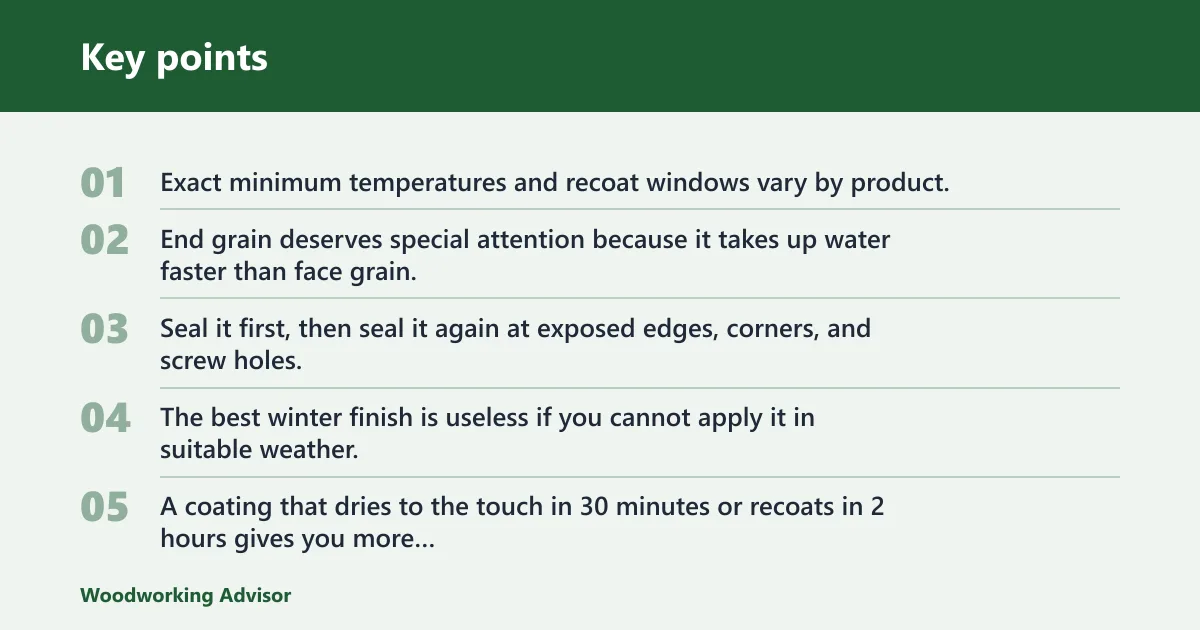
The matrix is intentionally conservative. Exact minimum temperatures and recoat windows vary by product, but the winter logic does not change: if the film cannot be applied and recoated before a cold snap, moisture can get trapped and failure starts early.
End grain deserves special attention because it takes up water faster than face grain. Seal it first, then seal it again at exposed edges, corners, and screw holes. That is where winter failure often begins.
Application temperature and drying window
The best winter finish is useless if you cannot apply it in suitable weather. A coating that dries to the touch in 30 minutes or recoats in 2 hours gives you more room before a temperature drop, while slower systems may need a longer dry spell.
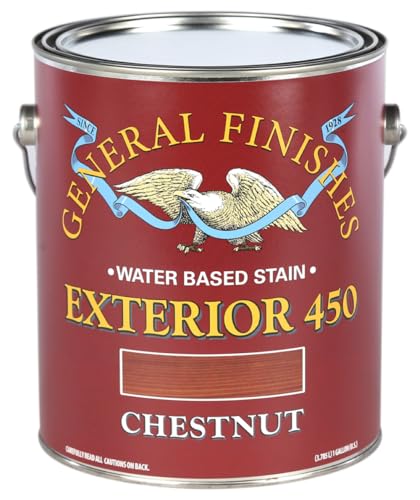
That is why fast-return products matter for late-season work. For example, Varathane 250241H dries to the touch in 30 minutes and can be recoated after 2 hours, while General Finishes Exterior 450 allows another layer in under an hour. TotalBoat Lust can be recoated in 1.5 hours and allows four coats per day.
Recoat timing before a cold snap
Apply only what you can finish before nightfall and before damp air turns cold. If a coating skins over but does not cure, a sudden freeze can trap moisture under the film and set up clouding, lifting, or early peel.
Flexibility, UV protection, and failure risk by finish
Marine spar varnish and well-made spar urethanes win when wood movement is the main concern. Water-based formulas can be very useful, but they are usually a step down in severe exposure. Pure tung oil is flexible in a different way, yet it does not create the same weather shell.
UV blockers or absorbers matter because clear coatings lack pigment. Without them, sunlight degrades the resin faster, and winter then finishes the job with movement and moisture.
Which one should you buy?
If your top priority is winter survival on fully exposed wood, buy marine spar varnish. If the wood is sheltered, a fast-drying water-based exterior varnish is the more practical pick. If you want the easiest maintenance and a low-build look, choose pure tung oil with the understanding that it is not a varnish and will need regular renewal.
Best choice for fully exposed wood
Choose TotalBoat Gleam Marine Spar Varnish for exposed railings, exterior doors, and brightwork where UV load and freeze-thaw cycling are constant. Its flexibility and UV inhibitors make it the stronger winter answer of the two named products.
Best choice for sheltered outdoor wood
Choose Minwax Helmsman Indoor/Outdoor Spar Urethane for sheltered trim, windows, and furniture that need a protective clear coat with easier handling. It is a better fit where fast dry time matters more than maximum exposure resistance.
Best choice if you want the easiest maintenance
Pure tung oil is the easiest to spot-repair, but it is also the least protective of the three options discussed here. If you want fewer prep steps and a softer look, it makes sense for furniture that does not face full winter exposure.
One more rule helps most owners avoid failure: do not build a heavy film in one pass. Multiple thin coats cure more reliably and move better with the wood. Thick coats can trap solvents, sag at edges, and crack sooner in winter.
Suppose a cedar porch rail gets afternoon sun on one side and snow drift on the other. A clear coating that looks perfect after a warm weekend can fail where the end grain and top edge stay wet. The better answer is a flexible finish, careful sealing of the cut ends, and a recoating plan before the coldest stretch arrives.
Frequently asked questions
What is the best outdoor varnish for harsh winters?
The best outdoor varnish for harsh winters is a marine or traditional spar varnish with strong UV blockers or absorbers and high flexibility. Those features help the film move with wood, resist sun damage, and reduce checking or peeling when freeze-thaw cycling starts.
What is the best clear varnish for outdoor wood?
The best clear varnish for outdoor wood is usually a spar or marine spar formula, not a hard interior varnish. For exposed surfaces, choose the product that combines UV protection, moisture resistance, and enough flexibility to handle seasonal movement.
What varnish lasts longest outside in winter
The longest-lasting varnish outside in winter is typically a well-maintained marine spar varnish. Longevity depends on exposure, though. Sheltered wood can keep a finish far longer than a railing that gets direct sun, snow load, and standing meltwater.
Does exterior varnish work in freezing temperatures?
Exterior varnish can work in cold weather only if the label allows that temperature range and the wood stays dry during cure. Freezing air, damp wood, or an incoming cold snap can interfere with film formation and raise the risk of clouding or early failure.
Oil or varnish for outdoor wood
Use varnish when you need a true moisture barrier and UV protection. Use oil when you want a penetrating finish with easier touch-up and accept more frequent maintenance. For harsh winters, varnish is usually the stronger weather barrier.
What is the best varnish for outdoor furniture?
For outdoor furniture, the best varnish is often a fast-drying spar urethane or marine spar varnish, depending on exposure. If the piece sits in partial shelter, a water-based exterior formula is easier to renew. If it stays out all winter, choose the more flexible marine option.
Sponsored / affiliate links. As an Amazon Associate I earn from qualifying purchases. I may earn additional commission from eligible campaigns.