Wooden Outdoor Xmas Decorations: Best Wood, Sealing & Wind Tips
Most “outdoor Christmas decoration” guides stop at cut a shape, paint it, put it in the yard. That is exactly how a plywood reindeer ends up with peeling paint by New Year’s and lying face down after the first windy night. Wood outdoors fails in two predictable ways: it soaks up water through the parts you did not seal, and it acts like a sail in the wind.
This guide is built around those two failure points. You will get a material comparison, a sealing order that protects the edges first, rough wind-force numbers so you can size your stakes, and lighting safety basics. For figure-specific plans, see our guides to wood reindeer lawn decorations and wooden snowman decorations.
Which Wood Actually Survives a Winter Outside
Best Outdoor Clear Coat Pick
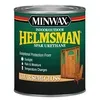 |
Minwax Helmsman Indoor/Outdoor Spar Urethane, Quart, Semi-Gloss, $23.54 A clear exterior topcoat made for wood that swells and shrinks with the seasons. One quart covers a whole yard’s worth of cutouts, stars and signs.
|
The wood you pick decides how much sealing work you are signing up for. Here is how the common options compare for seasonal outdoor pieces that stay out for roughly six to ten weeks and then go into storage.
| Material | Outdoor behavior | Best use |
|---|---|---|
| Western red cedar | Heartwood is naturally decay resistant and light; sapwood is not | Stars, signs, frames, anything you want to keep for years |
| Redwood | Heartwood resists decay; price and availability vary by region | Same uses as cedar where it is easy to find |
| Pine, spruce, fir (SPF) | Low natural decay resistance, so the finish does all the work | Budget builds that you fully seal and store each year |
| Exterior plywood | Waterproof glue, but the face veneers and cut edges still absorb water | Large flat cutouts such as reindeer and trees |
| Marine plywood | Best plywood option for wet exposure, but costly | Only if you want a decoration to last many seasons |
| Pressure-treated lumber | Resists rot and insects; wear gloves and a dust mask when cutting, and never burn scraps | Ground stakes and base frames, not fine details |
| MDF, particleboard | Swells and crumbles when moisture gets in, even when painted | Indoor projects only |
Two points are worth a closer look. First, cedar’s rot resistance comes from the heartwood, so a board with a lot of pale sapwood behaves more like pine; our cedar rot guide explains how long it really lasts outdoors. Second, “exterior” plywood does not mean waterproof. The glue is rated for moisture, but a bare edge wicks water into the layers and the plies start to separate. If you are comparing softwoods for an outdoor build, our spruce durability breakdown covers how they hold up.
Seal Before You Paint: The Order That Protects the Wood
Paint is a thin film. It hides the wood but does not stop water that enters from behind, from the edges or from screw holes. The fix is to seal the places water actually enters first, then build the visible coating on top.
- Cut and drill everything first. A jigsaw with a fine-tooth blade gives cleaner plywood edges; a scroll saw handles thin, detailed pieces. Drill hanging and stake holes now so you can seal inside them.
- Sand the faces and slightly ease the sharp corners. Coatings thin out on razor edges and fail there first.
- Seal the edges, the back and the inside of every drilled hole. Two coats on the end grain and plywood edges, because these absorb far more water than the flat faces.
- Prime the front. On pine, knots can bleed through paint, so use a stain-blocking primer; see our primer guide for options.
- Apply two thin coats of exterior acrylic paint rather than one thick one, letting each dry fully.
- Finish with a clear exterior topcoat such as spar urethane. Follow the can for the number of coats and recoat times.
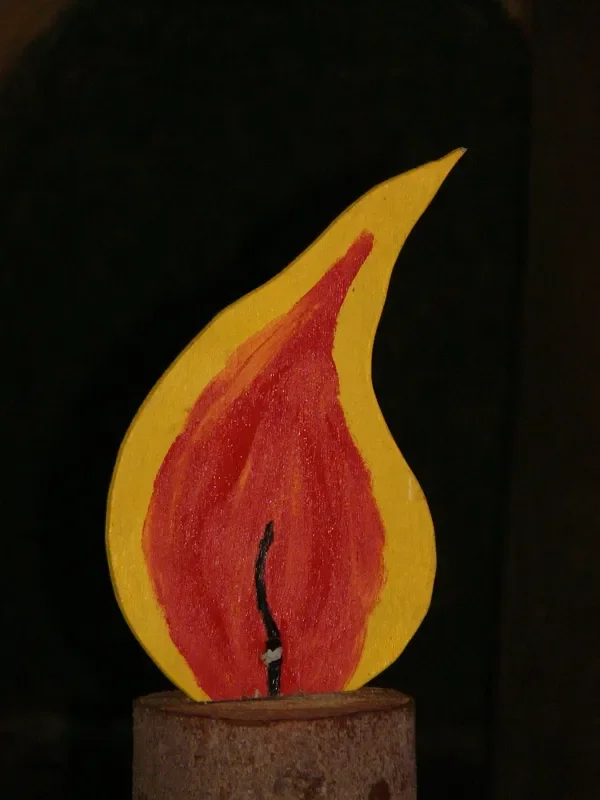
A clear spar urethane over paint adds UV and moisture protection, which matters most on the side facing the sun. If you are leaving cedar natural, the same topcoat slows the graying that sun causes. Two quick checks tell you when to recoat next year: the sheen looks dull, or water stops beading and starts soaking in.
Wind Load: How Much Force Your Cutout Really Sees
A flat plywood reindeer facing the wind behaves like a small sail. You can estimate the push with a standard formula: force in pounds equals 0.00256 x wind speed in mph squared x shape factor x area in square feet. For a flat panel a shape factor of about 1.2 is a reasonable assumption. These figures are rough estimates for a panel facing straight into the wind, not engineering values, but they show how quickly the load climbs.
| Panel size (area) | 30 mph gust | 45 mph gust | 60 mph gust |
|---|---|---|---|
| 2 ft x 1.5 ft (3 sq ft) | 8 lb | 19 lb | 33 lb |
| 2 ft x 3 ft (6 sq ft) | 17 lb | 37 lb | 66 lb |
| 3 ft x 4 ft (12 sq ft) | 33 lb | 75 lb | 133 lb |
Notice that doubling the wind speed quadruples the force. A 2 ft by 3 ft cutout that only feels a 17 lb push at 30 mph sees around 66 lb at 60 mph, more than enough to snap a thin stake or tip a light base. Four habits help:
- Use two stakes, not one, spaced wide apart on large panels, and drive them well into the ground. Metal stakes such as rebar or steel garden stakes are a good choice.
- Keep the wood out of the soil. Bolt or screw the panel to the stake above ground level, so the decoration never sits in wet dirt. Soil contact is the fastest way to rot a seasonal piece.
- Cut openings into big designs. A snowflake or star with cutouts lets wind pass through, which lowers the load compared with a solid panel of the same outline.
- Treat tall pieces like posts. For a freestanding tree or sign taller than a few feet, use the anchoring ideas in our fence post depth guide rather than a shallow stake.
Lighting and Power: Keep It Safe Outdoors
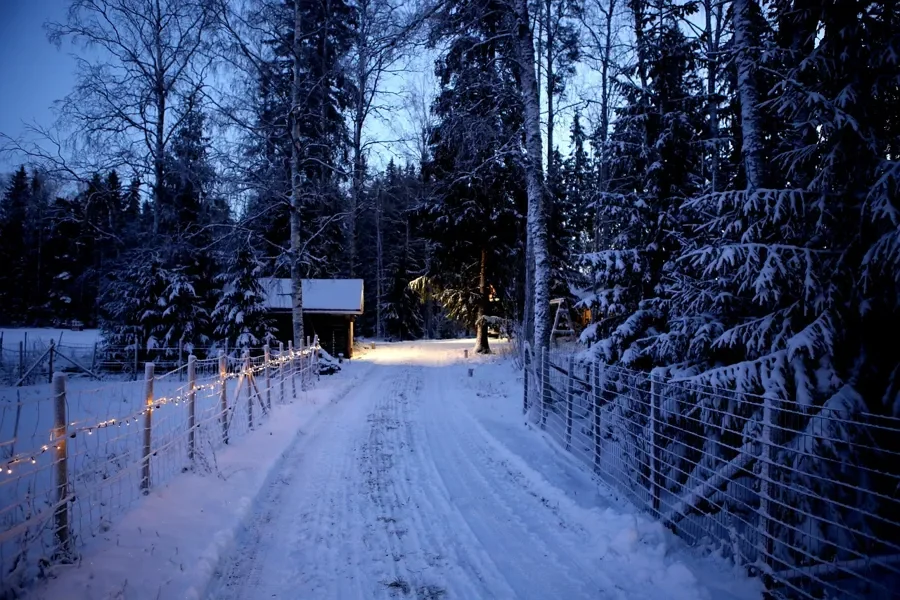
Lights turn a plain wooden cutout into a night display, but wet weather and electricity need respect. Use lights marked for outdoor use, and prefer LED strings, which run cooler than incandescent bulbs. Plug outdoor displays into a GFCI-protected outlet. Do not staple or nail through a cord’s insulation; use insulated clips or drill small holes so the wire passes through untouched. Keep plug connections off the ground and covered, and check the label for how many strings can be connected end to end.
Project Ideas Matched to the Right Wood
- Large flat figures (reindeer, sleigh, Santa): exterior plywood with sealed edges and a two-stake mount. Full plans are in our reindeer lawn decoration guide.
- Snowmen and stacked shapes: cedar or pine boards are easier to stack and stake. See snowman wood decorations for shapes and painting ideas.
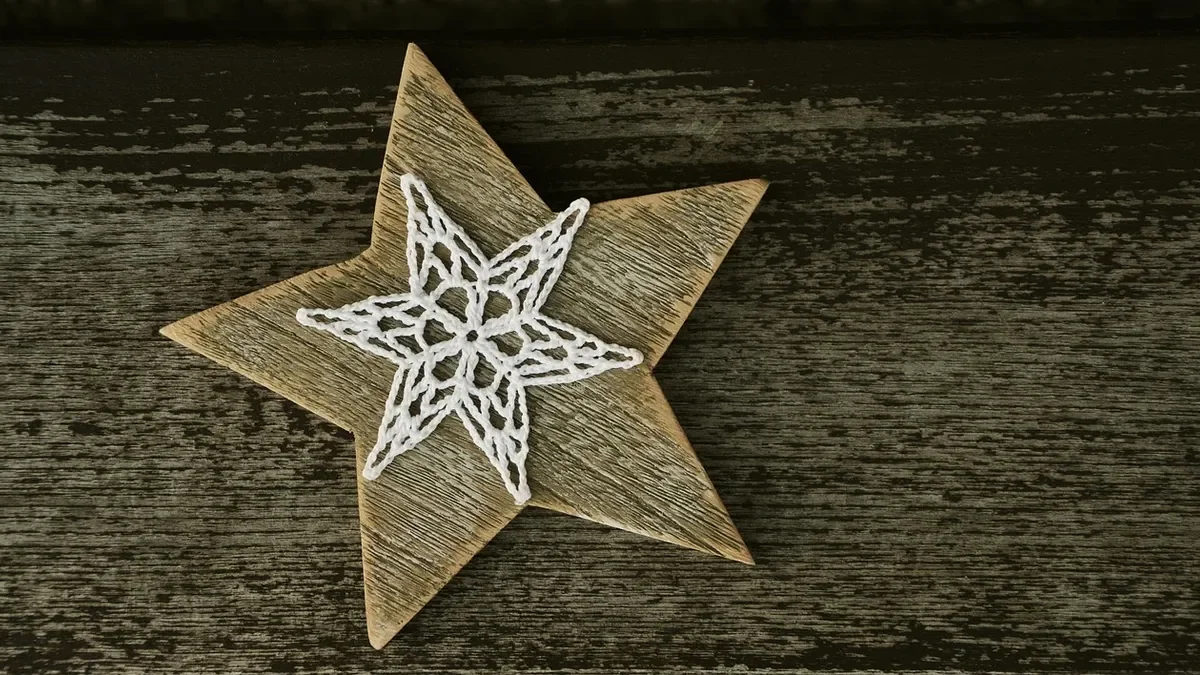
- Trees and stars: a cedar star reads well from the street and needs minimal paint. For flat trees, our plywood Christmas tree pattern guide covers plywood types and sizes, and the DIY wooden tree guide shows a freestanding build.
- Fine-detail pieces: use free templates from our Xmas scroll saw patterns for doorway or porch pieces that are protected from heavy rain.
If you glue any joints, choose a glue rated for moisture; our guide on whether wood glue is waterproof once cured explains the ratings, and add screws for any joint that carries wind load.
Storage and Yearly Touch-Ups
Take the pieces in after the season, let them dry completely, then store them flat or upright in a dry, ventilated spot off the concrete floor. Tightly wrapped plastic can trap moisture, so use breathable cloth or paper. Each fall, look for chipped paint, cracked edges and softened spots. Sand chips lightly, reseal bare wood, and add a fresh topcoat. Small repairs before the season cost a lot less than rebuilding a rotted figure.
Frequently Asked Questions
What is the best wood for outdoor Christmas decorations?
Western red cedar or redwood heartwood is the best natural choice because it resists decay. Exterior plywood is a good budget option for large flat cutouts if you seal every edge, and pine works if you seal it fully and store it each year. Avoid MDF and particleboard outdoors.
Do I need to seal wooden decorations if I paint them?
Yes. Paint is a thin film and water gets in through unsealed edges, backs and screw holes. Seal the edges and back first, then prime, paint with exterior acrylic and add a clear exterior topcoat.
Is exterior plywood waterproof?
No. Exterior plywood uses moisture-resistant glue, but the face veneers and cut edges still absorb water and can delaminate if left bare. Seal every edge and both faces before it goes outside.
How do I keep wooden yard decorations from blowing over?
Mount flat panels on two stakes instead of one, drive the stakes well into the ground, and keep the wood above soil level. Wind force rises with the square of wind speed, so a panel that feels fine at 30 mph sees four times the push at 60 mph. Cutting openings into the design also reduces the load.
Can I put Christmas lights on wooden outdoor decorations?
Yes, if the lights are rated for outdoor use. LED strings run cooler than incandescent ones. Use insulated clips rather than staples through the cord, plug into a GFCI outlet, and keep connections off the ground and covered.
How long will wooden outdoor Christmas decorations last?
It depends on the wood and the finish. A sealed cedar piece that you store dry every year can last many seasons, while bare or poorly sealed pine may show damage in one. Recoat when water stops beading on the surface.
Bottom Line
Wooden outdoor Xmas decorations last when you protect the entry points for water and plan for wind. Choose cedar or sealed exterior plywood, seal edges and backs before painting, top the paint with a clear exterior coat, and mount each panel on two stakes above ground. Do that and the same pieces can come out of storage every December.
Sponsored / affiliate links. As an Amazon Associate I earn from qualifying purchases. I may earn additional commission from eligible campaigns.