Can I Use Metal Saw To Cut Wood: Essential Guide
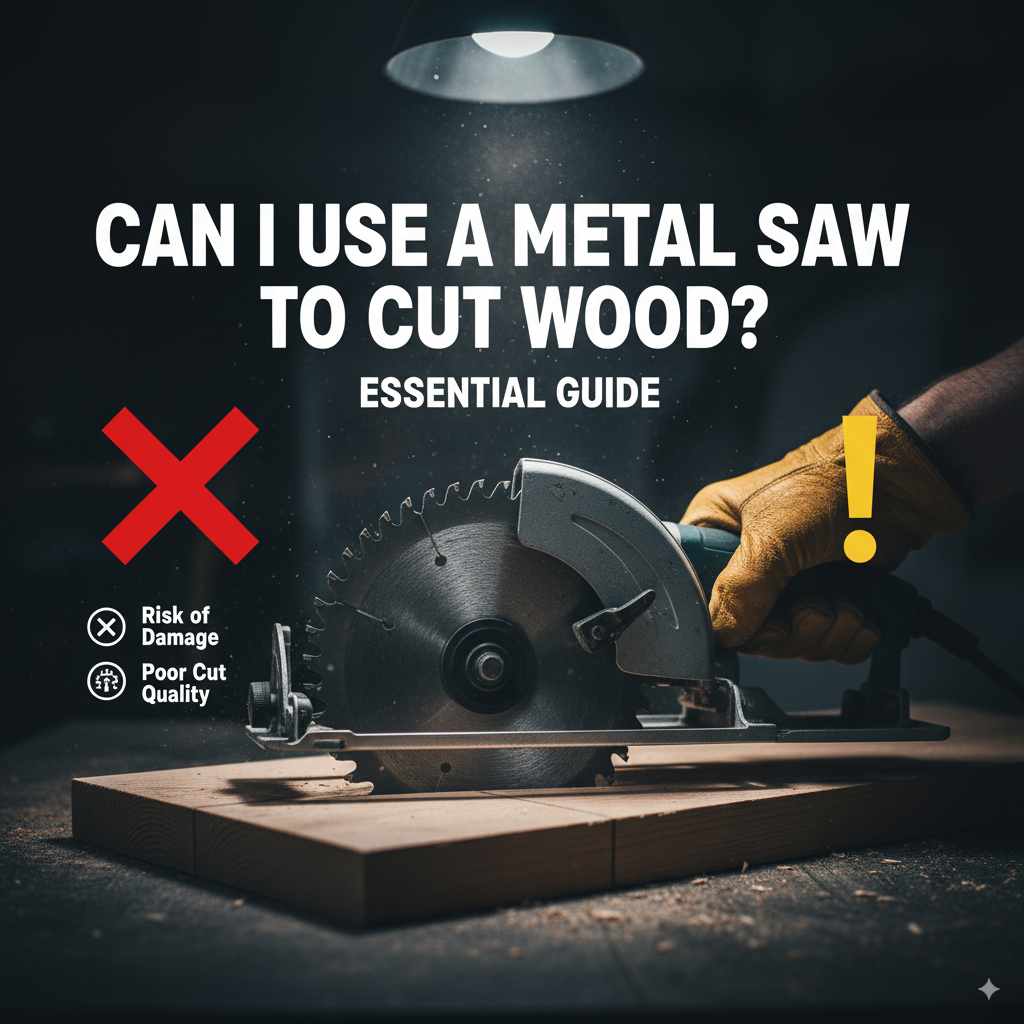
Yes, you can use a metal saw to cut wood, but it’s not ideal. While it’s possible, it’s less efficient, creates messier cuts, and can damage both the saw and the wood. For best results and safety, using a saw designed for wood is always recommended. This guide will explain why and what to consider if you must use a metal saw for wood.
Ever stood in your workshop, project in hand, facing a piece of wood, only to realize your only available saw is one typically meant for metal? It’s a common predicament for DIYers and homeowners just starting out. You might be wondering, “Can I use a metal saw to cut wood?” The short answer is, yes, but it comes with a few significant caveats. You want your project to turn out well, and using the wrong tool can lead to frustration, wasted materials, and even safety hazards. Don’t worry, though! This guide is here to walk you through everything you need to know. We’ll explore the differences between saws for metal and wood, what to expect if you go ahead with using a metal saw, and how to minimize potential problems. Let’s get those projects moving, safely and smartly!
Understanding the Difference: Metal Saws vs. Wood Saws
Before we dive into whether you can use a metal saw for wood, it’s essential to understand why they are different in the first place. The primary distinction lies in their design, teeth, material, and intended use. These differences directly impact how they perform on various materials.
Blade Design and Tooth Count
The most obvious difference you’ll notice is the blade. Blades designed for cutting metal typically have a very fine tooth count and sharp, hardened teeth. This is because metal is dense and requires many small, sharp points to shave away material gradually and cleanly. A high tooth count (often 20-60 teeth per inch or TPI) is crucial for preventing the blade from snagging and overheating on tough materials like steel or aluminum.
Wood, on the other hand, is softer and more fibrous. Wood-cutting blades usually have fewer, larger teeth with a more aggressive angle. These larger teeth can clear away wood dust and chips more effectively, preventing the blade from binding. The tooth shape also plays a role; they are designed to “chew” through wood rather than shave it finely. Saw blades for wood can range from 3 to 10 TPI, depending on the type of cut (crosscut, rip cut) and the type of wood.
Material and Hardness
Blades for cutting metal are often made from high-speed steel (HSS) or carbide-tipped alloys. These materials are chosen for their extreme hardness and ability to withstand the friction and heat generated when cutting through dense metals. They need to stay sharp and resist wear for much longer periods when used on metal.
Wood-cutting blades are generally made from various steels, including chrome vanadium, carbon steel, or carbide-tipped. While these can be durable, they are typically not as hard as specialized metal-cutting blades. The softer nature of wood means these blades don’t need to be as robust to perform their job effectively.
Intended Use and Cutting Action
Saws designed for metal are built for precision, clean cuts, and durability when working with unforgiving materials. They are engineered to cut through thick, resistant substances without excessive blade deflection or breakage. Examples include metal chop saws, band saws with metal blades, and even hacksaws.
Wood saws, like circular saws, miter saws, table saws, and jigsaws, are optimized for speed and efficiency in cutting wood. They are designed to handle the sawdust produced and to provide smooth finishes on a material that can splinter if cut incorrectly. Their cutting action is focused on removing wood material quickly and cleanly.
Can You Actually Use a Metal Saw to Cut Wood?
So, to directly answer your question: yes, it is technically possible to use a saw designed for metal to cut wood. However, it’s crucial to understand that it’s rarely the best choice. The performance will vary significantly depending on the type of metal saw you’re using and the type of wood you’re cutting.
What to Expect if You Try
When you try to cut wood with a metal saw, you’ll likely notice a few things:
- Slower Cutting Speed: The fine teeth of a metal blade will struggle to remove wood material efficiently. It will feel like you’re pushing through something much more resistant than it is.
- Messier Cuts: Because the teeth are so fine, they tend to tear at the wood fibers rather than cleanly severing them. This can result in splintering, rough edges, and a less precise cut.
- Increased Heat and Friction: The fine teeth generate more friction against the wood, which can cause the blade to overheat. Overheated blades can become dull faster and potentially damage the wood, leaving burn marks.
- Blade Damage: The wood dust and chips are much larger and stickier than metal shavings. This can clog the fine teeth of the metal blade, leading to binding, increased stress on the blade, and a higher risk of breakage.
- Saw Strain: The motor of your saw might have to work harder to push the blade through the wood, especially if it’s a smaller motor or a less powerful saw.
Types of Metal Saws and Their Wood-Cutting Potential
The tool you have matters. Here’s a look at some common metal saws and how they might fare with wood:
| Type of Metal Saw | Wood Cutting Capability | Considerations for Wood Cutting |
|---|---|---|
| Hacksaw | Limited – Can cut soft woods or very thin plywood with a fine-tooth blade. | Extremely slow, effort-intensive, and very rough cuts. Best for small, rough jobs where precision isn’t needed. |
| Metal-cutting Chop Saw (e.g., abrasive or carbide-tipped) | Possible, but not recommended – If it has a carbide tip suitable for metal, it might cut wood, but expect aggressive splintering and heat. Abrasive wheels cannot cut wood. | High risk of aggressive splintering, burning, and blade/wood damage. The motor may struggle. Not designed for chip removal in wood. |
| Metal-cutting Band Saw | Limited – Can cut softer woods if using a fine-tooth blade. | Slow, rough cuts. Similar issues to a hacksaw but with a power tool. The fine teeth will clog easily. |
| Angle Grinder with Metal Cutting Disc | Extremely Dangerous and Not Recommended – Designed to grind, not cut cleanly, and the sparks are a huge fire hazard with wood. | This is a high-risk situation. Sparks from an angle grinder can easily ignite wood dust or surrounding materials. The cut will be extremely rough and uncontrolled. AVOID for wood. |
| Reciprocating Saw (with metal blade) | Possible on soft woods – A metal blade will make rough cuts. | The fine teeth will clog, the cut will be slow and rough. May be useful for demolition or rough shaping where finish doesn’t matter. |
As you can see, the results are often compromised. For any serious woodworking or even moderate DIY projects, a dedicated wood saw is a much better investment.
When Might You Have to Use a Metal Saw for Wood?
There might be rare situations where you’re in a bind and need to make a cut, and a metal saw is your only option. Perhaps you’re on a remote job site, or you’re just starting and haven’t acquired a wood saw yet.
In these scenarios, the key is to:
- Choose the Right Metal Saw: A hacksaw or a reciprocating saw with a fine-tooth metal blade is your “best bet” among bad options. Avoid abrasive cutting wheels or angle grinders entirely for wood.
- Select the Right Blade: If your metal saw allows blade changes, opt for the finest-tooth blade available. This will help you shave the wood rather than tear it, though it will still be slow.
- Prepare the Wood: Consider clamping the wood very securely. You might also want to score a line with a utility knife first to help guide the blade and reduce splintering.
- Cut Slowly and Steadily: Do not force the saw. Let the blade do the work. Apply gentle, consistent pressure.
- Clear Clogs Frequently: Stop often to clean wood dust and chips from the blade teeth. A brush or compressed air can help with this.
- Accept Subpar Results: Understand that the cut quality will likely be poor. You’ll probably need to do a lot of sanding and finishing to make it presentable.
- Prioritize Safety: Always wear safety glasses and consider gloves. Be aware of sparks or dust and their potential to ignite.
For more information on tool safety best practices, the Occupational Safety and Health Administration (OSHA) provides excellent resources on their website, including general industry safety standards and specific power tool guidelines. While they focus on professional environments, their principles are invaluable for DIYers too.
OSHA General Industry Safety and Health – A foundational resource for workplace safety, applicable to many DIY scenarios.
The Better Alternative: Choosing the Right Saw for Wood
Using a metal saw for wood is a workaround at best. Investing in a saw designed for woodworking will save you time, frustration, and produce far superior results. Here are some common and beginner-friendly wood saws:
Essential Woodworking Saws for Beginners
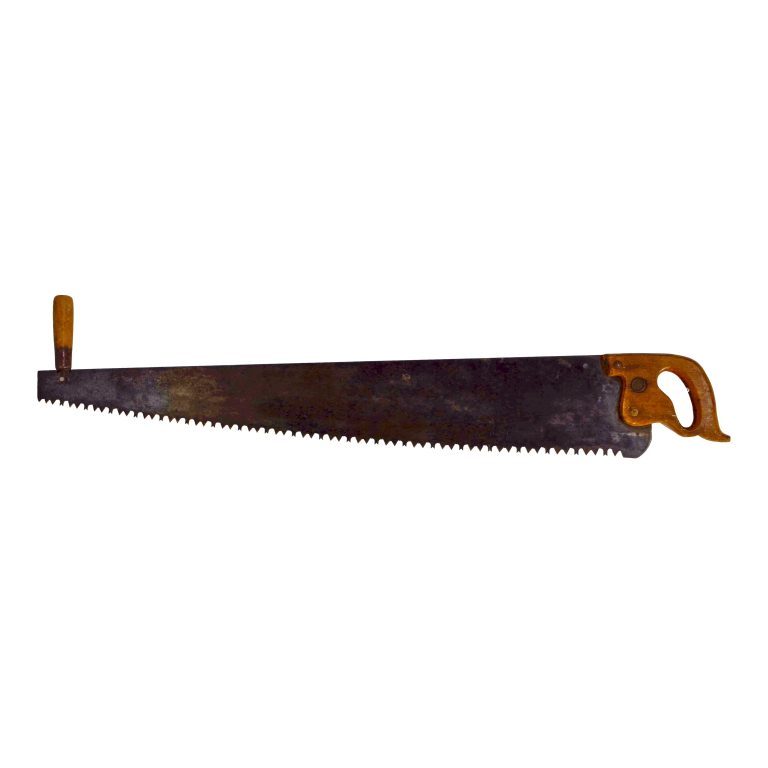
- Handsaw (Wood Saw): The classic. Simple, affordable, and effective for basic cuts. They come in various types, like crosscut and rip saws. A good general-purpose handsaw is an excellent starting point.
- Jigsaw: Incredibly versatile. It can cut curves, shapes, and straight lines. It’s relatively safe and affordable, making it a must-have for many DIY projects. You can easily find blades specifically for wood.
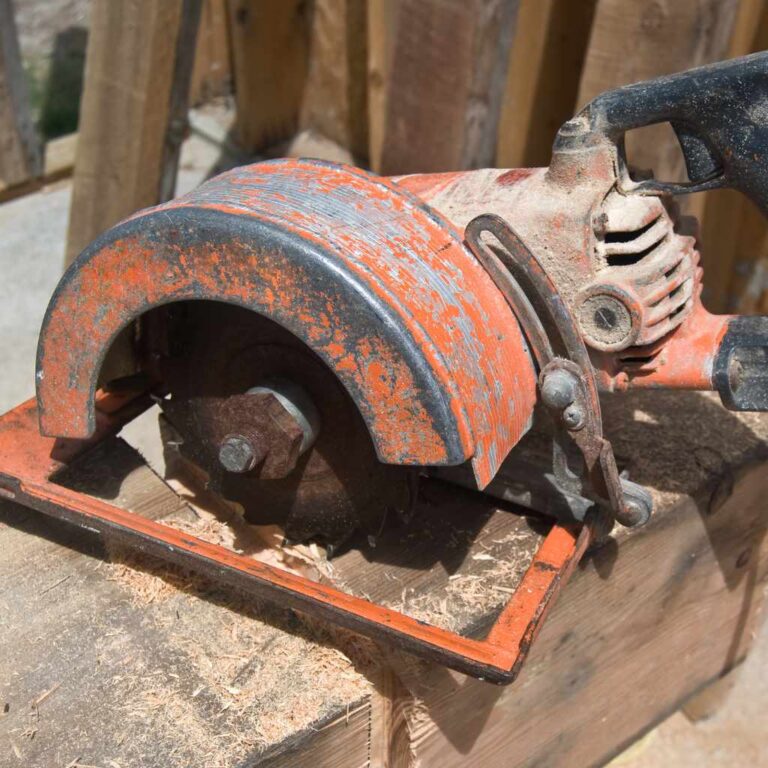
- Circular Saw: This is your go-to for making straight cuts quickly and efficiently through larger boards and plywood. It’s a bit more powerful than a jigsaw and requires a bit more practice, but it’s a staple of any workshop. Ensure you use a blade with the appropriate TPI for the wood you’re cutting.
- Miter Saw (Chop Saw for Wood): Perfect for making precise angled crosscuts (like for framing or trim). If you plan on doing any carpentry or detail work, a miter saw is invaluable. It’s essentially the wood version of a metal chop saw.
- Table Saw: The powerhouse of many workshops. It’s ideal for making repetitive, accurate straight cuts, ripping boards to width, and many other tasks. While more of an investment and requiring more safety precautions, it’s unmatched for efficiency and precision in a production environment.
Key Features to Look For in Wood Saws
- Blade Type & Versatility: Can it accept different types of wood blades (e.g., fine-tooth for plywood, coarse-tooth for general lumber)?
- Power & Depth of Cut: Ensure the saw has enough power for the types of wood you’ll be cutting and that its depth of cut is sufficient for your projects.
- Safety Features: Look for blade guards, dust collection ports, and stable bases.
- Ease of Use: For beginners, a saw that’s intuitive and easy to set up and operate is crucial.
- Brand Reputation & Reviews: Reputable brands often offer better quality, durability, and customer support. Check reviews from other DIYers.
For a comprehensive understanding of selecting the right saw, resources like This Old House often provide excellent buyer’s guides and reviews of woodworking tools tailored for homeowners and DIY enthusiasts looking for quality and practicality.
Tips for Cutting Wood with a Metal Saw (If You Must!)
We’ve established that it’s not ideal, but if you find yourself in a pinch, here are some additional tips to make the process as smooth (and safe) as possible:
Preparation is Key
Secure the Wood: Use clamps to firmly hold the wood in place. This prevents movement during the cut, which is crucial when the blade is not optimized for the material.
Mark Your Cut Line: Clearly mark your cutting path. You might even score the line with a sharp utility knife to help the blade start and guide it, reducing the chance of it wandering.
Clear the Area: Ensure there’s plenty of space around your work area. Wood dust can be a fire hazard, especially if your metal saw blade is overheating and sparking.
Technique Matters
Gentle Pressure: Never force the saw. Let the blade do the work. Apply slow, steady pressure. If you feel excessive resistance, stop and check for clogging or if the blade is dull.
Blade Cleaning: As mentioned, wood dust will clog fine-toothed metal blades quickly. Stop every few passes to brush or blow the debris away. This prevents binding and overheating.
Cooling (If possible):** Some metal saws have cooling systems. If yours does, ensure it’s functioning. For very small tasks with a handsaw, you might even be able to periodically cool the blade, but this is impractical for most power tools.
Post-Cut Finishing
Expect Sanding: Regardless of how careful you are, the cut will likely be rough. Be prepared to spend extra time sanding the edges to achieve a smooth finish with sandpaper or an orbital sander.
Inspect the Saw: After you’re done, thoroughly clean both the saw and the blade. Wood residue can cause corrosion or interfere with the saw’s performance over time.
Safety First! Always Prioritize Your Well-being
This cannot be stressed enough: safety is paramount, especially when using tools in ways they weren’t primarily designed for.
Essential Safety Gear
- Safety Glasses: Always wear ANSI-approved safety glasses or a face shield to protect your eyes from flying debris. This is non-negotiable.
- Hearing Protection: Power saws can be loud. Use earplugs or earmuffs to protect your hearing.
- Gloves: Work gloves can protect your hands from splinters and provide a better grip.
- Dust Mask or Respirator: Wood dust can be harmful to inhale. Wear a mask to protect your lungs.
Safe Operating Practices
- Read Your Manual: If you’re using a power tool, always read and understand its operating manual before use.
- Inspect Your Tool: Before each use, check the tool for any damage, loose parts, or frayed cords.
- Stable Work Surface: Ensure your wood is securely clamped and your work area is stable and free from tripping hazards.
- Be Aware of Sparks and Flammability: Metal cutting operations, especially with abrasive discs or older blades, can generate sparks. Never use a metal saw with an abrasive disc on wood, and be extremely cautious of flammable materials nearby. Wood dust itself can be combustible.
- Never Bypass Guards: Safety guards are there for a reason. Do not remove or disable them.
For a deeper dive into tool safety, the Wood Magazine’s safety section offers practical advice specifically geared towards woodworking and tool usage.
Frequently Asked Questions (FAQ)
Q1: Can I use a regular metal hacksaw to cut a 2×4?
Answer: You can, but it will be incredibly slow and physically demanding. The fine teeth of a metal hacksaw will clog easily with wood, and the cut will likely be rough. A handsaw designed for wood is infinitely better for this task.
Q2: Will a metal cutting blade on a miter saw work for wood?
Answer: It’s not recommended. Metal cutting blades have too many fine teeth for wood, leading to burning, splintering, and premature blade dulling. They also don’t clear sawdust effectively. Use a proper wood-cutting blade for your miter saw.
Q3: Is it safe to cut wood with an angle grinder?
Answer: No, it is extremely unsafe and not recommended. Angle grinders with metal cutting discs produce a lot of sparks, which can easily ignite wood dust or nearby materials. They are also not designed for precise cuts and can cause kickback. Stick to saws designed for wood for safety.