What Is a Unisaw? Delta Cabinet Saw History, Specs and Safety
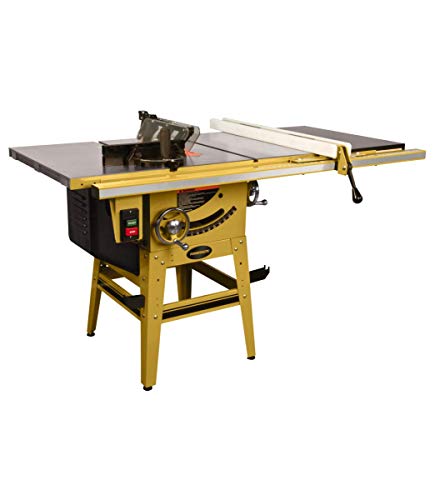
A Unisaw is Delta’s 10-inch cabinet table saw: the blade rides on a tilting arbor, and the motor and trunnions live inside an enclosed steel cabinet. The VintageMachinery.org Unisaw type study dates it to 1939 and the No. 1450, and Delta still sells a 230V model, the 36-L336. This guide covers how the design works, what changed over the decades, how a Unisaw compares with contractor, hybrid and SawStop saws, and the safety and wiring points to settle first.
Unisaw Safety First: Guard, Riving Knife and a Push Block
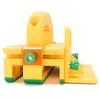 |
Best Unisaw Push Block Pick GRR-RIPPER+ by Microjig 3D Push Block with SafeRip Kit (GR-100+), $49 A push block keeps your hand above and away from the blade on narrow rips, which is the cut where a Unisaw’s power makes a slip most costly. The listing says it presses down, in and forward, and rips stock as small as 1/4 inch by 1/4 inch.
|
As an Amazon Associate we earn from qualifying purchases.
A Unisaw is a powerful machine, so the first decision is how you will feed and protect the cut, before you think about fences or upgrades. Kickback happens when the blade grabs the workpiece and throws it back toward you. OSHA 29 CFR 1910.213 addresses it for hand-fed ripsaws with three devices: a hood guard over the blade, a spreader that keeps material from squeezing the blade or being thrown back, and non-kickback fingers or dogs.
The US Consumer Product Safety Commission describes the two main protections this way: blade guards are a physical barrier between the blade and the operator, and a riving knife is a curved metal plate that keeps the two halves of a cut workpiece from moving back and pinching the blade, which could make the operator lose control of the workpiece. Which guard and riving knife come with a given Unisaw depends on the model and year, so check the manual for your exact saw. For fit by model on older Delta saws, see our guide to the riving knife for Delta table saws.
Safety warning
Never remove the guard system for through cuts, and do not buy a used Unisaw with a missing splitter or riving knife unless you can source the correct part for that exact model. A 230V Unisaw also needs a correctly sized circuit: follow the saw’s manual and have a licensed electrician do the wiring.
Unisaw safety checklist
- Keep the guard or riving knife installed for through cuts, and use it with the anti-kickback pawls where the guard has them.
- Feed narrow stock with a push block or push stick, not your fingers, and keep your hands out of the line of the blade.
- Stop the saw and let the blade come to rest before reaching near it.
- Confirm the fence is parallel to the blade before ripping, because a fence that is not parallel can pinch the board against the blade. Our guide to the Biesemeyer-style fence covers setup.
The US Consumer Product Safety Commission estimated about 30,000 emergency-department-treated table saw blade-contact injuries in 2021. In its 2017 special study, about 2,800 of an estimated 26,500 such injuries were amputations. Source: CPSC, Safety Standard Addressing Blade-Contact Injuries on Table Saws, Federal Register, Nov. 1, 2023
What Makes a Unisaw a Cabinet Saw?
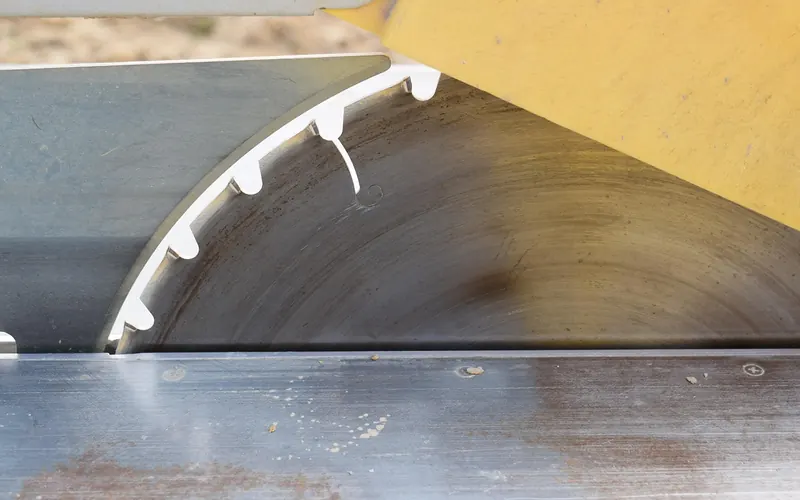
Two design choices define it. The first is the tilting arbor: instead of tilting the whole table to cut a bevel, the blade tilts while the table stays flat. The VintageMachinery.org Unisaw type study calls the 1939 No. 1450 its baseline, and its tilt scale ran from 0 to 45 degrees. The second is the enclosed cabinet. In the 1939 original, four bent steel corner quadrants were welded into a cabinet measuring 19-7/16 by 19-7/16 by 34 inches.
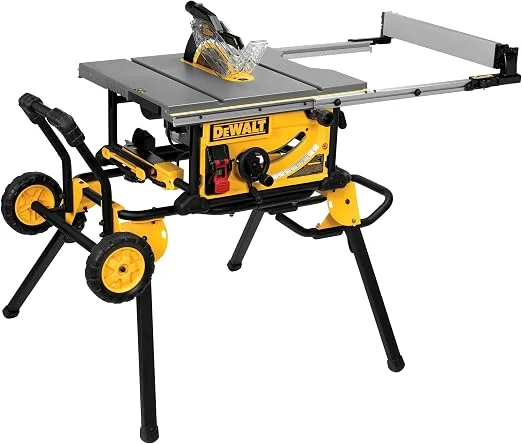
That cabinet is why the Unisaw is a cabinet saw. According to Wikipedia’s table saw article, a cabinet saw uses a cabinet-mounted trunnion, which is easier to adjust than a table-mounted one, and one or more parallel V-belts to drive the blade. The type study says every Unisaw unit has a triple belt drive. A contractor saw instead hangs its motor off the back of the saw on a pivoting bracket.
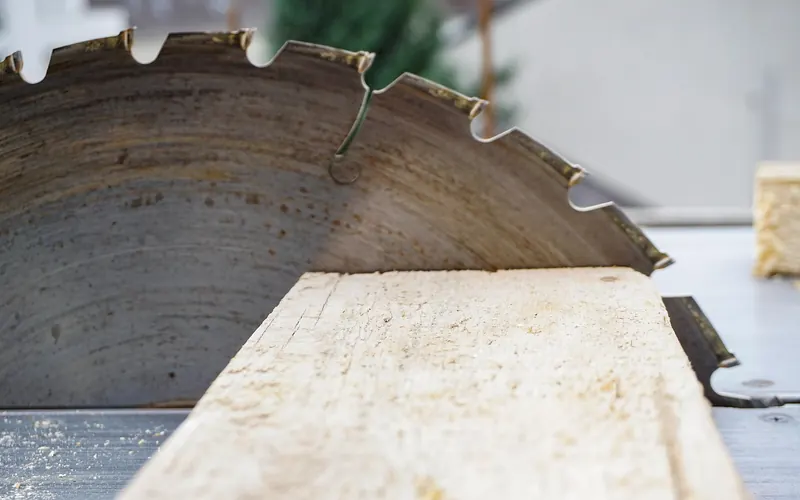
Here is a detail most explainers skip. According to the type study, the only place the name “Unisaw” was printed on a 1939 machine was the switch plate. The name was a marketing label for the No. 1450 tilting arbor saw, which is one reason older saws are identified by data plate, serial number and parts prefix rather than by the badge.
Unisaw Timeline: What Changed and When
Dates here come from the VintageMachinery.org Unisaw type study, except the ownership entries, which come from Wikipedia’s Delta Machinery article. Where sources disagree on the first year, I have used the type study’s 1939 baseline: one other history I read gives 1938 for the first 10-inch tilting arbor saw, so treat the exact launch year as slightly unsettled.
| Year | Change | Source |
|---|---|---|
| 1939 | No. 1450 tilting arbor saw; built in Milwaukee, four cast iron feet, Micro-Set fence, 1 HP top single-phase motor offered | Type study |
| 1940 | One-piece cast iron plinth replaces the four feet | Type study |
| 1945 | Rockwell Manufacturing acquires Delta | Wikipedia, Delta Machinery |
| 1952 | Production moves to Tupelo, Mississippi after the Milwaukee plant closes | Type study |
| 1960 | Jet Lock fence introduced | Type study |
| 1961 | T-slots added to the table; miter gauge gets a washer to engage the slot | Type study |
| 1981 | Pentair buys Rockwell’s power tool group and rebrands it Delta Machinery | Wikipedia, Delta Machinery |
| 2004 | Black and Decker acquires Pentair’s tools group | Wikipedia, Delta Machinery |
| 2011 | Taiwan-based Chang Type Industrial buys the Delta brand from Stanley Black and Decker | Wikipedia, Delta Machinery |
For the full ownership story and what each era means for parts support, read our Rockwell Delta table saws brand history. For identification and values of older machines, see our vintage table saws guide.
Unisaw Then and Now: 1939 vs the Delta 36-L336
The clearest change in more than eight decades is power: the 1939 motor list tops out at 1 HP for single-phase, against the 3 HP, 230V single-phase configuration of the current 36-L336. The 10-inch blade size has not changed. I left detailed current specs such as amperage, weight and depth of cut out of this table because I could not read Delta’s own spec sheet or manual this session.
| Feature | 1939 No. 1450 | Current 36-L336 |
|---|---|---|
| Motor | Single-phase options up to 1 HP, 1725 or 1425 RPM (three-phase and DC also offered) | 3 HP, 230V, single phase |
| Blade | 10-inch, tilts 0 to 45 degrees | 10-inch |
| Fence | Micro-Set fence | Biesemeyer-style fence with 36 in rip capacity (per the model name and description) |
| Guarding | Splitter and anti-kickback device, or one of several guard styles | Check Delta’s manual for the exact guard and riving knife supplied |
| Dust | Steel cabinet with a 9 by 12 in clean-out opening | Check Delta’s spec sheet |
Delta’s own product page and manual were blocked by a bot check when I tried to read them, so confirm every current number, including amperage, weight, depth of cut and table size, on Delta’s spec sheet or in the manual for the saw you are buying.
Unisaw vs Contractor, Hybrid and SawStop Cabinet Saws
Categories matter more than brand names here. The table below mixes the general class definitions from Wikipedia’s table saw article with the two specific cabinet saws discussed here.
| Saw | Motor | Power supply | Trunnion mount | Flesh-sensing brake |
|---|---|---|---|---|
| Contractor saw (class) | 1 to 2 hp | Usually 120V; check the manual | Motor hinges off the rear | Varies by model |
| Hybrid saw (class) | 1.5 or 2 hp | Usually 120V; check the manual | Cabinet or table, depends on model | Varies by model |
| Cabinet saw (class) | 3 to 5 hp, single phase | Heavy-duty circuit; check the manual | Cabinet-mounted | Varies by model |
| Delta Unisaw 36-L336 | 3 HP | 230V, single phase | Cabinet saw design | Not confirmed from Delta documents; check the spec sheet |
| SawStop Professional Cabinet Saw | 3 HP | 230V, single phase | Cabinet saw design | Yes |
Both are 10-inch cabinet saws in the same power class, so the practical difference is the brake. I left weights and amperage out of the table on purpose: I could not read either maker’s official spec sheet this session, and those numbers differ by fence and package.
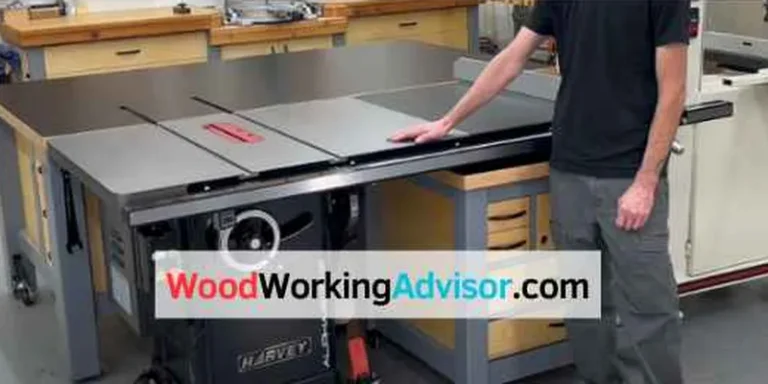
SawStop’s system senses when skin touches the blade and fires a brake into it within milliseconds. The CPSC notice treats this kind of active injury mitigation as the technology its proposed rule is built around. The trade-offs are in SawStop’s manual: a brake cartridge that has to be replaced after a trigger, and limits on cutting wet or green wood. For the motor comparison inside the SawStop line, see our 1.75 HP vs 3 HP SawStop breakdown.
If you are deciding between categories rather than models, our cabinet saw vs table saw comparison covers motor power, voltage and trunnions, and our explainer on the hybrid table saw shows the 120V middle ground. For a specs, weight and price review of the current model, read our Delta Unisaw review.
Wiring a 230V Unisaw: What to Settle Before Delivery
The 36-L336 is a 230V, single-phase saw, so it will not run from an ordinary 120V outlet. Breaker size, wire gauge and receptacle type depend on the saw’s manual and your local electrical code, and I could not read those values from a Delta document, so do not copy a number from a forum post. Have a licensed electrician size and install the circuit, and follow the motor and switch wiring instructions in the manual.
Our 3 HP table saw guide goes deeper on 220-240V wiring and amperage, and the Unifence article explains the older Delta fence that came on many used Unisaws.
Buying a Used Unisaw: What the Type Study Tells You to Check
Used Unisaws are common, but the type study shows why two saws sold under one name can be very different machines. Use these checks, and compare the saw against a manual for its exact model.
- Serial number and data plate: the earliest serial numbers were a letter, a hyphen and three digits, stamped on the tilt scale; later saws carry a rectangular plate. Photograph it before you buy.
- Motor and pulley pairing: the type study notes 5.25-inch drive pulleys for 1750 RPM motors and smaller 3.25-inch steel pulleys for 3450 RPM motors, so a motor swap needs a matching pulley.
- Phase: three-phase motors were offered from the start, so check whether the saw is wired for single-phase or three-phase before you pay.
- Guarding: look for the splitter, pawls or riving knife that belongs to that model, and walk away if they are missing and unavailable.
- Table and fence: a table without T-slots is pre-1961 by the type study, which affects which miter gauge fits. Our miter gauge guide covers fit and calibration.
Delta also made radial arm saws under a “Model 10” name, a different machine entirely, which we cover in our Delta Model 10 radial arm saw guide.
Frequently Asked Questions
What is a Unisaw?
A Unisaw is Delta’s 10-inch cabinet table saw, built around a tilting arbor and an enclosed steel cabinet. The VintageMachinery.org type study uses the 1939 No. 1450 as its baseline. Delta currently sells the 3 HP, 230V 36-L336 with a 36-inch Biesemeyer fence.
When was the Unisaw first made?
The VintageMachinery.org type study dates the Unisaw to 1939 and the No. 1450. Another history I read gives 1938 for the first 10-inch tilting arbor saw, so sources differ by a year. The 1939 catalog price was $89.50 without a motor, per DP Juza Woods and Fixtures.
Does a Unisaw need 220V?
The current 36-L336 is a 230V, single-phase saw, so yes. Older Unisaws shipped with a range of motors, including single-phase, three-phase and DC. Check the motor plate on the saw, and have a licensed electrician handle the circuit.
How is a Unisaw different from a contractor saw?
A Unisaw is a cabinet saw: the trunnion mounts to the cabinet and the motor sits inside it, driving the blade through V-belts. A contractor saw hangs the motor off the back on a pivoting bracket and typically runs 1 to 2 hp on a standard circuit.
Does a Unisaw have a flesh-sensing brake?
I could not confirm one from Delta’s own documents, so check the current spec sheet for the saw you are buying. SawStop is the brand known for its flesh-sensing brake, which fires within milliseconds of skin contact.
Who makes the Unisaw today?
Delta Power Equipment Corp., a subsidiary of Taiwan-based Chang Type Industrial, owns the Delta brand and operates from Spartanburg, South Carolina, per Wikipedia. Chang Type bought the brand from Stanley Black and Decker in 2011.
Bottom Line
A Unisaw is a specific line of Delta cabinet saws, not a generic term, and the saw in front of you could date from any era in the timeline above. Match the data plate to a manual, keep the guard system on, and let an electrician handle the 230V circuit. If a flesh-sensing brake matters to you, compare it with a SawStop before you buy.
Sponsored / affiliate links. As an Amazon Associate I earn from qualifying purchases. I may earn additional commission from eligible campaigns.