Can You Paint Galvanized Steel: Local Pro Tips
Many people wonder if they can paint galvanized steel. It’s a common question, especially for DIYers or homeowners looking to refresh a metal surface. The challenge often comes from understanding the unique properties of galvanized steel and how they affect paint adhesion.
Don’t worry if you’re unsure; this guide breaks down exactly what you need to know. We’ll walk you through the simple steps to get a great paint job on galvanized steel, ensuring it looks fantastic and lasts for years.
This section covers the fundamentals of painting galvanized steel. We’ll explore why this material requires special attention and what makes it different from other metals. Understanding these basic concepts is key to achieving a durable and attractive finish.
We aim to clear up any confusion so you can approach your project with confidence, knowing exactly what to expect and why certain steps are important.
What Is Galvanized Steel and Why It’s Special
Galvanized steel is steel that has been coated with a protective layer of zinc. This zinc coating is applied through a process called galvanization, most commonly hot-dip galvanization. The zinc acts as a sacrificial barrier, meaning it corrodes instead of the steel underneath.
This makes galvanized steel highly resistant to rust and corrosion, which is why it’s used in so many outdoor applications like fences, roofing, gutters, and outdoor furniture.
The zinc coating is excellent for protection, but it can present a challenge when it comes to painting. Zinc is a non-ferrous metal, meaning it doesn’t contain iron. This can affect how paint sticks to it.
If you try to paint directly onto fresh galvanized steel without proper preparation, the paint might peel, flake, or chalk over time. This is because the zinc surface can be somewhat slick and can react with certain types of paint, leading to adhesion problems.
The key to a successful paint job on galvanized steel lies in understanding this zinc layer and preparing the surface correctly. It’s not impossible to paint; it just requires a slightly different approach than painting wood or regular steel. The benefits of painting galvanized steel include enhancing its appearance, matching it to existing structures, and adding an extra layer of protection for specific environments.
Local metal professionals often emphasize that patience and proper preparation are the most critical elements. They’ve learned through experience that cutting corners here will inevitably lead to problems down the line. The longevity of the paint job is directly tied to the effort put into these initial steps.
This section sets the stage for understanding why these steps are so important before we move on to the ‘how-to’.
The Challenge of Painting Fresh Galvanized Steel
Painting fresh galvanized steel can be tricky because of a process called “zinc leaching.” When zinc is exposed to moisture and air, it forms zinc oxides and hydroxides. These can create a slick, sometimes powdery surface that paint struggles to adhere to. This is why waiting for the steel to “weather” is sometimes recommended.
Weathering allows the zinc to form a stable patina, which provides a better surface for paint.
The “wetting out” or “flash rusting” phenomenon is another aspect that beginners often encounter. When new galvanized steel is painted with incompatible primers or paints, the zinc can react, causing a greenish or bluish discoloration under the paint. This indicates poor adhesion and a potential for failure.
Some paints contain acids that react negatively with zinc, stripping away the protective layer or preventing the new paint from bonding.
This is why specialized primers are often recommended. These primers are formulated to create a strong bond with the zinc surface and provide a suitable base for your topcoat. Without the right primer, even the best quality paint can fail.
It’s a common mistake for beginners to assume any primer will work, but the unique chemistry of zinc requires a specific approach.
Local metal experts often point to cases where new galvanized surfaces were painted with standard exterior paints, only to have them peel within months. This is a costly lesson learned. The solution isn’t to avoid painting galvanized steel altogether, but to employ the right techniques and materials.
This ensures the beautiful finish you’re aiming for will actually last.
Galvanized Steel Weathering Explained
Galvanized steel weathering refers to the natural aging process of the zinc coating when exposed to the elements. Over time, the zinc reacts with carbon dioxide and moisture in the air to form a dull gray layer called zinc carbonate. This patina is a protective film that significantly improves paint adhesion compared to the shiny, slick surface of newly galvanized steel.
This process can take anywhere from six months to two years, depending on the climate and exposure.
Many professionals prefer to wait for this weathering to occur naturally before painting. It’s a passive approach that requires patience but often leads to a more durable finish. However, waiting isn’t always practical, especially if a project needs to be completed on a tighter schedule.
Fortunately, there are ways to accelerate this process or bypass the need for extensive weathering.
The visible difference is striking. New galvanized steel has a bright, shiny, often iridescent surface. Weathered galvanized steel develops a uniform, matte gray appearance.
This visual change signifies the formation of the stable zinc carbonate layer that’s more receptive to paint.
A common statistic regarding paint adhesion on galvanized surfaces suggests that paint applied to weathered steel can last up to 30% longer than paint applied to new, unweathered steel, assuming proper preparation for both. This highlights the importance of either waiting for weathering or using products that mimic its effects for better longevity.
Preparing Galvanized Steel for Painting
Proper preparation is the cornerstone of any successful painting project, and it’s especially critical for galvanized steel. The goal is to create a clean, dull, and slightly etched surface that the paint can grip onto. This involves several key steps that address the slickness and potential for oxidation of the zinc coating.
Skipping any of these steps will significantly reduce the lifespan and appearance of your paint job.
The first crucial step is cleaning. You need to remove any dirt, grease, oil, or other contaminants. These can prevent the paint from adhering properly.
For newer galvanized surfaces, you might also need to deal with “zinc salts” or “white rust,” which are powdery white deposits that can form on the surface. These need to be brushed away.
After cleaning, the surface often needs to be abraded or etched. This process removes the slickness of the zinc and creates microscopic pores for the paint to adhere to. For older, weathered galvanized steel, light sanding might be enough.
For newer steel, a more aggressive etching solution or a specific type of primer might be necessary.
Using the correct cleaning agents and abrasives is vital. Harsh cleaners can damage the zinc coating, while aggressive sanding can remove too much of it. Metal preparation experts often recommend specific cleaning solutions and abrasive pads that are designed for galvanized metal to ensure optimal results without compromising the protective zinc layer.
Cleaning and Degreasing
Cleaning is the absolute first step in preparing galvanized steel. You need to ensure the surface is free from any grease, oil, dirt, or residue. These contaminants act as barriers, preventing paint from sticking.
Think of it like trying to glue two pieces of metal together when they’re both covered in oil – the glue just won’t hold.
For general cleaning, a good quality detergent mixed with water is usually sufficient. Use a stiff brush or a scrub pad to work the soapy water into the surface. Rinse thoroughly with clean water.
It’s essential to rinse all soap residue away, as leftover soap can also affect paint adhesion. Allow the surface to dry completely before proceeding.
If the galvanized steel has been exposed to oil or grease, a degreaser might be necessary. There are specific degreasers available for metal surfaces. Apply the degreaser, scrub, and rinse thoroughly.
Again, ensure the surface is completely dry. Moisture trapped on the surface can lead to issues later on.
For very stubborn grime or if the steel has been in an industrial environment, you might need a stronger cleaner. However, always test any cleaner in an inconspicuous area first to make sure it doesn’t damage the zinc coating. The goal is to remove surface grime, not the protective zinc layer itself.
Etching or Light Abrasion
Once the galvanized steel is clean and dry, the next step is to etch or lightly abrade the surface. This creates a profile that the primer and paint can mechanically lock onto, improving adhesion. New galvanized steel has a very smooth, slick surface due to the zinc coating.
Etching creates tiny imperfections that give the paint something to grip.
For newly galvanized steel or surfaces that haven’t weathered, using a phosphoric acid-based metal prep solution is a common professional technique. This solution chemically etches the zinc surface. You typically apply it with a rag or sponge, let it sit for a specified time, and then rinse thoroughly and allow it to dry completely.
Always follow the product instructions carefully and wear appropriate safety gear, like gloves and eye protection.
Alternatively, you can use a fine-grit abrasive pad or sandpaper. A Scotch-Brite pad (burgundy or gray) or sandpaper in the 100-180 grit range is often recommended. Lightly scuff the entire surface.
The aim is not to remove the zinc, but to dull the shiny finish and create a matte appearance. You’ll know you’ve done enough when the shiny glare is gone and the surface looks uniformly dull.
After abrading, it’s crucial to wipe down the surface with a tack cloth or a clean, lint-free cloth to remove any dust or debris. This ensures that no particles are left behind to interfere with the primer’s adhesion. This simple step is often overlooked but is vital for a smooth, durable finish.
Choosing the Right Primer
Selecting the correct primer is perhaps the most critical step for ensuring your paint job on galvanized steel lasts. Not all primers are created equal, and using the wrong one can lead to premature paint failure, peeling, and bubbling. The primer needs to be specifically formulated to bond with zinc and create a stable foundation for your topcoat.
There are two main types of primers that work well for galvanized steel: acrylic latex primers and oil-based (alkyd) primers. However, it’s crucial to ensure they are designed for use on galvanized metal. Many standard primers will not adhere well or can even react negatively with the zinc coating.
Acrylic latex primers are often water-based and are known for their flexibility and good adhesion. They are also generally lower in VOCs (volatile organic compounds), making them a more environmentally friendly option. Look for primers that specifically state they are for “galvanized metal” or “non-ferrous metals.”
Oil-based or alkyd primers, particularly those containing zinc chromate or zinc phosphate, can also provide excellent adhesion and corrosion resistance. These are often more durable and provide a harder finish, which can be beneficial in high-traffic or harsh environments. However, they typically have stronger odors and require mineral spirits for cleanup.
Acrylic Latex Primers for Galvanized Steel
Acrylic latex primers are a popular choice for painting galvanized steel due to their ease of use and good performance. These water-based primers are flexible, meaning they can expand and contract with temperature changes without cracking, which is beneficial for metal surfaces that experience significant temperature fluctuations. They also offer excellent adhesion to properly prepared galvanized surfaces.
When choosing an acrylic latex primer, it is essential to select one that is specifically formulated for galvanized metal or other non-ferrous metals. Standard acrylic primers might not have the necessary properties to bond securely to the zinc coating. Look for labels that clearly state “for galvanized surfaces,” “adheres to zinc,” or “direct-to-metal” capabilities for galvanized steel.
Acrylic latex primers are typically low in VOCs, making them a more environmentally friendly and user-friendly option. They clean up easily with soap and water. Their quick drying times also allow for faster project completion, as you can often apply the topcoat within a few hours of priming.
A common scenario where acrylic primers excel is on residential exterior applications like gutters, downspouts, and outdoor furniture. They provide a good balance of durability, flexibility, and ease of application, making them a go-to for many DIYers and professionals alike.
Oil-Based (Alkyd) Primers for Galvanized Steel
Oil-based or alkyd primers are often considered the heavy-duty option for painting galvanized steel. These primers typically offer superior adhesion and provide a harder, more durable finish than many acrylic latex primers. They are particularly effective in situations where the galvanized surface will be subjected to harsh conditions, heavy wear, or significant moisture.
Many oil-based primers designed for metal surfaces contain rust inhibitors like zinc chromate or zinc phosphate. These ingredients offer enhanced corrosion protection, which is an added benefit even though galvanized steel is already rust-resistant. This makes them an excellent choice for structures that might experience abrasive elements or constant exposure to the elements.
The downside of oil-based primers is their cleanup and application. They require mineral spirits or paint thinner for cleaning brushes and rollers, and they generally have a stronger odor than water-based alternatives. Their drying times can also be longer, which may extend the overall project timeline.
Professionals often recommend oil-based primers for industrial applications or for galvanized steel that has been previously painted and is showing signs of wear. They provide a robust foundation that can withstand tougher environments and offer a longer-lasting bond.
Choosing the Right Paint
Once you’ve selected and applied the appropriate primer, the next step is choosing the right paint for your topcoat. The type of paint you use will depend on the application, the environment, and your desired finish. Just like with primers, not all paints are suitable for galvanized steel, even over a properly primed surface.
The key is to select paints that are formulated for exterior use and that are compatible with your chosen primer. For most applications, high-quality acrylic latex exterior paints are an excellent choice. They offer good durability, flexibility, and resistance to fading and chalking.
If you need extra durability or a specific finish, you might consider other options. For example, epoxy or urethane coatings offer exceptional hardness and chemical resistance, but they are typically more difficult to apply and more expensive. These are usually reserved for industrial or heavy-duty applications.
Always check the paint manufacturer’s recommendations. They will often specify which primers are compatible with their paints and for what types of surfaces their paints are best suited. Following these guidelines will help ensure a long-lasting and beautiful finish.
Acrylic Latex Exterior Paints
High-quality acrylic latex exterior paints are the most common and highly recommended choice for painting primed galvanized steel. These paints are water-based, making them easy to clean up with soap and water. They also tend to be more flexible than oil-based paints, which is advantageous for metal surfaces that expand and contract with temperature changes.
Acrylic latex paints offer excellent durability and weather resistance. They are formulated to withstand exposure to UV rays, moisture, and temperature fluctuations without fading, chalking, or peeling, provided they are applied over a compatible primer. The flexibility of acrylics helps prevent the paint film from cracking as the metal expands and contracts.
When selecting an acrylic latex exterior paint, look for products that are specifically designed for metal applications or that explicitly state compatibility with galvanized surfaces. Premium quality paints will generally offer better pigment retention, smoother application, and a longer-lasting finish.
These paints come in a wide range of colors and finishes, from matte to high gloss, allowing you to achieve the desired aesthetic for your project. Their ease of application makes them a favorite among DIY enthusiasts and professionals alike for a wide array of outdoor metal structures.
Oil-Based (Alkyd) Exterior Paints
Oil-based or alkyd exterior paints can also be used on primed galvanized steel, and they offer certain advantages, particularly in terms of hardness and durability. These paints create a tougher, more resilient film that can be more resistant to abrasion and scuffing.
If you are painting galvanized steel that might be subject to wear and tear, such as railings or metal furniture, an oil-based paint might be a good option. They also tend to level out very smoothly, creating a sleek, professional-looking finish.
However, oil-based paints have some drawbacks. They are more difficult to clean up, requiring mineral spirits or paint thinner. They also have a stronger odor and longer drying times compared to latex paints.
Additionally, their rigidity can sometimes be a disadvantage if the metal expands and contracts significantly, as they are more prone to cracking than flexible acrylics.
It is crucial to ensure that the oil-based paint you choose is compatible with your primer. If an oil-based primer was used, an oil-based topcoat is generally recommended. If an acrylic primer was used, some oil-based paints might be compatible, but it’s always best to check the manufacturer’s specifications to avoid adhesion issues.
Application Techniques for Best Results
Once you have prepared your galvanized steel surface and selected the right primer and paint, the application process is key to achieving a professional and long-lasting finish. Proper technique ensures even coverage, good adhesion, and a smooth, attractive appearance. There are a few methods you can use, each with its pros and cons.
The most common methods are brushing, rolling, and spraying. Each method is suited for different types of projects and desired finishes. For larger, flat surfaces, rolling or spraying might be more efficient.
For intricate details or smaller areas, brushing is often the best choice.
Regardless of the method you choose, proper application involves applying thin, even coats rather than one thick coat. This helps prevent drips, runs, and uneven drying. It also allows for better adhesion and a more durable finish.
Allowing adequate drying time between coats is also essential.
Metal preparation experts often stress the importance of environmental conditions during application. Painting in extreme temperatures or high humidity can negatively affect the paint’s performance and drying time. Choosing the right weather conditions can make a significant difference in the final outcome of your project.
Using Brushes and Rollers
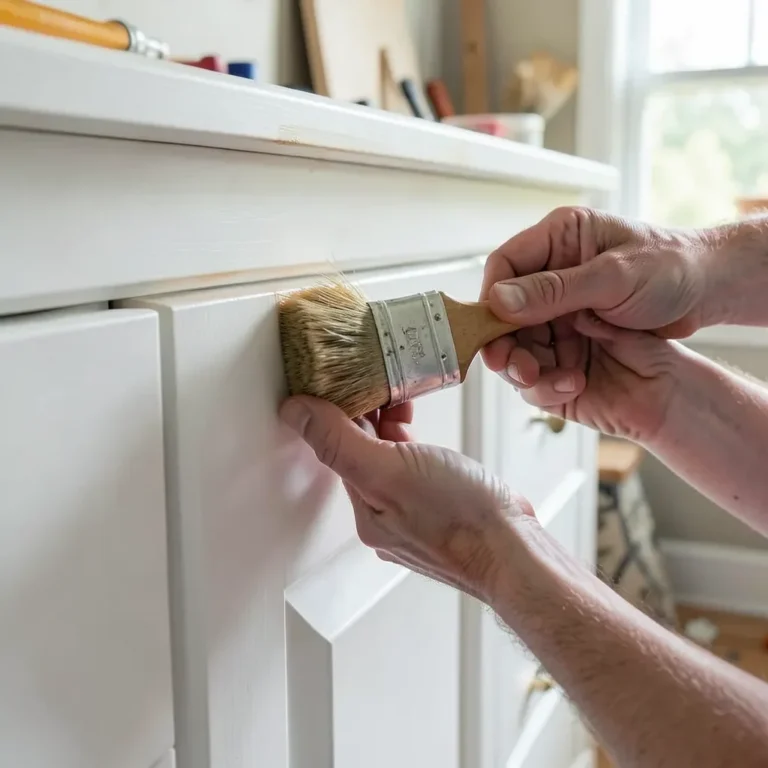
Brushing and rolling are the most common application methods for DIY projects involving galvanized steel. They are accessible and require less specialized equipment than spraying.
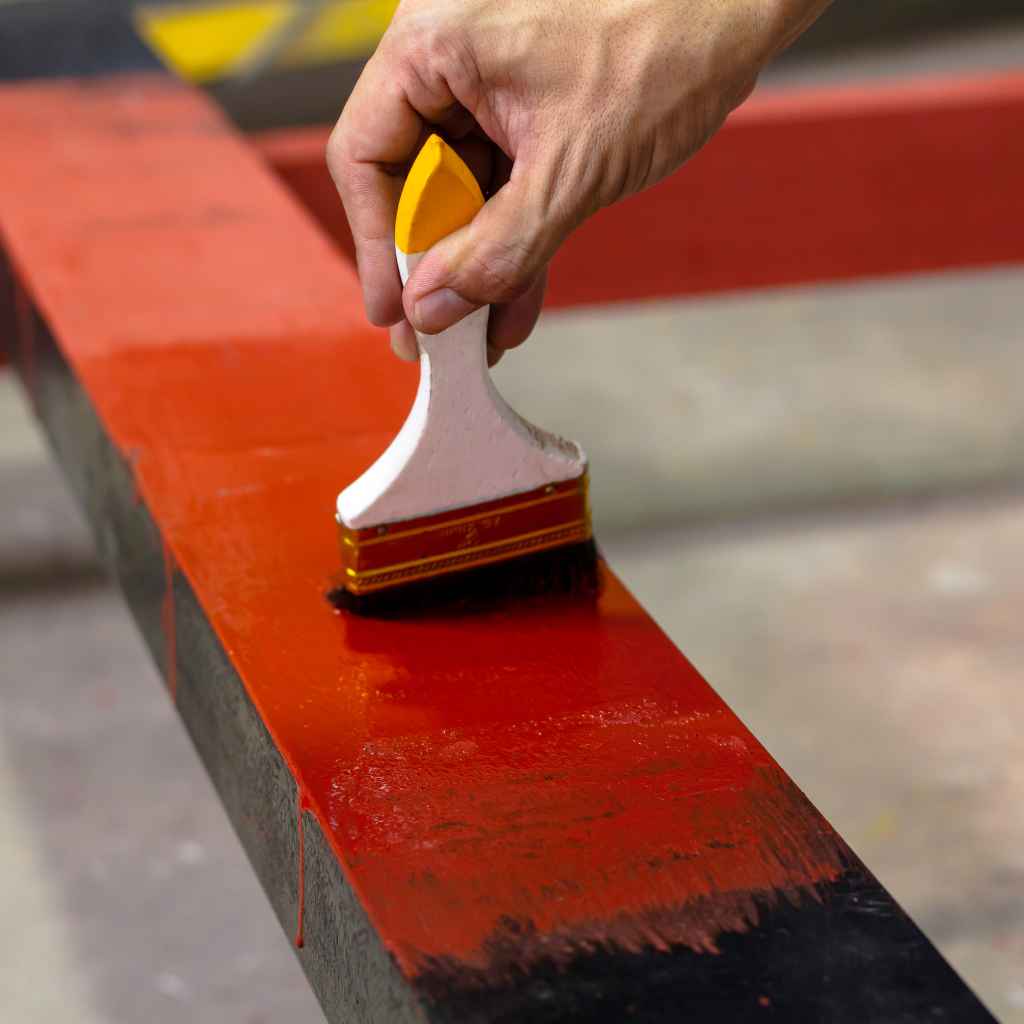
When brushing, use a high-quality synthetic bristle brush for latex paints and a natural bristle brush for oil-based paints. Apply the primer and paint in the direction of the metal’s grain, if visible, or in long, even strokes. Avoid pressing too hard, which can create brush marks.
For best results, apply thin, even coats.
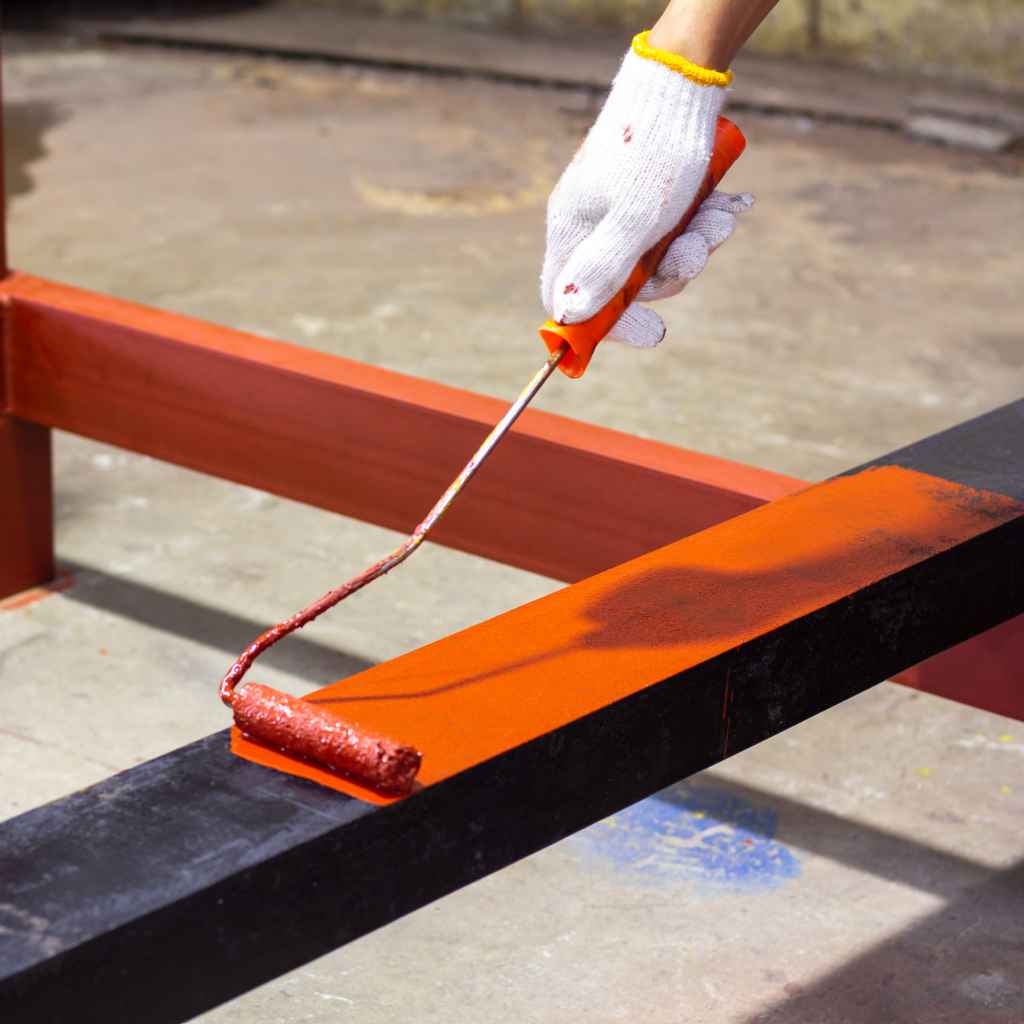
For rolling, use a roller cover with a nap that is appropriate for the surface. A short to medium nap roller works well for smooth metal surfaces. Apply paint in a consistent pattern, overlapping each stroke slightly to ensure full coverage.
Avoid overworking the paint, as this can lead to an uneven texture.
Always clean your brushes and rollers thoroughly immediately after use. For latex paints, this means soap and water. For oil-based paints, you’ll need mineral spirits or paint thinner.
Proper cleaning ensures your tools are ready for future projects.
A common scenario for using brushes and rollers is painting a galvanized metal shed, fence, or railing. These tools offer good control and are effective for covering moderate to large areas with a smooth finish. Many homeowners find this method the most straightforward for achieving professional-looking results on their own.
Spray Painting Techniques
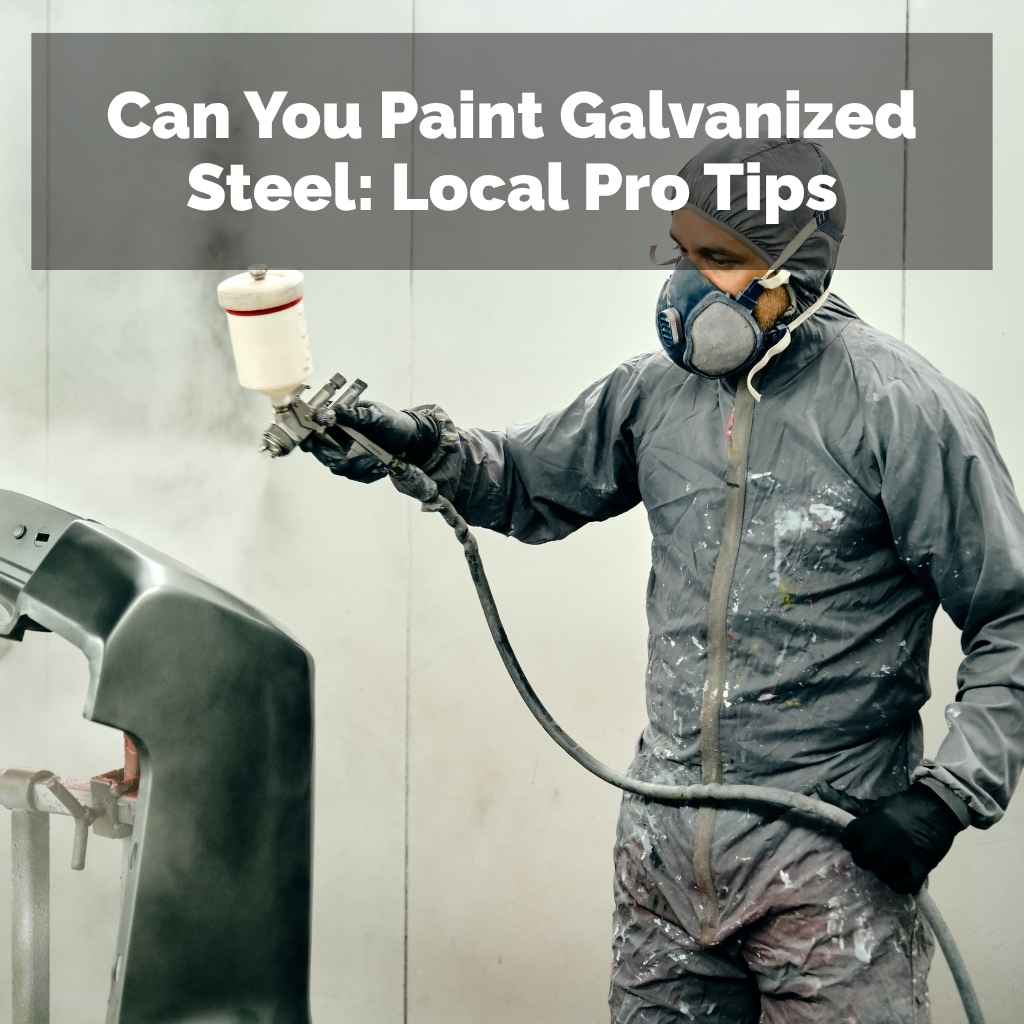
Spray painting offers the smoothest, most uniform finish and is often the preferred method for professionals, especially on large or intricate surfaces. It can be done with an airless sprayer, a HVLP (High Volume Low Pressure) sprayer, or even aerosol cans for smaller projects.
Before spraying, it’s crucial to protect surrounding areas with drop cloths and masking tape. Prepare your sprayer according to the manufacturer’s instructions, thinning the paint if necessary to achieve the correct viscosity for spraying. Ensure you have adequate ventilation and wear a respirator mask to avoid inhaling paint fumes.
Hold the spray gun at a consistent distance from the surface (usually 8-12 inches) and move it in a steady, sweeping motion. Overlap each pass by about 50% to ensure even coverage and avoid splotchy areas. Apply thin coats, allowing the paint to flash off between them before applying the next coat.
Spray painting is excellent for achieving a factory-like finish on items such as galvanized ductwork, automotive parts, or decorative metalwork. It minimizes the risk of brush marks or roller texture, providing a clean, professional look. However, it requires practice and the right equipment to master.
For example, painting a large galvanized steel structure like a grain bin or a metal barn roof is often best done with an airless sprayer for speed and efficiency. The even coverage achieved by spraying is critical for protecting such large expanses from the elements.
Maintaining Your Painted Galvanized Steel
Once your galvanized steel project is painted and looking great, proper maintenance will help ensure the finish lasts for many years. Even with the best preparation and paint, regular care can prevent premature wear and keep your metal looking its best.
The most important aspect of maintenance is regular cleaning. Dust, dirt, and grime can accumulate on the surface over time. Washing the painted galvanized steel with mild soap and water will remove these contaminants and prevent them from potentially breaking down the paint or obscuring its appearance.
Inspect the painted surface periodically for any signs of damage, such as chips, scratches, or peeling. Small areas of damage can be touched up before they become larger problems. Addressing these issues promptly will prevent rust from forming on the underlying steel.
Avoid using abrasive cleaning tools or harsh chemicals, as these can scratch or damage the paint finish. Stick to soft cloths or sponges and mild detergents for regular cleaning. This simple routine will go a long way in preserving the beauty and integrity of your painted galvanized steel.
Regular Cleaning and Inspection
Regular cleaning is a simple yet highly effective way to maintain the appearance and longevity of your painted galvanized steel. Over time, surfaces exposed to the elements accumulate dust, pollen, bird droppings, and other debris. These can not only make the surface look dull but can also harbor moisture and chemicals that can degrade the paint.
A good cleaning routine involves washing the painted surface with a soft cloth or sponge, a mild detergent (like dish soap), and cool or lukewarm water. Gently wipe down the entire surface. After washing, rinse thoroughly with clean water to remove all soap residue.
Allow the surface to air dry completely.
In addition to cleaning, regular inspections are crucial. Periodically walk around and examine your painted galvanized steel structures. Look for any signs of damage, such as chips, scratches, gouges, or areas where the paint might be peeling or bubbling.
Pay close attention to edges, corners, and areas that experience high traffic or contact.
Early detection of minor damage is key. A small chip might seem insignificant, but it exposes the primer and potentially the galvanized layer underneath to the elements, which can lead to rust or paint failure over time. Addressing these issues promptly through touch-up paint is far easier and less costly than repairing extensive damage later.
Touch-Up Painting
When you notice small areas of damage on your painted galvanized steel, such as chips or scratches, touch-up painting is the best way to address them. This prevents further deterioration and maintains the protective barrier of the paint. It’s a straightforward process that can significantly extend the life of your paint job.
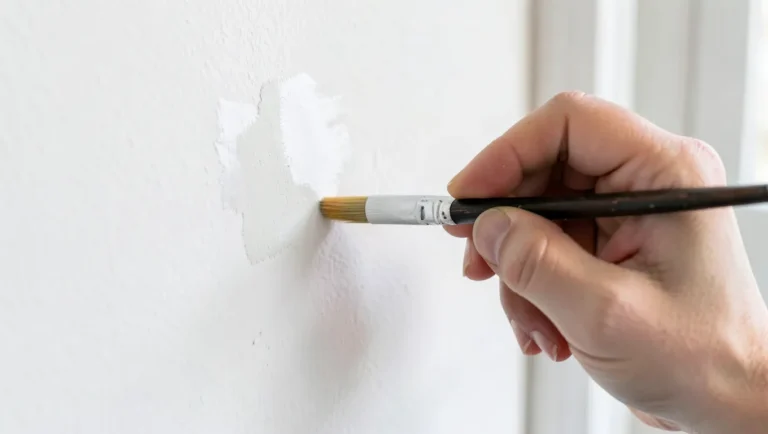
First, clean the damaged area thoroughly to remove any dirt, rust, or loose paint. If you find any rust, you may need to gently remove it with a wire brush or sandpaper. Once the area is clean and dry, lightly scuff the edges of the damaged paint with fine-grit sandpaper to help the new paint adhere smoothly.
Apply a small amount of the same primer you used originally to the bare or damaged spot. Allow it to dry completely according to the manufacturer’s instructions. Then, carefully apply thin coats of your matching topcoat paint over the primed area.
Use a small artist’s brush for small chips or a larger brush for scratches, feathering the edges to blend the touch-up into the surrounding paint.
It’s important to use paint from the same batch if possible, or at least the same color and finish, to ensure a seamless match. While the repair might not be invisible up close, it will effectively protect the metal and prevent the damage from spreading, keeping your galvanized steel looking good for longer.
Frequently Asked Questions
Question: Can I paint over old, peeling paint on galvanized steel?
Answer: Yes, but with careful preparation. You’ll need to scrape away all loose and peeling paint until you reach a solid surface. Then, clean the area thoroughly.
If the underlying galvanized surface is exposed, you may need to apply a specialized primer for galvanized metal before painting over the repaired sections with your chosen topcoat.
Question: How long does paint typically last on galvanized steel?
Answer: With proper preparation and the right materials, a well-painted galvanized steel surface can last 10-15 years or even longer. Factors like climate, exposure to harsh elements, and the quality of the paint and primer used will influence its lifespan.
Question: Do I need a special type of paint for galvanized steel?
Answer: You don’t need a special type of paint for the topcoat itself, but you absolutely need a specialized primer designed for galvanized metal. High-quality exterior acrylic latex paints are generally suitable for the topcoat. The primer is the critical component for ensuring adhesion to the zinc surface.
Question: What if my galvanized steel is already rusty?
Answer: If your galvanized steel has started to rust, it means the zinc coating has been compromised. You’ll need to remove the rust completely using a wire brush or sandpaper. Then, apply a rust-inhibiting primer followed by a suitable metal paint.
Galvanized steel is designed to resist rust, so significant rust indicates underlying issues that need thorough attention.
Question: Can I paint galvanized steel in cold weather?
Answer: It is generally not recommended to paint galvanized steel in very cold temperatures. Most paints and primers have specific temperature ranges for application, usually above 50°F (10°C). Cold weather can slow down drying and curing, affect adhesion, and lead to a poor-quality finish.
Always check the product’s label for recommended application temperatures.
Final Thoughts
Painting galvanized steel is achievable with the right approach. Proper preparation, including cleaning and etching, is key. Always use a specialized primer designed for galvanized metal.
Then, apply a high-quality exterior paint. Regular cleaning and prompt touch-ups will keep your painted galvanized steel looking its best for years to come.
Sponsored / affiliate links. As an Amazon Associate I earn from qualifying purchases. I may earn additional commission from eligible campaigns.