How Much Does a Fence Post Repair Cost?
A fence post repair usually costs about $150 to $450 for a reset, about $250 to $700 for replacement, and about $400 to $1,200 when the damaged section must be rebuilt. Ignoring a leaning or rotted post can pull down adjacent panels, break fasteners, and turn a small repair into a larger replacement bill. This guide breaks down costs by failure type, explains when a reset is enough, and helps you judge repair versus replace before you compare quotes.
Fence post repair cost by failure type



The repair price changes most by what failed. A loose post reset is usually the lowest-cost job, a full post replacement adds digging and concrete work, and a section rebuild climbs higher when multiple posts, rails, or panels are affected.
| Symptom | Likely cause | Typical repair scope | Hidden labor driver | What usually changes the quote |
|---|---|---|---|---|
| Post wiggles but wood is sound | Loose footing or shallow set | Reset post and add new concrete | Pulling the old footing and re-digging the hole | Soil hardness, access, and footing depth |
| Post leans at the soil line | Rot, frost heave, or soil movement | Replace post or reset if the lower section is intact | Removing the old post and concrete | Whether rails and panels can stay in place |
| Bottom of post is soft or crumbling | Moisture damage, common on wood fence posts | Full post replacement | Cutting out the failed post from rails and footing | Post material and whether adjacent boards are damaged |
| Several posts lean in one run | Soil movement, wind load, or frozen ground shift | Section rebuild | Multiple post resets, rail realignment, and cleanup | How many posts must be reset or replaced |
| Gate drags or will not latch | Hinge post moved or frame sagged | Adjust hardware, align post, or replace post | Rehanging the gate after concrete cures | Gate frame condition and hinge hardware |
When a reset costs less than a replacement
A reset costs less when the post itself is still usable and the problem sits in the footing. That means the contractor can pull the post, re-dig, and set it again with new concrete instead of swapping in a new post. Rockwall Handyman Co. lists single post resets at $400-$600 and says posts need to be pulled, re-dug, and re-set with new concrete.
Above-ground repairs are cheaper than a full reset because they avoid excavation, concrete removal, and curing time. If the post is straight, dry, and only loosened at the base, a reset may be enough. If the lower post is rotten or split, the job moves into replacement territory.
When a section rebuild moves the job into a higher price tier
A section rebuild becomes more likely when the damaged post has pulled neighboring rails out of line or when the lean spreads across several bays. That raises labor because the work stops being a single-post fix and becomes a small reconstruction project. Salt Lake City Fence Solutions lists standard repairs at $300 to $900 and major fence repairs at $900 to $2,500.
Privacy fence sections usually cost more to repair than open-style fencing because more boards, rails, and fasteners are involved. Fence repair costs are also higher per square foot than new fence installation when materials are replaced, so a large damaged run can move quickly from repair value to rebuild value.
How much does a fence post replacement cost?
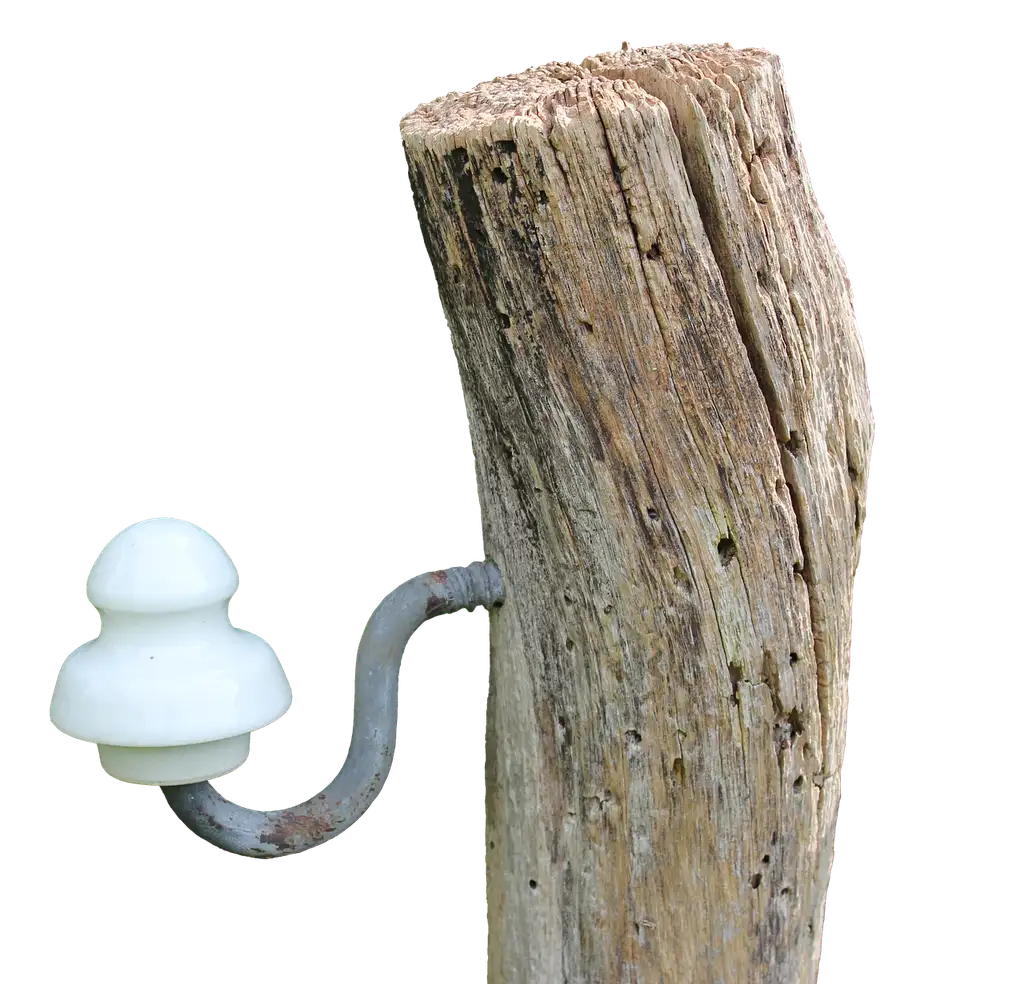
Replacing one fence post usually costs more than a simple reset because you pay for removal, a new post, and re-setting the footing. A reasonable national comparison is broad: Bob Vila reports fence repair costs ranging from $302 to $922, with a national average fence repair cost of $594. A wood fence repair table also lists wood fence posts at $45 to $75 per post and shows an average fence repair cost for wood fence of $375.
Per-post labor and material cost
For a single post, the quote usually includes the post material, labor to remove the failed post, hole preparation, and fresh concrete. The post itself is only one part of the bill. Labor can exceed the material cost when the old footing is hard to remove or the replacement post must be set precisely to match existing rails.
Say your 6-foot wood privacy fence has one corner post rotted at ground level. If the rails and boards beside it are still intact, the job may stay in the single-post range. If the top rail is twisted and the adjacent panel has split fasteners, the quote often rises because the contractor has to straighten and reattach more of the section.
Above-ground repair versus full reset
An above-ground repair is usually the cheaper option when the failure is near the top of the post or in attached hardware rather than in the buried base. A full reset becomes necessary when the post has lost support below grade. That difference matters because a reset includes digging, concrete work, and alignment checks before the rails go back on.
How much to replace one fence post? For a straightforward single-post job, expect the quote to sit in the replacement range rather than the reset range if the post is rotten, split, or broken off below grade. A loose post with sound wood may qualify for a reset instead, which is usually the lower-cost path.
Old post, concrete, and new post setting depth
The buried part of the repair drives both labor and durability. A contractor often has to remove the old post and concrete footing, then set the new post at a depth that matches the fence height and local frost conditions. The deeper and wider the footing, the more work the replacement takes.
Frost line depth matters because a shallow footing can move again after a cold season. The shape of the footing matters too. A properly sized base resists heave better than a small patch of concrete placed around a weak post.
What drives the final repair price?
Fence material, height, labor rates, and site access all change the quote, but the biggest jump comes from the scope of the damaged area. A single wood post with easy access costs less than a privacy fence corner with concrete buried in hard clay. Regional labor rates also matter; Taskrabbit lists fence repair services averaging $38 per hour, with averages of $70 in New York City and $87 in Boston.
Wood fence material, height, and privacy section complexity
Wood fence is the most common residential fence material, and it fails often at the soil line because moisture holds against the post base. Cedar and pressure-treated pine can both be used for repairs, but they do not usually price the same. Cedar often costs more up front, while pressure-treated pine is commonly the lower-cost replacement material.
Height also matters. Taller fence sections catch more wind, use longer posts, and need more bracing while the repair cures. Privacy fence sections usually take longer to align than open picket runs because the solid surface makes any lean easier to see.
Cedar versus pressure-treated pine
Cedar is often chosen for appearance and natural decay resistance, while pressure-treated pine is often used to control cost. In a repair quote, the material choice can change both the post price and the labor if the contractor has to match an existing fence line. Matching an older cedar fence with cedar posts often costs more than swapping in treated pine on a lower-visibility run.
Regional labor rates and per-foot pricing
Some contractors price repair work per post, while others blend in a per-foot number when several sections must be touched. That is why two quotes for the same damaged post can look different on paper. The labor rate, local demand, and travel time all feed into the total.
Minor repairs usually sit at the low end of the market, standard repairs fill the middle, and major repairs move up when multiple posts or panels fail. For a homeowner, the practical question is not the lowest hourly number. It is how much work the quote includes.
Why leaning fence repairs cost more
A leaning fence is often a post problem, but the cause can be different from one job to the next. The lean may come from a failing post, soil movement, moisture damage, or wind load. A localized lean is cheaper to fix than a section-wide lean because the contractor can target one post instead of rebuilding a line.
Post failure versus soil movement
If the post itself has rotted or cracked, replacement is usually the right fix. If the post is intact but the ground has shifted, a reset may be enough. Weather, frost, and moisture can push a fence out of line without destroying the whole structure.
Picture a 4-foot chain-link run leaning after a wet winter. If only one post moved, the repair may stay small. If the whole line dropped along a slope, the contractor may need to reset several posts and adjust the rails to restore alignment.
Localized lean versus section-wide lean
A lean near a gate or corner post often points to concentrated load, which costs more than a simple mid-run repair. A lean across several posts suggests a larger footing or drainage issue. That usually means more labor, more concrete, and a better chance that the repair quote shifts into the section-rebuild range.
Can a sagging gate be fixed by replacing the post?
Yes, often it can, if the hinge post has moved or failed. A sagging gate is frequently a post problem rather than a gate-only problem. The repair may involve replacing the post, tightening or changing hinges, adding an anti-sag bracket, or repairing the gate frame before rehanging it.
Hinges, latch, and anti-sag bracket checks
Before replacing the post, a contractor should check the hinges, latch, and anti-sag bracket. A loose hinge can mimic a failed post, while a bent latch can make a gate seem out of alignment. If the gate hardware is the only issue, the quote should stay below a full post replacement.
But if the hinge post is out of plumb, hardware fixes will not hold for long. The gate will keep drifting because the support point is moving. In that case, replacing or resetting the post is the real repair.
Gate frame condition and post alignment
A warped gate frame can also make a good post look bad. If the frame is square and the gate still drags, the support post is the stronger suspect. If the frame is twisted, the repair may need both frame work and post work, which pushes the cost higher than a simple hardware swap.
Fence post replacement cost factors
Concrete footing removal, site conditions, and frost depth can change a quote fast. Those buried tasks are why one contractor may quote a simple range while another quotes a wider spread. The hidden work is often the part that costs more than homeowners expect.
Concrete footing removal and re-setting
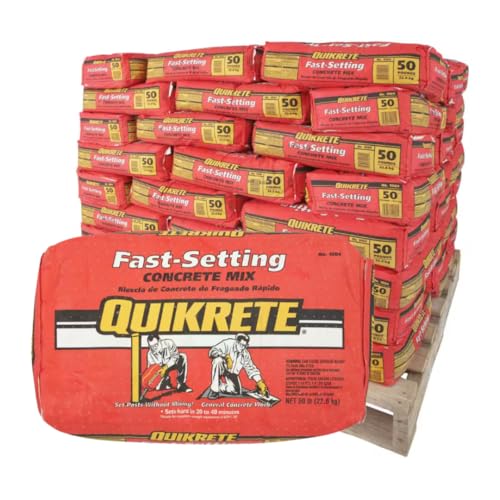
Many post resets require removing the old concrete before the new post goes in. That adds digging, hauling, and cleanup. After the new post is set in fresh concrete, the rails usually need to wait until the footing has cured enough to handle load.
That cure time matters. Reattaching rails or gate hardware too soon can pull the post out of alignment before the concrete hardens fully. A careful quote should account for that delay, especially on gate posts and taller sections.
Soil and site conditions
Hard ground increases labor because the hole is slower to dig. Rocky terrain can stop hand digging altogether and add time for breaking out old concrete. Clay, hills, frozen soil, and access obstructions all raise the bill because they slow both removal and setting.
Weather-related movement also affects pricing. A wet, shifting yard can make a post more likely to lean again, which may push the contractor toward a deeper footing or a larger repair area. Those extra steps cost more now, but they reduce repeat failure later.
Frost line depth and durability
In colder climates, the new post needs to be set below the frost line or it may move again. That can change both the hole depth and the amount of concrete used. A deeper footing usually costs more, but it also improves durability on fences that have already failed from heave.
- Check where the problem starts: post, footing, gate hardware, or attached panel.
- Look for rot at the soil line, movement in the concrete, or broken fasteners.
- Decide whether the post can be reset or needs full replacement.
- Count how many adjacent posts or rails are also affected.
- Ask whether the quote includes concrete removal, new footing work, and curing time.
- Compare the repair total against the cost of rebuilding the damaged section.
A common first-timer mistake is assuming the post needs replacing when a loose hinge or rotted rail is actually what’s driving the repair bill. That mistake leads to a small-looking quote that misses the buried work. Ask for the scope in writing so you can compare reset, replacement, and section rebuild quotes on equal terms.
Frequently asked questions
How much to replace one fence post?
Replacing one fence post often costs less than rebuilding a section, but more than a simple above-ground fix. Expect a quote to include labor, the new post, excavation, and concrete. If the old post and footing must come out completely, the repair usually moves toward the higher end of the range.
How much does it cost to fix a leaning fence post?
A leaning fence post can be a lower-cost reset if the post is still sound, or a higher-cost replacement if rot or breakage is involved. The price rises when the lean affects a corner, gate, or multiple posts, because more alignment work and more concrete are needed.
Is it cheaper to repair one post or replace a fence section?
Repairing one post is usually cheaper when the damage is isolated. Replacing a section becomes the better value when several posts lean, the rails are damaged, or the fence has enough rot that one fix would not stop the next failure. Section work costs more now, but can avoid repeat labor.
What factors change the cost of fence post repair?
The biggest cost drivers are failure type, post depth, concrete removal, soil conditions, fence height, and whether the work involves a gate. Regional labor rates also matter. Privacy fence sections and rocky or frozen ground usually push the quote higher than a simple open-style repair.
How much does a rotted fence post cost to replace?
A rotted fence post usually needs full replacement, not a reset. That means the quote must cover removal of the damaged post, disposal of old concrete if present, and setting the new post at the proper depth. Rotten posts near the soil line often cost more than loose boards because the support itself has failed.
Sponsored / affiliate links. As an Amazon Associate I earn from qualifying purchases. I may earn additional commission from eligible campaigns.
 4.21" x 3.94"U Shape Fence Post Holder,1 Pack Concrete Post Base Anchor Bracket,Heavy Duty Wood Post Support for Deck Railing,Fence,Pergola,Mailbox,Ground Mount Pole Construction (1, 4.21" x 3.94")
 4.21" x 3.94U Shape Fence Post Holder,4 Pack Concrete Post Base Anchor Bracket,Heavy Duty Wood Post Support for Deck Railing,Fence,Pergola,Mailbox,Ground Mount Pole Construction (4, 4.21" x 3.94")