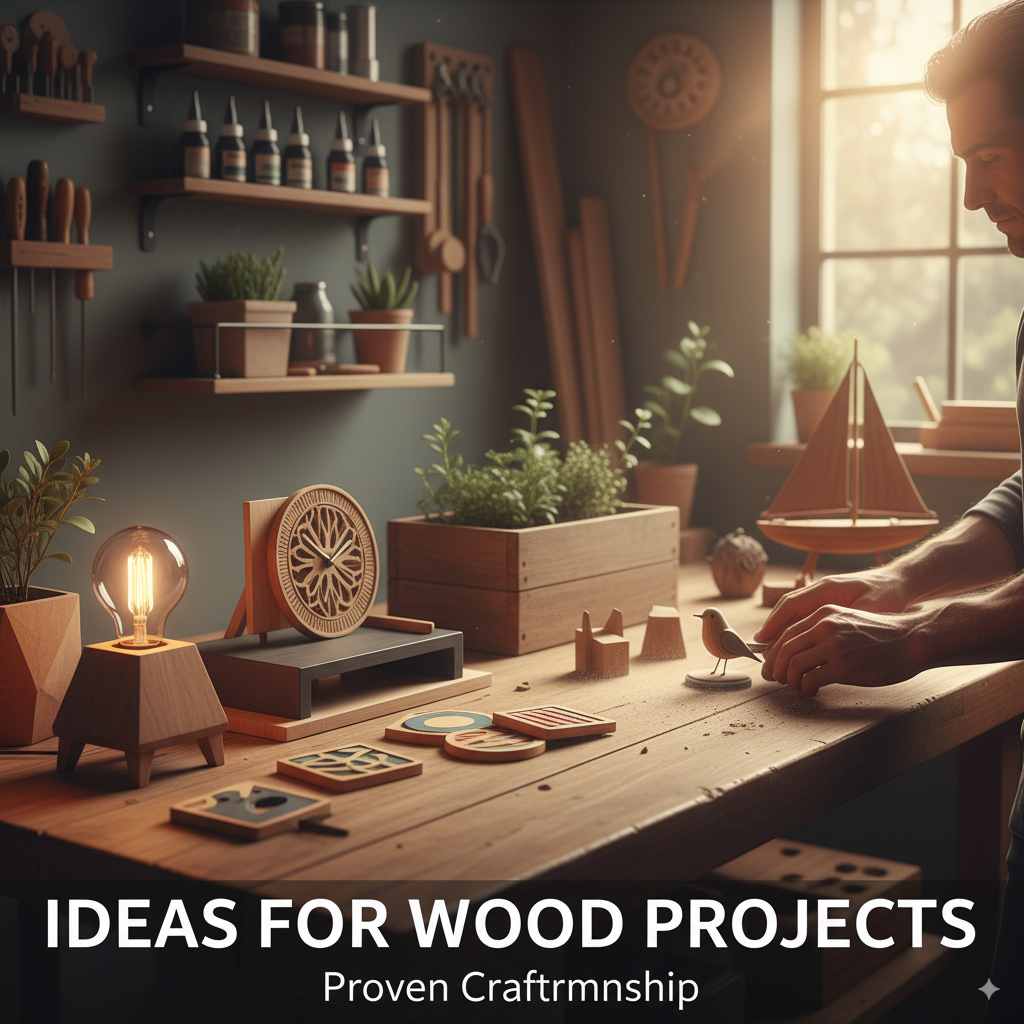
Ideas For Wood Projects: Proven Craftsmanship
Discover simple, rewarding wood project ideas perfect for beginners. Learn to build functional, durable pieces like shelves, birdhouses, and small tables, focusing on essential skills and proven craftsmanship to create lasting items with confidence.
Welcome to the wonderful world of woodworking! Ever looked at a beautiful wooden item and thought, “I could never make that”? Well, I’m here to tell you that you absolutely can. From simple shelves to charming decor, many fantastic wood projects are well within reach for beginners. It’s all about starting with the right ideas and learning a few core techniques step-by-step. We’ll guide you through projects that build your skills and confidence, ensuring you create pieces you’ll be proud of.
Getting Started: Your First Wood Projects
Embarking on woodworking can feel a bit daunting, but with the right approach, it’s incredibly rewarding. The key is to select projects that are achievable for your current skill level. We’re going to explore some fantastic ideas that focus on fundamental woodworking principles, helping you develop a solid foundation in “proven craftsmanship.” This means building things that are not only beautiful but also strong and made to last.
Think of these projects as stepping stones. Each one will introduce you to different tools, techniques, and finishes. We’ll prioritize safety every step of the way, as this is the most crucial aspect of working with tools and wood. Let’s dive into some project categories that are perfect for newcomers.
Beginner-Friendly Wood Project Ideas
When you’re just starting out, it’s wise to choose projects that don’t require complex joinery or a vast array of specialized tools. The goal is to build your confidence and practice basic cutting, joining, and finishing techniques. Here are some proven ideas that deliver great results:
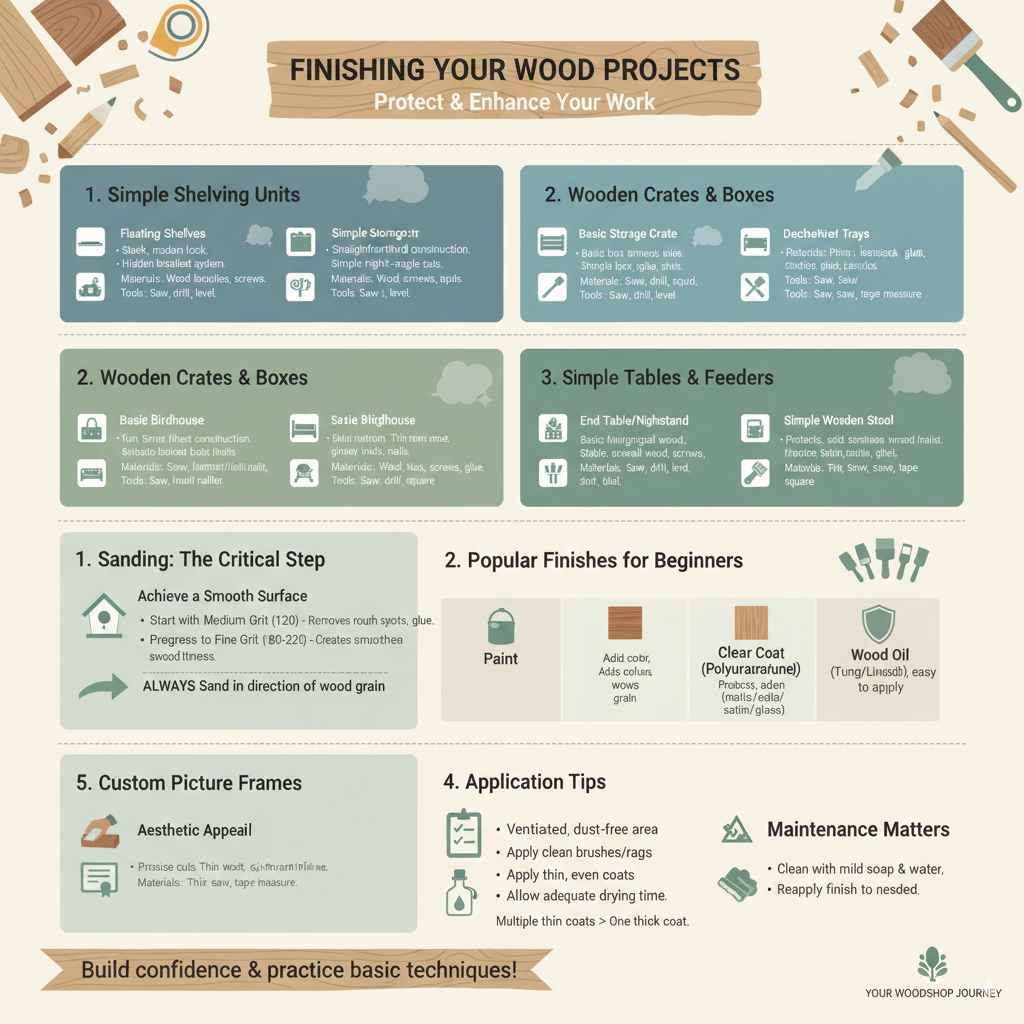
1. Simple Shelving Units
Shelves are incredibly useful and offer a fantastic introduction to basic construction. You can make them for your kitchen, garage, or living room.
Floating Shelves
These look sleek and modern. The trick is a hidden bracket system, which is simpler than it sounds.
- Materials: Wood boards (pine, oak, or plywood edged and finished), L-shaped brackets or specialized floating shelf hardware, screws, wall anchors (if needed).
- Tools: Measuring tape, pencil, level, saw (hand saw or circular saw), drill, screwdriver, sandpaper.
- Process: Cut the wood to size. Mark and drill holes in the wood for the bracket arms to insert into. Mount the brackets securely to the wall using wall anchors if you’re not screwing into studs. Slide the shelf onto the brackets.
Basic Wall Shelves
These are straightforward to build with simple right-angle cuts and screws.
- Materials: Wood boards, wood screws, wood glue, sandpaper, optional wood finish.
- Tools: Saw, measuring tape, pencil, drill, screwdriver, level, clamps (helpful but not essential).
- Process: Cut two side pieces and one or more shelf pieces. Apply wood glue to the edges where the shelf meets the sides, then secure with screws. Ensure everything is square. Sand smooth and apply a finish if desired.
2. Wooden Crates and Boxes
These are versatile for storage, decorative pieces, or even as gifts. They teach basic box construction and joinery.
Simple Storage Crate
Perfect for organizing toys, books, or craft supplies.
- Materials: Pine boards (¾ inch thick is good), wood screws or nails, wood glue, sandpaper.
- Tools: Saw, measuring tape, pencil, hammer or drill, square.
- Process: Cut four identical side pieces and two end pieces. Assemble the sides into a rectangle using glue and screws/nails. Attach the end pieces to the sides. You can add a bottom panel by cutting a piece to fit inside the base and securing it.
Decorative Trays
Smaller than crates, these can be great for serving or display.
- Materials: Thinner wood boards or plywood, wood glue, screws or brad nails, sandpaper, optional handles.
- Tools: Saw, measuring tape, pencil, drill, screwdriver or brad nailer, square.
- Process: Construct a simple shallow box frame. You can add a solid plywood bottom. Sand thoroughly and consider adding decorative handles.
3. Birdhouses and Feeders
These projects are fun, engaging, and bring a touch of nature to your yard. They are great for practicing precise cuts.
Basic Birdhouse
A classic project that requires simple geometric shapes.
- Materials: Untreated pine or cedar wood (about half an inch thick), wood screws or nails, exterior wood glue, dowel for perch (optional).
- Tools: Saw, measuring tape, pencil, drill, screwdriver, sandpaper.
- Process: Cut out the front, back, two sides, floor, and roof pieces. The front and back usually have angled tops for the roof. Drill an entrance hole in the front piece. Assemble using glue and fasteners, ensuring water drainage holes in the floor. For more advanced designs, check out resources like All About Birds’ guide.
Simple Bird Feeder Tray
An easier alternative to a birdhouse, focusing on a flat base and edges.
- Materials: Wood boards, screws or nails, wood glue, sandpaper.
- Tools: Saw, measuring tape, pencil, drill, screwdriver.
- Process: Cut a base piece and four short edge pieces. Assemble the edges around the base using glue and fasteners to create a tray. You can add small drilled drainage holes.
4. Small Tables and Stools
These projects introduce basic furniture construction, like attaching legs securely.
End Table/Nightstand
A simple four-legged table is a good introduction to joinery for furniture.
- Functionality Focus: This project teaches how to create a stable, level surface and attach legs robustly.
- Materials: Larger wood boards for the top, smaller pieces for legs, wood screws, wood glue, sandpaper, wood finish.
- Tools: Saw, measuring tape, pencil, level, drill, screwdriver, square.
- Process: Cut the tabletop to size. Cut four identical legs. You can create simple aprons (connecting pieces under the tabletop) to give the legs more surface area for attachment. Glue and screw the aprons to the tabletop, then attach the legs to the aprons. Ensure the legs are perfectly vertical using a square and level to prevent wobbling.
Simple Wooden Stool
A basic stool is a great way to practice building sturdy, load-bearing joints.
- Durability Emphasis: Stools need to be strong. This project hones your ability to create strong, reliable connections.
- Materials: Wood for the seat and legs, wood screws, wood glue, sandpaper.
- Tools: Saw, measuring tape, pencil, drill, screwdriver, square.
- Process: Cut a circular or square seat. Cut four legs. Attach the legs to the underside of the seat using screws and glue. Consider adding cross braces between the legs for extra stability, a key element in proven furniture craftsmanship.
5. Custom Picture Frames
Crafting your own frames adds a personal touch to your cherished photos or artwork.
- Aesthetic Appeal: This project focuses on precise cuts and clean finishes to showcase your artwork.
- Materials: Thin wood strips (often called “moulding” or “framing stock”), wood glue, small nails or brads, sandpaper, picture frame hardware.
- Tools: Miter saw (ideal for precise 45-degree angles) or a hand saw with a miter box, measuring tape, pencil, glue, hammer or brad nailer.
- Process: Measure your artwork. Cut four pieces of wood at 45-degree angles to create the frame’s corners. The total length of each side needs to accommodate the artwork’s dimensions plus a small rabbet (a groove on the inside edge of the frame to hold the glass and artwork). Glue and nail the corners together, ensuring they are perfectly square. You may need to add a groove for the glass and backing.
Essential Tools for Beginner Wood Projects
You don’t need a professional workshop to start. A few key tools will get you going. Investing in decent quality tools will make your work easier and safer. Here’s a basic list:
| Tool | Purpose | Beginner-Friendly Notes |
|---|---|---|
| Measuring Tape & Pencil | Accurate measurements and marking cuts. | Essential for all projects. Always double-check measurements. |
| Hand Saw or Circular Saw | Cutting wood to size. | A good handsaw is affordable. A circular saw is faster but requires more care. Always use safety glasses! Familiarize yourself with safe operation before cutting. For detailed guidance on saw types and safety, resources like OSHA’s Safety and Health Topics page on hand and power tools can be invaluable for understanding risks. |
| Drill (Corded or Cordless) | Drilling holes for screws, creating pilot holes, and driving screws. | Cordless drills offer convenience. A set of drill bits and screwdriver bits is a must. |
| Screwdriver Set | Driving and removing screws. | Having various sizes (Phillips and flathead) is useful. |
| Hammer | Driving nails, light demolition or adjustment. | A standard claw hammer is fine. |
| Sandpaper & Sanding Block | Smoothing rough edges and surfaces. | Start with medium grit (e.g., 120) and finish with fine grit (e.g., 220). Using a sanding block ensures even pressure. |
| Wood Glue | Joining wood pieces for strong bonds. | Use with screws or nails for maximum strength. Wipe away excess glue before it dries. |
| Clamps (Optional but Recommended) | Holding pieces together while glue dries or during assembly. | Bar clamps or spring clamps are useful for various tasks. |
| Square (Combination or Speed Square) | Ensuring cuts and assembly are at perfect 90-degree angles. | Crucial for making sure your projects are not ‘wonky’. |
Proven Craftsmanship: Key Principles for Beginners
The term “proven craftsmanship” isn’t just about fancy joinery. It’s about a dedication to doing things right, ensuring durability, and creating functional beauty. For beginners, this translates to a few core practices:
- Measure Twice, Cut Once: This old adage is gold. Accurate measurements prevent wasted material and frustration. Take your time here.
- Use the Right Amount of Glue: Wood glue is incredibly strong when used correctly. Apply an even, thin layer to both surfaces being joined.
- Secure Fasteners Properly: Whether using screws or nails, ensure they are long enough to penetrate both pieces of wood adequately for a strong hold. Predrilling pilot holes for screws prevents wood from splitting, especially near edges.
- Embrace the Square: Always check that your corners are at 90-degree angles. A slightly off corner can cascade into a wobbly or misaligned project.
- Smooth Finishes: Proper sanding makes a huge difference in how professional your project looks and feels. It also prepares the wood for stain or paint.
- Patience and Practice: Your first project won’t be perfect, and that’s okay! Every project is a learning opportunity.
Safety First!
Woodworking involves tools that can cause harm if not used with respect and caution. This is non-negotiable. My rule is always: Safety first, always.
Here are some fundamental safety tips:
- Wear Safety Glasses: ALWAYS wear them when cutting, drilling, sanding, or using any power tools. Flying debris is dangerous.
- Use Hearing Protection: If using louder power tools for extended periods, earplugs or earmuffs are a good idea.
- Keep Your Workspace Tidy: Clutter is a tripping hazard and can lead to accidents. Sweep up sawdust regularly.
- Understand Your Tools: Read the manuals. Know how your tools work before you use them. Don’t force them.
- Secure Your Work: Use clamps to hold wood firmly in place when cutting or drilling. Don’t try to hold small pieces by hand.
- Unplug Tools: Disconnect power when changing blades or bits, or when making adjustments.
- Beware of Kickback: This is when a power tool jumps back towards you. It can happen with saws if the blade pinches. Always stand to the side of the blade path, never directly behind it.
You can find more tips on woodshop safety from established organizations like the Woodworkers Journal.
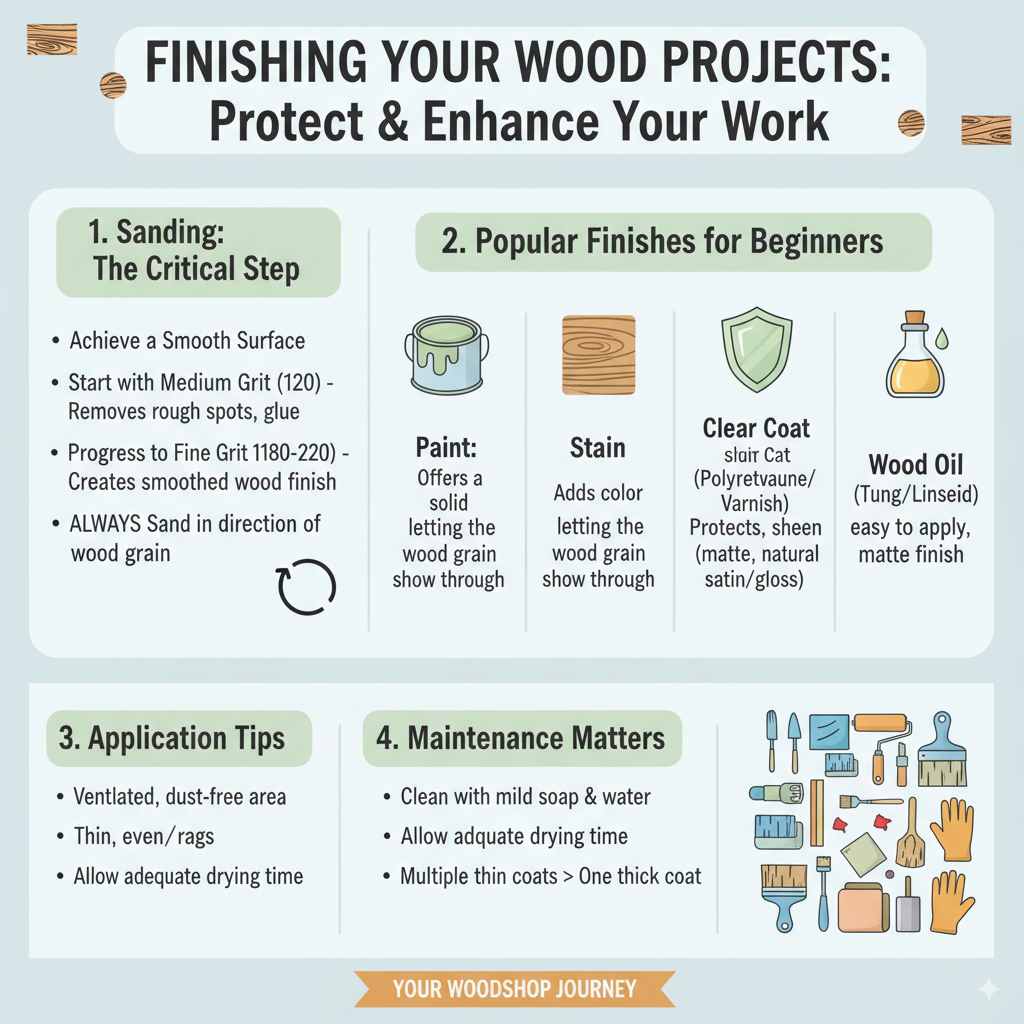
Finishing Your Wood Projects
The finish is the final touch that protects your work and enhances its beauty. For beginners, simple finishes are best.
Sanding
This is the most critical step for a good finish. Start with a medium grit (like 120) to remove any rough spots, saw marks, or dried glue. Progress to a finer grit (like 180 or 220) for a smooth surface. Always sand in the direction of the wood grain.
Popular Finishes for Beginners
- Paint: Offers a solid color and can hide minor imperfections. Choose a good quality primer and topcoat.
- Stain: Adds color while letting the wood grain show through. Apply evenly and wipe off excess.
- Clear Coat (Polyurethane, Varnish, or Lacquer): Protects the wood and can add a sheen (matte, satin, or gloss). Polyurethane is very durable and forgiving.
- Wood Oil (Tung Oil, Linseed Oil): Penetrates the wood to give a natural, matte finish. These are often easier to apply and repair than film finishes.
Application Tips:
- Always apply finishes in a well-ventilated area, away from dust.
- Use clean brushes, rollers, or rags.
- Apply thin, even coats. Multiple thin coats are better than one thick coat.
- Allow adequate drying time between coats.
Frequently Asked Questions (FAQ)
Q1: What is the best wood for a beginner?
Pine is an excellent choice for beginners. It’s widely available, affordable, and easy to cut and work with. It’s also forgiving of minor mistakes. As you gain experience, you can explore hardwoods like oak or maple.
Q2: How do I avoid splitting wood when screwing?
Always drill a pilot hole the same diameter as the screw’s core (the solid shaft part, not including the threads). For very hard woods or when screwing near the edge, make the pilot hole slightly larger. Wood glue also helps prevent splitting when used with fasteners.
Q3: What’s the difference between a hand saw and a power saw for beginners?
A hand saw is manually powered and requires more physical effort but offers great control and is inexpensive. A power saw, like a circular saw or jigsaw, cuts much faster but costs more and requires more careful handling and understanding of safety. For most simple projects, a good hand saw and a miter box are perfectly sufficient.
Q4: Do I need expensive tools to start woodworking?
No, absolutely not! You can start with a few essential hand tools like a measuring tape, pencil, hand saw, drill, and sandpaper. These are relatively inexpensive. You can gradually add power tools as your skills and confidence grow.
Q5: How precise do my cuts need to be for beginner projects?
Aim for as much accuracy as you can achieve. For projects like shelves, a slight angle might be noticeable. For items like birdhouses, precise cuts make assembly much easier. Invest in a good square to check your angles. Don’t strive for absolute perfection on your first try; focus on learning from each cut.