Why Does Paint Crack When Drying?
Paint cracks while drying when the top skin forms before the layer below can shrink and cure, often because of cold temperatures, excess moisture in the wood, or coats applied too thick; stay within the label’s film thickness and temperature range. If you ignore it, the finish can check, peel, and need to be sanded off. This guide explains the drying failure, the most common wood-surface causes, and how to stop cracking on trim, furniture, and other coated surfaces.
How film shrinkage tension creates drying cracks
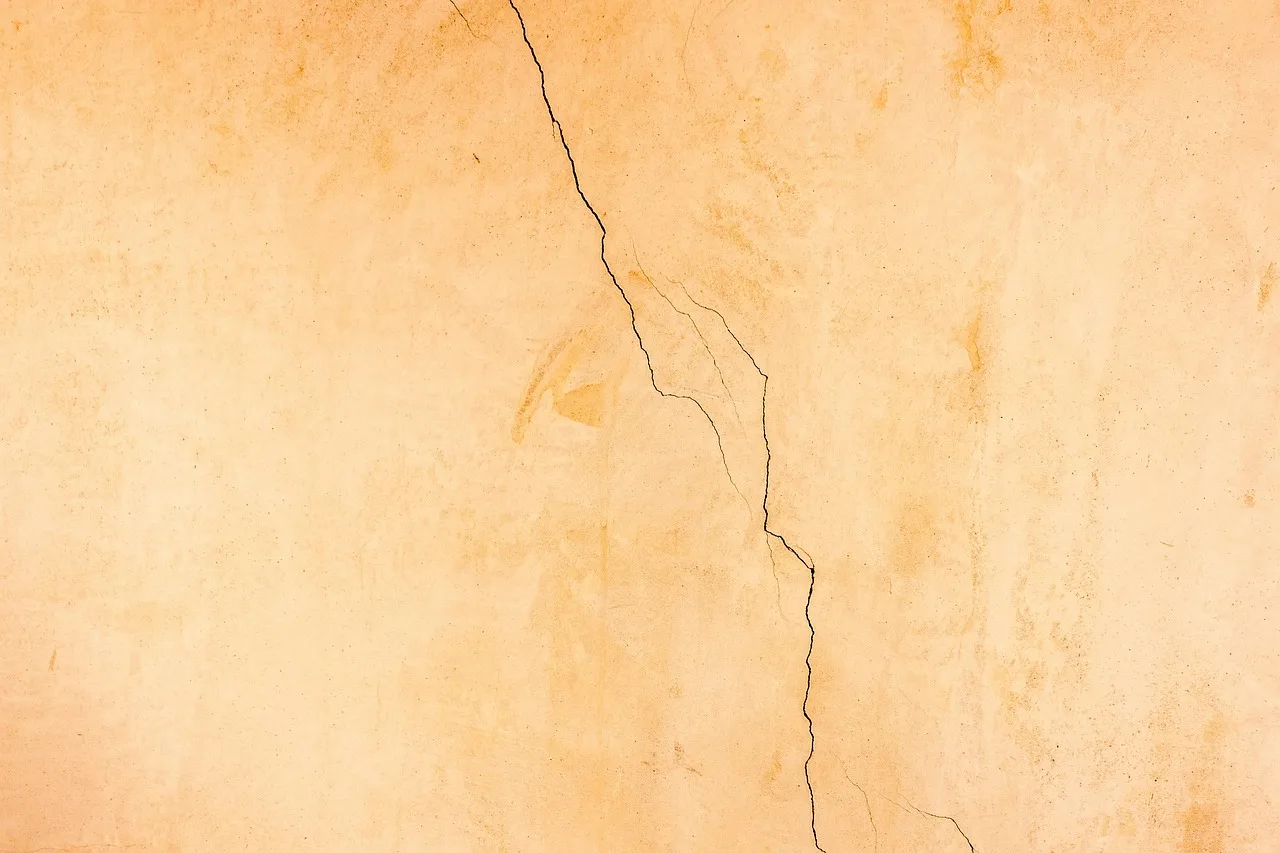


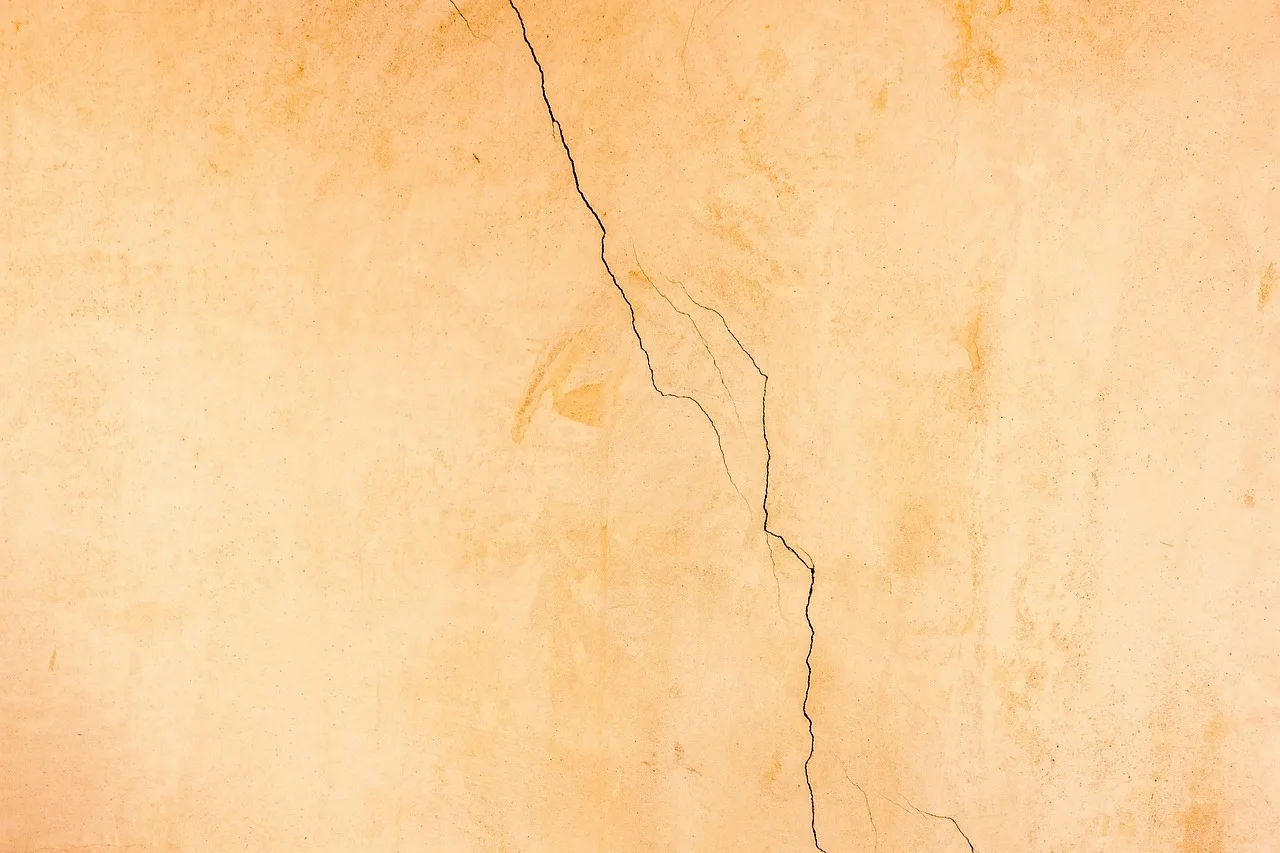
Paint cracks when the top skin sets before the layer below has finished curing. As the lower film keeps losing solvent or water, it shrinks and pulls against a skin that has already lost flexibility, so the coating splits instead of moving together.
That differs from later checking or alligatoring. Drying cracks can show up while the film is still settling; checking often appears later as fine surface lines, and alligatoring tends to look like a wider, reptile-scale pattern that suggests a deeper coating failure.
How the paint film fails
A paint film cures from the outside in. The exposed surface dries first, then the bottom layer follows, so the film can build shrinkage tension while the lower coat is still soft.
If the coating is already stressed, it cannot flex enough after cure. A flexible, fully cured film can tolerate minor movement; a weak one splits when the substrate shifts, when solvent escapes unevenly, or when moisture pushes from behind.
What surface prep prevents cracking
Clean, dry, and keyed surfaces give paint a better chance to bond before the film starts shrinking. Dirt, grease, dust, wax, and gloss all reduce adhesion, so the coating is more likely to separate as it dries.
Degrease before coating. Sand glossy surfaces so the next coat has tooth. Use primer on bare wood, metal, plastic, and other tricky surfaces where the topcoat needs a stable bonding layer.
- Remove dust, wax, and grease.
- Sand glossy areas until the sheen is broken.
- Vacuum or wipe away sanding residue.
- Prime bare wood and other difficult surfaces.
- Let the primer dry within its listed recoat window.
How coat thickness affects cracking
Heavy or uneven coats are more likely to crack because the skin forms before the full depth has dried. One thick pass traps solvent or water inside the film, which raises shrinkage tension as the lower layer tries to catch up.
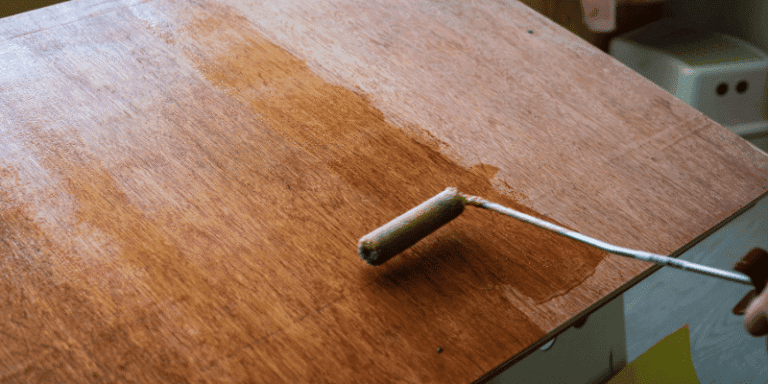
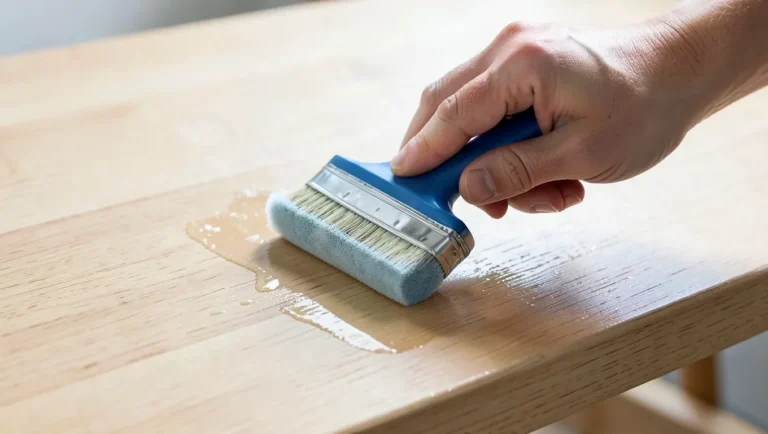
Thin light coats cure more evenly. Several passes are safer than one thick coat because each layer has less material to shed, so the film stays more uniform and the final coat has less stress built into it.
Suppose a furniture side panel gets one heavy spray pass and feels dry on top in 20 minutes. If a second wet pass goes on immediately, the lower layer may stay soft long enough for fine cracking to show after the film shrinks.
Why does temperature matter?
Temperature changes how fast the surface skins and how long the lower film stays soft. Cold weather slows curing, while hot weather can skin the surface too fast and trap solvents or water below the top layer.
For spray paint, a commonly recommended ideal range is about 65-85°F. In cold-weather woodworking below 50°F, drying slows enough that a coat may look settled while the lower layer still needs more time. Extreme heat above 90°F can speed solvent evaporation and blistering.
Cold weather slows cure
Cold air makes the coating lose solvent or water more slowly, and that slows the whole cure cycle. The surface can seem ready before the paint film has developed enough strength, which leaves it open to cracking when the next coat goes on or when the temperature drops overnight.
The floor paint article says construction temperature cannot be lower than 5°C. That lower limit matters on outdoor trim, sheds, and unheated shops because a coating applied too cold may stay sticky instead of forming a stable film.
Hot weather skins the surface too fast
Heat can cause the outer skin to lock up before the interior has dried. Once the skin tightens, the lower layer keeps shrinking against it, and the stress shows as cracks, blisters, or a roughened surface.
If the day is hot and dry, move to shade and follow the can’s recoat window closely. Do not treat a dry-looking skin as proof that the full film has cured.
Spray paint temperature range to follow
Spray products are more sensitive to temperature swings because atomized droplets lose solvent quickly. Staying within 65-85°F gives the film a better chance to level before the surface locks up.
A common first-timer mistake is spraying a chair at 45°F in an unheated garage and then recoating after a short wait because the top feels dry. The finish may look fine at first, then crack after the next cold night because the lower film never cured evenly.
What does humidity do to paint?
Humidity changes how quickly moisture leaves the coating and how well the film bonds to the surface. Ideal humidity is below 60%, because damp air can slow drying, disrupt adhesion, and leave the coating with an uneven cure.
High humidity is especially hard on water-based coatings and on wood that already holds moisture. If the substrate is damp, the paint may cure on the face while vapor pressure builds below it.
Moisture disrupts adhesion
Moisture can sit on the surface, live in the wood, or remain in the film itself. Any of those conditions weakens the bond between coats, and weak adhesion makes cracking more likely as the finish shrinks.
Some coating failures are tied to moisture content exceeding 15% in wood. That matters on outdoor joinery, end grain, and stored stock that has not acclimated to the project space.
Why damp air leaves an uneven film
When humidity is high, the coating may dry unevenly from place to place. Some areas stay soft while others skin over, and that mismatch creates tension lines that can open into cracks.
If sticky paint is still tacky 24 hours after application, it usually means it will not dry. At that point, adding another coat usually traps the problem under a second film.
Why does paint crack on wood?
Wood cracks paint more often than many other substrates because wood moves, absorbs moisture, and varies in density from face grain to end grain. Trapped moisture behind the coating, resinous knots, and damp stock can all push against the film as it dries.
Primer matters here. On bare wood, metal, and plastic, a bonding layer helps the topcoat grip and dry more evenly, especially where the surface is hard to wet out or prone to weak adhesion.
Wood moisture content and trapped vapor
Paint over wood that is too damp and the film may crack as water tries to escape. The coating can dry on the outside first while water vapor pressure builds underneath, which stresses the skin from below.
That risk rises on exterior trim, decking parts, and any piece that has been stored in a wet area. End grain is especially vulnerable because it absorbs and releases moisture faster than flat grain.
End grain, knots, and high-movement areas
End grain drinks finish quickly, so the first coat can sink in unevenly and leave the surface with poor protection. Resinous knots can also interfere with adhesion, and repeated movement around joints can open cracks in a film that looked sound at first.
Use a primer made for the substrate, then follow with thin coats. On knotty pine or outdoor furniture, that extra step helps reduce weak spots where cracking starts.
Primer choices for wood, metal, and plastic
Primer is the bonding layer that helps the finish stick to bare wood, metal, and plastic. It is especially useful on slick or mixed-material projects where the topcoat alone would be forced to grip too little surface area.
If the topcoat is a spray enamel, primer also helps even out absorption and keeps the film from drying at different rates across the same part. That matters on trim pieces with raw ends and sealed faces.
| Symptom timing | Likely cause | How to confirm it | Correct fix |
|---|---|---|---|
| Cracks appear during dry-to-touch | Coat applied too thick, or the top skin dried before the lower layer | Look for glossy ridges, soft spots under a dry face, or a film that wrinkles when pressed lightly | Let the coat cure fully, sand back the failed film, then apply thin light coats within the label’s film thickness |
| Cracks appear after recoating | Second coat stacked too soon over a still-soft base layer | Check the can for the recoat window and press a hidden area; if it feels rubbery, the base is not ready | Stop recoating, extend dry time, then sand lightly before applying the next coat |
| Cracks appear after overnight cold exposure | Cold weather slowed cure and left the film brittle or undercured | Compare the project temperature to the label, and note whether the crack showed after a cold night or temperature swing | Move the piece to a warmer, drier space, allow full cure, then scrape off and rework failed paint if the film stays unstable |
| Cracks appear only on wood or end grain | Moisture in the wood, poor sealing of end grain, or weak primer adhesion | Check for damp stock, exposed end grain, knots, or areas over 15% moisture content | Dry the wood, seal end grain, prime bare areas, then repaint with thin coats |
How do you stop paint from cracking as it dries?
Stop cracking by controlling the film, not by piling on more paint. Clean and prime the surface, stay within the label’s temperature and recoat range, keep humidity below 60%, and apply thin light coats instead of one heavy pass.
A practical repair path
Start by deciding whether the crack is from too-thick application, trapped solvent, or moisture behind the film. That choice tells you whether the fix is sanding and recoating, more drying time, or scraping off and reworking failed paint.
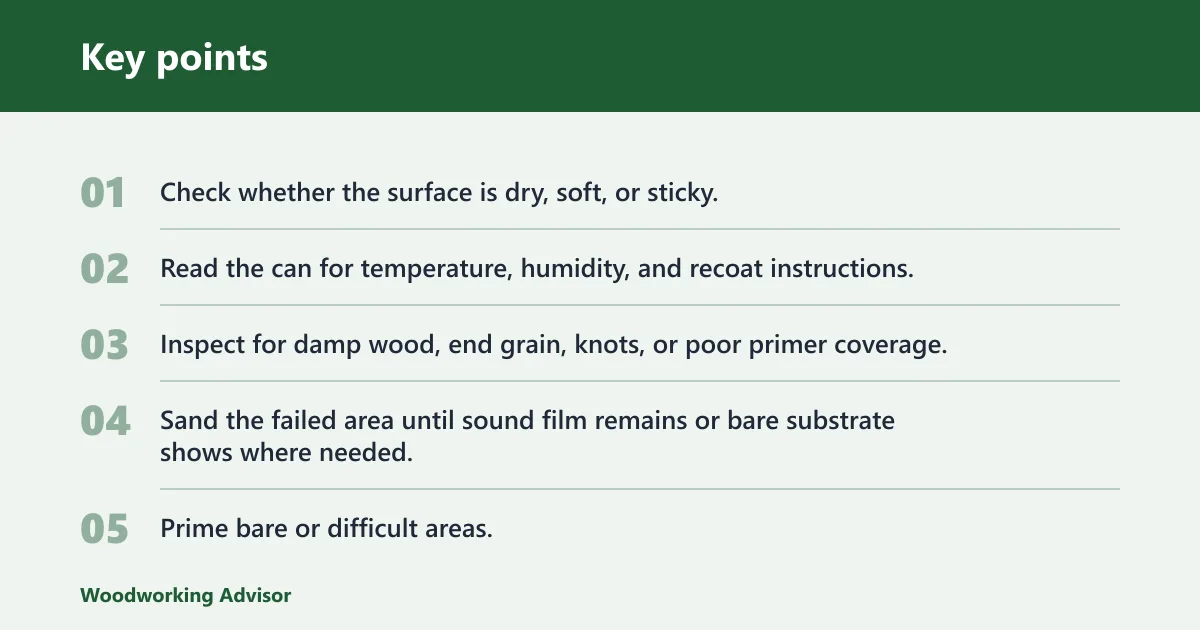
- Check whether the surface is dry, soft, or sticky.
- Read the can for temperature, humidity, and recoat instructions.
- Inspect for damp wood, end grain, knots, or poor primer coverage.
- Sand the failed area until sound film remains or bare substrate shows where needed.
- Prime bare or difficult areas.
- Recoat with thin passes and allow full dry time between coats.
Say your cabinet door gets a crack along the stile only after a damp night in an unheated room. That points more to moisture behind the film than to a bad topcoat alone, so drying the wood and re-priming the edge matters more than simply adding another layer.
How coating type changes the fix
Oil-based exterior paint can fail when it is applied too thick or recoated before the base layer has set. Acrylic craft paint often cracks from fast surface drying over a still-soft underlayer. Spray enamel is more sensitive to temperature, coat weight, and can distance.
Chalk paint can also crack when it dries if the coat is heavy or the surface was not prepared. A crackle medium is a different product entirely; it can dry in 30 minutes to 2 hours depending on thickness, and it can create either fine hairline lines or bold alligator texture. That product also warns against heavy water-based sealers on the effect.
Frequently asked questions
Why does paint crack when drying?
Paint cracks when the surface skins over before the lower layer finishes curing, so shrinkage tension opens the film. Thick coats, cold air, high humidity, and damp wood make that failure more likely. The right fix depends on whether the crack comes from wet film, trapped moisture, or weak adhesion.
Why does spray paint crack when drying?
Spray paint can crack when the pass is too heavy, the can is used outside the temperature range, or the next coat goes on before the first has set. Spray products dry fast at the surface, so cold air, hot sun, or a damp substrate can distort the film quickly.
Why does paint crack after drying?
If paint cracks after it seems dry, the issue is often hidden under the surface. The film may still be curing, the substrate may be moving, or moisture may be pushing from behind. That is common on wood, where end grain and knots create uneven drying and stress.
Why does acrylic paint crack when it dries?
Acrylic paint cracks when the top layer dries faster than the lower layer or when it is laid on too thick. Fast skinning can trap water below the surface, and the film splits as it shrinks. Thin coats and proper dry time between passes reduce that risk.
Why is my chalk paint cracking when it dries?
Chalk paint can crack when the coat is heavy, the surface was not cleaned well, or the piece was recoated too soon. On wood, poor sealing of end grain and weak primer adhesion can add to the problem. Sanding back and repainting with thinner coats is the usual repair.
What causes paint to crack instead of cure smoothly?
Paint cracks instead of curing smoothly when the film dries unevenly. A skin can form on top while the bottom stays soft, or moisture can sit behind the coating and push it apart. Dirt, gloss, and weak primer coverage also prevent the film from bonding evenly.
Sponsored / affiliate links. As an Amazon Associate I earn from qualifying purchases. I may earn additional commission from eligible campaigns.