Spar Varnish Dry Time and Temperature
At 50°F/10°C, many spar varnishes stay tacky 6–12 hours, need 12–24 hours before recoating, and may take 7–30 days to cure; below 50°F, expect those windows to stretch and follow the label. Rush the next coat or trap moisture, and you can get blush, wrinkling, soft film, or long-term adhesion failure. This guide breaks down touch-dry, recoat, and cure timing for cool weather, plus what to do if temperature, humidity, or airflow turn unfavorable after you apply it.
What spar varnish
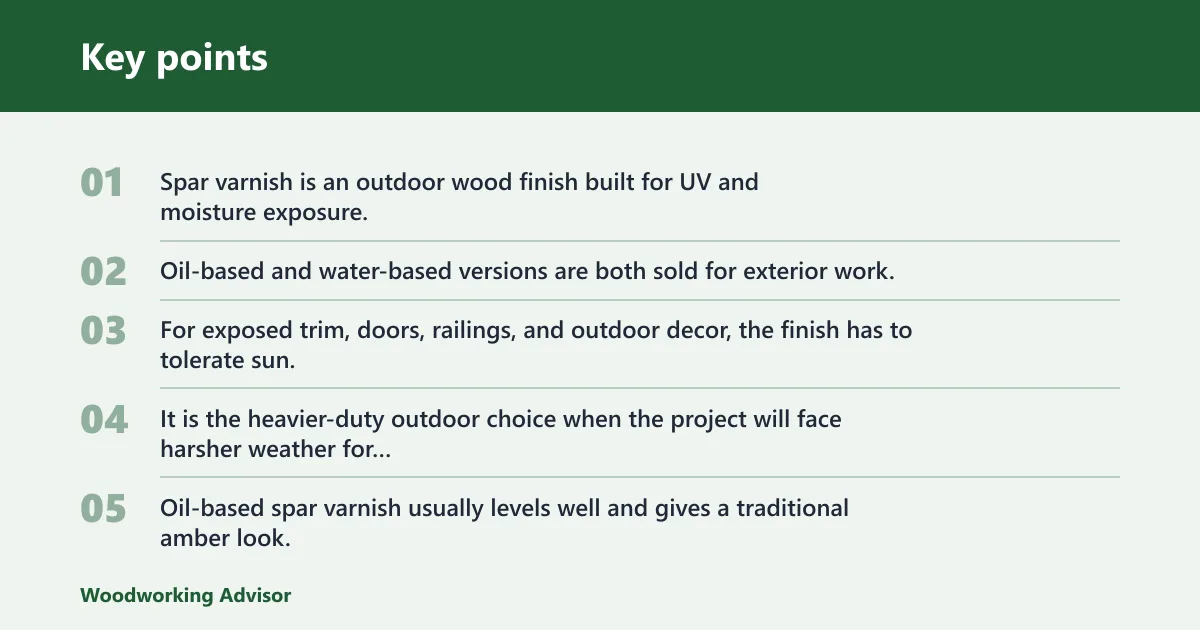


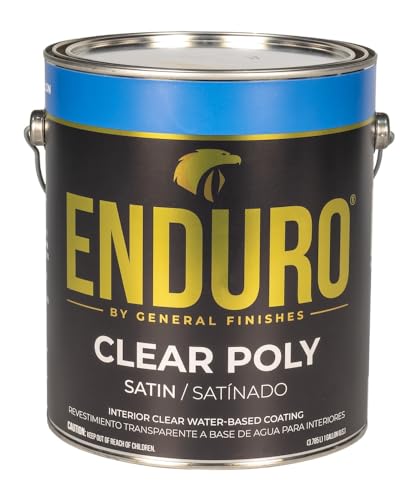
Spar varnish is an outdoor wood finish built for UV and moisture exposure, so it stays more flexible than many interior varnishes as wood moves with weather. Oil-based and water-based versions are both sold for exterior work, but the label matters because dry time, brushing behavior, and recoat timing differ by product.
For exposed trim, doors, railings, and outdoor decor, the finish has to tolerate sun, rain, and temperature swings. Marine spar varnish often fits best here. It is the heavier-duty outdoor choice when the project will face harsher weather for longer periods.
Oil-based versus water-based versions
Oil-based spar varnish usually levels well and gives a traditional amber look. Water-based spar varnish usually dries faster than oil-based products, but the margin can shrink in cold weather. A forum discussion on this point noted that the water-based version dries faster than alkyd varnish, but not by much in cold weather.
Use the can as the final word on minimum temperature and recoating. Product chemistry changes the schedule, but the room conditions change it too.
Spar varnish dry-time decision table
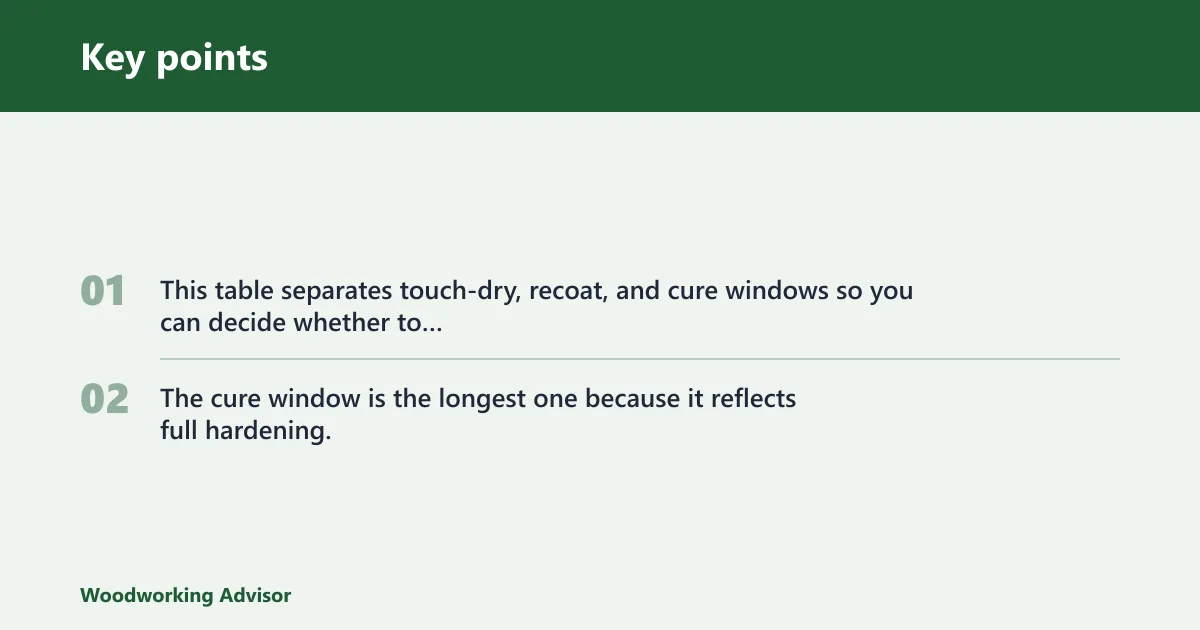
This table separates touch-dry, recoat, and cure windows so you can decide whether to coat, wait, warm the space, or stop. The cure window is the longest one because it reflects full hardening, not just a surface that feels dry.
| Ambient temperature band | Expected touch-dry / recoat / cure window | Recommended action |
|---|---|---|
| 70°F and warmer | Touch-dry may be around 2 hours for some spar urethane products; many spar varnishes still need 12 to 24 hours before recoating, with cure taking longer | Proceed only if the label allows it. Keep coats thin and watch for surface tack before sanding or recoating. |
| 65°F to 70°F | Working range for many jobs; touch-dry often falls in the low end of the label window, recoat still depends on the can, and cure remains several days or more | This is the safest practical zone for cool-weather work. Use thin coats, steady airflow, and let each coat reach label-ready dryness before the next one. |
| 50°F to 64°F | Touch-dry often stretches to 6 to 12 hours or more; recoat may need 12 to 24 hours or longer; cure can extend to 7 to 30 days | Expect slower evaporation and longer solvent release. If you can warm the space safely, do so before coating rather than after the film is already soft. |
| Below 50°F | Timing stretches further, and the film may stay soft much longer than expected | Stop if the label forbids application at that temperature. If the finish is already on the wood, keep the area warm, dry, and ventilated until the film firms up. |
How temperature changes timing
Temperature controls how fast solvents or water leave the film, so colder air slows both touch-dry and cure. Many labels set a minimum application temperature, and a practical working range sits around 65°F to 70°F for easier brushing and more predictable drying. Below the can temperature, drying slows enough that recoating too soon becomes a real risk.
One forum reply suggested allowing at least 24 hours for dry time to the touch and adding an extra 24 hours for each 10 degrees lower than the can. That is not a universal label rule, but it shows the direction of the problem: a small temperature drop can add a lot of waiting.
What happens when night temperatures drop after coating
If you coat in the afternoon and the temperature falls overnight, the film can stay soft long after the surface seems set. The top skin may feel dry while the lower layers keep moving, which raises the chance of dust pickup, wrinkling, or a weak bond with the next coat.
Suppose a door gets its first coat at 68°F, then the shop drops to 52°F after dark. The finish may feel handled by morning, but it may still need the full recoat window before sanding or another coat. In that case, warming the room gently is better than forcing the next step.
Does humidity slow spar varnish dry time?
Yes. Higher humidity usually slows drying and curing because the air holds less room for more vapor, so the film gives up moisture or solvent more slowly. Lower humidity speeds surface drying, but it can also make the top skin set before the lower film has settled, so fast is not always better.
Remodel or Move said spar varnish on a warm, humid day can cure in 24 to 48 hours, while cooler temperatures and higher humidity create a longer drying time. That lines up with the general rule: temperature and humidity work together, not separately.
When a dehumidifier helps
A dehumidifier helps when the room is closed, the finish is already on, and humidity is the main obstacle. It is most useful in a basement, enclosed porch, or temporary finishing area where you can control air moisture without introducing dust or outside air.
Keep the airflow moving past the work, not aimed straight at the wet surface. That lets the finish release vapor without skinning over too fast.
How long should you wait between coats?
Wait for the label’s minimum recoat time, then add extra margin in cool or humid conditions. Many products need at least 12 to 24 hours between coats in marginal weather, and some oil-based products need 8 to 12 hours at 75°F and 50% RH before sanding. A light sanding between coats improves grip if the surface has fully set.
Recoat too soon and the next layer can trap solvent in the lower film. That is when the finish may stay soft, haze, or wrinkle instead of building a hard coat.
How to tell if you recoated too soon
Common warning signs include a tacky drag under the brush, a dull patch that never levels, or a surface that fingerprints hours later. You may also see soft ridges where the brush passes overlap.
If that happens, stop adding more coats. Let the film sit longer, improve airflow, and sand only after the surface is firm enough to powder cleanly.
Spar varnish red flags
These conditions can turn a normal job into a slow one. If two or more appear at once, slow down and correct the environment before you apply another coat.
| Red flag condition | What it does | Troubleshooting step |
|---|---|---|
| High humidity | Slows evaporation and can keep the film tacky longer | Run a dehumidifier, wait for a drier day, or move the work to a controlled space. |
| Low ventilation | Traps fumes and slows solvent release | Open windows and doors if conditions allow, then add steady fan movement across the room. |
| Thick coats | Traps solvent, extends dry time, and raises sag risk | Sand lightly, then apply thinner coats and tip off puddles before they set. |
How to speed drying safely
You can speed spar varnish drying with air movement, drier air, and gentle warmth, but do not force the film with hot air or direct heat. The goal is even evaporation, not a skin that hardens before the body of the coat does. Good ventilation also reduces fumes while the finish dries.
Open windows and doors when weather allows, and use fans to keep air moving through the room. If the air is damp, add a dehumidifier. If the room is cool but otherwise dry, a modest temperature increase helps more than a strong blast of heat near the coated surface.
How to apply spar varnish in cool weather
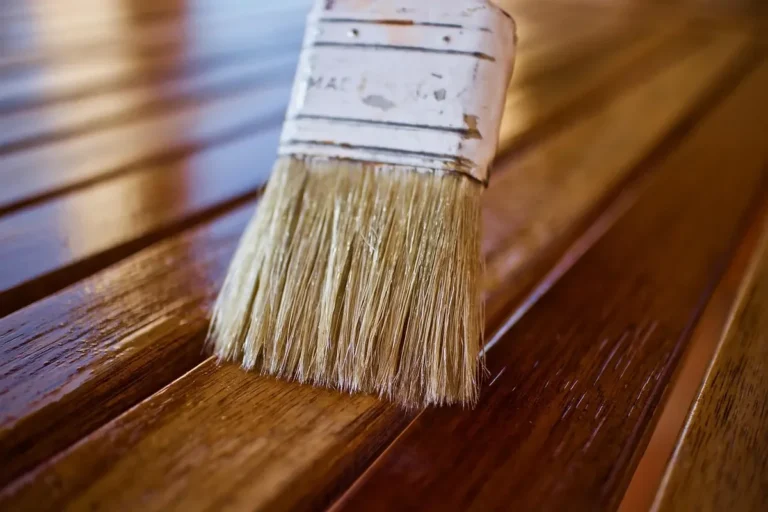
Start with a clean, dry surface, then brush on thin coats and keep the schedule realistic. On marginal days, a thin film is safer than a heavy one because it releases solvent faster and levels with less risk of sagging.
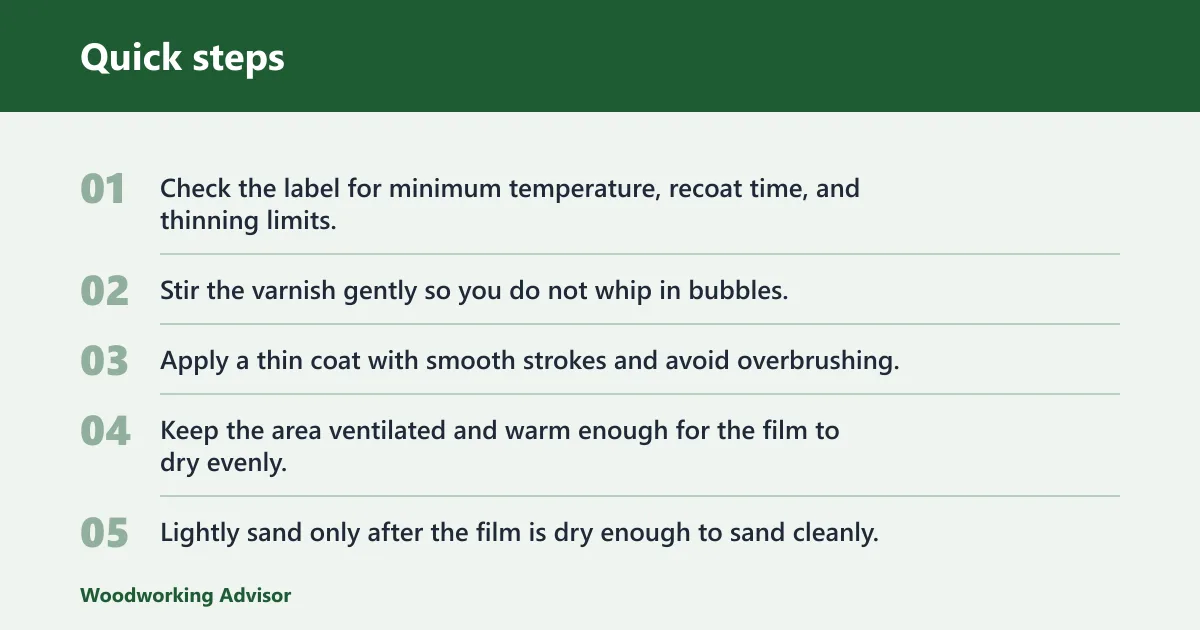
- Check the label for minimum temperature, recoat time, and thinning limits.
- Stir the varnish gently so you do not whip in bubbles.
- Apply a thin coat with smooth strokes and avoid overbrushing.
- Keep the area ventilated and warm enough for the film to dry evenly.
- Lightly sand only after the film is dry enough to sand cleanly.
- Recoat only when the surface is within the product’s stated window.
Picture a porch chair finished on a damp evening with a thick coat and no fan. The next morning the surface may still feel gummy, and dust can stick to it. The fix is not another coat; it is more time, better airflow, and thinner application next round.
How to thin spar varnish
Thin spar varnish only if the label allows it. Some products permit a small amount of thinner for brushing or first coats, while others do not want added solvent at all. Too much thinning can weaken the film and make the coat easier to damage, especially outdoors.
If the can allows thinning, use the listed solvent and stay within the stated ratio. Do not thin as a shortcut for cold weather; warmth and airflow are safer ways to help the finish dry.
Brush choice for cool-weather work
A foam brush can work for spar varnish, and it is a practical throwaway option for small jobs or awkward corners. The drawback is that the paper core can become soggy over time, so it fits short work sessions better than long, repetitive coating runs.
The forum discussion also noted that foam brushes may not be worth cleaning. For longer work, a quality bristle brush or a fresh foam brush is often the cleaner choice.
Should you use marine spar varnish for outdoor projects?
Use marine spar varnish when the project will see harsher outdoor exposure, such as exposed decor, trim, or parts that get repeated sun and moisture. For a sheltered project, standard spar varnish may be enough if the label fits the conditions. The more direct the weather exposure, the more useful the marine version becomes.
That recommendation is about duty level, not marketing. If the wood faces hard weather, choose the tougher outdoor-duty product first and then work within its label limits.
Frequently asked questions
How long does spar varnish take to dry in cold weather?
Cold weather stretches every stage. At 50°F/10°C, many spar varnishes stay tacky 6–12 hours, need 12–24 hours before recoating, and may take 7–30 days to cure. Below that, the windows get longer, so the label becomes more important than any generic rule.
What is the lowest temperature to apply spar varnish?
Use the can’s minimum application temperature as the final limit. A forum user said they had applied thick finishes down to 50 degrees, but also recommended 65 degrees at least. The safer working range is around 65°F to 70°F unless the product label says otherwise.
How long should spar varnish dry between coats?
Use the product’s recoat interval, then add more time in cool or humid conditions. A forum reply suggested at least 24 hours for dry time to the touch and another 24 hours for each 10 degrees below the can. Some oil-based products need 8 to 12 hours at 75°F and 50% RH before sanding.
Can you speed up spar varnish drying time?
Yes, but only with controlled changes: more airflow, lower humidity, and gentle warmth. Open windows and doors when practical, use fans to move air, and run a dehumidifier in a closed room. Avoid hot, direct heat, which can skin the surface and trap softness underneath.
Is spar varnish dry to the touch before it cures?
Yes. Dry to the touch means the surface no longer feels tacky, but cure means the film has hardened much more fully. A finish can feel dry and still be far from cured, which is why recoating too soon can cause soft film, wrinkling, or poor adhesion.
Does water based spar varnish dry faster than oil based?
Usually, yes, but the gap is product-dependent and smaller in cold weather. The forum discussion noted that water-based varnish dries faster than alkyd varnish, though not by much in cold weather. Always check the label, because the labeled recoat window still controls the schedule.
Sponsored / affiliate links. As an Amazon Associate I earn from qualifying purchases. I may earn additional commission from eligible campaigns.