Dark Walnut Vs Espresso: Which Wood Stain Looks Better?
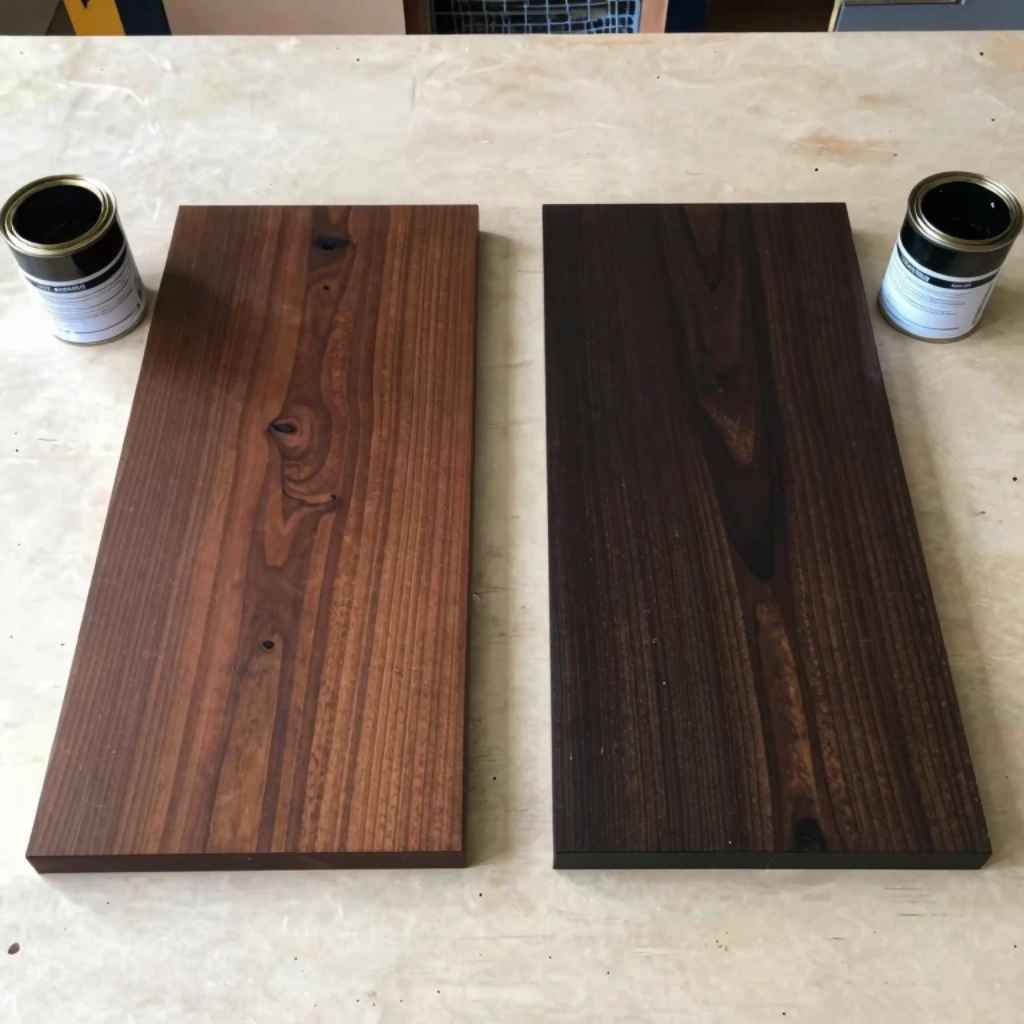
The main difference between dark walnut and espresso wood stain lies in their undertones and intensity. Dark walnut often has warmer, redder or browner undertones, while espresso tends to be a deeper, almost black-brown with cooler, sometimes greyish undertones. Both create a rich, dark look but offer distinct aesthetics for different design styles.
Understanding Dark Walnut Stain
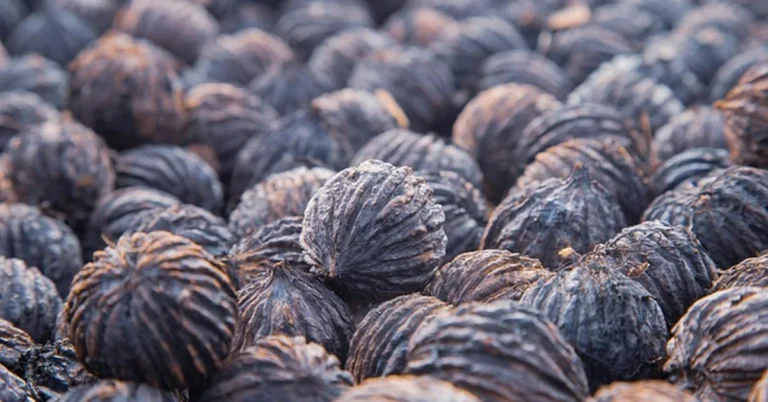
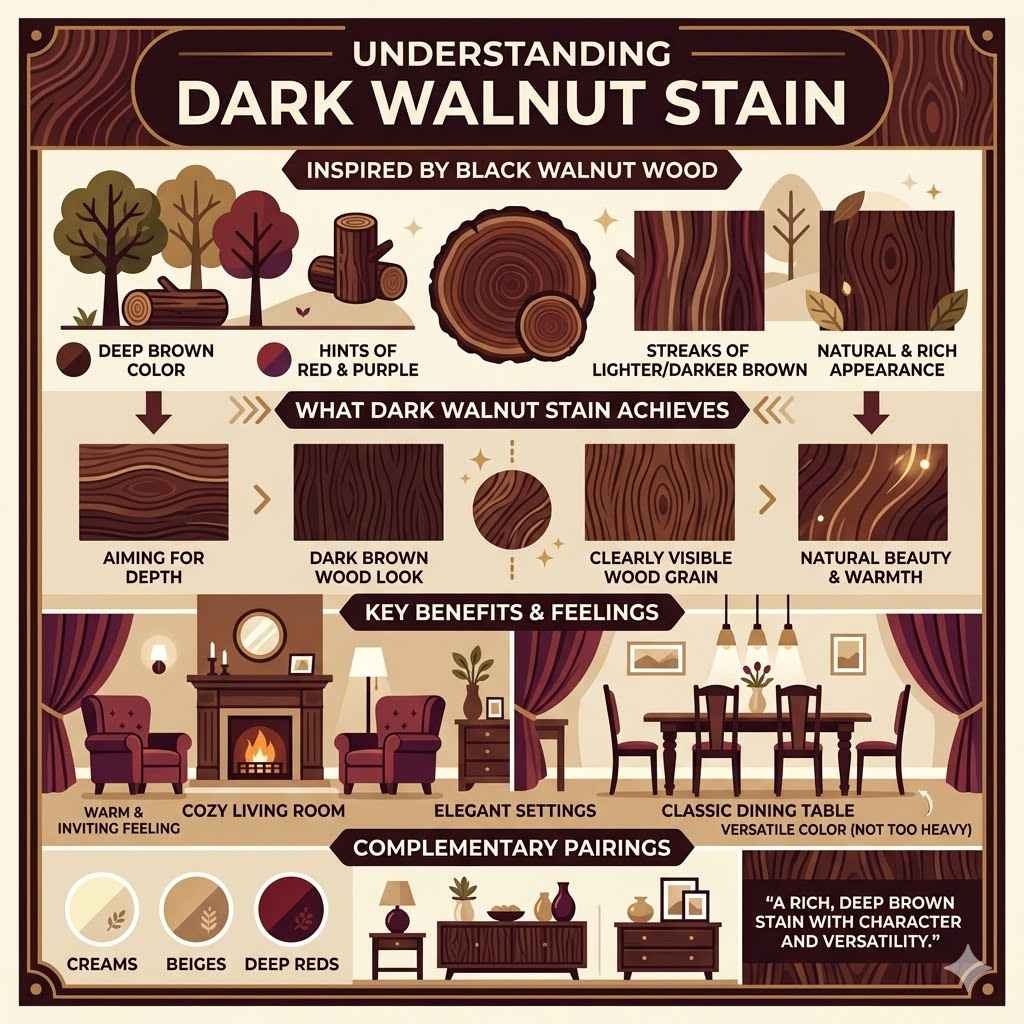
Dark walnut stain is inspired by the natural color of black walnut wood. This wood is known for its beautiful, deep brown color. It often has hints of red or purple.
Sometimes, you can see streaks of lighter or darker brown. This gives it a very natural and rich appearance.
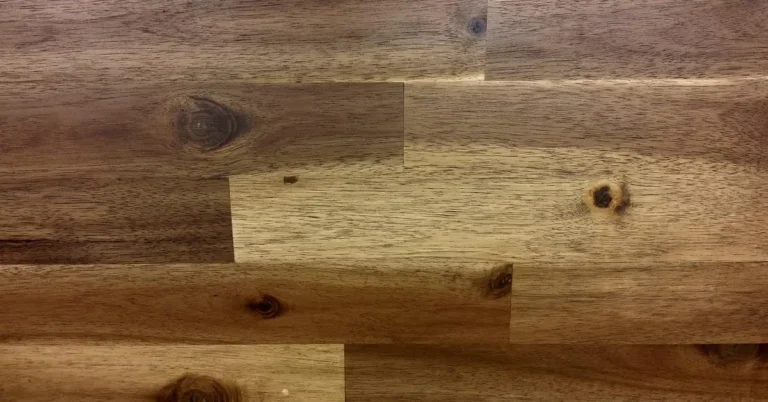
When you use dark walnut stain, you’re aiming for that kind of depth. It’s a dark brown, but it still looks like wood. You can usually see the wood grain clearly.
This is a big plus if you love the natural beauty of wood. It feels warm and inviting.
Think about cozy living rooms or classic dining tables. Dark walnut works well in these settings. It pairs nicely with other warm colors like creams, beiges, and deep reds.
It’s a versatile color that doesn’t feel too heavy. It has a bit of life in its undertones.
If you’re weighing Dark Walnut against a warmer alternative, see how it compares to Kona stain for undertone and dry-time differences.
Characteristics of Dark Walnut
- Warm Undertones: Often shows red, purple, or rich brown tones.
- Natural Appearance: Highlights wood grain, looking like real walnut wood.
- Versatility: Works well in many different room styles.
- Inviting Feel: Creates a warm and cozy atmosphere.
Many people choose dark walnut because it feels classic. It’s not a stark black, but it’s definitely dark. It offers a sophisticated look without being too formal.
It’s a favorite for furniture makers and DIYers alike. It’s like the perfect dark chocolate of wood stains.
Dark Walnut: Key Features at a Glance
Color Family: Rich Brown
Undertones: Warm (Red, Purple, Deep Brown)
Best For: Furniture, cabinets, flooring where a natural, warm dark wood is desired.
Feel: Classic, inviting, sophisticated.
When you look at samples, dark walnut stain often has a slightly reddish or purplish cast. This is what gives it that natural, organic feel. It’s less about a uniform dark color and more about depth and character.
The grain of the wood shows through beautifully.
I remember staining a coffee table a few years back. I wanted something rich but not too dark. I tested a few stains.
The dark walnut stain just popped. It made the oak wood look so much more expensive and deep. It felt like a real furniture piece.
Exploring Espresso Stain
Espresso stain is named after the deep, dark color of espresso coffee. This stain is typically much darker than dark walnut. It often leans towards a very deep, almost blackish brown.
It can sometimes have cooler undertones, like hints of grey or blue, compared to the warmer tones of walnut.
If you’re going for a modern, sleek, or dramatic look, espresso might be your choice. It offers a very strong color statement. It can make wood surfaces look very contemporary.
It’s a bold choice that can really transform a piece of furniture or a room.
Think of minimalist interiors or high-contrast designs. Espresso works well here. It can look striking against white walls or lighter colored furniture.
It’s a sophisticated dark color that doesn’t have as much visible grain variation as some other dark stains. It aims for a more uniform, deep finish.
What Makes Espresso Unique
- Deep, Intense Color: Very dark brown, often close to black.
- Cooler Undertones: Can have hints of grey or blue.
- Modern Look: Creates a sleek and contemporary feel.
- Bold Statement: Makes a strong visual impact.
Espresso Stain: The Darkest Shade
Color Family: Deep Brown/Black-Brown
Undertones: Cooler (Grey, Blue, or Black-Brown)
Best For: Modern furniture, kitchen cabinets, accent pieces where a dramatic, dark finish is desired.
Feel: Modern, sleek, dramatic, sophisticated.
When I first started working with wood stains, espresso seemed almost too dark to me. I worried it would hide all the wood’s natural beauty. But I learned that on certain woods, like maple or birch, it can create a stunning, uniform dark finish.
It’s like a polished dark stone.
I remember seeing a kitchen island redone with espresso cabinets. It totally changed the room. It felt so much more high-end and polished.
The dark cabinets contrasted beautifully with a light countertop. It was a brave choice that paid off really well.
The key with espresso is that it’s about the depth of the color itself. It’s a very solid, rich darkness. You might not see as much of the wood grain as you would with dark walnut.
This can be exactly what someone is looking for if they want a clean, modern vibe.
Dark Walnut vs. Espresso: The Visual Differences
Let’s put them side-by-side in our minds. Imagine a swatch of dark walnut. You see a deep brown.
But lean in, and you might catch a hint of red or a warm purple. The wood grain lines are clear and varied. It feels alive.
Now, picture an espresso swatch. It’s a dense, dark brown. It’s so dark it might almost look black from a distance.
If you look closely, you might see a cool undertone, a touch of grey. The grain might be there, but it’s subdued by the intense color.
This is the core difference. Dark walnut is warm and rich, with visible wood character. Espresso is cool and deep, aiming for a bold, uniform dark finish.
Neither is better than the other; they just offer different looks and feelings for your space.
Contrast Matrix: Dark Walnut vs. Espresso
| Feature | Dark Walnut Stain | Espresso Stain |
|---|---|---|
| Primary Color | Deep Brown | Very Deep Brown / Black-Brown |
| Undertones | Warm (Red, Purple, Rich Brown) | Cooler (Grey, Blue, Black) |
| Wood Grain Visibility | High, varied | Lower, more subdued |
| Overall Feel | Warm, classic, natural | Modern, sleek, dramatic |
| Best For | Traditional, rustic, transitional styles | Contemporary, minimalist, high-contrast styles |
The type of wood you are staining also plays a big role. Oak wood, for example, has a very prominent grain. Dark walnut will make that grain pop with warmth.
Espresso on oak might mute the grain a bit more, creating a solid dark surface with texture.
Pine wood is lighter and has a softer grain. Both stains will darken it significantly. Dark walnut might bring out a nice honeyed tone within the dark brown.
Espresso on pine will give it a very dramatic, almost painted-on dark look. The pine grain will still show, but it will be a very deep shade.
Factors to Consider When Choosing
So, how do you pick the one that’s right for you? It’s not just about liking the color. You need to think about your space and your style.
1. Your Home’s Style
What is the overall feel of your home? Is it cozy and traditional? Then dark walnut might be a perfect fit.
It complements classic furniture and warmer color palettes. Think of comfortable spaces where people gather.
If your home is more modern and minimalist, espresso might be the better choice. It aligns with clean lines and bold statements. It can add a touch of drama without being overwhelming.
It works well in spaces designed for a sleek look.
Style Match: Quick Guide
For Traditional & Cozy:
Dark Walnut
Rustic Charm
Warm Accents
For Modern & Sleek:
Espresso
Clean Lines
Bold Contrast
2. The Wood Type
As we touched on, the wood matters a lot. Some woods have a naturally beautiful grain. You might want to show that off with a stain that lets the grain shine, like dark walnut.
Other woods have a more subtle grain. Or perhaps you want a very uniform color. In these cases, a deep stain like espresso can create a stunning effect.
It can make less remarkable woods look very high-end.
I found this out when I tried to stain a piece of poplar. Poplar can be a bit blotchy. Dark walnut had a tendency to make the blotchiness more obvious.
Espresso, however, gave it a more uniform dark look that was quite appealing.
3. Existing Decor and Colors
Look around your room. What colors are already there? Dark walnut’s warm tones will play well with reds, oranges, and yellows.
It can also look great with greens and blues. It’s a forgiving color that blends well.
Espresso’s cooler tones might pair better with greys, silvers, and cooler blues. It can create a striking contrast with bright whites and even some vibrant jewel tones. Think about the overall color story you want to tell.
It’s like choosing an outfit. Does the new piece of furniture need to match existing colors or create a contrast? Both stains can work, but they will create very different moods.
4. Lighting in the Room
Light plays a huge role in how colors appear. A room with lots of natural light might handle a very dark espresso without feeling too dim. The light will bounce off the surface, showing its depth.
In a room with less light, dark walnut might feel warmer and cozier. Espresso could make the room feel smaller or darker if not balanced with other light sources or colors.
I learned this the hard way. I stained a bookshelf espresso for a client’s basement den. It was a bit too dark for the limited light.
We ended up having to add more accent lighting to make it feel welcoming. With dark walnut, it might have felt cozy instead of cave-like.
5. Personal Preference
Ultimately, the best choice is the one you love the most. Which color makes you feel happier when you look at it? Which one feels more “you”?
Don’t be afraid to trust your gut.
It’s your space, your furniture. You’ll be looking at it every day. So, pick the dark wood stain that brings you the most joy and fits your vision best.
Quick Decision Helper
Ask Yourself:
- Do I want warm or cool undertones?
- How much wood grain do I want to see?
- What is the overall style of my home?
- What colors are already in the room?
- How is the lighting in the space?
Achieving the Best Finish
No matter which stain you choose, the application process is key. A good finish makes a big difference. This is where expertise comes in handy.
Preparation is Key
This is the most important step! All wood needs to be sanded smooth. Start with a medium grit sandpaper (like 120) and work your way up to a fine grit (like 220).
You want the surface to be perfectly smooth for the stain to absorb evenly.
Wipe away all the dust with a tack cloth or a damp rag. Any dust left behind will show up in your stain. It’s like trying to paint a dusty surface – it won’t look good.
Pre-Stain Conditioners
For some woods, especially softer ones like pine or maple, a pre-stain wood conditioner is a lifesaver. It helps the wood absorb the stain more evenly. Without it, you can get blotchy patches.
This is super common and makes the wood look uneven.
Apply the conditioner according to the product’s instructions. Let it dry for the recommended time. Then, you’re ready to stain.
This step really helps get that smooth, professional look, whether you’re using dark walnut or espresso.
Applying the Stain
Stain is usually applied with a brush, cloth, or foam applicator. Work in small sections. Apply the stain evenly in the direction of the wood grain.
Let the stain sit on the wood for a few minutes. The longer it sits, the darker the color will be. Check it often to see if you’re getting the shade you want.
Different brands and types of stain will have different drying and soaking times.
Once you’re happy with the color, wipe off the excess stain. Use a clean, lint-free cloth. Wipe with the grain.
This is what reveals the wood grain and gives you the final look.
Multiple Coats
If you want an even darker color, you can apply a second coat of stain. Let the first coat dry completely. Then apply the second coat and wipe off the excess.
Always test on a scrap piece of the same wood first.
Testing is so important. I once stained a whole dresser thinking I knew the color. It turned out much darker than I expected.
If I had tested it first, I would have known. Always test! It saves so much heartache.
Application Tips for Dark Stains
1. Prep Thoroughly: Sand smooth, then clean all dust.
2. Use a Conditioner: Especially helpful for soft or blotchy woods.
3. Work in Sections: Apply, soak, and wipe evenly.
4. Test First: Always stain a scrap piece of the same wood.
5. Wipe Off Excess: Crucial for revealing grain and controlling depth.
Sealing Your Work
After the stain is dry, you need to seal it. This protects the wood and the stain. It also gives you the final sheen, whether it’s matte, satin, or glossy.
Polyurethane, varnish, or a clear topcoat are common choices. Apply thin, even coats. Lightly sand between coats with very fine sandpaper (like 320 or 400 grit) for a super smooth finish.
Wipe away dust before applying the next coat.
This final step locks in the color. It makes your beautiful dark walnut or espresso finish last for years. It also protects against spills and wear and tear.
Real-World Scenarios
Let’s look at some common places where these stains are used and how they perform.
Kitchen Cabinets
Kitchen cabinets are a big investment. Dark walnut can give a kitchen a warm, inviting feel. It pairs well with natural stone countertops or white subway tiles.
It’s a classic choice that doesn’t go out of style quickly.
Espresso cabinets create a very modern and dramatic kitchen. They look stunning with white quartz or marble countertops. They can also work with contrasting wood tones or metal accents.
They make a bold statement in a high-traffic area.
From my experience, espresso cabinets can show fingerprints and smudges more easily than dark walnut, especially in a busy kitchen. So, consider how much cleaning you’re willing to do. A good quality topcoat helps a lot, though.
Furniture Projects
When refinishing an old dresser or building a new bookshelf, the stain choice is crucial. Dark walnut can give an antique piece a refreshed, richer look. It makes it feel more luxurious and traditional.
Espresso can transform a basic piece of furniture into a modern showstopper. A simple pine table stained espresso can look like an expensive designer piece. It’s great for adding a pop of deep color to a room.
I once refinished an old oak dining table with dark walnut. It was amazing. The old, faded wood looked brand new, but with a depth of color that felt historic and rich.
It became the centerpiece of the dining room.
Flooring
Staining hardwood floors is a significant project. Dark walnut floors can create a warm, elegant foundation for any room. They work with a wide range of decor styles.
They make a space feel grounded and sophisticated.
Espresso floors are very dramatic. They make a strong design statement. They can make a room feel modern and chic.
However, dark floors, especially very dark ones like espresso, can show dust and scratches more readily than lighter or medium tones.
When considering flooring, think about the traffic in your home. A busy household with kids and pets might benefit from the slightly more forgiving nature of dark walnut, where minor imperfections are less visible than on a stark espresso floor.
Accent Pieces
Sometimes, you just want a small pop of dark color. A picture frame, a small side table, or even a decorative bowl can be stained dark. Dark walnut adds warmth.
Espresso adds a touch of modern drama.
These small projects are great for testing out stains. You can experiment with both dark walnut and espresso on small items before committing to a larger piece. It helps you see how they look in your home’s light.
Choosing for Different Wood Species
On Oak:
- Dark Walnut: Enhances grain, warm and rich.
- Espresso: Deep, strong color, mutes grain slightly.
On Pine:
- Dark Walnut: Warm, can highlight some natural yellow tones.
- Espresso: Very dramatic, almost black, uniform look.
On Maple:
- Dark Walnut: Smooth, rich color, subtle grain.
- Espresso: Intense, sophisticated, sleek finish.
When is Dark Walnut Better?
You might lean towards dark walnut when:
- You want a warm, inviting feel.
- You love seeing the natural wood grain.
- Your decor is traditional, rustic, or transitional.
- You want a color that’s dark but not too heavy.
- You’re working with woods that have beautiful, prominent grain patterns.
In my experience, dark walnut is often the “safer” choice for many homes. It’s versatile and forgiving. It brings a timeless elegance.
It doesn’t demand a specific style. It just enhances the beauty of the wood itself.
When is Espresso Better?
You might prefer espresso when:
- You desire a modern, sleek, or dramatic look.
- You want a deep, almost black-brown color.
- Your decor is contemporary or minimalist.
- You want a strong color statement that contrasts with lighter elements.
- You’re staining woods like maple or birch where a uniform, dark finish is desired.
Espresso is for those who want to make a bold statement. It’s for people who appreciate the power of deep, dark colors in design. It can feel very sophisticated and high-end.
Common Concerns and How to Address Them
Sometimes people worry about dark stains. Let’s address those common concerns.
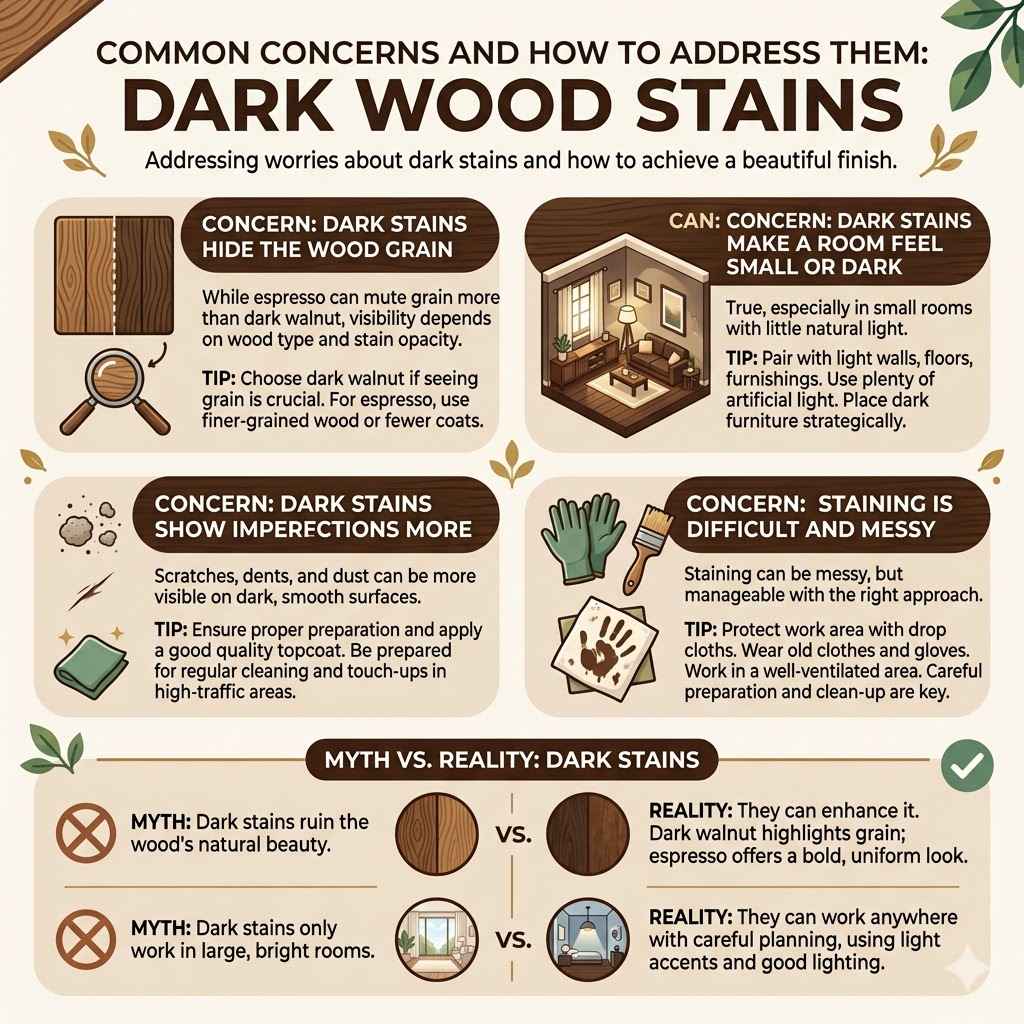
Concern: Dark stains hide the wood grain.
While espresso can mute grain more than dark walnut, the extent depends on the wood type and the stain’s opacity. If seeing grain is crucial, dark walnut is usually a better choice. For espresso, consider woods with finer grain or apply fewer coats for a slightly less opaque finish.
Concern: Dark stains can make a room feel small or dark.
This is true, especially in small rooms with little natural light. To combat this, pair dark wood pieces with light-colored walls, floors, and furnishings. Use plenty of artificial light.
For furniture, place dark pieces strategically rather than having them dominate the space.
I remember a client who wanted dark walnut floors in their small apartment. It looked beautiful, but the room did feel a bit darker. We added a large mirror and lighter rugs to balance it out.
It made a big difference.
Concern: Dark stains show imperfections more.
This can be true. Small scratches, dents, or dust can be more visible on dark, smooth surfaces. Proper preparation and a good quality topcoat are essential.
For high-traffic areas like floors or tabletops, consider a durable topcoat and be prepared for regular cleaning and occasional touch-ups.
Concern: Staining is difficult and messy.
Staining can be messy, but it’s manageable with the right approach. Protect your work area with drop cloths. Wear old clothes and gloves.
Work in a well-ventilated area. Careful preparation and clean-up make the process much smoother.
Concern: My stain dried a different tone or darker than I wanted.
This is more common with dark, saturated stains like these two. If you catch it before the stain fully cures, you can wipe some of it back off with a clean rag and mineral spirits to lighten the color. Once dry, a semi-transparent glaze can nudge the tone warmer or cooler after the fact. And on blotch-prone woods like pine or maple, a gel stain (which sits on the surface rather than soaking in) gives more even, predictable color than a liquid stain in either dark walnut or espresso.
Myth vs. Reality: Dark Stains
Myth: Dark stains ruin the wood’s natural beauty.
Reality: They can enhance it. Dark walnut highlights grain; espresso offers a bold, uniform look.
Myth: Dark stains only work in large, bright rooms.
Reality: They can work anywhere with careful planning, using light accents and good lighting.
Frequently Asked Questions
Can I use dark walnut stain on pine wood?
Click to expand
Yes, you absolutely can! Dark walnut stain on pine wood can create a beautiful, rich finish. Pine is a softer wood and might absorb stain a bit differently than hardwoods like oak.
It’s a good idea to use a pre-stain wood conditioner on pine before applying dark walnut stain. This helps ensure an even color and prevents blotchiness. The resulting color will be a warm, deep brown, though the pine’s natural grain will still be visible.
Will espresso stain look good on my oak furniture?
Click to expand
Espresso stain can look fantastic on oak furniture, giving it a modern and sophisticated appeal. Oak has a prominent grain, and espresso stain will darken it significantly, creating a bold, deep color. The grain will still be visible, but it will be more subdued by the intense color.
If you’re aiming for a sleek, contemporary look, espresso on oak is a popular and effective choice. Remember to prepare the oak surface well for best results.
How many coats of dark stain are usually needed?
Click to expand
For most dark stains like dark walnut and espresso, one coat is often enough to achieve a deep color, especially on lighter woods. However, the number of coats needed depends on the wood type, the specific stain formula, and your desired darkness. If you want an even deeper, more intense color, you can apply a second coat.
Always allow the first coat to dry thoroughly and test on a scrap piece of wood to see how multiple coats affect the final shade.
Is dark walnut stain warmer than espresso?
Click to expand
Yes, generally speaking, dark walnut stain is considered warmer than espresso stain. Dark walnut typically has red, purple, or rich brown undertones, giving it a cozy and inviting feel. Espresso stain, on the other hand, tends to be a deeper, darker brown that can lean towards cooler undertones like grey or black.
So, if warmth is your priority, dark walnut is the better choice.
How do I prevent blotchiness when staining dark walnut?
Click to expand
Preventing blotchiness when staining with dark walnut is crucial, especially on woods like pine, maple, or birch. The best way to avoid blotchiness is to use a high-quality pre-stain wood conditioner. Apply it evenly according to the product’s instructions, let it dry for the recommended time, and then apply your dark walnut stain.
Proper sanding and wiping away all dust before staining also help ensure an even finish.
What’s the difference in undertones between dark walnut and espresso?
Click to expand
The difference in undertones is a key distinction. Dark walnut stain usually exhibits warm undertones, such as reddish, purplish, or deep brown hues. This gives it a rich, natural appearance.
Espresso stain typically has cooler undertones, often appearing as a very deep brown with hints of grey or even black. This makes espresso look more modern and less overtly warm than dark walnut.
Conclusion
Choosing between dark walnut and espresso wood stain comes down to the look you’re trying to achieve. Dark walnut offers a warm, classic beauty with visible wood grain. Espresso provides a deep, modern drama with a more uniform finish.
Both are fantastic choices for adding depth and style to your projects. Consider your home’s style, the wood type, and your personal taste. With careful preparation and application, either stain can transform your furniture and spaces beautifully.
Sponsored / affiliate links. As an Amazon Associate I earn from qualifying purchases. I may earn additional commission from eligible campaigns.