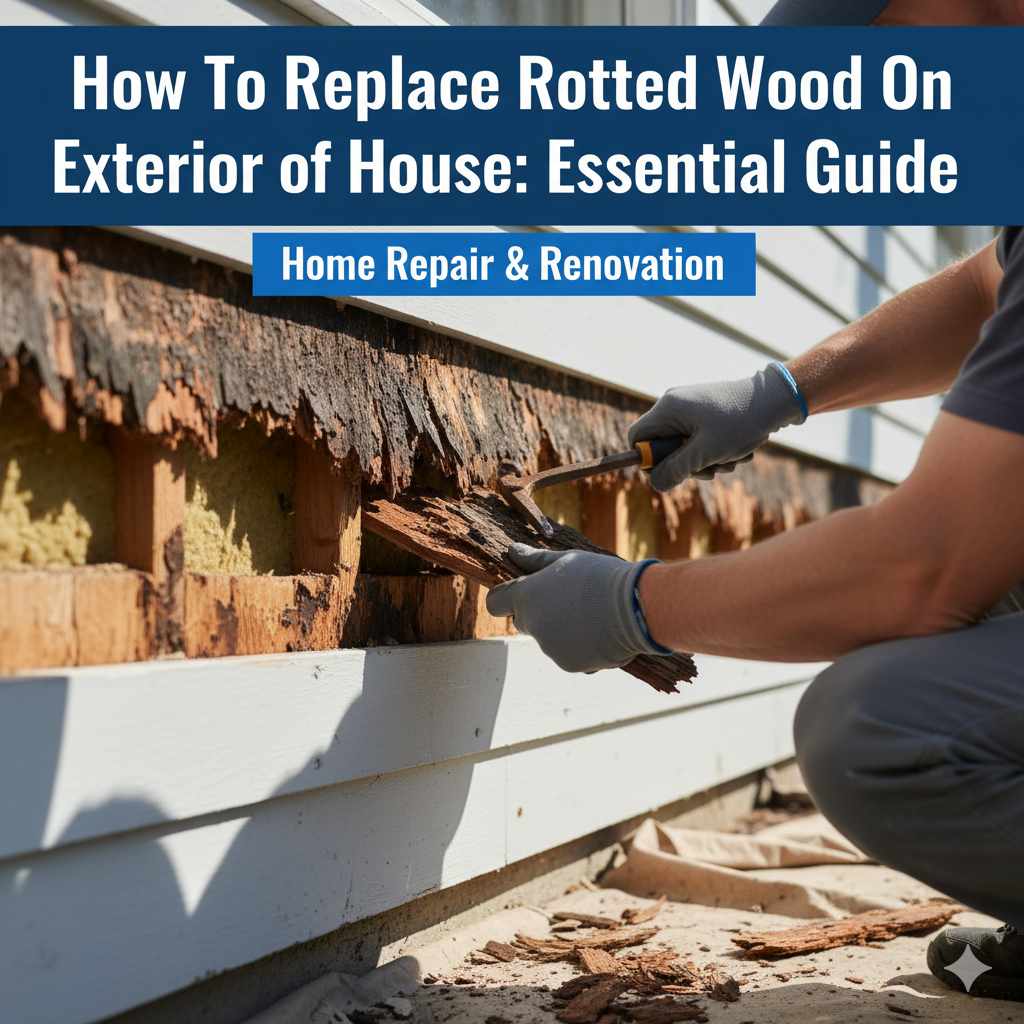
How To Replace Rotted Wood On Exterior Of House: Essential Guide
Replacing rotted wood on your house exterior is a manageable DIY project. Find the rot, remove it carefully, prepare the area, and then install new wood or epoxy filler. Proper sealing and painting will protect your repair and your home’s structure.
Seeing soft, crumbly wood on your home’s exterior is disheartening. It’s a common problem, especially in damp climates, and if left unchecked, it can lead to bigger structural issues and costly repairs. But take a deep breath! You don’t always need a professional to tackle this. With the right tools and a little patience, you can learn how to replace rotted wood on the exterior of your house and restore your home’s beauty and integrity. This guide will walk you through each step, making the process clear and achievable.
Understanding Wood Rot and Why It Happens
Wood rot, often called decay, is essentially a fungus breaking down the wood fibers. It thrives in moist environments. Think of it as nature’s way of recycling, but not when it’s happening to your home’s siding, trim, or deck. Several factors contribute to wood rot:
- Moisture: This is the biggest culprit. Leaky gutters, poor drainage, splashing from sprinklers, or even condensation can keep wood wet for extended periods.
- Lack of Ventilation: Trapped moisture can’t evaporate, creating ideal conditions for fungal growth.
- Poor Maintenance: Peeling paint, cracked caulk, or damaged finishes leave wood exposed to the elements.
- Plant Contact: Vines or shrubs growing too close to your house can trap moisture against the wood.
- Sapwood: The outer layers of a tree (sapwood) are softer and contain more nutrients for fungi, making them more susceptible to rot than the heartwood.
By understanding what causes it, you can take steps to prevent future rot even as you repair existing damage. For more on wood-decaying fungi, the University of New Hampshire Extension offers some excellent insights.
Identifying Rotted Wood: What to Look and Feel For
Spotting rot early is key to a simple repair. You’ll often find it in areas prone to moisture, such as near the ground, around windows and doors, and under eaves.
Signs of Rot:
- Softness and Sponginess: The wood will feel mushy or spongy when you press it with a screwdriver or your finger.
- Crumbly Texture: Instead of a clean break, rotted wood will crumble into small pieces.
- Discoloration: Areas of rot might appear darker, gray, or black compared to the surrounding healthy wood.
- Holes or Pitting: Insect activity often follows wood rot, creating small holes. But rot itself can cause pitting.
- Fungal Growth: In advanced cases, you might see white, brown, or even mushroom-like fungal growths on the surface.
- Peeling Paint: Paint may start to blister or peel in areas where the wood underneath is decaying.
A good tool for testing is a simple flathead screwdriver. Gently probe any suspicious areas. If the screwdriver sinks in easily or the wood breaks apart, you’ve likely found rot.
Essential Tools and Materials
Gathering your supplies before you start will make the process smoother and safer. Here’s a list of what you’ll need:
Tools:
- Safety Glasses and Work Gloves
- Putty Knife or Scraper
- Chisel (1-inch or wider recommended)
- Hammer
- Screwdriver (flathead, for testing and removal)
- Wire Brush
- Orbital Sander or Sandpaper (various grits: 80, 120, 220)
- Utility Knife
- Paint Scraper
- Caulking Gun
- Drywall Saw or Reciprocating Saw (for larger areas)
- Fine-tipped Paintbrush (for primer/sealer)
- Regular Paintbrushes
- Vacuum or Blower
Materials:
- Wood Hardener/Sealer
- Wood Filler (exterior grade, stainable/paintable) OR Wood Epoxy System
- Exterior Wood Glue (if joining pieces)
- Exterior Primer
- Exterior Paint
- Caulk (paintable, exterior grade)
- Replacement Wood (if needed – match type and size of existing)
- Rags
- Denatured Alcohol or Mineral Spirits (for cleaning)
Choosing the right wood filler or epoxy is important. For small to medium repairs, a good exterior wood filler works well. For larger, structural repairs, a two-part wood epoxy system offers superior strength and durability. Brands like Bondo or APV offer reliable products for these types of repairs.
Step-by-Step Guide: How to Replace Rotted Wood
Let’s get to work! Follow these steps carefully to remove the rot and repair the damaged area.
Step 1: Safety First!
Always wear safety glasses to protect your eyes from flying debris and wood chips. Wear gloves to protect your hands. If you are working at height, ensure you have a stable ladder and consider a harness.
Step 2: Remove Damaged Wood
Using your screwdriver, chisel, putty knife, or even a utility knife, carefully dig out all the rotted wood. You need to get down to the solid, sound wood underneath. Work outwards from the center of the rot until you reach firm material. For larger areas, you might need a drywall saw or a reciprocating saw to cut away the compromised section.
Don’t be afraid to remove a little extra to ensure you’ve got all the rot. It’s better to remove a bit more healthy wood than to leave even a small pocket of rot behind.
Step 3: Clean the Area
Once all the rotted wood is removed, use a wire brush to clean the exposed surface. This removes any remaining loose fibers or fungi. Then, use a vacuum or blower to get rid of all the dust and debris. For a deeper clean, you can wipe the area down with a rag dampened with denatured alcohol or mineral spirits, allowing ample time to dry completely. A clean surface is crucial for the repair materials to adhere properly.
Step 4: Apply Wood Hardener/Sealer
This step is critical, especially for porous or slightly decayed wood that remains after cleaning. Apply a wood hardener or sealer according to the product’s instructions. This product soaks into the wood, strengthening the fibers and giving the filler or epoxy something solid to bond to. It also helps seal the wood against future moisture intrusion. Let it dry completely, which can take anywhere from a few hours to a full day depending on the product and conditions.
You can find a wide variety of wood hardeners and sealers at your local hardware store or online. Look for products specifically designed for exterior wood repair.
Step 5: Prepare for Filler or Replacement Wood
Option A: Using Wood Filler or Epoxy
If the void left by the rotted wood is relatively small and doesn’t require structural replacement, wood filler or epoxy is a great choice. Mix your two-part epoxy if you are using that system, following the manufacturer’s instructions precisely. For wood filler, you might just need to stir it. Don’t mix more than you can use before it starts to set.
Option B: Replacing with New Wood
If the rotted section is large or is a critical structural component (like a corner board or a section of a porch railing), you’ll need to replace it with new wood. Cut a piece of new lumber to fit the void precisely. You may need to use exterior wood glue and screws or nails to secure it, ensuring it’s flush with the surrounding wood. If you’re replacing a section of trim, you might need to carefully cut the new piece to match the profile. For guidance on choosing the right lumber, check out resources like This Old House’s recommendations for outdoor building materials.
Step 6: Apply Wood Filler or Epoxy / Install New Wood
Option A: Filling the Void
Using a putty knife or trowel, firmly press the wood filler or mixed epoxy into the prepared hole or void. Overfill it slightly, as most fillers will shrink a bit as they cure. Smooth the surface as best you can, creating a shape that mirrors the surrounding woodwork. If you’re filling a large area, you might need to apply filler in layers, allowing each layer to cure as per the product instructions. Ensure good adhesion by pressing the filler firmly into the pores and edges.
Option B: Securing New Wood
If you’re installing new wood, ensure it’s securely fastened. If using screws, pre-drill pilot holes to prevent splitting. For a seamless look, countersink the screws slightly below the surface. Apply exterior wood glue to any joining surfaces before fastening for maximum durability.
Step 7: Sanding and Shaping
Once the filler or epoxy has fully cured (check the product packaging for cure times – this can range from a few hours to 24 hours or more), it’s time to sand. Start with a coarser grit sandpaper (like 80 or 120) to shape the filler or new wood down to match the surrounding surface. Gradually move to finer grits (like 180 or 220) for a smooth finish. You want the repaired area to be flush and indistinguishable from the original wood. Be patient and sand until the transition is seamless.
Step 8: Prime the Repaired Area
Before painting, you must prime the repaired area. This seals the filler or new wood, blocks any remaining stains, and ensures your topcoat of paint adheres properly and lasts longer. Use a high-quality exterior primer. Apply it evenly, ensuring it covers the entire repaired section and slightly overlaps onto the surrounding painted surface. Let the primer dry completely according to the manufacturer’s instructions.
Step 9: Caulk the Edges
To prevent future water intrusion into the repaired area and along any seams where new wood was installed, apply a bead of paintable exterior caulk. Use your caulking gun to apply a consistent bead along the edges of the repair, especially where wood meets wood or where trim meets siding. Smooth the caulk line with a damp cloth or your finger to create a clean, watertight seal.
Step 10: Paint the Repaired Area
The final step in the repair is painting. Apply your chosen exterior paint. You may need two coats for good coverage and durability. Make sure to paint the entire repaired section and feather the edges into the surrounding paint to blend the repair seamlessly. Ensure you use a high-quality exterior paint that matches the color and sheen of your home’s existing trim or siding. Proper painting is crucial for protecting your repair and the wood from the elements.
When to Call a Professional
While many exterior wood rot repairs are DIY-friendly, there are times when it’s best to enlist the help of a professional. Consider calling an expert if:
- The rot is extensive: If large sections of your siding, eaves, or structural beams are affected, it could compromise your home’s integrity.
- Structural components are involved: Rot affecting load-bearing elements like posts, beams, or joists requires professional assessment and repair.
- You’re dealing with lead paint: Old homes often have lead paint on exterior surfaces. Disturbing this paint without proper containment and safety protocols can be hazardous. You can learn more about lead paint safety from the EPA.
- Access is difficult: If the rotted wood is in a hard-to-reach area, like a high gable or complex roofline, it’s safer to hire a professional.
- You lack the tools or confidence: If you don’t have the necessary tools or feel unsure about any step, a seasoned contractor can do the job effectively and efficiently.
Don’t hesitate to seek professional help when the scope of the problem exceeds your comfort level or skill set. It’s an investment in the long-term safety and value of your home.
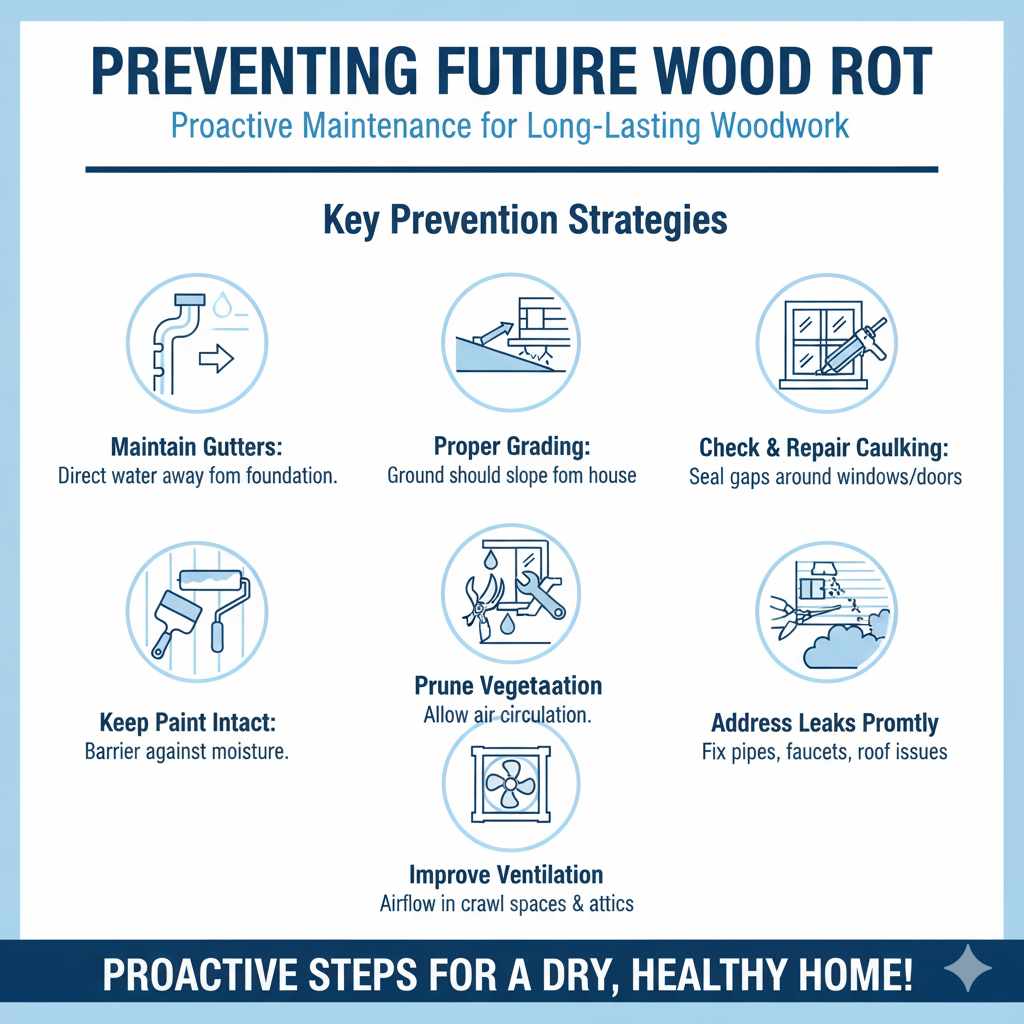
Preventing Future Wood Rot
Once you’ve repaired the rotted wood, the best defense is excellent offense to prevent it from happening again. Proactive maintenance makes a huge difference.
Key Prevention Strategies:
- Maintain Gutters and Downspouts: Ensure they are clear of debris and directing water away from your home’s foundation.
- Proper Grading: The ground around your foundation should slope away from the house to prevent water from pooling against the exterior.
- Check and Repair Caulking: Regularly inspect and maintain the caulking around windows, doors, and trim. Replace any cracked or missing caulk promptly.
- Keep Paint and Finishes Intact: Address peeling or chipped paint immediately. A good coat of paint acts as a barrier against moisture.
- Prune Vegetation: Keep trees, shrubs, and vines trimmed away from your home’s exterior to allow for good air circulation and to prevent them from trapping moisture against the siding.
- Address Leaks Promptly: Fix leaky faucets, pipes, or roof issues as soon as they arise.
- Improve Ventilation: Ensure adequate airflow in crawl spaces, attics, and around decks.
Incorporating these practices into your home maintenance routine will significantly extend the life of your exterior woodwork.
FAQ: Replacing Damaged Exterior Wood
Q1: How can I tell if wood is rotted or just wet?
A1: Wet wood will be damp but firm. Rotted wood will be soft, spongy, crumbly, and may appear discolored or have visible fungal growth when probed with a screwdriver.
Q2: Can I use standard wood filler for exterior repairs?
A2: It’s best to use an exterior-grade wood filler or a two-part wood epoxy system. Standard interior fillers are not designed to withstand moisture and temperature fluctuations outdoors and will likely fail.
Q3: How long does wood filler take to cure?
A3: Cure times vary significantly by product. Many fillers cure within a few hours, while some two-part epoxies can take up to 24 hours or longer for a full cure before sanding. Always check the product packaging for specific instructions.
Q4: Do I need to remove all the rot?
A4: Yes, absolutely. You must remove all compromised wood down to the solid, sound material. Leaving any rot behind will allow the fungal growth to continue and spread into the new repair material.
Q5: What’s the difference between wood filler and wood epoxy?
A5: Wood filler is typically a paste used for cosmetic filling of small imperfections. Wood epoxy systems are usually a two-part product that, when mixed, create a very strong, durable, and structural repair material ideal for larger voids or damaged areas requiring more strength.
Q6: How do I match the texture of the new wood filler to the old wood?
A6: After the filler cures, you can use various sandpaper grits and even a wire brush or sculpting tools to mimic the wood grain and texture before priming and painting. Achieving a perfect match might take practice.
Q7: Is it okay to paint over wood hardener?
A7: Most wood hardeners are designed to be painted over after they cure. Always check the product label to confirm it’s safe to do so. Priming is usually recommended over the hardener for best results.
Conclusion
Learning how to replace rotted wood on the exterior of your house is a valuable skill for any homeowner. It allows you to maintain your home’s appearance, protect its structural integrity, and prevent small problems from becoming expensive repairs. By following these steps, using the right tools, and applying a bit of patience, you can successfully tackle this project. Remember to prioritize safety, clean your workspace thoroughly, and invest in quality materials for a lasting repair. With a little effort and care, your home will be looking its best and standing strong against the elements for years to come.