Is Lacquer Weather Resistant?
Lacquer has only mild weather resistance. It can handle brief moisture and indoor humidity, but it is not a true outdoor finish for rain, sun, or standing water. Use it outside and the film can whiten, crack, or peel quickly, leaving bare wood exposed and forcing a full refinish. This guide separates cosmetic moisture resistance from real outdoor durability and maps lacquer choices to indoor, covered outdoor, and fully exposed wood.
What lacquer can and cannot do outdoors


Lacquer gives you a hard protective topcoat, usually with fast dry times and a crisp film. That helps on furniture, trim, and other surfaces that see occasional handling or indoor moisture. It does not turn a wood surface into an exterior-rated coating system, and it is not waterproof for wood.
Water resistance versus weather resistance
Water resistance means the film can shrug off brief splashes or damp indoor air without immediate damage. Weather resistance is broader. It includes water, sunlight, heat cycling, cold, and repeated wet-dry exposure. Lacquer can meet the first goal better than the second. Waterproof is a different category again, and lacquer does not belong there.
That difference matters because outdoors the coating must move with the substrate, hold gloss, and keep adhesion through temperature swings. A lacquer film may look fine at first, then haze, soften, or lose adhesion after repeated exposure. Once that happens, bare wood takes up moisture fast.
Why direct rain and sun change the answer
Direct rain pushes water into end grain, seams, scratches, and cut edges. Sunlight adds ultraviolet exposure that breaks down many clear films. If the coating is thin or already stressed, the surface may chalk, turn cloudy, or peel at edges first. That failure often starts where water sits longest, joints, bottom rails, and horizontal ledges.
Say your porch trim gets occasional windblown showers but stays under a roof edge. Lacquer may last longer there than on a handrail fully exposed to weather, because the film sees less standing moisture and less direct sun. Change only one variable, though, and the result shifts quickly: move that same trim to an open fence line, and the risk rises sharply.
Where lacquer is acceptable and where it is not
Lacquer is most acceptable on indoor woodwork, covered exterior details with limited wetting, and projects where quick dry time matters more than long outdoor service. It is a poor choice for fence boards, deck parts, horizontal rails, and anything that routinely sees direct rain or wet snow.
Do not use lacquer on wood that may hold standing water. Do not expect it to survive freeze-thaw exposure for long. Cold water in checks and end grain can force coating failure from below, not just from the top surface.
Lacquer exposure matrix
This matrix ranks lacquer by exposure level, not by marketing language. It separates covered surfaces from semi-exposed and fully exposed wood, because those conditions fail in different ways. A product described as weather-resistant may still be a poor choice once the surface sees direct rain or UV all season.
| Exposure level | Water resistance | UV resistance | Temperature sensitivity | Likely failure mode | Recommended alternative coating |
|---|---|---|---|---|---|
| Covered porch or deep overhang | Moderate for brief wetting | Low to moderate | Moderate | Loss of gloss, edge haze, light peeling at joints | Exterior varnish or a marine-grade clear system |
| Semi-exposed trim, doors, sheltered railings | Low to moderate | Low | High | Chalking, softening, peeling, adhesion loss at edges | Exterior spar varnish, opaque exterior paint, or a true exterior clear system |
| Fully exposed fence, rail, gate, or horizontal wood | Poor | Poor | High | Cracking, whitening, rapid peel, bare-wood exposure | Exterior paint or a purpose-built exterior wood coating rated for full weather exposure |
How weather-resistant lacquer performs
Weather-resistant lacquer usually means a faster-drying clear film with added resistance to moisture, sunlight, or tarnish. It can help metal, furniture, or decorative parts keep their appearance longer. That claim does not make it equal to a full exterior system for wood. The film can still fail once exposure becomes repeated and direct.
UV resistance and gloss retention
UV resistance is about keeping the film from breaking down in sunlight. Gloss retention is the visible result: the coating stays clearer and shinier instead of turning dull or chalky. Clear Guard is described as weather-resistant and ready to use, and it is marketed for interior and exterior metal protection. That is a different use case from exposed wood trim.
Weather-resistant lacquer may also be sold as a hard film with fast-drying properties. Clear Guard is described as a fast-drying lacquer that forms a hard film. Those traits help with handling and early cure, but they do not erase the limits of an outdoor clear coat on wood.
Hard film and scratch resistance
Acrylic topcoats are often chosen for a protective film that resists scratches and handling wear better than bare wood. Polar Flawless Clear Lacquer is positioned as a durable protective acrylic topcoat and claims water and scratch resistance. It is suitable for interior and exterior use, but exterior use still depends on exposure level and substrate.
For coverage planning, Polar Flawless Clear Lacquer is sold in gloss, matt, and satin finishes, in 500ml, 1 litre, and 2.5 litre sizes, with coverage of about 10 to 12 square metres per litre. It dries to the touch in 15 to 30 minutes, recommends 2 to 3 coats, and calls for 30 minutes between coats. Those figures help with scheduling, not with proving long-term outdoor durability.
Corrosion and chemical resistance
On metal, a protective coating film can help with abrasion resistance, corrosion resistance, chemical resistance, oil resistance, and gloss retention. That is why some clear lacquers are marketed for metal parts or decorative hardware. On wood outdoors, the problem is broader: water moves into the substrate, sunlight attacks the film, and seasonal movement stresses adhesion.
Clear lacquer is also used on some non-wood surfaces, including metal, plastic, masonry, ceramics, and plaster. Surface compatibility is not the same as outdoor durability. A coating may bond acceptably to one of those materials and still fail early in direct weather.
Can lacquer be used outdoors?
Yes, but only in limited outdoor conditions. Lacquer can be used on sheltered trim, porch details, or metal parts that get occasional moisture and limited sunlight. It is not the right answer for exposed fences, rails, decks, or any wood that stays wet for long periods or sees repeated freeze-thaw cycles.
Covered porch trim and doors
Covered porch trim is the best outdoor-fit category for lacquer, and even there the coating should be treated as maintenance-heavy. Vertical surfaces under a roof edge are less demanding than horizontal surfaces. Doors are a gray area: a sheltered door may be reasonable, but the edges, bottom rail, and threshold area need extra caution because water collects there.
Open trim, railings, and fences
Open trim, railings, and fences are where lacquer usually loses the argument. These parts take direct rain, sun, and wider temperature swings. Chalking, haze, and peeling are common failure paths. If the goal is visible wood, a true exterior clear system is safer. If the goal is maximum service life, opaque exterior paint is usually the lower-risk choice.
Picture a roughly 6-foot fence section finished with clear lacquer and left in full sun. The face dries quickly after rain, but the top edge and end grain stay wet longer. The coating may look fine for a while, then the first visible damage appears where water sits and UV is strongest.
Standing water and freeze-thaw exposure
Standing water is a hard no. Freeze-thaw exposure is nearly as unforgiving. Water can enter microscopic flaws, expand when frozen, and break the bond from the inside. That is why lacquer is a poor choice for plant stands, deck parts, stair treads, and exterior joinery that traps moisture.
Dry time, recoat timing, and cold-weather limits
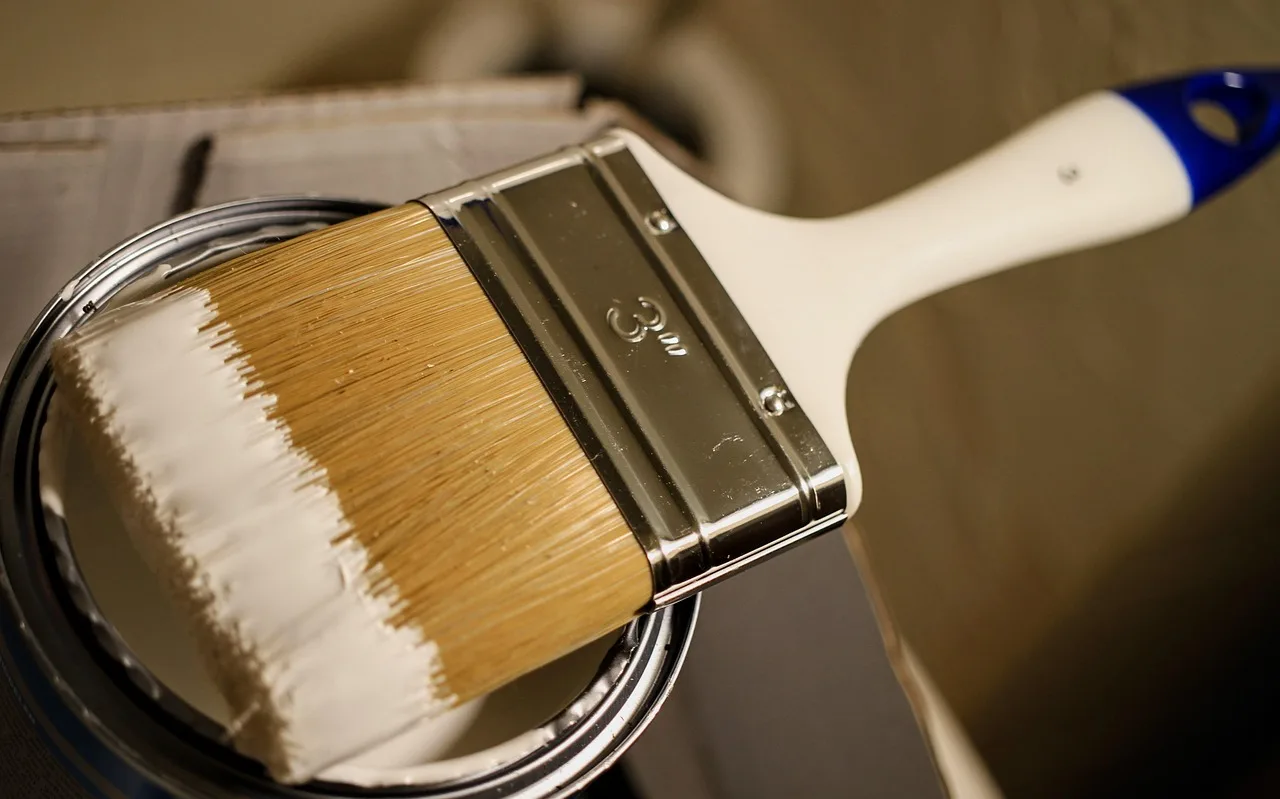
Lacquer’s main practical advantage is speed. It often dries faster than many other coatings, which shortens project timing and lets you build coats in the same day. Fast dry time does not mean fast full performance outdoors. Humidity, temperature, and airflow still matter a lot.
Touch dry versus ready to recoat
Touch dry means the surface is dry enough to handle lightly without leaving obvious marks. Ready to recoat means the next coat can be applied without trapping solvents or disturbing the film. Polar Flawless Clear Lacquer lists 15 to 30 minutes to dry to the touch and 30 minutes between coats, so the working window is short.
Humidity and temperature effects
High humidity can slow solvent release and raise the risk of blush, haze, or soft film. Low temperatures can slow cure and make the coating more brittle. Cold air also stretches the time before the film is ready for the next coat. That matters outdoors, where morning chill and afternoon sun can change conditions within one project.
A common first-timer mistake is to rush a second coat because the surface feels dry. If the air is cool and damp, the film may still be soft underneath. That can trap solvent and leave a cloudy finish or weak adhesion later.
Project timing in cool weather
Plan exterior lacquer work for stable, mild weather and a dry substrate. Avoid painting late in the day if the surface is likely to cool fast after sunset. Use thin coats. Heavy coats dry more slowly, increase sag risk, and make solvent entrapment more likely.
- Confirm the substrate is clean, dry, and fully sanded.
- Check that the temperature and humidity stay within the product label limits.
- Apply thin coats instead of one heavy coat.
- Wait the stated recoat interval before adding the next coat.
- Keep the surface protected from rain, dew, and falling temperature until the film has set.
Surface compatibility and prep
Good adhesion starts with proper prep. Dust, oil, wax, mill glaze, and loose fibers all weaken the bond. On wood, sanding and cleaning matter most. On non-wood surfaces, compatibility is more limited and should be confirmed on the product label before you commit to the full project.
Wood
Wood is the standard lacquer substrate, especially for furniture, trim, and interior millwork. Bare wood accepts lacquer better than contaminated or already-finished surfaces. Softwoods with resin, oily woods, or previously waxed surfaces may need extra prep because adhesion failures often begin there.
Metal, plastic, masonry, ceramics, and plaster
Some clear lacquers are marketed for metal, plastic, masonry, ceramics, and plaster. That does not guarantee equal bond strength on every material. Smooth plastics and dense glazed surfaces can be difficult, and masonry or plaster may absorb or reject coating differently depending on porosity and dust control.
Clear Guard is marketed for interior and exterior metal protection, which is a useful sign that some lacquers are aimed beyond wood. Even so, surface-specific prep remains essential. A coating that sticks to clean metal may still fail on dusty plaster or a slick plastic part.
Why adhesion fails on poor prep
Adhesion fails when the film bonds to dust, wax, moisture, or weak surface fibers instead of sound material. The failure may look like peeling, blistering, or early edge lift. Outdoors, poor prep compounds weather stress, so a small bond problem can become a full failure much sooner.
Sheen, coat count, and appearance
Sheen choice changes both appearance and maintenance. Gloss reflects more light and often looks clearer. Satin softens reflections and hides small surface defects better. Matte reduces shine further, but it can make the finish look flatter and may show burnishing or handling wear in busy areas.
Gloss, satin, and matte
Gloss is the easiest sheen to inspect because defects and contamination show quickly. Satin is a common middle ground for furniture and trim. Matte can suit low-sheen interiors, but it is less forgiving when the goal is a crisp, glassy film. Polar Flawless Clear Lacquer is sold in gloss, matt, and satin finishes.
Multiple thin coats versus one heavy coat
Multiple thin coats are better than one heavy coat because they dry more evenly and build a stronger film with less solvent trap risk. That matters on any lacquer project, and it matters more outdoors. A heavy coat can skin over on top while the lower layers stay soft, which invites haze and weak adhesion.
Coverage and film build
Coverage numbers help you estimate material use, but they do not guarantee performance. Polar Flawless Clear Lacquer covers about 10 to 12 square metres per litre and recommends 2 to 3 coats. That means film build comes from repetition, not from flooding the surface once.
Frequently asked questions
Does lacquer protect against water?
Yes, but only to a point. Lacquer can resist brief splashes and indoor humidity, and some products claim water resistance. It does not make wood waterproof. Once water sits, soaks in, or reaches edges and joints repeatedly, the coating can soften, whiten, or lose adhesion.
How durable is the lacquered finish
Durability depends on exposure. Indoors, lacquer can be very practical because it dries fast and forms a hard film. Outdoors, durability drops quickly under rain, sun, and temperature swings. Expect failure modes such as chalking, haze, cracking, and peeling rather than graceful long-term wear.
Is lacquer thinner flammable?
Yes. Lacquer thinner is flammable, and vapors can ignite easily. Use only with strong ventilation, away from sparks, pilot lights, heaters, and smoking. Store the container tightly closed and follow the product label for safe handling, disposal, and cleanup.
Lacquer vs clear coat
“Clear coat” is a broad term, while lacquer is one type of clear coating. In wood finishing, a clear coat may be lacquer, varnish, shellac, or another film. For outdoor use, the label matters less than the chemistry and the product’s listed exposure limits.
Is lacquer weather resistant?
Sometimes, but only in a limited sense. A weather-resistant lacquer may offer better moisture handling, UV resistance, and fast drying than a standard interior product. That still does not make it a full exterior wood finish. Direct rain and strong sun remain the main problems.
What kind of lacquer is waterproof for wood
None of the common clear lacquers should be treated as waterproof for wood. If you need a finish for outdoor wood that may get wet, choose a product made for exterior exposure, or use opaque exterior paint where long-term protection matters more than seeing the grain.
Does clear lacquer stop rain damage?
It can slow minor moisture damage for a while, but it will not stop rain damage on fully exposed wood. Clear lacquer may help on sheltered trim or decorative indoor surfaces. For direct rain, the safer move is a true exterior system designed for repeated wetting and UV exposure.
Sponsored / affiliate links. As an Amazon Associate I earn from qualifying purchases. I may earn additional commission from eligible campaigns.