How To Cut Quarter Round Molding (Angles + Cheat Sheet)
Cut quarter round at 45 degrees for both inside and outside corners, but flip the direction: on an inside corner the long point of each miter sits against the wall, on an outside corner it faces out. Walls that are not exactly 90 degrees need a different saw setting, and coping usually beats mitering inside corners. This guide covers the angles, the formula for out-of-square walls, and nail size.
Which Cut Goes Where: Quick Rules
Best Coping Saw Pick
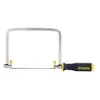 |
IRWIN Tools ProTouch Coping Saw (2014400), $8.99 The tool for the coped inside corner covered in the cope-or-miter section below: after the 45 degree miter exposes the profile, this saw follows the curve with a slight back-cut.
|
As an Amazon Associate we earn from qualifying purchases.
- Inside corner: miter both pieces at 45 degrees, or cope one piece. The long point of a mitered end is on the back, touching the wall.
- Outside corner: miter both pieces at 45 degrees the opposite way. The long point is on the face and sticks out past the wall corner.
- Against a door casing or cabinet: a straight 90 degree cut, or a small 45 degree return so the end grain is hidden.
- Wall corner that is not 90 degrees: saw setting = (180 minus the corner angle) divided by 2. See the table below.
Quarter round is a small profile (common stock is 3/4 inch by 3/4 inch), so small angle errors show. Cut a scrap pair of every corner type before you cut the long pieces.
Quarter Round Cutting Angle Cheat Sheet
Stand each piece in the saw the way it sits on the wall: back flat against the fence, bottom flat on the table. The cheat sheet below says where the long point goes for each cut, which is the part most guides skip.
| Cut type | Saw setting | Long point is on | Measure to |
|---|---|---|---|
| Inside corner (miter) | 45° | The back (against the wall) | Wall to wall, along the back edge |
| Outside corner (miter) | 45°, opposite swing | The face (sticks out) | Wall corner, then add the trim thickness |
| Coped inside corner | First piece 90°, second piece 45° then cope | The back of the 45° cut | Wall to wall; leave a couple of inches long and trim after coping |
| Door casing or cabinet | 90° | Not applicable | End of the run |
| Wall corner not 90° | (180 minus corner angle) / 2 | Same rules as above | Same rules as above |
A quick swing check: with the back against the fence, an inside-corner miter leaves the long point at the fence; an outside-corner miter leaves it away from the fence. If your test pieces overlap instead of closing, you swung the saw the wrong way.
How Do You Cut A 45-Degree Angle On Quarter Round?
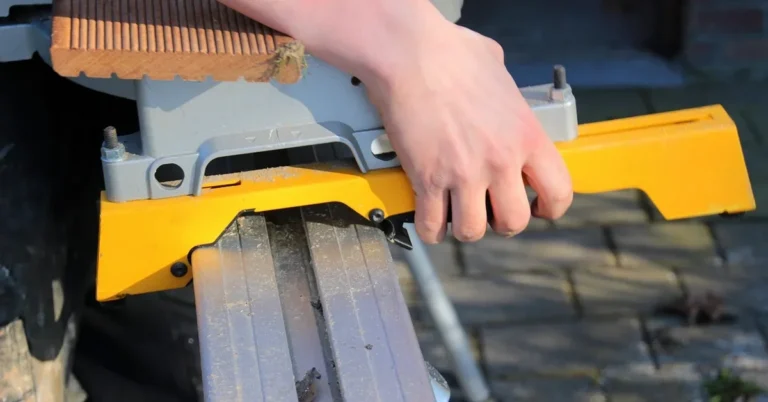
Set the miter saw to 45 degrees, lay the quarter round with its back against the fence and its bottom flat on the table, and swing the saw so the long point lands where the table above says. Let the blade reach full speed, cut slowly, and keep your hand well clear. Cut the second piece as a mirror image of the first, then dry-fit both before nailing anything.
What Is The Difference Between Inside And Outside Corner Cuts?
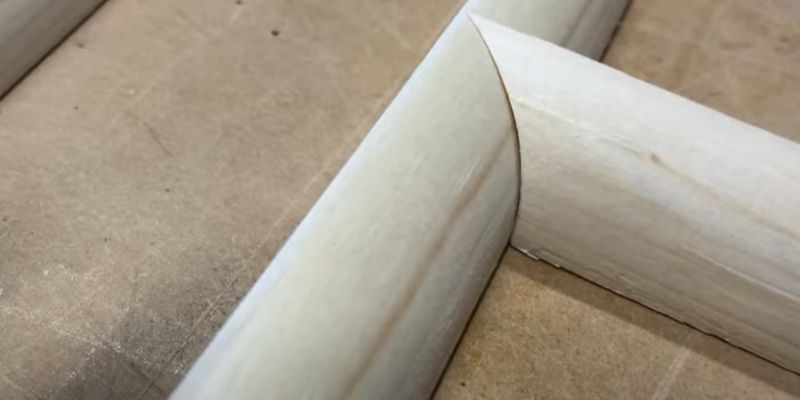
Both use 45 degree miters, but the geometry is reversed. On an inside corner, the back edge of each piece runs deep into the concave corner, so the long point of the miter is the back edge and the short point is the face. On an outside corner the face wraps around the convex corner, so the long point is the face and the back edge is shorter. That is why an outside-corner piece has to be cut longer than the wall run: the miter-shear maker Gartol tells installers to add the trim thickness to the wall length.
One correction worth making: some guides tell you to measure inside corners to the short point. Measuring to the short point cuts the piece short by roughly the width of the profile and leaves a gap at the wall. For an inside corner, measure wall to wall along the back, which is the long point.
How To Cut Quarter Round Molding Angles Step By Step
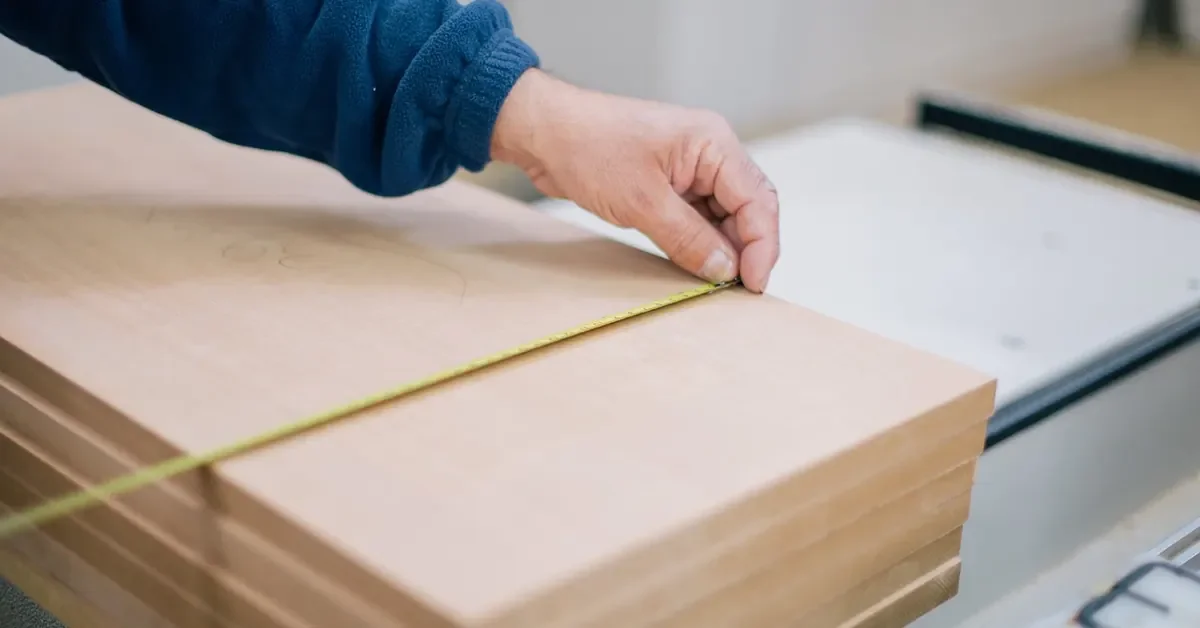
- Measure the run: tape from corner to corner along the base of the wall. Add the trim thickness at any outside corner.
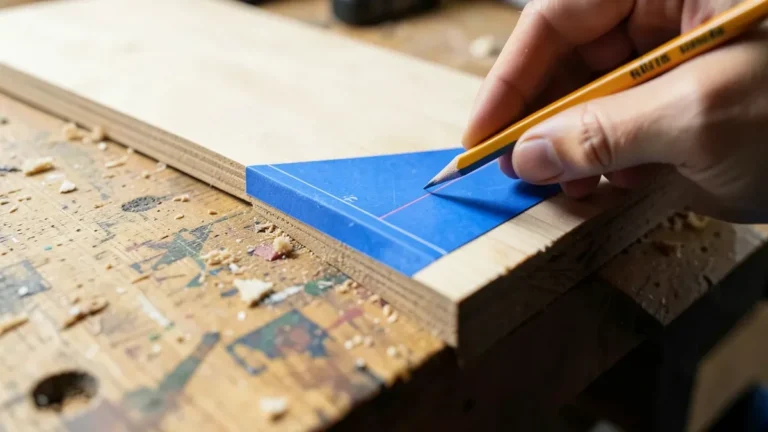
- Mark the long point: pencil a small arrow on the back edge so you remember which edge is long on that end.
- Set the angle: 45 degrees for a 90 degree corner, or the formula result in the next section. Swing the saw the correct direction for inside versus outside.
- Position the piece: back flat against the fence, bottom flat on the table, held by hand well away from the blade.
- Cut slowly: let the blade reach full speed and feed gently to avoid splintering, especially on paint-grade MDF.
- Test fit: hold both pieces in the corner. If a gap shows at the front, adjust the saw by half a degree and recut on scrap.
- Fasten: nail into the baseboard, not the floor (see the nailing section).
How To Cut Quarter Round: The Precision Technique
Most rooms have at least one corner that is not 90 degrees, and a 45 degree miter on that corner leaves a wedge-shaped gap. Measure the real corner with a digital angle finder or a protractor, then use this formula: saw setting = (180 minus corner angle) divided by 2. Trim calculators such as WorkshopCalc use the same formula: a 90 degree corner gives (180 minus 90) / 2 = 45 degrees.
| Measured corner angle | Saw setting per piece | Working |
|---|---|---|
| 87° (tight inside corner) | 46.5° | (180 minus 87) / 2 |
| 90° (square) | 45° | (180 minus 90) / 2 |
| 93° (slightly open corner) | 43.5° | (180 minus 93) / 2 |
| 120° | 30° | (180 minus 120) / 2 |
| 135° (bay or angled wall) | 22.5° | (180 minus 135) / 2 |
| 150° | 15° | (180 minus 150) / 2 |
This also corrects a common tip that says to divide the corner reading by 2 and set the saw to that number. That only works at exactly 90 degrees: on a 135 degree corner it would give 67.5 degrees, when the correct setting is 22.5. Small gaps left after the formula can be hidden with paintable caulk, but the formula gets the joint tight before you caulk.
Cope or Miter: Which Is Better for Inside Corners?
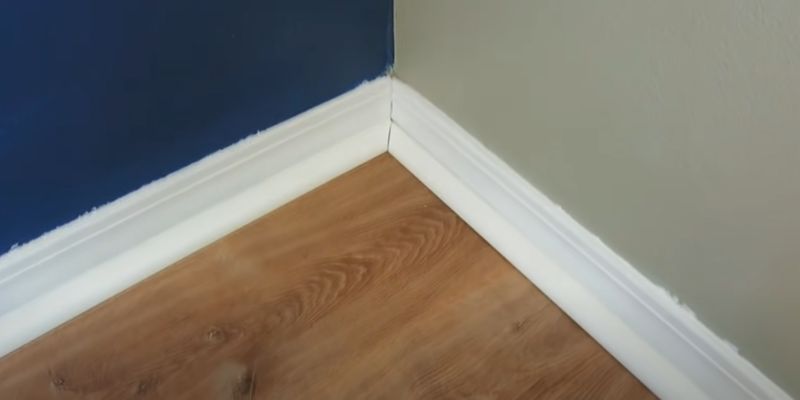
Family Handyman and Fine Homebuilding both teach coping for inside corners, because walls are rarely at an exact 90 degrees and a coped end rides over the first piece instead of depending on a perfect angle. Outside corners are mitered; there is nothing to cope against.
| Situation | Use | Why |
|---|---|---|
| Inside corner, stained or clear-coated trim | Cope | No caulk line to hide a gap, and the joint stays tight if the wood moves |
| Inside corner, painted trim | Cope or miter | Caulk and paint hide a small miter gap, so a miter is acceptable |
| Outside corner | Miter | Two 45 degree cuts wrap the corner |
| Wall that is clearly not 90 degrees | Cope | No angle to calculate |
How Do You Cope Quarter Round Molding?
Cut the first piece square and push it tight into the corner. On the second piece, make a 45 degree miter to expose the profile, then saw along that profile line with a coping saw, tilted slightly back so only the front edge touches the first piece. Family Handyman angles the coping saw back about 30 degrees on baseboard; on quarter round the profile is smaller, so use a lighter back-cut. Make relief cuts first, test fit, and clean up with a file or sandpaper.
Family Handyman’s advice for baseboard applies here too: “Always cut the baseboard a couple of inches too long.” Trim to final length after the cope is done.
Tools You Need To Cut Quarter Round
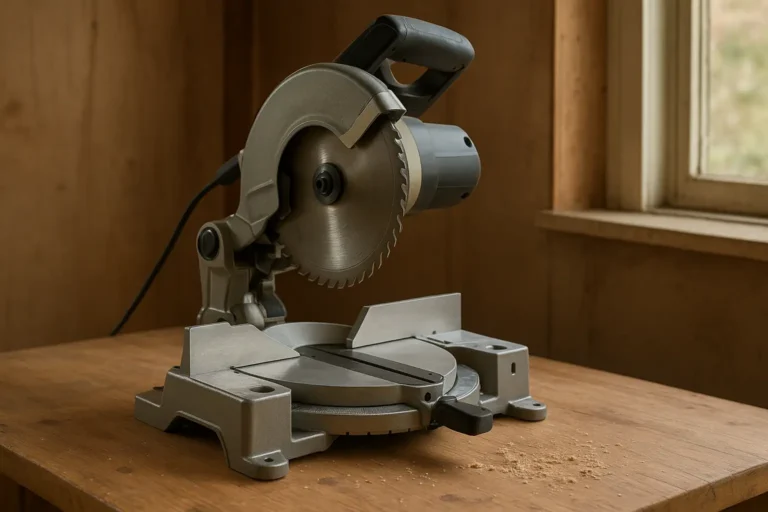
- Miter saw: the fastest way to get repeatable 45 degree cuts. A fine-tooth blade reduces splintering.
- Miter box and hand saw: works for a few corners; the box has fixed 45 and 90 degree slots.
- Coping saw: for coped inside corners.
- Miter shears (miter scissors): for small trim in soft material.
- Tape measure, pencil, and safety glasses: wear glasses and hearing protection at the saw, and a dust mask if you cut a lot of MDF.
How Do You Cut Quarter Round Without A Miter Saw?
Use a miter box with a hand saw, a coping saw for the profile, or miter shears for small pieces. An oscillating multi-tool with a flush-cut blade can trim short pieces. For a handful of corners, a miter box and a fine-tooth saw produce the same 45 degree cut as a power saw, only slower.
How to Use Miter Scissors to Cut Quarter Round
Miter scissors (shears) cut a 45 degree end in one squeeze with no saw, which suits small jobs. Gartol notes that MDF needs sharp blades to avoid crumbled edges, pine cuts well but resin builds on the blade, and PVC needs a quick, decisive cut. Hardwood quarter round is better cut with a saw.
- Measure and mark the cut point on the face of the molding.
- Set the shears to 45 degrees and pick the direction for an inside or outside corner.
- Seat the molding flat in the shears with the back against the stop and the mark aligned to the blade.
- Squeeze the handles in one smooth motion; stopping mid-cut leaves a ragged edge.
- Test fit the corner and smooth the cut with fine sandpaper or a small file.
Practice on a scrap piece first: shears do not let you correct the angle in small steps the way a saw does.
Nailing and Finishing Quarter Round
Nail quarter round into the baseboard, not into the floor. Flooring installers recommend this for floating floors (laminate, engineered wood, vinyl plank) so the floor can expand and contract under the trim without opening gaps. Use 18-gauge brad nails: our nail size and gauge chart for trim and baseboard lists 1-1/2 to 2 inch brads for shoe molding and quarter round.
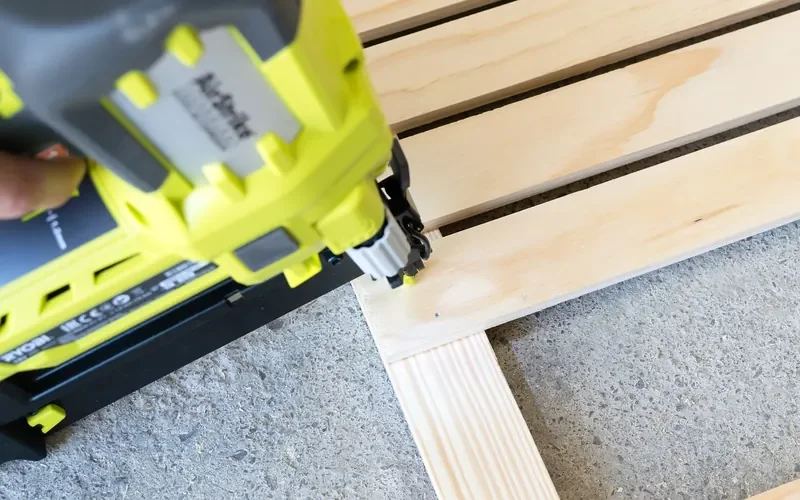
Fill nail holes with wood filler, run a thin bead of paintable caulk where the trim meets the baseboard, and paint to match. For the full install sequence, see our guide to installing quarter round with nails or adhesive.
Common Quarter Round Cutting Mistakes
- Measuring inside corners to the short point: the piece comes out short; measure along the back.
- Swinging the saw the wrong way: the cut faces do not close; use the fence check from the cheat sheet.
- Using 45 degrees on every corner: use the formula when the corner is not square.
- Skipping scrap tests: a half degree error opens a visible gap on a profile this small.
- Nailing into the floor: it pins a floating floor and gaps open as it moves.
For a closer look at inside corners specifically, our inside corner quarter round guide goes deeper on measuring and coping. If you are trimming baseboard or crown instead, see how to cut baseboard corners and how to cut crown molding corners.
Quarter Round Cutting FAQ
What Tools Are Required For Cutting Quarter Round?
A miter saw is the most accurate tool. A miter box with a hand saw, a coping saw for coped joints, or miter shears for small soft pieces also work. You also need a tape measure, pencil, and safety glasses.
How Do I Measure And Mark Quarter Round For Cutting?
For an inside corner, measure wall to wall along the back of the molding, which is the long point of the miter. For an outside corner, measure to the wall corner and add the trim thickness. Mark the long point with an arrow on the back edge, and cut a scrap test piece before the real one.
Should I Cope Or Miter Quarter Round Inside Corners?
Cope inside corners on stained or clear-coated trim, because walls are rarely exactly square and a coped end stays tight. A miter is acceptable on painted trim where caulk hides a small gap. Outside corners are always mitered.
What Saw Angle Do I Use For A Corner That Is Not 90 Degrees?
Use (180 minus the corner angle) divided by 2. A 135 degree corner needs 22.5 degrees on each piece, and an 87 degree corner needs 46.5 degrees. Test on scrap first.
Cut quarter round at 45 degrees for square corners, use the formula for the rest, cope inside corners when the finish is visible, and always dry-fit a scrap pair before the long pieces.
Sponsored / affiliate links. As an Amazon Associate I earn from qualifying purchases. I may earn additional commission from eligible campaigns.