Solid Wood vs Engineered Hardwood Floors: Smart Choice
Deciding between solid wood and engineered hardwood floors can feel like a puzzle, especially when you’re new to home improvement. There are so many options out there, and figuring out which one is best for your home can seem a bit tricky. But don’t worry, it doesn’t have to be complicated.
We’re here to break down the Solid Wood vs Engineered Hardwood Floors: Smart Choice for you. We’ll make it super easy to see the differences and help you pick the perfect flooring for your space, step by step. Let’s get started and figure out what works for you.
Understanding Solid Wood Floors
Solid wood flooring is a classic choice, beloved for its natural beauty and the timeless charm it brings to any home. Each plank is carved from a single piece of hardwood, showcasing the unique grain patterns and rich colors of the wood species. This natural origin is its biggest strength, offering an authentic feel that synthetic materials can’t quite replicate.
Its durability and potential for refinishing over the years make it a long-term investment in your home’s aesthetic and value.
What is Solid Hardwood?
Solid hardwood flooring is precisely what it sounds like: planks made from a single, solid piece of timber. Common wood species include oak, maple, cherry, and walnut, each offering distinct looks and hardness levels. The thickness of these planks typically ranges from 3/4 inch to 5/16 inch.
This solid construction allows for multiple refinishing sessions throughout its lifespan, effectively giving you a brand-new floor many times over. It’s a material that ages gracefully, developing a patina that adds character.
When you choose solid wood, you’re selecting a product directly from nature. The inherent beauty of the wood grain, knots, and color variations means no two floors are exactly alike. This natural variation contributes to its unique appeal.
The installation process usually involves nailing or stapling the planks to a subfloor, which requires a dry and stable foundation. This method ensures the floor is securely attached and can withstand the test of time, provided it’s installed correctly.
Benefits of Solid Hardwood Floors
The allure of solid hardwood floors lies in their enduring beauty and the natural warmth they bring to a living space. Their natural origin means each plank has unique characteristics, making every floor one-of-a-kind. Beyond aesthetics, solid hardwood can significantly increase a home’s resale value.
It’s also a sustainable choice if sourced responsibly, as wood is a renewable resource.
- Timeless Aesthetic Appeal: Solid hardwood floors offer a classic and elegant look that never goes out of style. The natural grains and rich tones create a warm and inviting atmosphere. This timeless quality means your floor will remain fashionable for decades, making it a sound choice for long-term home design. The visual appeal is unmatched by many other flooring materials.
- Increased Home Value: Investing in solid hardwood flooring is often seen as an upgrade that boosts a property’s market value. Many homebuyers specifically seek out homes with hardwood floors, recognizing their durability and aesthetic appeal. This can translate into a higher selling price and a quicker sale when the time comes to move.
- Natural and Renewable Material: Wood is a natural and renewable resource, making solid hardwood a more environmentally friendly option compared to some synthetic flooring materials. When sourced from sustainably managed forests, it contributes to a greener building practice. The production process is also generally less energy-intensive than for materials like vinyl or laminate.
- Longevity and Refinishing Capability: One of the most significant advantages of solid hardwood is its ability to be sanded and refinished multiple times. This means that scratches, dents, and wear can be repaired, restoring the floor to like-new condition. This capability extends the life of the floor considerably, making it a truly long-lasting investment.
Drawbacks of Solid Hardwood Floors
Despite their many advantages, solid hardwood floors do have some limitations that are important to consider. Their natural composition makes them susceptible to changes in humidity and temperature, which can cause expansion and contraction. This sensitivity can lead to issues like gapping or warping if not properly managed.
Also, their higher price point and installation requirements can be a barrier for some homeowners.
- Susceptibility to Moisture and Humidity: Solid wood is a natural material that reacts to its environment. High humidity can cause planks to swell, while very dry conditions can lead to them shrinking. This movement can result in gaps between boards or even cupping and buckling if the moisture levels are extreme or not managed properly. This makes solid hardwood less ideal for areas prone to moisture, like bathrooms or basements.
- Cost of Material and Installation: Solid hardwood flooring is generally more expensive than many other flooring options, including engineered hardwood and laminate. The material cost per square foot can be substantial. Furthermore, installation often requires professional expertise, adding to the overall expense. This higher initial investment can be a significant factor for budget-conscious homeowners.
- Prone to Scratching and Denting: While some wood species are harder than others, all solid wood floors can be scratched or dented. Heavy furniture, pet claws, and high-traffic areas can leave marks over time. While refinishing can address this, it’s something to be mindful of, especially if you have pets or young children who might be harder on the flooring. Protective measures are often necessary.
- Not Ideal for Basements or Bathrooms: Due to its sensitivity to moisture, solid hardwood is generally not recommended for installation in basements or bathrooms. These areas often experience higher humidity levels or the risk of water spills, which can damage solid wood. Specialized subflooring and acclimatization procedures are crucial, but the risk remains higher than with other flooring types.
Exploring Engineered Hardwood Floors
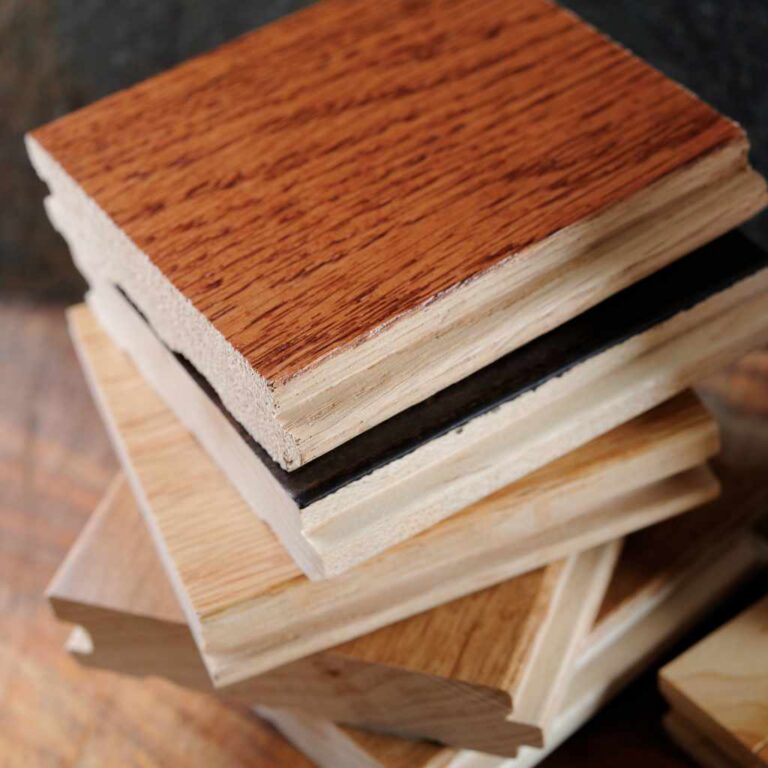
Engineered hardwood flooring offers a smart and versatile alternative to traditional solid wood. It’s constructed in layers, with a thin veneer of real hardwood on top of several layers of plywood or high-density fiberboard. This construction gives it greater stability and resilience, making it suitable for a wider range of environments.
It provides the authentic look of hardwood but with added benefits for modern living.
What is Engineered Hardwood?
Engineered hardwood flooring is a multi-layered product designed to mimic the appearance and feel of solid hardwood while offering enhanced stability. The top layer is real hardwood, available in various species, widths, and finishes, just like solid wood. Beneath this prized veneer are multiple core layers, typically made from cross-grained plywood or high-density fiberboard (HDF).
These core layers are strategically oriented to provide strength and resistance to moisture and temperature fluctuations.
The construction of engineered hardwood is key to its performance. The cross-directional layering of the core effectively counteracts the natural tendency of wood to expand and contract. This means engineered planks are much more dimensionally stable than solid wood planks.
They can be installed in more challenging areas of the home where solid wood might not be suitable. The top hardwood veneer can range in thickness from very thin (1-2mm) to quite substantial (up to 5mm), influencing how many times it can be refinished.
Benefits of Engineered Hardwood Floors
Engineered hardwood floors are popular for their blend of real wood beauty and practical advantages. They offer a beautiful hardwood look at a potentially lower cost and are more forgiving in various climate conditions. Their construction also opens up more installation possibilities, making them a flexible choice for many homes and renovation projects.
- Enhanced Stability and Durability: The layered construction of engineered hardwood makes it significantly more stable than solid wood. It’s less prone to expansion and contraction due to changes in temperature and humidity. This means it’s more likely to maintain its shape and integrity over time, reducing the risk of gaps, warping, or cupping, even in challenging environments.
- Versatile Installation Options: Engineered hardwood can be installed in more places than solid wood. It can be floated, glued down, or stapled to various subfloors. Critically, it can often be installed in basements and on concrete slabs, areas where solid wood is typically not recommended due to moisture concerns. This flexibility makes it a good option for most rooms in a house.
- Resistance to Moisture Fluctuations: While not waterproof, engineered hardwood handles normal household humidity fluctuations much better than solid wood. This makes it a more practical choice for rooms like kitchens or laundry rooms where minor spills or higher humidity are common. Proper sealing and care are still necessary, but it offers greater peace of mind.
- Aesthetic Appeal of Real Wood: Crucially, the top layer of engineered hardwood is genuine wood veneer. This means you get the authentic look, feel, and beauty of hardwood flooring. You can choose from the same popular species, finishes, and plank widths as you would with solid hardwood, ensuring a stylish and sophisticated result that enhances your home’s interior design.
Drawbacks of Engineered Hardwood Floors
While engineered hardwood is a fantastic option, it’s not without its limitations. The number of times a floor can be refinished depends heavily on the thickness of the top wood veneer. Thinner veneers may only allow for one or two refinishes, or none at all.
Also, while more stable than solid wood, it’s not entirely impervious to damage or moisture, and some cheaper options might not look as premium.
- Limited Refinishing Potential: The most significant drawback is the thickness of the top hardwood veneer. If the veneer is thin (1-2mm), the floor can typically only be refinished once or twice, or sometimes not at all. Each sanding process removes a layer of real wood, and once that veneer is gone, the underlying core is exposed, and the floor’s aesthetic appeal is lost. This limits its long-term repairability.
- Still Susceptible to Deep Scratches and Gouges: While the core layers provide stability, the top veneer is still real wood and can be scratched or dented by sharp objects, pet claws, or heavy furniture. Deep gouges that penetrate the veneer can be permanent if the floor cannot be refinished or if the veneer is too thin to sand down. This means careful handling and protection are still important.
- Quality Varies Significantly: The quality of engineered hardwood can vary greatly depending on the manufacturer and the materials used. Cheaper options might have a very thin veneer, a less durable core, or a lower-quality finish. It’s essential to research brands and look for products with thicker wear layers and well-constructed cores for better longevity and appearance.
- Can Still Be Damaged by Excessive Water: Although more resistant to humidity changes, engineered hardwood is not waterproof. Prolonged exposure to standing water can still cause damage, such as swelling or delamination of the layers. It should not be installed in areas with a high risk of frequent water spills or flooding without appropriate precautions and seals.
Making Your Smart Choice Solid Wood vs Engineered Hardwood Floors
Choosing between solid wood and engineered hardwood floors ultimately depends on your specific needs, the location in your home, and your budget. Both offer the authentic beauty of real wood, but their performance characteristics differ. Think about how you use the space, the climate you live in, and how long you plan to stay in your home.
This section will help you weigh the options to make the Solid Wood vs Engineered Hardwood Floors: Smart Choice for your situation.
Key Factors for Decision Making
When you’re deciding between solid wood and engineered hardwood, several factors come into play. Consider the room’s environment, your lifestyle, and your long-term plans for the home. Weighing these aspects will guide you toward the flooring that best suits your needs and offers the most value.
- Location in the Home: Solid hardwood is best for main living areas like living rooms and dining rooms, where moisture is less of a concern and you want maximum longevity through refinishing. Engineered hardwood is a more versatile choice for kitchens, bathrooms, basements, and areas with fluctuating humidity levels due to its enhanced stability.
- Budget Considerations: Solid hardwood typically has a higher upfront cost for both materials and installation. Engineered hardwood can often be more budget-friendly, especially for lower-end options. However, the price can vary significantly based on the wood species, the thickness of the wear layer, and the brand.
- Lifestyle and Traffic Levels: If you have a busy household with pets, children, and high foot traffic, engineered hardwood might offer better resistance to wear and tear due to its stable construction. While solid wood can be refinished, engineered wood’s stability can help prevent issues like gapping that can be more challenging to address.
- Long-Term Plans and Resale Value: Solid hardwood is often perceived as a premium product that can increase home value more significantly. Its ability to be refinished multiple times means it can last for generations, making it a sound long-term investment. Engineered hardwood also adds value, but its refinishing capability is limited by the veneer thickness.
Installation Environment and Considerations
The environment where your flooring will be installed is a critical factor. Understanding the humidity levels, subfloor type, and potential for spills will guide you to the most suitable material. Proper installation is key for the longevity and appearance of any wood floor.
- Humidity and Temperature Stability: Solid wood is highly sensitive to humidity changes, requiring a stable indoor climate. Engineered wood’s layered core makes it much more resilient to these fluctuations. For homes in regions with extreme seasonal temperature or humidity shifts, engineered wood is often the safer bet.
- Subfloor Type: Solid hardwood is typically nailed or stapled to a wooden subfloor. Engineered hardwood offers more flexibility; it can be nailed, glued, or floated over various subfloors, including concrete slabs, which solid wood cannot usually be installed on directly. This makes engineered wood suitable for more diverse construction types.
- Water Resistance Needs: Neither solid nor engineered hardwood is waterproof. However, engineered wood performs better in areas prone to occasional splashes or higher humidity, like kitchens. For areas with a high risk of significant water exposure, like full bathrooms or laundry rooms, other materials like luxury vinyl or tile are generally recommended.
- Acclimatization Process: Both types of flooring require acclimatization before installation. This means letting the planks adjust to the home’s environment for a period. Engineered wood may require a shorter acclimatization time due to its greater stability, but following the manufacturer’s guidelines is always essential for both.
Comparing Costs and Lifespan
When looking at the Solid Wood vs Engineered Hardwood Floors: Smart Choice, cost and lifespan are major considerations. While solid wood can be more expensive initially, its refinishing potential means it can last longer. Engineered wood can be more affordable upfront, but its lifespan is tied to the wear layer’s thickness.
| Feature | Solid Hardwood | Engineered Hardwood |
|---|---|---|
| Initial Cost | Higher | Moderate to High (varies by veneer thickness) |
| Lifespan Potential | Very Long (multiple refinishes) | Moderate to Long (depends on wear layer) |
| Refinishing Capacity | Multiple Times | Limited to None (depending on veneer thickness) |
| Installation Flexibility | Limited (wooden subfloors, above grade) | High (various subfloors, basements, on-grade) |
| Moisture Resistance | Poor | Moderate (better than solid) |
Real-Life Examples and Scenarios
Consider Sarah, who is renovating her main living area and upstairs bedrooms. She wants the classic beauty of hardwood and plans to stay in her home for many years. For these areas, she chooses solid oak flooring.
This allows her to refinish it down the line if scratches occur and adds significant value to her home.
In contrast, her friend Tom is finishing his basement and wants a wood look. Basements are prone to humidity and potential minor leaks. He opts for engineered hardwood with a medium-thickness wear layer.
This gives him the desired aesthetic while offering the stability and installation flexibility needed for a basement environment. He knows it might not last as many refinishing cycles as Sarah’s floor, but it’s the right choice for his specific needs.
Another scenario involves a young couple with active children and pets. They are replacing worn-out carpet in their busy family room. They select a highly durable engineered hardwood product with a thick veneer and a protective finish.
This choice balances their desire for a stylish wood floor with the need for a surface that can withstand daily wear and tear without showing immediate damage. They understand that deep scratches would be permanent but are happy with the trade-off for everyday resilience.
Frequently Asked Questions
Question: Which type of hardwood floor is easier to install for a DIYer
Answer: Engineered hardwood is generally considered easier for DIY installation because it offers more flexibility. It can often be floated over an existing subfloor or glued down, and it’s more forgiving with subfloor imperfections. Solid hardwood typically requires nailing or stapling, which can be more challenging and often needs a perfectly level subfloor.
Question: Can I install hardwood floors in my kitchen
Answer: While neither solid nor engineered hardwood is completely waterproof, engineered hardwood is a better option for kitchens than solid wood due to its enhanced stability and slightly better resistance to humidity fluctuations. However, it’s still crucial to clean up spills immediately and maintain a moderate humidity level in the kitchen.
Question: How do I know if I can refinish my engineered hardwood floor
Answer: The ability to refinish engineered hardwood depends entirely on the thickness of the top real wood veneer. If the veneer is very thin (1-2mm), it may not be refinishable at all or only once. If the veneer is thicker (3mm or more), it can usually be refinished, but it will be fewer times than solid hardwood.
Check the manufacturer’s specifications for your specific product.
Question: Which is better for allergies solid wood or engineered wood
Answer: Both solid and engineered hardwood are generally good choices for allergy sufferers compared to carpet, as they don’t trap dust mites, pet dander, or pollen. Wood floors can be easily cleaned and swept. There’s no significant difference in allergy-friendliness between solid and engineered hardwood themselves, as both are made with real wood.
Question: What are the maintenance differences between solid and engineered hardwood
Answer: Maintenance for both solid and engineered hardwood is quite similar. Both require regular sweeping or vacuuming to remove grit and debris that can scratch the finish. Damp mopping with a wood-specific cleaner is also generally acceptable for both types.
The key is to avoid excessive water and to use protective pads under furniture legs.
Final Thoughts
Choosing the right flooring is a big step, and understanding the differences between solid wood and engineered hardwood floors is key to making a smart choice for your home. Solid wood offers unmatched natural beauty and the potential to last for generations with proper care and refinishing. It’s a fantastic choice for main living areas where you want that classic, high-value appeal.
Engineered hardwood, with its layered construction, provides greater stability and installation versatility, making it ideal for a wider range of rooms, including those with more challenging environmental conditions like basements or kitchens.
When weighing your options, think about where the floor will go, how you use that space, and what your budget allows. If long-term refinishing and maximum resale value in specific areas are your top priorities, solid wood shines. If you need more flexibility in installation, better performance in varied humidity, or a slightly more budget-friendly real wood option, engineered hardwood is an excellent contender.
Ultimately, both types offer the warmth and elegance of real wood, ensuring your home looks beautiful and feels welcoming. Take your time, consider these points, and you’ll find the perfect wood flooring solution for your home.