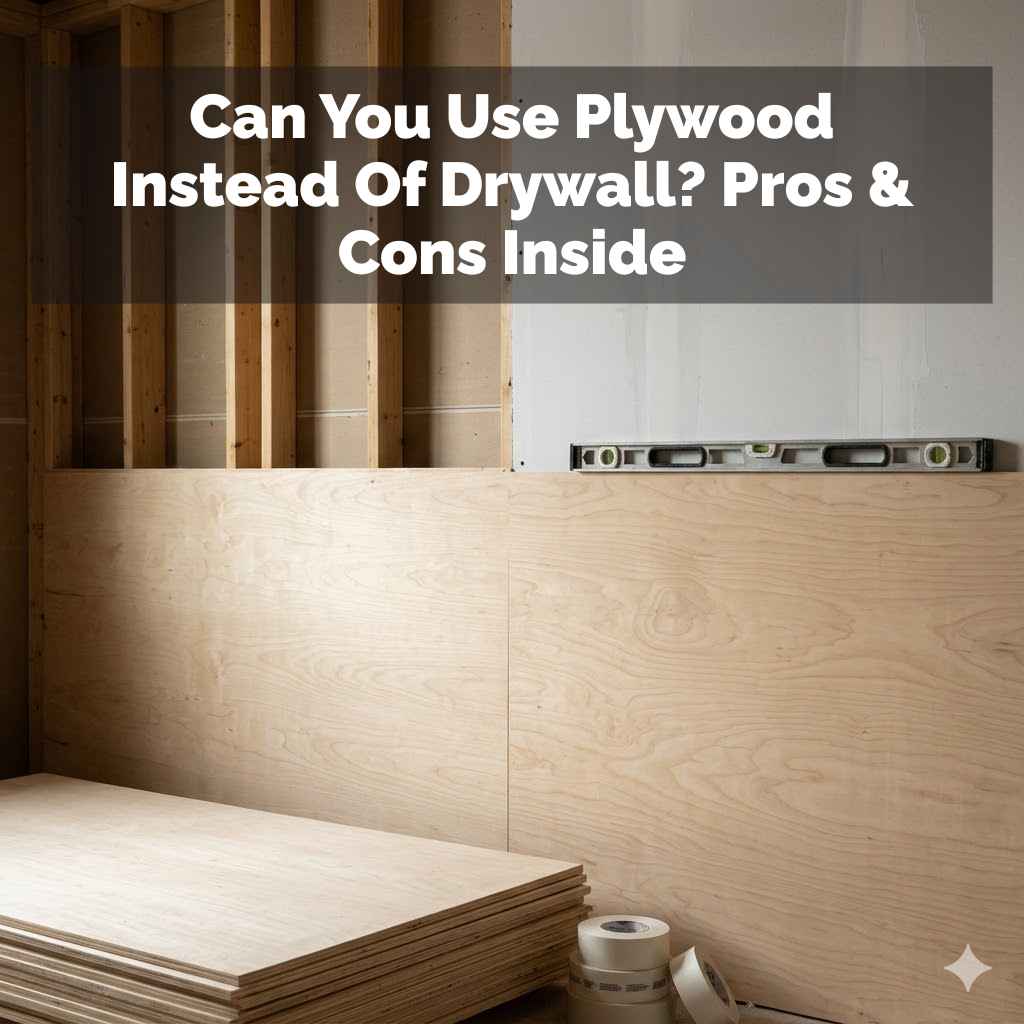
Can You Use Plywood Instead Of Drywall? Pros & Cons Inside
Choosing the right material for your walls feels like a big decision. You want something that looks good. You also want it to last.
Sometimes, folks wonder about materials that aren’t the usual. Plywood often pops up. People ask if it’s a good stand-in for drywall.
Let’s dive into that question.
Plywood can be used instead of drywall in some situations, offering durability and a unique aesthetic. However, it comes with its own set of challenges regarding installation, finishing, and fire safety that must be carefully considered compared to traditional drywall.
What is Plywood and How Does it Differ from Drywall?
So, what exactly is plywood? Think of it as layers of wood. These thin wood sheets are glued together.
They face different directions. This cross-grain design makes plywood very strong. It’s a building material used for many things.
Floors, roofs, and yes, sometimes walls.
Drywall is different. It’s a panel. It has a gypsum plaster core.
This core is sandwiched between thick paper or fiberglass. Drywall is common for interior walls and ceilings. It’s easy to cut and hang.
It’s also designed to be smooth and ready for paint.
The main difference is their core makeup. Plywood is all wood. Drywall is gypsum and paper.
This means they behave differently. They have different strengths and weaknesses when used on walls.
Can You Really Use Plywood Instead of Drywall?
Yes, you absolutely can use plywood instead of drywall. But it’s not always a straightforward swap. It depends a lot on what you need for your walls.
For some projects, plywood might be a great choice. For others, it might be a headache.
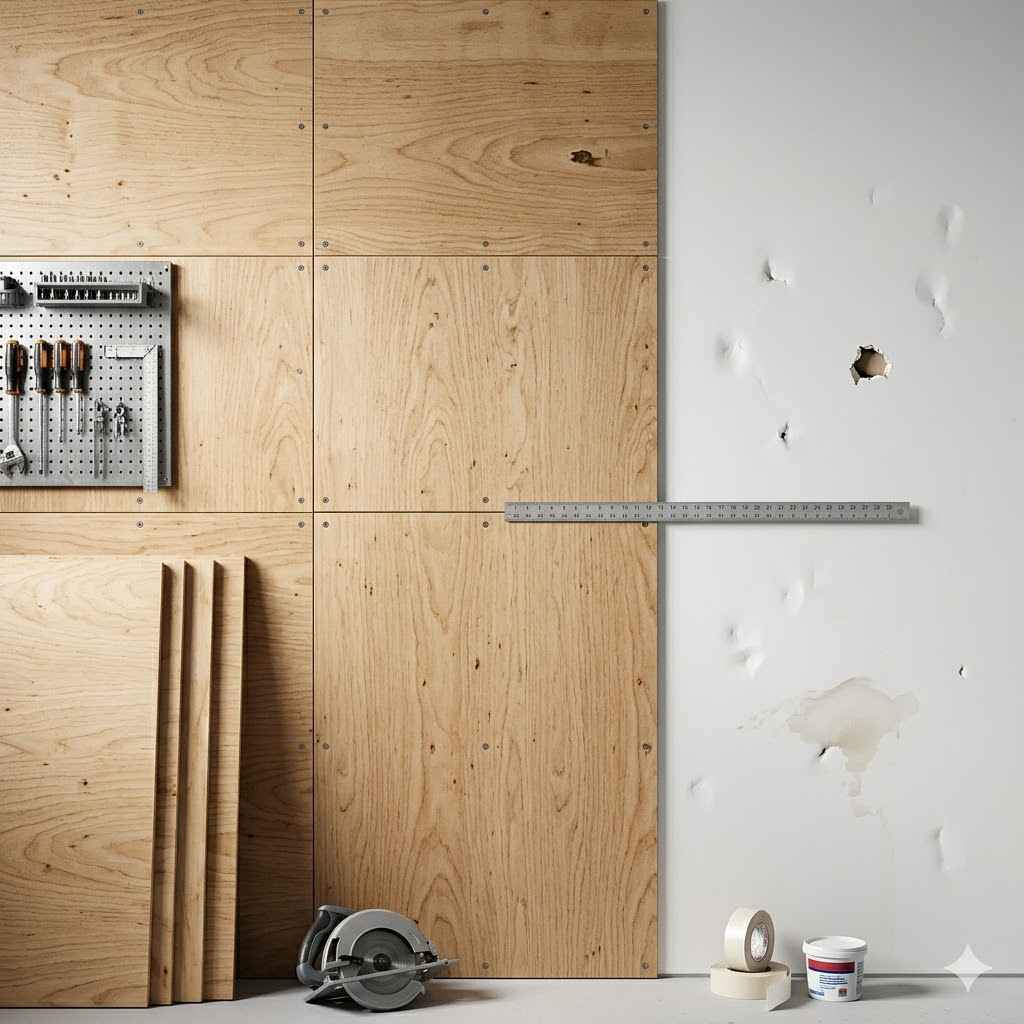
Think about a workshop. You might bang things around in there. Plywood can take a beating better than drywall.
Or maybe you like a rustic look. The wood grain of plywood can add a lot of character.
But for a formal living room? Probably not. Drywall gives you that smooth, clean finish that’s easy to paint.
Plywood will look like plywood. You can paint it, of course. But the wood texture will likely show through.
The Upsides: Why Choose Plywood for Walls?
There are some really good reasons why someone might choose plywood. Let’s look at the bright side first. This can help you see if it fits your project.
Durability and Strength
This is a big one. Plywood is tough. It’s much harder to dent or puncture than drywall.
Imagine kids playing in a room. Or maybe you move furniture a lot. Plywood can handle more bumps and scrapes.
It resists cracking and breaking better.
In a garage or basement, this strength is a huge plus. You’re less likely to see holes from tools or sports equipment. This means fewer repairs over time.
Your walls stay looking good longer, even with rough use.
Unique Aesthetic Appeal
Plywood has a look all its own. The wood grain can add warmth and texture. It’s great for a modern, industrial feel.
Or it can create a cozy, rustic cabin vibe. You can find different types of plywood too. Some have finer grain patterns.
Others have bolder ones.
You can leave it as is for a raw look. Or you can stain it to bring out the wood’s natural beauty. Some people even use decorative plywood.
This can really make a space stand out. It’s a way to add personality to your walls.
Structural Integrity
Sometimes, walls need to hold up more than just paint. Plywood offers better structural support. If you plan to hang heavy shelves or cabinets, plywood walls can be more secure.
It’s a more solid backing.
This can be important in certain areas of a home. Like a kitchen where you might have heavy appliances mounted. Or a garage where tools and storage are involved.
Plywood can give you peace of mind.
Moisture Resistance (Specific Types)
Standard drywall can be ruined by water. It can warp, mold, and crumble. Some types of plywood, like exterior-grade plywood, are made to resist moisture.
These can be a good option for areas that might get damp.
Think about unfinished basements or garages. Or even a shed. If these spaces might see some humidity, plywood could be a better choice.
It won’t turn to mush as easily as regular drywall. Always check the specific type of plywood.
Plywood vs. Drywall: Quick Scan
Plywood:
- Stronger, more impact resistant
- Unique wood grain look
- Good structural backing
- Can be moisture resistant (certain types)
Drywall:
- Smoother finish for painting
- Lighter, easier to cut and hang
- Less expensive overall
- Standard fire-rated options
Cost-Effectiveness (Sometimes)
In some cases, using plywood might save money. This depends heavily on the project size and the cost of materials in your area. If you need a very durable wall, plywood might be cheaper than trying to reinforce drywall.
Or if you’re going for a raw wood look, you skip the cost of plaster and paint.
However, it’s important to compare prices. Sometimes drywall is just plain cheaper. You also need to factor in the cost of finishing plywood.
This can add up. So, always do your homework on local prices.
The Downsides: What Are the Challenges?
Now, let’s talk about the other side of the coin. Using plywood isn’t always easy. There are definite challenges you need to be aware of before you start.
Installation Difficulty
Plywood is heavier than drywall. This makes it harder to cut and lift into place. Especially for large sheets.
You might need help. Cutting plywood can also create a lot of fine dust. You’ll need good ventilation and masks.
Hanging plywood often means screwing it directly into studs. With drywall, you can use screws or nails. Plywood needs to be attached very securely.
This means finding the studs accurately. And using the right screws.
Finishing Can Be Tricky
Drywall is made to be finished smooth. You tape the seams. Then you mud and sand them.
This creates a seamless surface. Plywood seams are much harder to hide. You can see the lines where the sheets meet.
While you can fill these gaps, it takes skill. You might end up with a visible seam. Or you might choose to embrace the panel look.
If you want a perfectly smooth wall, plywood is much harder to achieve this with than drywall.
Painting plywood can also be different. You might need a primer first. The wood grain can show through paint.
This can be a desired look, but it’s not the same as a flat painted drywall surface.
Fire Safety Concerns
This is a major point. Drywall is a fire-resistant material. It’s designed to slow the spread of fire.
Plywood, being wood, is combustible. It can burn. Standard plywood is not rated for fire resistance like drywall is.
In areas where fire codes are strict, using plywood on walls might not be allowed. Or you might need special fire-rated plywood. This is much more expensive and harder to find.
Always check your local building codes.
I remember a project in a client’s basement. They wanted a rustic look. We used plywood.
Then we found out the local code required fire-rated drywall in certain areas. We had to rip out some of the plywood and replace it. It was a costly lesson in checking codes first.
Plywood Finishing: What to Expect
Seamless Smoothness: Very hard to achieve. Requires skilled mudding and sanding of seams.
Visible Seams: Most common outcome. Can be a design feature or a drawback.
Wood Grain Texture: Will likely show through paint or stain. Adds character but changes the finish.
Priming Needed: Often required for paint adhesion and to block wood tannins.
Weight and Handling
Plywood sheets are significantly heavier than drywall sheets. A 4×8 sheet of 1/2-inch drywall might weigh around 30-40 pounds. A similar size sheet of 1/2-inch plywood can weigh 50-60 pounds or more.
This difference matters.
Lifting and positioning these heavier sheets can be tough. Especially if you’re working alone or on a ladder. It increases the risk of strain or injury.
Proper lifting techniques and maybe an extra pair of hands are a must.
Cost Compared to Standard Drywall
While I mentioned cost-effectiveness earlier, it’s not always the case. Standard drywall is generally a very budget-friendly material. Especially for large areas.
Plywood prices can fluctuate. And higher grades of plywood can be quite expensive.
You also have to consider the finishing materials. If you plan to make plywood look like drywall, you’ll need joint compound, tape, primer, and paint. This adds to the overall cost.
So, for a smooth, paint-ready wall, drywall usually wins on price.
Environmental Considerations
Where does your plywood come from? Some plywood is made from rapidly renewable resources. Others might come from old-growth forests.
It’s good to look for plywood certified by organizations like the Forest Stewardship Council (FSC).
Drywall production also has an environmental impact. But its main component, gypsum, is abundant. It’s about choosing responsibly sourced materials.
For plywood, checking the source is key.
When is Plywood a Good Choice for Walls?
So, where does plywood shine? What are the ideal scenarios for using it instead of drywall?
Workshops and Garages
This is prime territory for plywood. Think about a place where tools hang on the walls. Where bikes might get bumped.
Or where you might need to mount heavy storage systems. Plywood’s durability is perfect here. It can handle the wear and tear.
You don’t always need a perfectly smooth finish in these spaces. The wood look can fit right in. And if you need to screw something into the wall, plywood offers a solid anchor point everywhere.
Rustic or Industrial Interior Design
If you’re going for a specific design style, plywood can be a star. Exposed plywood walls give a raw, unfinished look that’s popular in modern lofts and rustic cabins. You can stain it dark for a moody feel.
Or leave it natural for a lighter look.
It adds texture and warmth. This is something you can’t get with standard drywall. It’s a bold choice that can make a space feel unique and intentional.
Plywood Wall Design Ideas
Accent Wall: Use plywood on one wall for a dramatic focal point.
Full Room: Cover all walls for a consistent, bold statement.
Stained Finish: Apply a stain to highlight the wood grain and add color.
Painted Finish: Use a primer and paint, accepting that grain may show.
Board and Batten Style: Use plywood as the base, then add wood strips for dimension.
Areas Requiring Extra Strength
Beyond workshops, consider places where you need a wall to be more than just a partition. Maybe you want to mount large artwork. Or you’re building a home gym and need to attach resistance bands securely.
Plywood offers that extra bit of muscle.
It acts as a more solid substrate. This makes it easier and safer to attach things to the wall without worrying about them pulling out.
Specific Moisture-Prone Areas (with the right type)
As mentioned, not all plywood is moisture-resistant. But exterior-grade or marine-grade plywood can handle humidity better. If you’re building something like a potting shed, a utility room that gets steamy, or even an unfinished basement area where dampness is a concern, these plywood types could be a good fit.
They won’t swell and degrade as quickly as drywall. But remember, even moisture-resistant materials have limits. Proper ventilation is still key.
When is Drywall the Better Choice?
Let’s be clear. For most homes, drywall is the standard for a reason. Here’s when it’s usually the way to go.
Standard Interior Walls and Ceilings
For the vast majority of rooms in a house – bedrooms, living rooms, dining rooms, hallways – drywall is the expected material. It provides a smooth, neutral surface that painters and decorators are used to working with. It’s the canvas for most home interiors.
It’s also what most homebuyers expect. If you’re selling your home, unique wall materials might be a turn-off for some. Drywall is safe, familiar, and accepted.
Smooth, Paint-Ready Finishes
If your goal is a perfectly smooth, seamless wall that takes paint beautifully, drywall is the clear winner. The process of taping, mudding, and sanding is designed to achieve this. Plywood, with its inherent texture and seams, is a much harder material to get that finish from.
Even with careful finishing, you’ll often see subtle differences in texture or color where plywood sheets meet. Drywall offers that consistent, flat look.
Areas with Strict Fire Code Requirements
Building codes often mandate fire-rated materials for walls and ceilings. Drywall, especially Type X drywall, is specifically designed for this. It contains additives that help it resist fire for a longer period.
Using standard plywood in these areas is usually not permitted. It can even fail building inspections. If fire safety is a major concern, or a requirement, stick with drywall.
I once had a client who thought they could use plywood in their basement home theater. The inspector shut them down due to fire codes. They had to redo the walls.
Budget-Conscious Projects
In general, drywall is more affordable than most types of plywood. The material cost itself is often lower. Plus, installation can be quicker and less labor-intensive for drywall.
This can translate to lower overall project costs, especially for large areas.
If you’re on a tight budget, drywall is usually the more practical choice for covering large wall spaces.
Ease of Repair
Got a small hole in the wall? Patching drywall is a common DIY task. You can cut out the damaged section and fit in a new piece.
Then tape and mud it to blend in. It’s a skill many homeowners can learn.
Repairing plywood can be more involved. Especially if you want the repair to be invisible. It might require custom cutting and careful matching of grain or finish.
It’s often harder to make a plywood repair disappear seamlessly.
When to Definitely Use Drywall
- Standard Home Interiors: Bedrooms, living rooms, kitchens.
- Smooth Finish Goal: When you want walls perfect for paint.
- Fire Safety Priority: In any area with strict fire codes.
- Tight Budgets: For large areas where cost is a major factor.
- Easy DIY Repairs: For minor dents and holes.
How to Install Plywood as Walls
If you’ve weighed the pros and cons and decided plywood is right for your project, here’s a general idea of how it’s done. This isn’t a full DIY guide, but it covers the main steps.
Preparation is Key
Make sure your wall studs are sound and straight. You’ll be screwing the plywood directly into them. Any imperfections in the framing will show through.
Clean the studs and ensure they are dry.
Measure your space carefully. Plan how you will lay out the plywood sheets. Try to minimize waste and awkward cuts.
Stagger the seams if possible, just like with drywall. This adds strength and looks better.
Cutting Plywood
Use a sharp circular saw or a table saw for clean cuts. Always measure twice and cut once. Wear safety glasses and a dust mask.
Plywood dust is fine and can be irritating. You’ll want good ventilation in the room.
For cuts around outlets or windows, use a jigsaw. Take your time to get precise openings.
Attaching Plywood to Studs
Plywood needs to be securely attached to the wall studs. Use wood screws. The length of the screws should be enough to go through the plywood and at least 1 to 1.5 inches into the studs.
Common screw sizes are #6 or #8.
Space the screws about 6 to 8 inches apart along the studs. This ensures the plywood is held firmly. Drive the screws so they are slightly below the surface of the wood.
This creates a small dimple that you can fill later if needed.
Ensure the edges of the plywood sheets meet at the center of a stud. This is crucial for stability. If you have a long wall, you might need to use a helper to hold the sheet in place while you screw it in.
Finishing the Seams
This is where the real work begins if you want a cleaner look. You can’t just tape and mud plywood like drywall. You’ll need to fill the gaps between sheets.
One method is to use a wood filler or a specialized caulk designed for wood. Apply it generously into the seam. Then, use a putty knife to smooth it out.
You might need multiple applications and sanding between them.
Some people opt for a routed channel or a decorative trim strip over the seams. This makes the seams a deliberate design element.
Priming and Painting (or Staining)
Before painting, you’ll need to prime the plywood. Use a good quality primer. This helps the paint adhere and can block wood tannins from bleeding through.
You might need two coats of primer.
If you’re painting, use an appropriate interior paint. For a smoother finish, you can apply multiple thin coats and sand lightly between them. Be aware that the wood grain will likely show through, giving the wall texture.
If you’re staining, follow the same preparation steps. Apply the stain evenly. Then seal it with a clear coat for protection.
Plywood Installation Checklist
- Tools: Circular saw, jigsaw, tape measure, level, drill, screws, safety gear.
- Studs: Ensure they are straight, dry, and plumb.
- Layout: Plan sheet placement to minimize cuts and awkward joints.
- Screwing: Use appropriate screws, spaced 6-8 inches apart on studs.
- Seams: Fill gaps with wood filler or caulk, sand smooth.
- Finishing: Prime thoroughly before painting or staining.
Real-World Scenarios and Considerations
Let’s paint a picture of a few situations to help solidify the decision.
Scenario 1: The DIY Home Gym
Mark is building a home gym in his garage. He wants to hang heavy weight machines and resistance bands. He also wants the walls to look decent.
He considers drywall but worries about the anchors for the equipment. He opts for 3/4-inch plywood on the main workout walls. He screws it directly into the studs everywhere.
He decides to paint it a dark gray. The wood grain adds a bit of grit. It’s incredibly strong.
He feels confident mounting everything.
Scenario 2: The Cozy Cabin Retreat
Sarah and Tom bought a small cabin. They want to enhance its rustic charm. They decide to cover the existing drywall with knotty pine plywood.
They leave the seams visible, giving it a planked look. They stain it a warm honey color. The warmth and texture transform the space.
It feels cozy and authentic. They don’t need a perfectly smooth finish here.
Scenario 3: The Rental Unit Upgrade
A landlord wants to update the walls in a rental unit. They have a limited budget. They need the walls to be durable and easy to maintain.
They choose standard drywall. It’s cost-effective. It provides a clean, neutral look that tenants can easily paint over.
Repairs are simple and cheap if any damage occurs.
What This Means for Your Project
Choosing between plywood and drywall really boils down to priorities. What do you need most from your walls?
When is it Normal to Use Plywood?
It’s normal and often smart to use plywood in areas where durability is key. This includes garages, workshops, basements, or utility rooms. It’s also normal if you’re aiming for a specific aesthetic like rustic, industrial, or modern farmhouse.
If you need a very strong backing for shelves or equipment, plywood is a normal choice.
When Should You Worry About Using Plywood?
You should worry if fire safety is paramount and you’re not using fire-rated plywood (which is rare and expensive for walls). Worry if you absolutely need a perfectly smooth, seamless painted finish. Worry if your budget is extremely tight for large areas.
And worry if you lack the tools or help to handle heavier materials.
Simple Checks to Make
Before you buy anything, ask yourself:
- What is the primary use of this room?
- What kind of finish do I want?
- What are the local building codes regarding fire safety?
- What is my budget for materials and installation?
- Do I have the tools and strength to handle plywood?
Doing this quick check will point you in the right direction.
Quick Tips for Working with Plywood Walls
If you’re leaning towards plywood, here are a few things to keep in mind:
- Use the Right Plywood: For interior walls, 1/2-inch or 5/8-inch thickness is common. For more strength, 3/4-inch is great but heavy.
- Exterior Grade for Dampness: If moisture is a concern, look for exterior-grade plywood.
- Proper Fastening: Don’t skimp on screws. Make sure they hit studs.
- Embrace the Grain: If you don’t want the grain to show, use a thick primer and multiple paint coats.
- Ventilation is Crucial: When cutting, dust is a major issue. Keep the air moving.
- Check Codes First: This cannot be stressed enough. Building codes are there for a reason.
Frequently Asked Questions
Can I use plywood for a ceiling instead of drywall?
Yes, you can use plywood for a ceiling, but it’s much heavier than drywall. Installation can be very difficult and often requires special lifting equipment or multiple people. Plywood ceilings are common in rustic or industrial designs.
Ensure you use adequate support and fastening to prevent sagging.
Is plywood better than drywall for soundproofing?
Neither material is inherently a great soundproofer on its own. Drywall’s density can offer some sound dampening. For better soundproofing with plywood, you would need to add insulation in the wall cavity and potentially use multiple layers of plywood with a sound-dampening compound in between.
Drywall is often preferred as a base for soundproofing systems.
How do I make plywood seams look less noticeable?
Making plywood seams less noticeable involves careful filling and sanding. Use a high-quality wood filler or a flexible gap filler designed for wood. Apply in thin layers, letting each dry.
Sand smooth. For a cleaner look, consider routing a small groove along the seam and filling it with a contrasting epoxy or wood filler. Alternatively, you can cover seams with decorative trim.
Can I hang heavy items on plywood walls?
Yes, plywood walls are excellent for hanging heavy items. Because the plywood is directly screwed into the wall studs, you can often screw directly into the plywood where it meets a stud to hang shelves, cabinets, or equipment. Even between studs, plywood provides a much more substantial backing than drywall, allowing for the use of appropriate heavy-duty anchors.
What type of plywood is best for walls?
For interior walls, common choices are 1/2-inch or 5/8-inch plywood for standard applications. If you need extra strength or are dealing with potential moisture, exterior-grade plywood can be used. For a decorative finish, consider specialty plywoods like birch or maple.
Always check the grade and intended use of the plywood.
How do I finish plywood walls for a smooth, modern look?
Achieving a truly smooth, modern look with plywood is challenging. It requires extensive filling and sanding of seams and any imperfections. You’ll likely need multiple coats of a high-build primer and then several coats of paint, with light sanding in between.
Even then, some texture from the wood grain might remain visible, giving it a slightly different feel than a drywall finish.
Final Thoughts on Plywood vs. Drywall
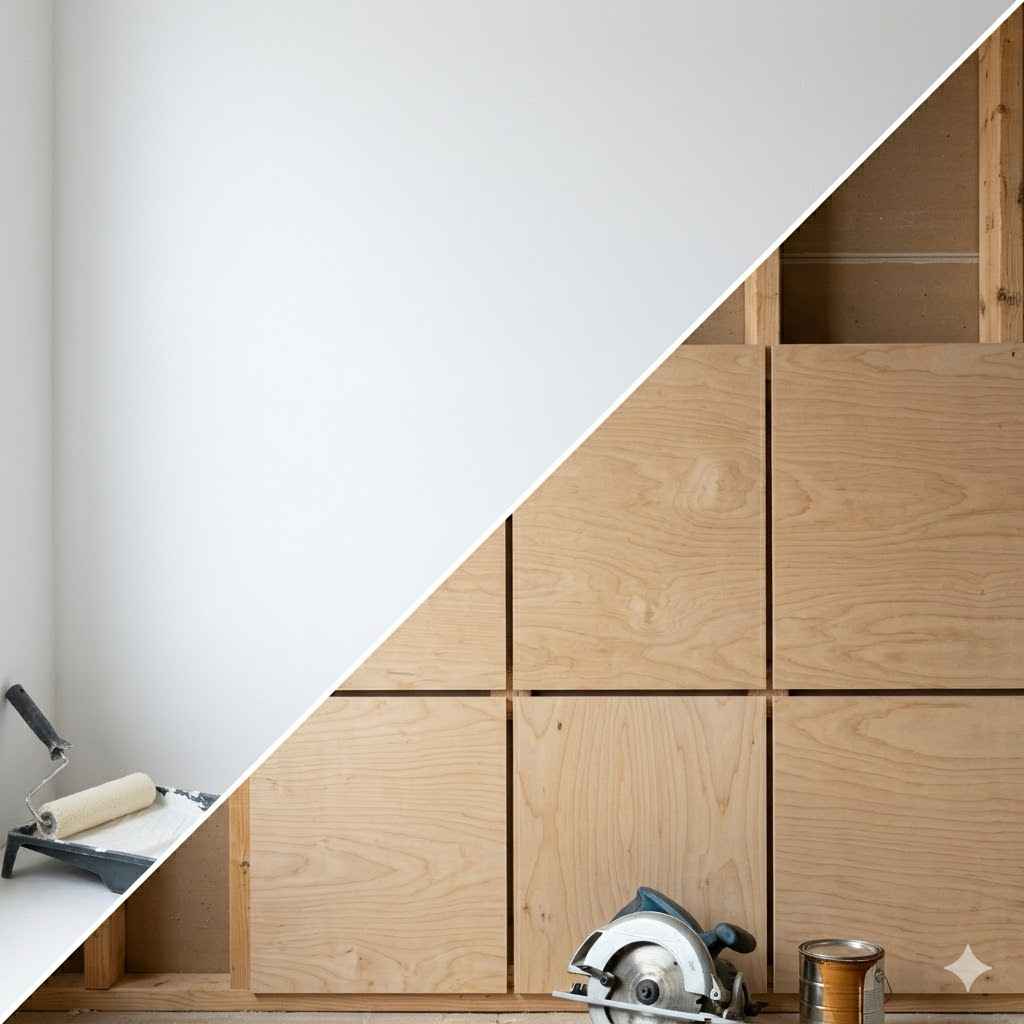
Deciding whether to use plywood or drywall for your walls is a practical choice. Both have their place. Plywood offers unmatched durability and a unique look.
It’s great for workshops or when you want that rustic charm. Drywall remains the go-to for most homes. It’s easy to finish smooth, cost-effective, and meets safety standards.
Think about your project’s needs. Consider the look you want. And always check those building codes.
With the right understanding, you can pick the perfect material for your walls.
Sponsored / affiliate links. As an Amazon Associate I earn from qualifying purchases. I may earn additional commission from eligible campaigns.