How Much Does a Custom Wood Cutting Board Cost?
Many custom wood cutting boards cost about $60 to $250 in typical retail quotes, while large end-grain or engraved custom boards can run about $300 to $460 or more. Pricing is sometimes quoted based on wood volume plus labor and finishing. Ignore that breakdown and you can overpay for soft stock, sloppy joinery, or a finish that fails early. This guide breaks down price by material, size, construction method, and add-ons so you can judge any quote with confidence.
What drives up the price of handmade boards


For a buyer, the short answer is simple: a small custom board often lands near the low end of the range, a medium board usually sits in the middle, and a large butcher-block style board can move well past $250. Handmade boards cost more than mass-produced ones because the maker pays for lumber selection, milling, sanding, assembly, finishing, and the time tied up in each step.
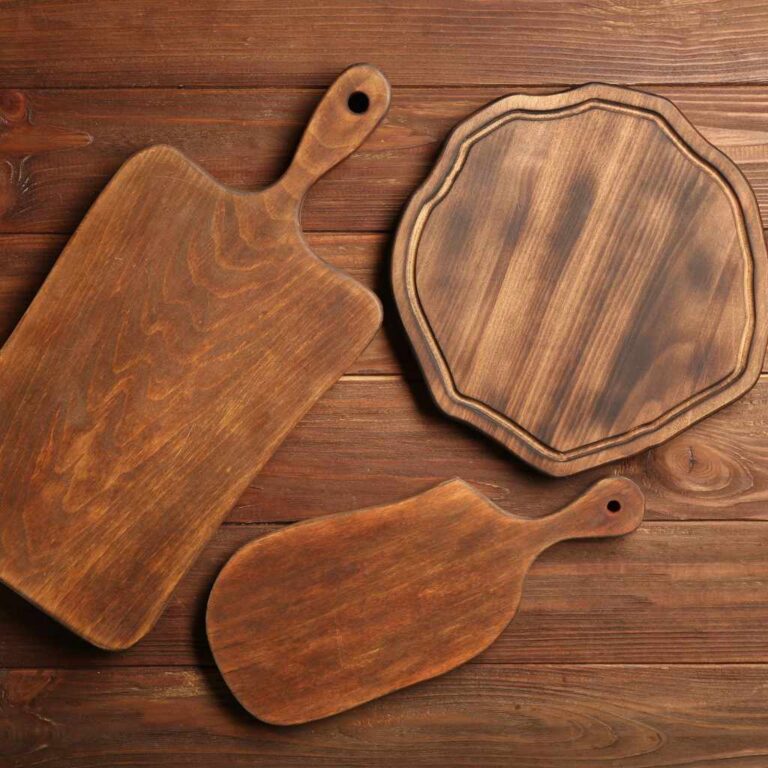
Basic custom quotes often start with a straightforward board in one species, one grain style, and a food-safe finish. Add thicker stock, a handle hole, engraving, feet, or a juice groove, and the total climbs. Custom boards can also be made in different shapes and sizes, which matters because every extra inch changes material use and labor.
Typical price bands by size
- Small boards: usually 8 x 12 to 12 x 18 in., used for prep or serving, and they carry the lowest material and labor cost.
- Medium boards: usually 14 x 20 to 16 x 22 in., the most common custom order size, where price depends heavily on species and grain style.
- Large boards: often 16 x 24 in. and up, usually butcher-block size, with higher wood use, more flattening time, and more finishing work.
A basic quoted price is not only about wood. A shop also has tools to maintain, glue and finish to buy, and time to cover between jobs. That is why a custom board can cost $65 from one maker and $200 or more from another, even if both are selling a similar-looking rectangle.
What affects the price?
The main price drivers are wood species, board size, grain style, and labor. Thickness, edge profile, corner treatment, and finish also matter. Add-ons such as engraving, a juice groove, rubber feet, inlay, and shipping can turn a plain quote into a much higher total.
Wood species and board-foot cost
Walnut sits in the premium tier because it usually costs more per board foot than lighter domestic species, and its dark color helps hide stains and knife marks better than pale woods. Hard maple is often used as a budget base species because it is hard-wearing and widely available; it also resists staining better than many open-pored species. Cherry and white oak tend to land in the middle, with cherry darkening over time and white oak offering a more pronounced grain look.
Mixed species boards usually cost more than a single-species board because the maker has to match color, grain direction, and glue-up layout. They are common in both edge-grain and end-grain work, where contrasting blocks create checkerboard patterns and other decorative layouts.
Size, thickness, and edge detail
More board surface means more lumber and more sanding. Thicker boards use more stock and take longer to flatten. A live edge board can also add cost because the slab has to be stabilized, shaped, and often trimmed around natural voids or curves before it is food-safe enough for service.
Grain style, finish, and shop labor
Face grain boards are usually the cheapest because they use the simplest layout. Edge grain boards take more milling but are still more affordable than end grain. End grain boards are the most labor-heavy because the maker cuts, turns, glues, flattens, and sands more material.
A common first-timer mistake is comparing two boards only by length and width. A 16 x 24 inch board in maple face grain and a 16 x 24 inch board in walnut end grain do not cost the same to make, even though the footprint matches.
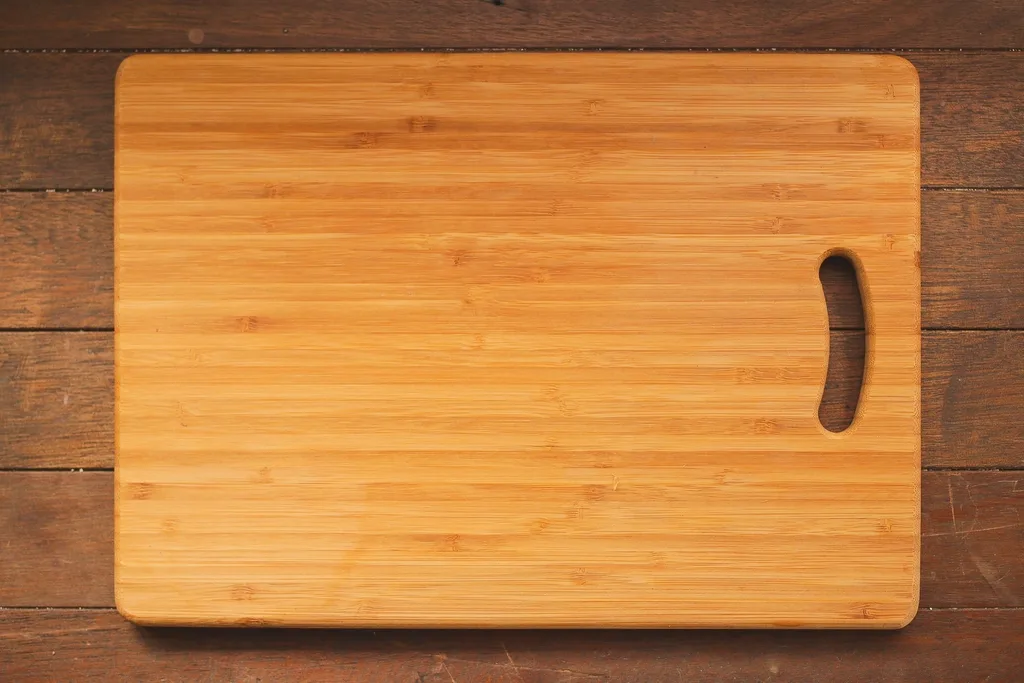
Cutting board cost calculator
Use this calculator as a practical quoting model, not as a fixed retail rule. The base ranges below assume a simple rectangular board with a food-safe finish. Add-ons are listed separately so you can see how a quote grows.
| Buyer profile | Board size | Wood species tier | Grain style | Base price range | Engraving | Juice groove | Feet | Shipping | Estimated total |
|---|---|---|---|---|---|---|---|---|---|
| Home prep board | 12 x 18 in. | Hard maple, budget-base | Face grain | $60 to $95 | +$15 to $30 | +$10 to $20 | +$8 to $15 | +$12 to $20 | $105 to $180 |
| Gift board | 14 x 20 in. | Cherry or mixed species, mid-range | Edge grain | $95 to $160 | +$20 to $40 | +$15 to $25 | +$10 to $18 | +$15 to $28 | $155 to $271 |
| Premium butcher block | 16 x 24 in. | Walnut, premium | End grain | $180 to $320 | +$25 to $50 | +$20 to $35 | +$12 to $20 | +$18 to $35 | $255 to $460 |
For a quick estimate, start with the base range, then add the extras you actually want. Engraving and inlay are decoration costs. Juice grooves, feet, and shipping are practical costs. If a quote is far below the table for a large hardwood board, check the species, thickness, and finish quality before assuming it is a bargain.
Suppose you want a walnut serving board with an engraved name, rubber feet, and a juice groove. The base board may look reasonable on its own, but the total changes fast once labor and hardware enter the estimate. That is normal. On a small order, the add-ons can easily equal the price of the wood itself.
How do wood species change the quote?
Species changes price because some woods are harder to source, harder to machine cleanly, or chosen for appearance rather than economy. Walnut usually sits near the top of the price ladder. Hard maple is often the entry point for a custom hardwood board. Cherry and white oak usually fall in the middle, though white oak is less common than maple or walnut for cutting boards because its open grain asks for more careful finishing.
Walnut
Walnut is a premium choice because the dark color looks refined and helps hide stains better than pale woods. It is usually a higher-priced species, and walnut boards often land in the premium range for custom work. Walnuts’ Janka hardness is commonly cited around 1,010 lbf, which places it in a practical range for kitchen use without being overly hard on knives.
Hard maple
Hard maple is often the budget-base hardwood for a custom board. It is a lower-cost domestic hardwood option for many buyers. Hard maple is commonly rated around 1,450 lbf on the Janka scale, and its dense surface gives it better stain resistance than many softer woods.
Cherry and white oak
Cherry is a mid-range choice that starts lighter and darkens over time. It is commonly rated around 995 lbf on the Janka scale. White oak is also a mid-range option, with a more visible grain pattern and a commonly cited Janka hardness around 1,360 lbf; unlike red oak, it is relatively closed-pored, which helps explain why careful finishing matters, but it is not the default choice for every board.
Mixed species boards
Mixed species boards use two or more woods for striped, framed, checkerboard, or block patterns. They are often seen in end grain work because the cut ends of the boards create a patterned surface after the glue-up. The mix raises labor because the maker has to plan color contrast, align pieces, and sand more carefully to keep the surface flat.
The sourced product listings also show how species affects the quote structure without giving a direct retail rule for every maker. Bamboo appears in the listings at $0.21 – $0.41, and a custom sink cover board at 3/4 inch thick is listed at $0.28 – $0.31, both of which are useful as lower-cost reference points, not direct substitutes for a heavy prep board.
Why are end grain boards so expensive?
End grain boards cost more because they use more labor and often more waste. The maker cuts boards into blocks, rotates them, glues them again, then sands and flattens a surface that shows more variation. That extra work is why end grain usually costs more than face grain or edge grain, even before add-ons are counted.
More lumber waste and glue-up time
End grain construction requires extra cutting and reassembly, which increases waste. A board that could be a simple face-grain slab turns into several smaller blocks, and the maker has to keep the grain and color order aligned. That process uses more clamps, more glue, and more bench time.
More sanding and flattening
End grain surfaces need careful flattening because the finish has to sit evenly across many exposed fibers. If the board is not flattened well, it can feel rough and wear faster in use. Labor time goes up, and labor is a major part of the price formula.
When the extra cost is worth it
End grain is worth the extra cost if you want a heavy prep board that feels gentle on knives and you are willing to maintain it properly. If the board will live on the counter and handle frequent chopping, the added cost can make sense. If it is mostly for serving or light slicing, a lower-cost face grain or edge grain board is usually the better buy.
How much should you pay for a custom board?
Pay based on construction, not just wood species. Face grain boards should usually be the least expensive. Edge grain boards sit above that. End grain boards justify the highest price when the maker uses quality hardwood, decent thickness, and a clean finish. A bigger board or a board with hardware, engraving, or a juice groove should cost more than a plain one of the same species.
Face grain versus edge grain pricing
Face grain boards often sit near the low end of a custom quote because they are faster to build. Edge grain boards usually cost more because they require more milling and glue-up work, but they still stay below most end grain boards. If a seller charges end grain pricing for a basic face grain board, the quote needs a closer look.
Large butcher block board pricing
Large butcher block boards use more material and more labor. They are heavier, take longer to flatten, and often need thicker stock to stay stable. For a large board, paying more can be sensible if the maker uses a dense hardwood and a stable construction method. The price should rise with size, but not without a clear reason.
Live edge charcuterie board pricing
Live edge charcuterie boards often cost more than their simple rectangular cousins when the slab needs extra prep. The maker may need to trim, sand, fill, and seal irregular edges, and every one of those steps adds time. If a live edge board includes voids or unusual shape work, the quote can move into premium territory quickly.
Picture a 10 x 24 inch serving board for a holiday gift. If it is walnut with a straight edge and no engraving, the price can stay moderate. If the same board becomes live edge walnut with feet, engraving, and shipping, the total can jump well above the base board price. Shape is not a cosmetic afterthought; it changes labor.
What should you expect on food safety and care?
Most custom cutting boards are finished with food-safe oils or finishes such as mineral oil, beeswax blends, or hardwax oil once cured properly. That matters because the finish affects both appearance and service life. A well-finished board is easier to clean, less likely to absorb odors, and less likely to stain immediately from common kitchen use.
Daily cleaning and drying habits
Wash by hand with mild soap and warm water, then dry promptly. Do not soak the board or leave it sitting in a wet sink. Standing water is one of the fastest ways to shorten a board’s life, especially around seams and end grain edges.
Oil maintenance and refinishing
Occasional oiling helps prevent drying and checking. If the surface starts to look dull, feel rough, or absorb liquid quickly, it is time for maintenance. A board that is neglected may need sanding and a fresh finish sooner, which adds long-term cost even if the first purchase seemed cheap.
Frequently asked questions
How much does a custom wood cutting board cost?
The price changes with wood species, size, grain style, thickness, and add-ons. A very plain small board can sit near the low end, while a thick walnut board with extras moves much higher.
Why are end grain cutting boards so expensive?
End grain boards cost more because they take more labor, more glue-up steps, and more sanding and flattening. The maker also uses material less efficiently than with a simple slab. That extra time and waste are built into the quote, which is why end grain usually prices above face grain and edge grain.
How much should I pay for a walnut cutting board?
Walnut boards usually cost more than maple or cherry because walnut sits in the premium tier and has a darker, stain-hiding look. A walnut board often falls around $180 to $320 before add-ons for a premium butcher-block style board, and higher totals are possible with engraving, feet, and shipping.
What affects the price of a custom cutting board?
The main cost drivers are species, size, grain style, thickness, finish, and labor. Add-ons such as a juice groove, feet, engraving, inlay, and shipping also move the total. If a quote looks too low for the size, check whether the board is thin, machine-made, or made from a lower-cost species.
How much does a large butcher block cutting board cost?
Large butcher block boards usually cost more because they need more hardwood, more flattening, and more finish work. A large board can push well past the mid-range even before add-ons. If you want a heavy prep block for daily chopping, expect the quote to rise with thickness and surface area.
What size cutting board is worth the money?
The best value is usually a size that fits your counter and prep habits without wasting wood. Many buyers get the most use from a medium board because it is large enough for daily prep but not so big that the price climbs sharply. Oversized boards are worth it only when you truly need the workspace.
Sponsored / affiliate links. As an Amazon Associate I earn from qualifying purchases. I may earn additional commission from eligible campaigns.