Postmaster Steel Fence Post Review: Is It Worth It?
PostMaster steel fence posts are worth the higher upfront cost when you need a wood privacy fence to resist rot, wind load, frost heave, or sagging gates. For straight runs in dry, sheltered ground, pressure-treated wood is usually the cheaper choice. Skipping the upgrade in problem areas can lead to leaning lines, loose rails, failed corners, and gate repair bills. This guide breaks down where PostMaster posts outperform wood, where they add cost without much payoff, and when the upgrade is justified.
Steel strength without changing the fence’s appearance

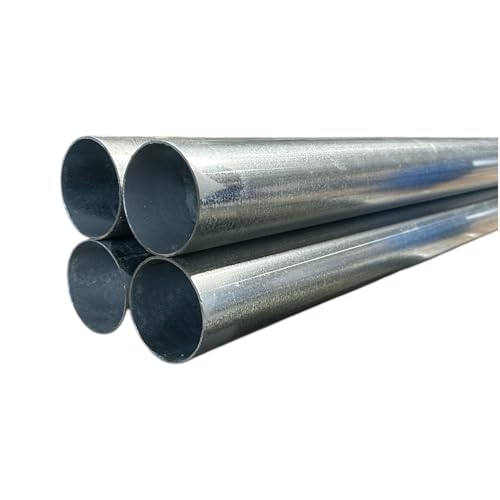

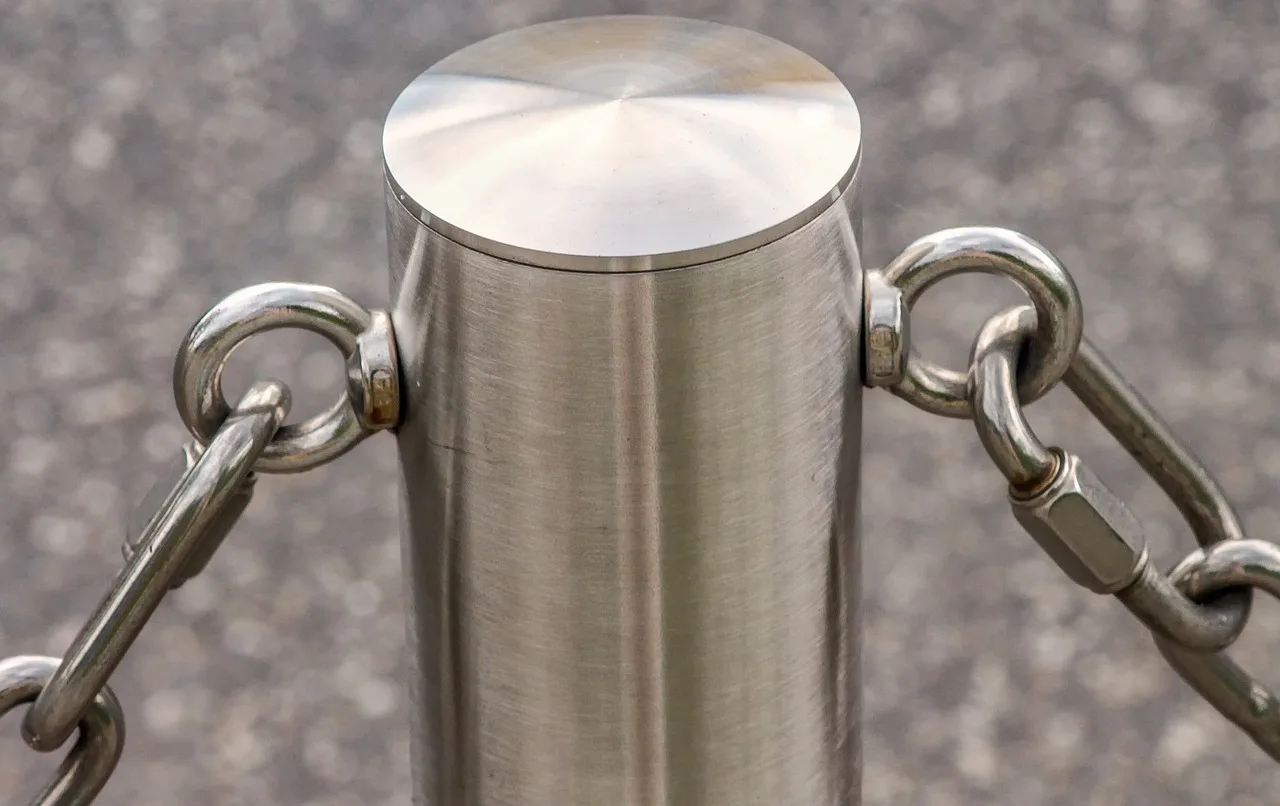
PostMaster+ is a galvanized structural steel post from Master Halco, a fencing manufacturer and wholesale distributor that has been in the industry since 1961. It is designed to sit behind a finished wood fence, stay invisible from the outside, and handle higher loads than a standard 4×4 wood post. That makes it a strong fit for problem spots, not every post in every fence.
Bottom-line verdict
Use PostMaster+ where failure is expensive: gates, corners, and exposed runs that face wind or wet soil. If the fence is straight, short, and protected, pressure-treated wood is usually enough and costs less. The upgrade makes the most sense when you are trying to avoid repeat repairs rather than just reduce the initial bill.
Pros and cons
- Pros: steel does not rot at the ground line, the hidden profile preserves a normal wood-fence look, and the system is certified for wind loads up to 73 miles per hour.
- Pros: galvanized coating adds corrosion resistance, which matters in damp or wet soil.
- Cons: it costs more up front than a common pressure-treated 4×4.
- Cons: it still needs proper footing, drainage, and installation below local frost depth.
Best-use summary
PostMaster+ is most justified on wood privacy fences where you want steel strength without changing the fence’s appearance. It is especially useful when the posts carry gate hardware, sit at corners, or stand in soil that stays wet. It is less compelling for short, sheltered line runs in fast-draining ground.
Why wood posts fail

Pressure-treated wood posts often fail at the ground line because that is where moisture, oxygen, and soil contact combine. Over time, wood can rot, warp, or snap there. Frost heave can also loosen shallow posts, and gate or corner loads can speed up the problem by bending the post in more than one direction.
Ground-line rot
The ground line is the weak spot on many wood fences. Even treated wood can deteriorate where soil stays damp or where water drains poorly. Once that area softens, the post loses stiffness and the fence starts to lean or rack.
Frost heave and leaning
Posts should be set below local frost depth, because freeze-thaw cycles can move soil and tip shallow supports. Frost heave is a common cause of leaning fence posts, especially where the soil is saturated or where the footing was not deep enough for local conditions.
Gate and corner stress
Gate posts take more torque than line posts because they carry moving hardware and repeated force from opening and closing. Corner posts also see directional load from changing fence direction. Those two locations are frequent failure points on wood fences, especially when the gate is wide or heavy.
How PostMaster+ works
PostMaster+ uses a galvanized steel body with a patented inline profile, and the finished wood fence hides it from view. The system is made to work behind wood boards, so the fence keeps a traditional residential look while the structure comes from steel. It is used for line, corner, and gate posts.
Galvanized steel body
Galvanized steel uses a zinc-based coating to resist corrosion better than bare steel. That does not make it maintenance-free, but it does make it a better choice than untreated steel for wet or damp conditions. It is one reason the system is often considered for long-term durability in soil that gives wood trouble.
Hidden-in-wood-fence design
PostMaster+ is engineered to be completely invisible behind the finished fence. That matters for homeowners who want a wood privacy fence rather than a visible steel look. The post carries the structure while the boards provide the appearance.
Line, corner, and gate use
The same basic idea applies across the fence, but the loads are not the same. Line posts mainly support the rail span. Corner posts redirect those forces. Gate posts carry heavy mechanical stress, so they are often a good place to consider a steel upgrade.
Steel post vs wood post
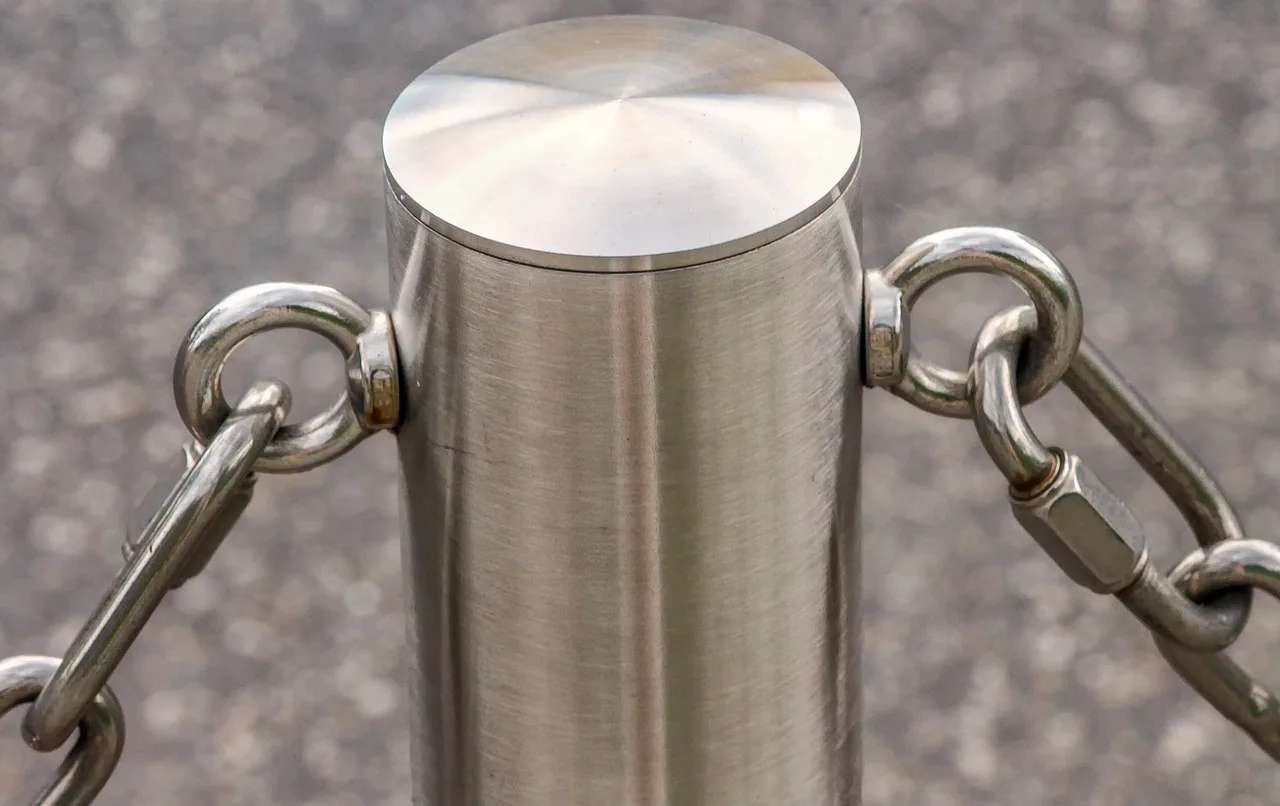
PostMaster+ is generally stronger and stiffer than a standard pressure-treated wood post, especially where the load is concentrated at the top of the post or at hardware points. Wood is cheaper at purchase, but it is more vulnerable to rot, warping, and ground-line failure. The question is often whether you want to pay now or pay later in repairs.
Strength and stiffness
Steel resists bending better than wood in the situations that strain fences most: gate torque, corner pull, and wind on open runs. That does not mean every post needs steel, but it does mean the posts that see the most stress can benefit from it.
Corrosion and rot resistance
Pressure-treated wood can still fail where the post stays wet. Galvanized steel does not rot, which removes one of the biggest long-term failure modes in fence construction. In wet soil, that difference matters more than it does in dry, well-drained ground.
Upfront cost versus replacement cost
A steel post usually costs more than a 4×4 wood post, and the total installed difference is often larger once labor, concrete, and hardware time are included. A practical estimate is about $15 to $30 more per post in materials, and the gap can widen if a future repair would require tearing out boards and redoing rails. For a fence with several high-risk posts, that extra spend can be cheaper than repeated fixes.
Does it solve wind and frost problems?
Yes, but only when the rest of the installation matches the soil and exposure. PostMaster+ helps with wind resistance, and the certified wind load up to 73 miles per hour is useful for exposed wood-fence runs. It does not cancel bad footing, shallow depth, or poor drainage, so frost depth and soil type still matter.
Open-wind fence runs
Open, windy lots put more side force on long fence sections. If a straight run has few breaks and little shelter, steel posts can reduce lean and rail movement. That is where the wind-load rating has the clearest practical value.
Frost depth and heave
Frost heave is a footing problem before it is a post-material problem. A steel post can still lean if it is set too shallow for local frost depth. The upgrade helps most when you pair it with proper depth and stable backfill or concrete placement.
Clay and wet-soil conditions
Clay holds water and drains slowly, which increases freeze-thaw movement and raises rot risk for wood. In wet soil, galvanized steel has a clear durability advantage. Suppose a 6-foot privacy fence crosses a clay side yard and the gate side already leans after one winter. Steel is the smarter choice for the gate and the nearby corner, even if the rest of the line stays wood.
Fence post decision table
| Fence segment | Soil condition | Exposure | Recommendation | Cost delta per post |
|---|---|---|---|---|
| Line | Draining | Low wind | Wood acceptable | About $15 to $30 more for steel |
| Line | Clay | Open wind | Steel strongly recommended | About $15 to $30 more for steel |
| Corner | Draining | Open wind | Steel strongly recommended | About $15 to $30 more for steel |
| Corner | Wet | Low wind | Steel strongly recommended | About $15 to $30 more for steel |
| Gate | Draining | Low wind | Steel strongly recommended | About $15 to $30 more for steel |
| Gate | Wet | Open wind | Steel strongly recommended | About $15 to $30 more for steel |
Who it
PostMaster+ suits homeowners building a new wood privacy fence who want a cleaner long-term structure without giving up the wood look. It also fits repairs where a gate has sagged, a corner has loosened, or a few posts have failed and the owner wants a stronger replacement. It is less useful for a short decorative fence in dry, sheltered ground.
New privacy fences
If you are starting from scratch, steel is easiest to justify at the posts that matter most. You can keep the same board style and still improve the structure where the fence is most likely to fail.
Repairs and upgrades
A common first-timer mistake is replacing a failed wood gate post with the same material and expecting a different result. If the original failure came from rot, heave, or repeated gate torque, steel is often the better repair. That is especially true when the rest of the fence is still in good shape and only the weak spots need reinforcement.
Who it does not suit
If you are fencing a dry, low-wind backyard with short runs and no gate load, pressure-treated wood is usually the better value. The extra strength of steel may not pay back fast enough in a low-risk section.
Installation begins with a layout that matches the fence line, post spacing, and local frost depth. The post is set in concrete, and the wood boards are added after the steel is fixed in place. Because the post is hidden, alignment matters before the fence skin goes on.
Practical install sequence
- Mark line, corner, and gate locations before digging.
- Confirm local frost depth and place the footing below it.
- Set the steel post plumb and brace it before concrete cures.
- Install rails and boards so the post stays hidden behind the finished fence.
- Use the gate hardware on the reinforced post, not on a weak wood post.
Parts and compatibility notes
PostMaster+ is used behind wood fence boards, so board thickness and rail layout should be planned before you buy posts. Gate sections need room for hardware, and corners need a layout that accounts for directional load. If your fence style uses unusual rail sizes or thick decorative boards, check compatibility before ordering.
Where to buy it
PostMaster+ is commonly sold through fencing suppliers, and Master Halco is a wholesale brand contractors use. For homeowners, that often means local fence dealers, contractor supply houses, or distributors that can order through trade channels. Availability is usually better through pro-focused sellers than through general big-box shelves.
Frequently asked questions
Where to buy PostMaster steel fence posts
Start with local fence suppliers, contractor supply houses, and distributors that work with Master Halco products. Many homeowners find better availability through fence contractors than through general retail stores. Ask whether the dealer stocks PostMaster+ or can order it through wholesale channels.
PostMaster vs Lifetime fence posts
PostMaster+ has a patented inline profile and is certified to handle wind loads up to 73 miles per hour. Lifetime-branded systems may differ in shape, accessory compatibility, or warranty terms. Compare the actual post profile, corrosion protection, and hardware fit rather than relying on brand name alone.
Steel fence post vs wood fence posts
Steel is the better choice where rot, wind, frost heave, or gate stress are the main risks. Wood is cheaper and acceptable in dry, sheltered areas with light loads. The better value depends on which post is most likely to fail first.
Are Postmaster steel fence posts worth it for a wood fence?
Yes, if the fence has gates, corners, wet soil, or open wind exposure. In those spots, the higher upfront cost can prevent sagging, leaning, and rot-related replacement. For a sheltered straight run in draining soil, wood is usually the cheaper and sensible choice.
Do Postmaster posts rust or rot?
They do not rot like wood, because they are galvanized steel rather than organic material. The zinc-based coating helps resist corrosion, but it still depends on proper installation and drainage. Poorly set steel can still corrode over time, especially in harsh soil conditions.
Sponsored / affiliate links. As an Amazon Associate I earn from qualifying purchases. I may earn additional commission from eligible campaigns.
 Girftong Fence Post Cover For 4X4 Wood Posts, PP Plastic With Screws, Waterproof Anti-Cracking Deck Pole Protectors For Garden Yard Outdoor Use, Black-Finish,(32pcs)
 4.21" x 3.94"U Shape Fence Post Holder,1 Pack Concrete Post Base Anchor Bracket,Heavy Duty Wood Post Support for Deck Railing,Fence,Pergola,Mailbox,Ground Mount Pole Construction (1, 4.21" x 3.94")